Do you dream of a lush garden but feel limited by space? Designing a small garden bed might be the perfect solution for you.
Picture a vibrant corner in your yard, filled with colorful blooms and fresh scents. It’s not just a pretty sight; it’s a space that can bring peace and joy to your daily routine. Imagine sipping your morning coffee surrounded by nature’s beauty, or unwinding after a busy day with the calming influence of your own tiny oasis.
You don’t need a sprawling area or a big budget. What you need is a simple plan and a little creativity. This article will guide you through the process, helping you transform your small space into a garden that feels grand. Ready to get your hands dirty and make your garden dreams come true? Keep reading to discover how you can design the perfect small garden bed.

Credit: www.goodhousekeeping.com
Choosing The Right Location
Choosing the right location for your small garden bed ensures optimal sunlight and protection from harsh winds. Pick a spot with good drainage and access to water. This will help your plants thrive.
Choosing the right location for your small garden bed is crucial. It affects plant growth, health, and beauty. The right spot can help your plants thrive.Understanding Sunlight Patterns
Observe the sun’s path in your yard. Notice where sunlight falls during the day. Most plants need at least six hours of sunlight. Some may prefer shade or partial sun. Choose a spot that fits your plants’ light needs.Soil Drainage Considerations
Check how water drains in your chosen area. Water should not pool after rain. Poor drainage can harm plant roots. Test soil drainage by digging a small hole and filling it with water. If it drains quickly, the spot is suitable.Proximity To Water Sources
Locate your garden near a water source. This makes watering easier. You may use a hose or watering can. Ensure you can reach all parts of the garden bed.Accessibility And Convenience
Think about how you’ll access your garden. Choose a spot that’s easy to reach. Make sure you can comfortably work around the plants. Paths should be clear and safe to walk on.Wind And Weather Protection
Consider the wind’s direction and strength. Strong winds can damage plants. Use fences or hedges to block wind if needed. Protect your garden from extreme weather conditions.Nearby Trees And Structures
Check for large trees or buildings nearby. They may block sunlight or compete for nutrients. Avoid placing your garden bed too close to large roots. Structures might provide shade or shelter.Visual Appeal And Integration
Your garden should enhance your yard’s beauty. Choose a location that complements existing features. Consider how it looks from different angles. A well-placed garden bed adds charm to your space.
Credit: www.goodhousekeeping.com
Selecting Plants For Small Spaces
Choosing compact and versatile plants enhances small garden beds. Consider dwarf varieties and vertical growth options to maximize space. Incorporating colorful foliage and low-maintenance species adds charm and ease to your design.
Selecting plants for a small garden bed can be an exciting challenge. Space is limited, so careful planning ensures each plant thrives. Choose wisely to maximize beauty and functionality. Consider plant size, growth patterns, and color. Each plant should complement the others, creating a harmonious scene.Considering Sunlight And Shade
Observe how sunlight moves through your garden. Some areas receive full sun, while others are shaded. Choose plants that match these conditions. Sun-loving plants flourish in bright spots. Shade-tolerant varieties thrive in darker corners. Knowing your garden’s sunlight exposure is key. It helps avoid planting mishaps.Picking Low-maintenance Varieties
Small spaces demand low-maintenance plants. Select varieties that require minimal care. Native plants often fit this description. They adapt well to local conditions. Succulents and hardy perennials also work well. These plants need less water and attention. This reduces upkeep time and effort. Your garden remains beautiful with ease.Planning Your Garden Layout
Designing a small garden bed involves careful planning and creativity. Consider plant size, sunlight, and color harmony. Maximize space by choosing compact plants and layering heights for depth and interest.
Planning a small garden bed layout requires creativity and precision. Efficient use of space ensures a lush and thriving garden. Thoughtful planning allows even a tiny plot to become a green oasis. Consider the sunlight, soil quality, and water access. Sketch your garden layout on paper before starting. This helps visualize the space and plan plant placement.Maximizing Space Efficiency
Use every inch wisely. Group plants with similar needs together. This reduces maintenance and maximizes growth. Choose compact plant varieties for smaller spaces. These plants thrive with less room. Plant in rows or blocks to maximize ground coverage. Use raised beds to define specific areas. This improves drainage and soil quality.Incorporating Vertical Elements
Vertical gardening adds dimension and interest. It saves ground space and enhances aesthetics. Install trellises or arches for climbing plants. These structures support vines and flowers. Hang planters on walls or fences. This adds greenery without taking up ground space. Use stackable or tiered planters to create levels. These increase planting opportunities in limited areas.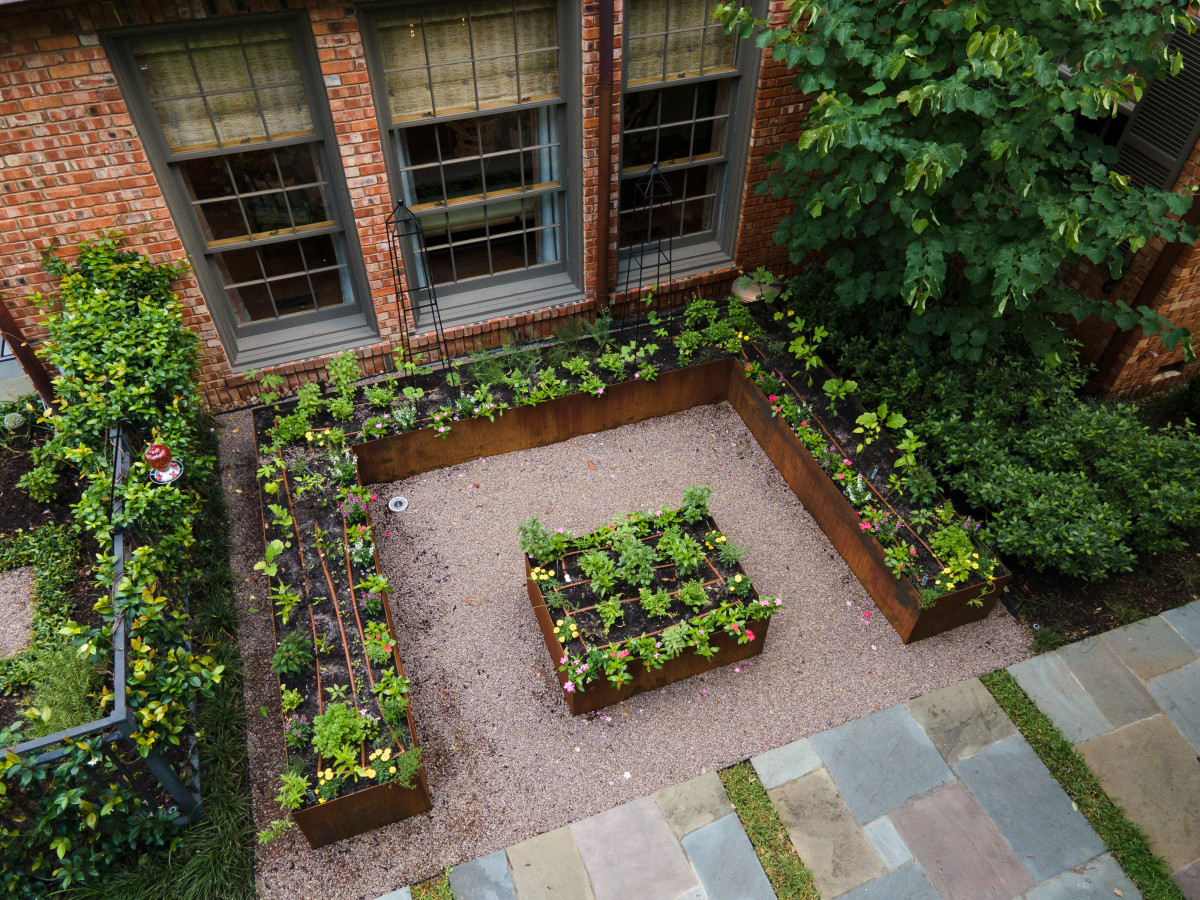
Credit: www.gardenary.com
Soil Preparation Techniques
Designing a small garden bed begins with proper soil preparation. Start by removing weeds and debris, ensuring a clean slate. Enhance soil quality by mixing compost and organic matter, promoting healthy plant growth. Ensure good drainage by loosening the soil, allowing roots to spread effectively.
Designing a small garden bed begins with perfecting the soil. Proper soil preparation ensures healthy plants and vibrant blooms. It’s crucial to understand the soil’s condition and make necessary improvements. This section covers essential soil preparation techniques to help your garden thrive.Testing And Amending Soil
Before planting, test the soil to identify its needs. Use a home soil test kit to check pH levels and nutrient content. This reveals whether the soil is too acidic or alkaline. Once identified, amend the soil with organic matter. Compost and manure enrich the soil, improving its fertility. Add lime to raise pH or sulfur to lower it. These amendments create a balanced environment for plants.Creating Drainage Solutions
Good drainage is vital for a small garden bed. Poor drainage leads to waterlogging, harming plant roots. To improve drainage, consider adding sand or gravel to the soil. These materials help water flow away from the roots. Elevate the garden bed if necessary. Raised beds enhance drainage and prevent water accumulation. Ensure your garden bed has proper drainage to support healthy plant growth.Implementing Watering Strategies
Design a small garden bed by considering effective watering strategies. Ensure plants receive adequate moisture by positioning them according to their water needs. Use drip irrigation or soaker hoses to deliver water directly to the roots, conserving water and promoting healthy plant growth.
Implementing effective watering strategies in your small garden bed is crucial for maintaining vibrant and healthy plants. While it might seem straightforward, a well-thought-out watering plan can save you time and water, while ensuring your plants thrive. Let’s delve into some practical solutions that will help keep your garden lush and flourishing.Installing Irrigation Systems
Adding an irrigation system can be a game-changer for any small garden bed. Drip irrigation is particularly effective as it delivers water directly to the roots, minimizing evaporation and water waste. Setting up a timer can automate the process, ensuring consistent watering even when you’re not around. Consider using soaker hoses as an alternative. They are affordable and easy to install, allowing water to seep slowly into the soil. This method is excellent for maintaining the right moisture level without overwatering.Utilizing Mulch For Moisture Retention
Mulch acts as a protective layer for your garden soil, reducing evaporation and keeping the moisture intact. Organic options like wood chips, straw, or shredded leaves can enrich the soil as they decompose. A 2-3 inch layer is generally sufficient to keep the soil cool and moist. Have you ever wondered why some gardens look pristine even in the hottest months? The secret often lies in the mulch. By using it effectively, you can reduce the frequency of watering, saving both your time and resources. Using these strategies, you can make your small garden bed not just a beautiful space, but an efficient one too. What watering techniques have you found most effective? Share your thoughts and experiences!Incorporating Decorative Features
Enhance your small garden bed with decorative stones and charming ornaments. Mix colorful plants with unique features for visual appeal.
Designing a small garden bed doesn’t mean you have to compromise on style or creativity. Adding decorative features can transform your garden into a delightful oasis. These features not only enhance visual appeal but also create a welcoming atmosphere. Let’s explore how you can artfully integrate ornaments, pathways, and borders into your small garden design.Choosing Garden Ornaments
Garden ornaments can serve as focal points, adding personality and charm to your outdoor space. Think about sculptures, birdbaths, or even a whimsical gnome that reflects your style. Place them strategically to draw the eye and create a sense of surprise. Consider the material of your ornaments. Stone or metal can add a touch of elegance, while colorful ceramics bring vibrancy. Always ensure that the scale of the ornament matches the size of your garden bed to maintain balance.Adding Pathways And Borders
Pathways are more than just functional; they guide visitors through your garden, creating a journey. Even in a small space, a simple stone or gravel path can define areas and add texture. Choose materials that complement your garden’s aesthetic and are easy to maintain. Borders help delineate your garden bed, giving it a finished look. Use bricks, stones, or wooden edges to add structure. Consider planting low-growing plants or herbs along the border to soften the edges and add interest. By thoughtfully integrating these decorative features, you can elevate your small garden bed into a unique and inviting space. What elements will you choose to express your garden’s personality?Maintaining Your Garden Bed
Designing a small garden bed requires thoughtful planning and creativity. Choose plants that complement each other in color and size. Consider the sunlight and soil conditions for optimal growth.
Maintaining your garden bed is essential to keep it thriving and looking beautiful. It’s not just about planting; the care you provide afterward makes all the difference. Regular maintenance can transform your small garden bed into a vibrant oasis that brings joy to your outdoor space. Let’s dive into some practical ways to ensure your garden bed remains lush and healthy.Pruning And Deadheading
Pruning is like giving your plants a haircut. By trimming back overgrown branches, you encourage new growth and help shape your plants. Deadheading, on the other hand, involves removing spent flowers. This practice redirects energy back into the plant, promoting further blooming. Have you ever noticed how some plants seem to flourish after a good trim? That’s because pruning opens up the plant to more sunlight and air circulation. So grab those shears and get to work—your garden will thank you with a burst of new flowers.Seasonal Care Tips
Each season presents unique challenges and opportunities for your garden bed. In spring, focus on fertilizing and ensuring your plants have enough nutrients to start the growing season strong. Summer requires vigilance against pests and ensuring adequate watering during dry spells. As autumn approaches, it’s time to prepare your garden for the winter months. Consider adding mulch to protect roots from frost. Why not use this time to reflect on your garden’s successes and plan changes for next year? By adjusting your care routine with the seasons, you’ll keep your garden bed healthy all year round.Frequently Asked Questions
How Do I Start Designing A Small Garden Bed?
Start by measuring your space and deciding on a shape. Choose plants that suit your climate and soil. Consider sunlight, water needs, and plant size. Sketch your design before planting. Use borders to define the space and add mulch to retain moisture.
This planning ensures a thriving garden.
What Plants Are Best For Small Garden Beds?
Choose compact, versatile plants like herbs, perennials, and small shrubs. Consider lavender, rosemary, or dwarf varieties of your favorite flowers. Ensure they suit your climate and soil type. Mixing different heights and textures adds visual interest. Proper plant selection maximizes space and enhances garden beauty.
How Can I Maximize Space In A Small Garden Bed?
Use vertical gardening techniques like trellises and hanging pots. Choose climbing plants or compact varieties to save ground space. Layer plants with varied heights for depth. Consider container gardening to utilize every inch. Efficient space management allows a small garden to feel lush and full.
How Do I Maintain A Small Garden Bed?
Regularly water and remove weeds to keep plants healthy. Prune and deadhead flowers to promote growth and flowering. Add mulch to retain soil moisture and reduce weeds. Fertilize as needed, depending on plant requirements. Consistent maintenance ensures a thriving, beautiful garden throughout the seasons.
Conclusion
Designing a small garden bed can be simple and fun. Start with a clear plan. Choose plants that fit your space. Consider sunlight, soil, and water needs. Use edging to define your garden bed. Add mulch for moisture and a tidy look.
Keep your design simple and functional. Regular care ensures a healthy garden. Enjoy the beauty and satisfaction your garden brings. Creating a small garden bed adds charm to your outdoor space. It provides a peaceful spot for relaxation. Embrace the joy of gardening.
Your garden bed can thrive with time and effort.