
Imagine stepping into your backyard and being greeted by a lush, vertical tapestry of greenery. Vertical gardens are not just a trend; they’re a transformative way to breathe life into small spaces, turning dull walls into living works of art.
Whether you’re a seasoned gardener or a curious beginner, designing a vertical garden can be both simple and rewarding. Picture this: vibrant flowers, fresh herbs, and cascading vines, all within arm’s reach. You’ll be amazed at how easily you can create your own personal oasis, even if space is limited.
This article will guide you through the essentials of designing a vertical garden, sparking your creativity and igniting your passion for green spaces. Discover how you can enhance your home’s aesthetic, improve air quality, and enjoy fresh produce right from your wall. Ready to cultivate your own slice of paradise? Let’s dig in!
Benefits Of Vertical Gardens
Designing a vertical garden maximizes space and adds greenery to urban areas. It improves air quality and enhances aesthetic appeal, creating a refreshing environment.
Vertical gardens bring nature into urban spaces. They offer several benefits. These gardens are space-efficient, making them ideal for city dwellers. They also improve air quality and provide insulation. Let’s explore these benefits further.Enhances Air Quality
Vertical gardens purify the air. Plants absorb carbon dioxide and release oxygen. This process cleans the air around you. It can reduce pollutants and allergens. Enjoy fresher air with lush green walls.Maximizes Space
Limited space is common in urban areas. Vertical gardens make use of vertical space. They allow gardening without needing large areas. Perfect for balconies or small yards.Improves Aesthetics
Vertical gardens add beauty to any setting. They create a lush, green backdrop. This transforms dull walls into vibrant living art. They enhance the visual appeal of your space.Offers Temperature Regulation
Green walls act as natural insulators. They keep buildings cooler in summer. In winter, they help retain warmth. This can lead to energy savings over time.Boosts Biodiversity
Vertical gardens attract various species. Birds, butterflies, and bees find habitat in these spaces. They contribute to local biodiversity and support ecosystems.Reduces Noise Pollution
Plants can absorb and deflect sound. Vertical gardens reduce noise levels in busy areas. This creates a quieter, more peaceful environment.Promotes Mental Well-being
Being around plants can reduce stress. Greenery in homes and offices boosts mood. Vertical gardens bring nature’s calming effects into daily life.
Credit: brindavanagardens.com
Choosing The Right Location
Selecting a sunny spot is crucial for a thriving vertical garden. Ensure the location offers adequate sunlight and protection from strong winds. Consider accessibility for watering and maintenance to keep plants healthy and vibrant.
Choosing the right location for your vertical garden is crucial. The location determines how well your plants grow and flourish. Consider sunlight, wind, and temperature to ensure optimal conditions for your garden.Assess Sunlight Availability
Evaluate the sunlight where you plan to place your garden. Most plants need 6-8 hours of sunlight daily. Observe the area at different times to gauge sunlight exposure. If sunlight is limited, consider shade-tolerant plants.Evaluate Wind Exposure
Strong winds can damage plants and dry them out quickly. Check if the location is sheltered from strong gusts. Wind barriers like walls or fences can help protect your vertical garden.Check Temperature Variations
Temperature affects plant growth significantly. Avoid placing your garden in areas with extreme temperature shifts. Choose locations with stable temperatures for consistent growth.Consider Accessibility
Access is vital for maintenance and watering. Ensure you can reach all parts of your garden easily. This makes caring for your plants more convenient.Ensure Structural Support
Your vertical garden needs a sturdy structure for support. Evaluate the strength of walls or fences where you’ll install the garden. They should withstand the weight of plants and containers.Think About Aesthetic Appeal
A vertical garden should enhance the beauty of your space. Choose a location that complements your home or garden design. This adds visual interest and charm to your environment.Selecting Plants For Vertical Gardens
Choosing the right plants is crucial for a successful vertical garden. Opt for lightweight, compact plants that thrive in your climate. Consider varieties like ferns, succulents, and herbs, which adapt well to vertical spaces and require minimal maintenance.
Selecting the right plants for your vertical garden can make or break your green oasis. The beauty of vertical gardens lies in their ability to transform small spaces into lush, vibrant ecosystems. But with limited space, choosing the right plants becomes crucial. You want plants that not only survive but thrive, creating a stunning and sustainable display.Consider Climate And Light
Your local climate and the light available to your vertical garden are key factors in plant selection. Ask yourself, does your garden get full sun, partial shade, or is it mostly in the shadows? Each plant has its own light requirements, and matching these with your garden’s conditions will ensure healthy growth. For warm climates, consider drought-resistant plants like succulents, which thrive with minimal water. In cooler, shaded areas, ferns and mosses can create a lush, green look. Always research the specific needs of potential plants and think about how these align with your environment.Choose Low-maintenance Plants
Do you want a garden that demands constant attention, or would you prefer one that can mostly take care of itself? Low-maintenance plants can be a great choice for vertical gardens, especially for busy individuals. Herbs like mint and thyme are not only easy to grow but also add a delightful aroma and flavor to your cooking. Similarly, ivy and certain types of philodendron are hardy and require little effort to maintain. Prioritize plants that are resilient and can withstand occasional neglect, ensuring your vertical garden remains a source of joy, not stress. By carefully considering climate, light, and maintenance needs, you can curate a vertical garden that is both beautiful and practical. What plants will you choose to bring your vertical space to life?Structural Support And Materials
Choosing the right materials ensures the garden stands strong. Lightweight frames support plants without adding bulk. Use durable materials like stainless steel or treated wood for long-lasting structures.
Designing a vertical garden requires a solid understanding of structural support and materials to ensure your plants thrive. Whether you’re transforming a small balcony or a spacious backyard, choosing the right structure and materials is essential. The two main options you can consider are wall-mounted systems and freestanding structures, each offering unique benefits and challenges.Wall-mounted Systems
Wall-mounted systems are perfect for utilizing vertical space efficiently. They are ideal for small areas where floor space is limited. You can attach planters directly to a wall, creating a living tapestry of greenery. Consider using materials like wood, metal, or recycled plastic, which can withstand outdoor conditions. Some systems come with built-in irrigation, making maintenance easier. A friend of mine used old wooden pallets as a base, giving the garden a rustic charm while being budget-friendly. Think about the weight your wall can support. Some plants, especially when fully grown, can be quite heavy. Ensure your wall or fence can handle the load without damage.Freestanding Structures
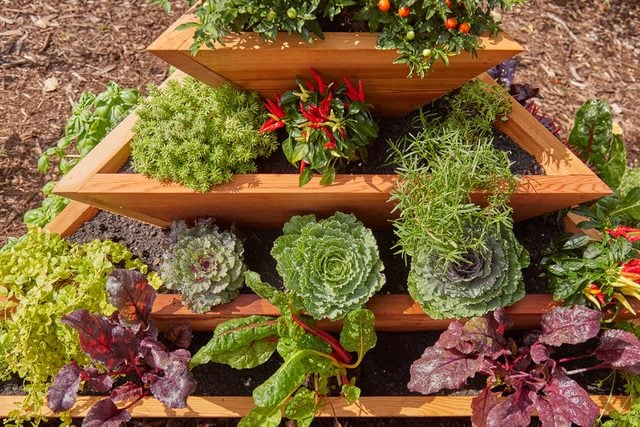
Freestanding structures offer flexibility in placement and design. They can be moved around your space, allowing you to experiment with different layouts. This is particularly useful if you’re planning to change your garden’s look with the seasons. These structures can be made from materials like bamboo, metal, or treated wood, each offering different aesthetics and durability. I once crafted a simple freestanding frame using PVC pipes, which was both affordable and easy to assemble. Freestanding options often include tiered shelves or ladder-like designs, maximizing plant exposure to sunlight. Ask yourself: Do you want a structure that blends into the background or one that stands out as a feature piece? This decision can guide your material choice and design approach. Choosing the right structural support and materials is crucial for a thriving vertical garden. Whether you opt for wall-mounted or freestanding structures, ensure they complement your space and meet your gardening needs. What unique design will you create with your vertical garden?Watering And Drainage Solutions
Designing a vertical garden can transform any space into a lush, green oasis. However, successful vertical gardening requires careful attention to watering and drainage. Without these, your plants may struggle to thrive or even survive. Let’s explore practical solutions to ensure your vertical garden stays healthy and vibrant.
Irrigation Systems
An efficient irrigation system is crucial for a vertical garden. Drip irrigation is a popular choice due to its water efficiency and ease of installation. It delivers water directly to the plant roots, minimizing waste and ensuring even distribution.
You might also consider a self-watering system, which is perfect if you’re often away from home. These systems can be programmed to water your plants at set intervals, taking the guesswork out of watering. Have you ever thought about recycling rainwater? Installing a rainwater collection system can provide an eco-friendly water source for your garden.
- Drip Irrigation: Ideal for water efficiency
- Self-Watering Systems: Great for busy lifestyles
- Rainwater Collection: Eco-friendly option
Ensuring Proper Drainage
Proper drainage is as important as watering. Without it, water can pool at the base of your vertical garden, leading to root rot and other plant diseases. Choose containers with pre-drilled drainage holes or add them yourself if needed.
Consider using materials like gravel or activated charcoal at the bottom of your containers to aid drainage. Have you ever tried a wick system? It draws excess water away from the roots, keeping them healthy and preventing overwatering.
- Use containers with drainage holes
- Add gravel or charcoal to improve drainage
- Consider a wick system for excess water management
Designing a vertical garden with proper watering and drainage solutions ensures your plants thrive. Are your plants getting what they need to flourish? With these tips, you’re well on your way to creating a beautiful, sustainable garden.
Credit: www.familyhandyman.com
Design And Aesthetic Considerations
Creating a vertical garden is an art form. It combines nature with design. A successful garden should blend beauty with function. Considering design and aesthetics is key. This ensures your garden is not only practical but also pleasing.
Color And Texture
Colors can transform a vertical garden. Choose plants with varied hues. This creates a vibrant display. Think about the seasons. Some plants bloom in spring. Others may change colors in fall. Texture adds depth. Combine smooth leaves with rough ones. This contrast is visually appealing. It adds interest to the garden.
Pattern And Layout
Patterns guide the eye through the garden. Arrange plants in a deliberate way. This can be symmetrical or random. Both styles have their charm. Vertical gardens can mimic nature’s randomness. Or they can be structured like a painting. The layout should suit the space. Small spaces need compact designs. Larger walls allow for expansive patterns.
Maintenance Tips
Creating a vertical garden requires sturdy support structures and careful plant selection. Consider sunlight needs and water access for optimal growth. Regular maintenance ensures plants thrive and enhances visual appeal.
Maintaining a vertical garden is essential to ensure its health and longevity. It’s not just about planting; it’s about nurturing your living wall to flourish. With a few strategic steps, you can keep your vertical garden vibrant and thriving.Regular Pruning
Regular pruning is crucial for a healthy vertical garden. It helps maintain the shape and encourages new growth. Trim dead leaves and overgrown branches to allow light and air to reach all parts of the plant. Pruning also prevents your garden from becoming too dense, which can harbor pests. A friend once told me how she neglected this step and ended up with a tangled mess. Don’t let that be your story.Monitoring For Pests And Diseases
Keep an eye out for any signs of pests or diseases. Check leaves and stems regularly for unusual spots or holes. Early detection can prevent a small problem from becoming a big issue. Use natural remedies like neem oil to tackle pests if you spot them. Remember, a healthy plant is less likely to attract pests. Have you ever considered how a simple routine check could save your garden from devastation? Regularly updating yourself with the latest in plant care can also be beneficial. Share your own experiences and tips with fellow gardeners. This exchange of knowledge can lead to better pest management strategies.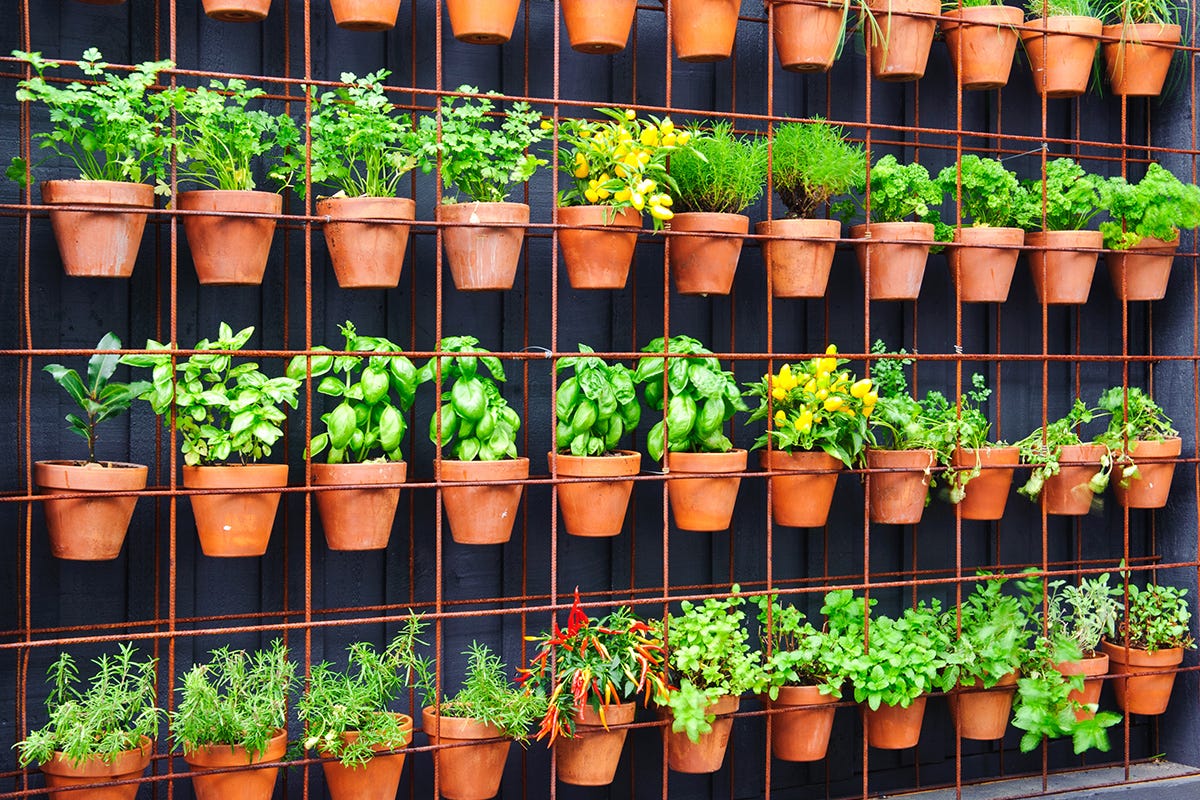
Credit: medium.com
Sustainability And Environmental Impact
Vertical gardens are not just a stunning addition to any space. They also promote sustainability and have a positive environmental impact. By incorporating living plants into your walls, you contribute significantly to a healthier planet. Let’s explore how vertical gardens help in reducing the carbon footprint and enhancing air quality.
Reducing Carbon Footprint
Plants absorb carbon dioxide and release oxygen. Vertical gardens maximize this natural process. They occupy less space while housing numerous plants. This dense greenery helps in absorbing more carbon dioxide than traditional gardens. It reduces the carbon footprint of urban environments. By integrating a vertical garden, you contribute to a cleaner atmosphere. It acts as a small, yet effective, carbon sink.
Enhancing Air Quality
Vertical gardens improve air quality in immediate surroundings. They act as natural air filters. The plants trap dust, pollutants, and toxins present in the air. This filtering process enhances the quality of air you breathe. It reduces health risks associated with poor air quality. Improved air quality also leads to better well-being and productivity. The beauty of nature combined with cleaner air makes vertical gardens desirable.
Inspiration And Ideas
Transform your space with a vertical garden, perfect for small areas. Select sturdy frames and diverse plants. Arrange them thoughtfully to create a lush, vibrant display.
Designing a vertical garden can transform even the smallest of spaces into a lush, green oasis. It’s about finding the right inspiration and turning those ideas into a reality. Whether you’re living in a bustling city or have a tiny balcony, there’s a vertical garden solution waiting to refresh your space. Let’s dive into some creative ideas to spark your imagination.Urban Spaces
Urban environments often lack greenery, but vertical gardens can change that dramatically. Imagine walking onto your apartment terrace and being greeted by a wall of green. Start with a simple wooden pallet. Attach small pots or fabric pockets to it, allowing you to grow herbs or small flowering plants. Consider using climbing plants like ivy or jasmine. These can cover walls quickly, adding a natural touch to the urban concrete landscape. Think about utilizing hydroponic systems. They are perfect for urban settings, where soil might not be readily available, and they require less maintenance.Small Balconies
Don’t let a small balcony limit your gardening dreams. Vertical gardens can make the most of your space without compromising on style. Use hanging planters that stack. This method allows you to grow multiple plants vertically without taking up precious floor space. Shelves are another great option. Install a few sturdy shelves and line them with pots of varying sizes for a layered effect. Try a DIY approach by using recycled materials. Old shoe organizers or rain gutters can be repurposed into unique vertical planters, adding character and sustainability to your garden. As you consider these ideas, ask yourself what plants you love and how they might fit into your lifestyle. What type of garden would brighten your day every time you step outside? With a little creativity, your vertical garden can become a sanctuary of greenery, no matter the size of your space.Frequently Asked Questions
What Is A Vertical Garden?
A vertical garden is a method of growing plants on a vertically suspended panel. It’s ideal for small spaces and urban environments. Vertical gardens can beautify walls and improve air quality. They can be made indoors or outdoors using various plants.
How Do I Start A Vertical Garden?
Start by selecting a suitable wall or structure. Choose lightweight materials like fabric pockets or modular panels. Ensure the structure is sturdy and has proper drainage. Select plants suitable for your climate and light conditions. Regular maintenance is essential for plant health.
What Plants Are Best For Vertical Gardens?
Opt for lightweight, low-maintenance plants like ferns, succulents, and herbs. Consider the light and climate conditions. For shaded areas, choose plants like ferns and ivy. Sunny spots are ideal for succulents and flowering plants. Select plants with shallow root systems for best results.
How To Maintain A Vertical Garden?
Regularly check for pests and diseases. Ensure plants are adequately watered but avoid overwatering. Prune plants to maintain shape and encourage growth. Fertilize occasionally to provide necessary nutrients. Monitor plant health regularly and replace any dead plants promptly.
Conclusion
Creating a vertical garden can transform your space beautifully. It’s easy and fun. Start with a simple design. Choose the right plants for your climate. Remember to water and care for them regularly. Vertical gardens save space and add greenery.
They improve air quality too. Anyone can create one with some effort. Enjoy the process and watch your garden flourish. Whether small or large, your vertical garden will surely impress. Let nature enhance your home. Happy gardening!







