Imagine stepping into your garden and feeling a wave of tranquility wash over you. It’s not just about the plants you choose or the layout you design; it’s about creating a space that truly resonates with you.
What makes a garden beautiful and personal? It’s a considered approach to garden design that blends aesthetics with functionality, crafting a sanctuary right outside your door. You might wonder where to start or how to ensure your garden reflects your personality and needs.
This article will guide you through the essentials of garden design, offering insights that tap into your subconscious desires for beauty and peace. We’ll explore how to make mindful choices that transform your outdoor space into your personal retreat. By the end, you’ll feel equipped to shape your garden into a place that nurtures both nature and your soul. Are you ready to dive into the world of garden design and discover what makes a garden truly special? Let’s get started.
Elements Of Garden Design
Crafting a garden involves thoughtful planning of elements like plants, layout, and color. Balance between these elements creates harmony. A well-considered design transforms outdoor spaces into inviting and beautiful retreats.
Creating a garden isn’t just about planting flowers and hoping for the best. It’s about making thoughtful decisions that harmonize nature with your vision. To achieve this, understanding the key elements of garden design is crucial. These elements serve as the building blocks, helping you craft a space that is both beautiful and functional. Let’s dive into some of these essential components.
Space And Layout
The layout of your garden is like the blueprint of a house. It dictates how you move around and interact with the space. Consider the flow—do you want a winding path that invites exploration or a straight walkway that leads directly to a focal point? Think about the purpose of each area. Is there a spot for relaxation, a patch for growing vegetables, or a nook for meditation? Each space should have a clear purpose that aligns with your lifestyle.
Plant Selection
Choosing the right plants is more than just selecting what looks good. It’s about understanding the needs of each plant and how they fit into the overall design. Consider the climate, soil type, and sunlight available in your garden. Mixing textures, colors, and heights can create an eye-catching display. Ever thought about how a mix of evergreen shrubs and seasonal flowers can keep your garden vibrant all year round?
Hardscape Features
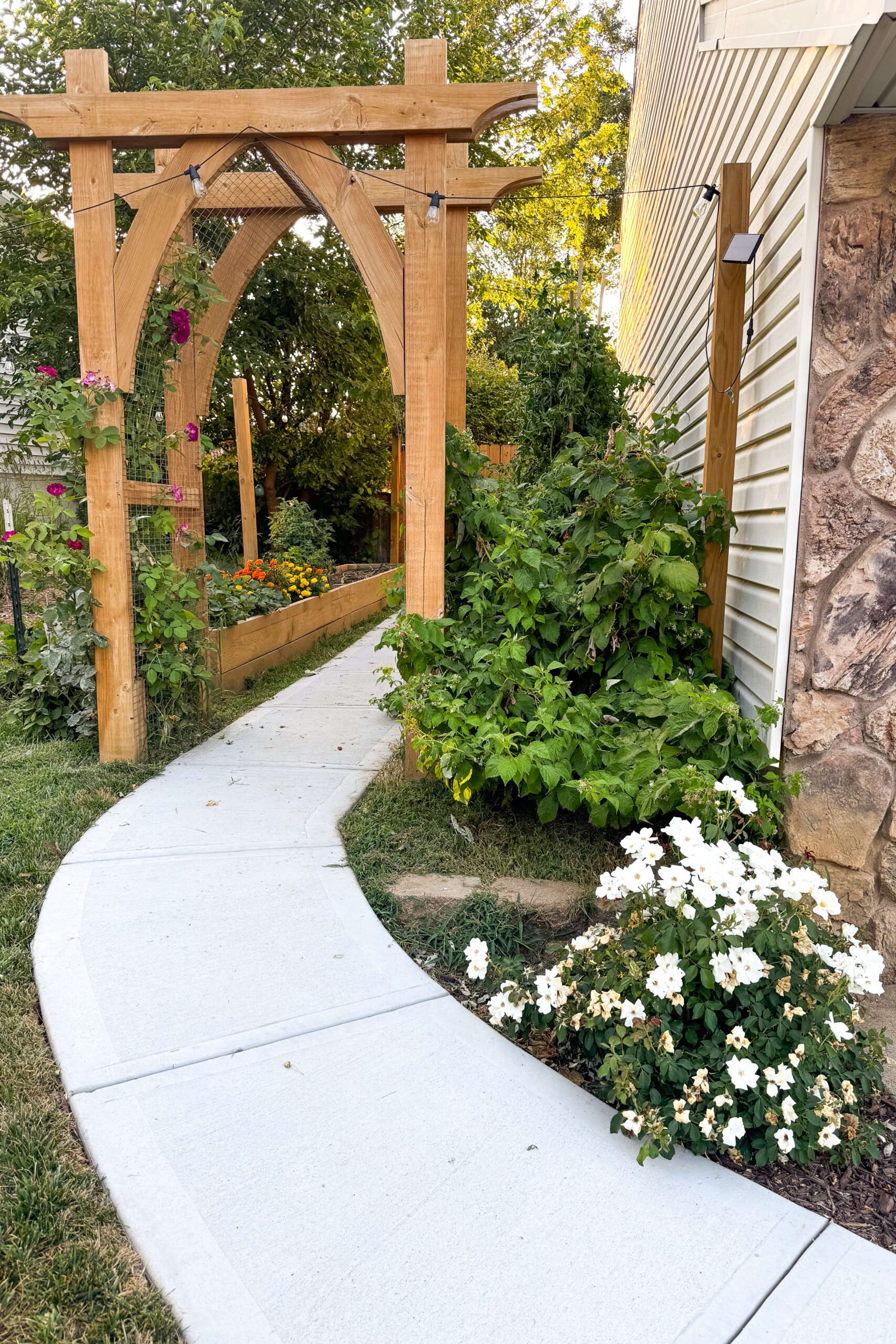
Hardscape elements add structure and functionality to your garden. These include pathways, patios, walls, and even water features. They provide contrast to the softness of plants and define different areas within the garden. Materials matter—stone, wood, and metal each bring a unique aesthetic. Have you ever noticed how a well-placed bench or a small pond can transform a garden into a peaceful retreat? Consider how these features will age and integrate with the natural elements over time.
Credit: crystelmontenegrohome.com
Creating Harmony With Nature
Crafting a garden involves mindful design choices that harmonize with nature. Thoughtful plant selection and layout enhance its natural beauty, offering a serene retreat for relaxation and contemplation.
Creating harmony with nature in your garden is not just about aesthetics; it’s a thoughtful approach that benefits both the environment and your well-being. Imagine stepping outside into a space that flows seamlessly with the natural world, where every plant, stone, and tree serves a purpose beyond its visual appeal. This balance can transform your garden into a sanctuary that mirrors the beauty and resilience of nature. How can you achieve this harmony?
Using Native Plants
Native plants are a cornerstone of a harmonious garden. They are adapted to your local climate, soil, and wildlife, making them resilient and low-maintenance. When you plant natives, you support local ecosystems and provide food and shelter for local wildlife. Consider adding plants that have naturally thrived in your area for centuries. Their deep roots help retain soil moisture and prevent erosion, which is especially beneficial in areas prone to drought. Take a walk in nearby parks or nature reserves to observe which plants flourish there. This can give you insights into what might work best in your garden.
Sustainable Practices
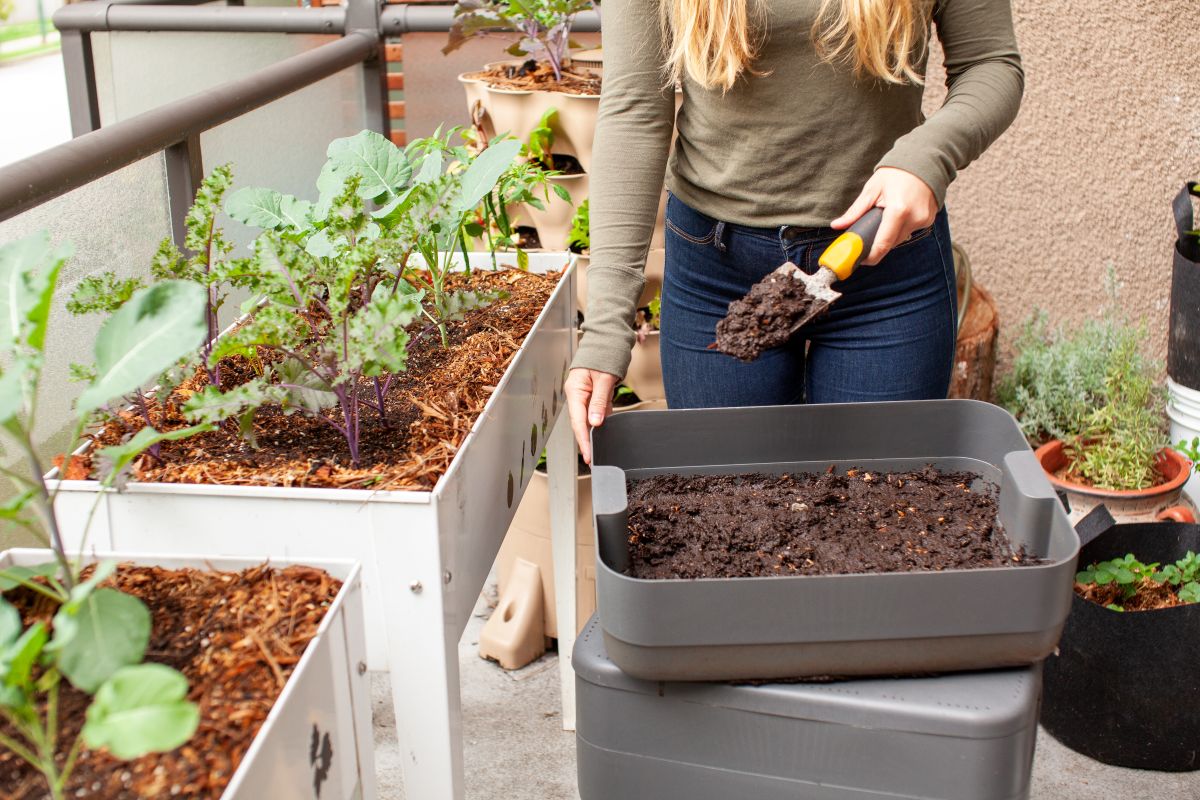
Sustainability in garden design goes beyond planting. It involves thoughtful use of resources to minimize environmental impact. For instance, collecting rainwater can reduce your reliance on municipal water supplies. Composting is another sustainable practice that enriches soil and reduces waste. By composting kitchen scraps and garden waste, you create nutrient-rich soil that enhances plant growth. Think about how you can reuse materials in your garden. Old bricks or stones can become charming pathways or borders, reducing the need to purchase new materials. Creating a garden that harmonizes with nature is not just about planting; it’s about cultivating a mindset that respects and nurtures the environment. What changes can you make today to start this transformation?
Incorporating Personal Style
Incorporating personal style in garden design involves blending unique tastes with natural elements. Every choice, from plant types to layout, reflects individual creativity. This thoughtful approach transforms a garden into a personal sanctuary.
Incorporating personal style into garden design turns a space into a sanctuary. It’s about reflecting your personality and preferences. This approach makes each garden unique and meaningful. By carefully choosing elements, your garden becomes a reflection of who you are. Let’s explore two essential aspects of infusing personal style: color schemes and decorative accents.
Color Schemes
Color choices impact the mood of your garden. Bright colors energize and uplift. Soft pastels soothe and calm. Consider the feeling you want to evoke. Do you love vibrant reds and oranges? Or do blues and greens appeal to you more? Choose colors that resonate with your personal taste. You can create harmony by using complementary shades. Or, use contrasting colors for a bold statement. Understanding color theory helps in making informed choices. Plant selection plays a crucial role. Flowers, foliage, and even pots add color to your garden. Consistency in color enhances the visual appeal.
Decorative Accents
Decorative accents add character and charm. They are the finishing touches that express individuality. Statues, fountains, and garden art introduce personality. They can be whimsical or elegant, depending on your style. Garden furniture and pathways also contribute to the overall look. Choose materials that complement the theme of your garden. Whether it’s rustic wood or sleek metal, materials matter. Lighting is another key element. It highlights features and creates ambiance after dark. Solar lights or lanterns can add a magical touch. These accents transform a simple garden into a personal retreat.
Balancing Function And Aesthetics
Creating a garden involves blending beauty with practicality. Thoughtful design considers plant choices, space use, and visual appeal. A well-planned garden provides a peaceful retreat while serving functional needs.
Balancing function and aesthetics in garden design creates harmony. It involves thoughtful planning to ensure beauty and usefulness. A well-designed garden serves multiple purposes. It should be a place of relaxation, entertainment, and practical use.
Practical Pathways
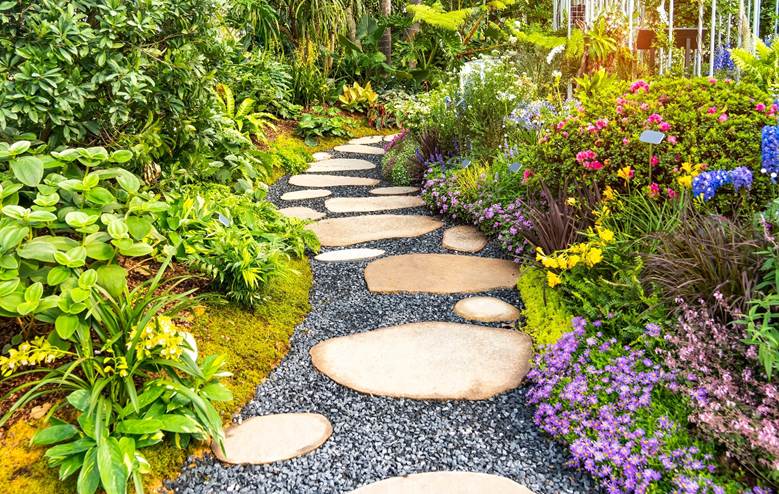
Pathways guide movement through the garden. They should be functional and visually appealing. Consider materials like stone or gravel. These provide durability and complement the garden’s look. Paths should be wide enough for easy walking. Curved paths add interest and soften the design.
Seating And Gathering Areas
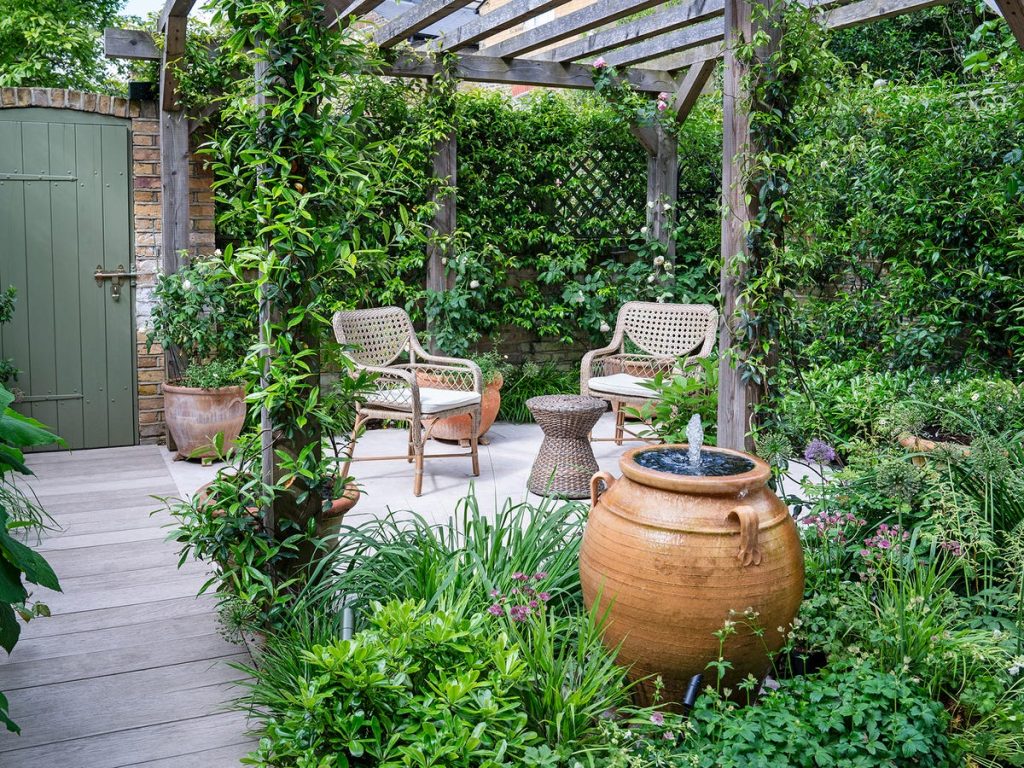
Seating areas enhance the garden’s functionality. They offer spaces for rest and socializing. Choose locations with shade and pleasant views. Use benches or chairs that blend with the garden style. Create gathering spots for family and friends. Add tables for dining or playing games. Use plants to create privacy and a cozy atmosphere.
Seasonal Considerations
Seasonal considerations shape the beauty and functionality of a garden. Each season offers unique opportunities and challenges. Understanding these can enhance your garden’s allure and health.
Year-round Interest
Plan for year-round interest to keep your garden vibrant. Choose plants that shine in different seasons. Spring blooms can bring early color. Summer perennials offer lasting beauty. In fall, foliage creates a warm palette. Winter can highlight evergreens and structures. Mix textures and colors for variety. This ensures your garden remains engaging all year.
Seasonal Maintenance
Every season requires specific maintenance tasks. In spring, focus on cleaning and planting. Summer demands regular watering and weeding. Fall is time to prune and prepare for winter. Winter involves protecting plants from harsh weather. Create a calendar to track these tasks. This keeps your garden healthy and thriving.
Credit: oasislandscape.com
Enhancing With Water Features
Enhancing with water features can transform a garden into a serene oasis. Fountains or ponds add soothing sounds and visual appeal. Thoughtful placement of these elements complements the overall garden design, creating harmony and relaxation.
Enhancing with water features can transform your garden into a serene oasis. The gentle sound of water brings a sense of tranquility, providing a peaceful escape from the hustle and bustle of daily life. Whether you have a sprawling backyard or a compact balcony, integrating water features can elevate the aesthetic and sensory appeal of your outdoor space.
Ponds And Fountains
Ponds and fountains are timeless additions that can redefine your garden’s ambiance. A pond, even a small one, invites nature to your doorstep by attracting birds, frogs, and other wildlife. Imagine sitting by your pond, watching the gentle ripples and listening to the soft croaking of frogs. Fountains, on the other hand, add a touch of elegance. They serve as a dynamic focal point, capturing attention with their movement and sound. Whether you opt for a classic tiered fountain or a modern minimalist design, ensure it complements your garden’s style.
Irrigation Systems
A well-designed irrigation system is crucial for maintaining the health and beauty of your garden. By automating watering, you save time and ensure your plants receive consistent moisture. This is especially beneficial during dry spells or if you’re away from home. Consider a drip irrigation system, which delivers water directly to the roots, minimizing waste. Advanced systems can even be controlled via smartphone apps, allowing you to adjust watering schedules with ease. Are you ready to take control of your garden’s hydration and boost its vitality?
Lighting For Ambiance
Lighting plays a vital role in creating ambiance in garden design. Thoughtfully placed lights enhance the beauty and mood of outdoor spaces. A well-lit garden invites relaxation and enjoyment, transforming the area into an enchanting retreat.
Lighting can transform your garden into a magical retreat, adding depth and charm to the landscape. Thoughtfully placed lights create ambiance, highlighting the natural beauty and architecture of your outdoor space. They also enhance safety and functionality, making evening strolls and gatherings more enjoyable. By considering the elements of lighting for ambiance, you can curate a garden that feels inviting and enchanting.
Pathway Lighting
Pathway lighting is essential for guiding you through your garden safely while adding an element of intrigue. Strategically placed lights along walkways invite exploration and ensure safety, illuminating each step with gentle brightness. Solar-powered stake lights offer an eco-friendly option, while low-voltage lights provide a steady glow. Consider the height and spacing to maintain a balance between visibility and aesthetics. Experiment with different fixtures like lanterns or LED strips to find what best suits your garden’s personality.
Accent And Mood Lights
Accent and mood lights can highlight specific features like sculptures, water elements, or unique plants. These lights draw attention to the garden’s focal points, creating a dynamic visual experience. Dimmable LEDs allow you to adjust brightness, setting the mood for different occasions—from lively dinners to quiet evenings. Consider using colored lights to evoke emotions or seasonal vibes, such as warm amber for autumn or cool blue for summer. When selecting accent lights, ask yourself: What do you want to emphasize? What mood do you aim to create? Your answers will guide your lighting choices, ensuring your garden feels like an extension of your home.
Credit: homesandinteriorsscotland.com
Frequently Asked Questions
What Is Garden Design?
Garden design involves planning and creating outdoor spaces. It considers aesthetics, functionality, and sustainability. Key elements include plant selection, layout, and hardscape features. A well-designed garden enhances your environment and provides a space for relaxation and enjoyment.
How Do I Start Garden Planning?
Start garden planning by assessing your space and setting goals. Consider sunlight, soil, and climate conditions. Decide on the purpose, whether it’s for relaxation, growing food, or aesthetics. Sketch a layout and choose plants and materials that suit your design preferences.
What Are Essential Elements Of Garden Design?
Essential elements include layout, plant selection, and hardscape features. Layout determines the flow and structure. Plant selection depends on climate and aesthetics. Hardscape features like pathways, water elements, and seating areas enhance functionality and beauty, creating a balanced and inviting garden space.
Why Is Plant Selection Important?
Plant selection impacts garden aesthetics and health. Choosing appropriate plants for your climate ensures they thrive. Consider color, texture, and growth habits for visual appeal. Right selection minimizes maintenance and supports biodiversity, making the garden sustainable and enjoyable year-round.
Conclusion
Creating a garden requires thought and planning. Start with a vision. Consider space, light, and your personal style. Choose plants that thrive in your climate. Arrange them creatively for beauty and function. Paths and seating add charm and utility. Water features can enhance tranquility.
Regular care keeps your garden flourishing. Your garden reflects you. So, design it with care. Enjoy the process and the result. A garden grows with love. It becomes a haven. A place to relax and connect with nature. Design your garden thoughtfully, and it will reward you for years.