
Have you ever thought about the potential of newsprint paper in your organic garden? This might sound like an unusual idea, but using newsprint paper could be a game-changer for you.
Imagine transforming your old newspapers into a valuable resource that nourishes your plants and enhances your garden’s sustainability. You might be wondering how something so simple can make a significant impact. As you delve deeper into the benefits and practical applications of newsprint paper in gardening, you’ll discover surprising advantages that could revolutionize your approach to organic gardening.
Get ready to explore this innovative method that not only helps the environment but also elevates your gardening experience. Keep reading to find out how newsprint paper can become your secret weapon in cultivating a thriving organic garden.
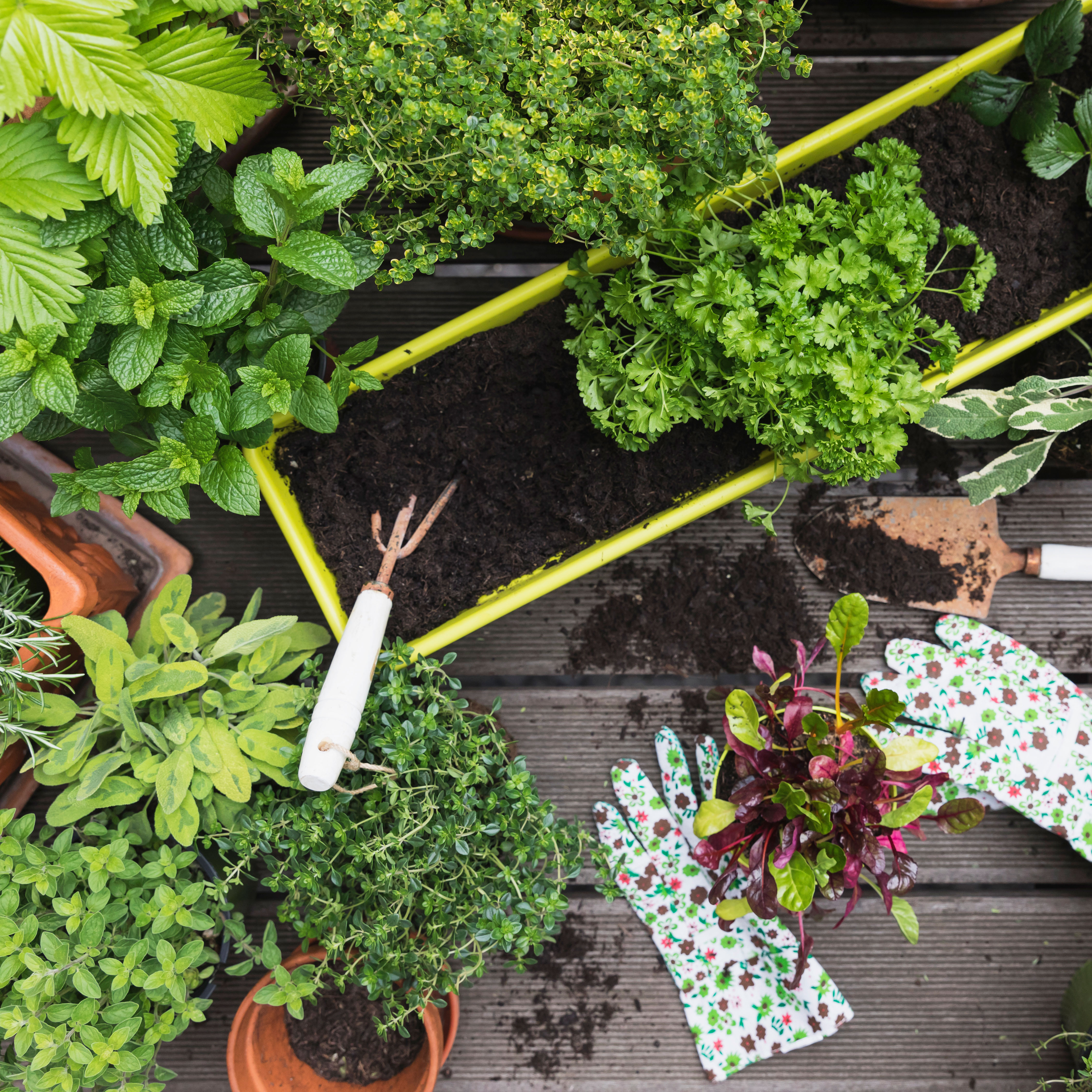
Credit: www.gardeningknowhow.com
Benefits Of Using Newsprint Paper In Gardens
Newsprint paper enriches organic gardens by improving soil quality and retaining moisture. It breaks down easily, adding nutrients to the soil. Ideal for mulching, it suppresses weeds naturally, promoting healthier plant growth.
Using newsprint paper in your garden might sound unusual, but it offers a range of surprising benefits that can enhance your organic gardening efforts. This eco-friendly practice not only helps in recycling but also aids in creating a healthier garden environment. Let’s delve into how newsprint paper can be a game-changer for your garden.
Weed Control
Tired of pesky weeds invading your garden? Newsprint paper can be your ally. By laying down sheets of newsprint paper around your plants, you create a barrier that suppresses weed growth. The paper blocks sunlight, preventing weeds from sprouting. This method reduces the need for chemical weed killers, making your garden more organic and safe for beneficial insects.
Soil Moisture Retention
Keeping your garden soil moist can be a challenge, especially during hot months. Newsprint paper acts as an effective mulch, retaining soil moisture by reducing evaporation. Lay the paper around your plants and cover it with a thin layer of soil or compost. This not only conserves water but also ensures your plants receive consistent hydration, promoting healthier growth.
Soil Enrichment
Over time, newsprint paper breaks down and enriches the soil. As it decomposes, it adds organic matter to your garden, improving soil structure and fertility. Have you ever wondered if your soil could be more nutrient-rich? Using newsprint paper is an inexpensive way to enhance soil quality naturally, providing essential nutrients for your plants. Give newsprint paper a try in your garden and experience these benefits firsthand. How might this simple addition transform your gardening experience?

Credit: www.thecelticfarm.com
Newsprint Paper As Mulch
Using newsprint paper as mulch in your organic garden is an innovative and eco-friendly approach. Not only does it recycle old newspapers, but it also helps suppress weeds, retain moisture, and add organic matter to the soil as it decomposes. Let’s explore how you can effectively use newsprint paper as mulch and what factors to consider for best results.
Application Techniques
Start by shredding the newsprint into strips or small pieces. This increases the surface area, speeding up decomposition and making it easier to spread. You can lay it directly on the soil or beneath a layer of organic mulch like straw or wood chips. Wetting the paper before application helps it stay in place and adhere to the soil better.
Consider using newsprint in areas prone to weed growth, such as between rows of vegetables. This creates a barrier that blocks sunlight and reduces weed germination. Remember, it’s all about making the mulch work for you, so tailor your approach to your garden’s specific needs.
Layer Thickness Considerations
Thickness matters. A layer that’s too thin might not effectively suppress weeds, while a layer that’s too thick can block air circulation and water penetration. Aim for a thickness of about 1-2 inches. This balance ensures the mulch performs its role without hindering the growth of your plants.
Adjust the thickness based on the season. In warmer months, a thicker layer can help retain moisture and keep roots cool, whereas in cooler months, a thinner layer prevents excessive moisture retention that might lead to root rot.
Biodegradability Aspects
Newsprint paper is biodegradable, making it a great choice for organic gardens. As it breaks down, it adds organic matter to the soil, improving its structure and fertility. Unlike synthetic mulches, you don’t need to remove it after use—nature takes care of the process.
Think about the environmental impact of your gardening practices. By using biodegradable materials like newsprint paper, you’re contributing to a sustainable ecosystem. How often do you consider the long-term effects of your gardening choices?
Environmental Impact
Using newsprint paper in organic gardening raises questions about its environmental impact. Understanding its benefits can guide eco-friendly gardening practices. Newsprint offers a way to recycle and reduce waste.
Recycling And Reuse
Newsprint paper consists of biodegradable materials. It breaks down naturally in the soil. This contributes to recycling efforts. Using it in gardens prevents it from ending up in landfills. It transforms waste into a resource. Gardeners can layer newsprint to suppress weeds. This method reduces the need for chemical herbicides. Such practices promote a healthier ecosystem.
Reduction Of Waste
Every garden using newsprint helps reduce paper waste. It diverts waste from overflowing landfills. This reduction is crucial for minimizing environmental damage. Newsprint serves as a practical solution. By using it, gardeners make a positive environmental choice. The paper decomposes, feeding organic matter back to the earth. This cycle supports sustainable gardening.
Sustainability Factors
Newsprint is often printed with soy-based inks. These inks are less toxic than petroleum-based options. This makes newsprint safer for soil and plant life. Its use aligns with sustainable gardening principles. With its natural composition, newsprint enriches the soil. It provides a sustainable, low-cost option for gardeners. These factors make it an appealing choice for eco-conscious individuals. The cycle of using and decomposing newsprint supports a healthier planet.
Safety Concerns
When considering the use of newsprint paper in your organic garden, safety concerns are paramount. While newspapers seem like a practical choice for mulching or composting, it’s crucial to understand their impact on soil health and garden ecosystems. Let’s delve into some specific safety issues associated with newsprint paper.
Ink Toxicity
One of the primary concerns is ink toxicity. Modern newspapers use soy-based inks which are generally considered safe. However, older prints may contain harmful chemicals such as heavy metals. It’s important to verify the type of ink before using newspapers to ensure you’re not introducing toxins into your garden.
Paper Decomposition
Newsprint paper decomposes relatively quickly, making it a popular choice for gardeners looking to enhance soil structure. However, if not shredded properly, it can create a mat-like barrier that restricts water flow and oxygen penetration. Ensure that the paper is torn into small pieces to facilitate effective decomposition.
Impact On Beneficial Insects
Consider how newsprint paper might affect beneficial insects in your garden. While it can offer shelter to certain insects, it may also deter others by creating physical barriers. Observing your garden’s insect activity can help you decide if using newsprint paper is beneficial or detrimental to your garden’s biodiversity.
Have you ever noticed changes in your garden’s insect population after introducing newsprint paper? Such observations can guide you in making informed decisions about its use.
Alternatives To Newsprint Paper
Newsprint paper is popular in organic gardening for mulching and weed control. But it’s not the only option. Many gardeners seek alternatives to avoid ink chemicals. Let’s explore some eco-friendly choices.
Cardboard
Cardboard is a great alternative for mulching. It suppresses weeds and retains soil moisture. Use plain, non-coated cardboard without glossy prints. Break it down into manageable pieces. Lay it flat over your garden beds. Cover it with a layer of soil or mulch to weigh it down. Cardboard decomposes slowly, enriching the soil over time.
Grass Clippings
Grass clippings are readily available and sustainable. They act as a natural mulch, conserving moisture and adding nutrients. Spread a thin layer over your garden beds. Avoid thick layers to prevent matting. Fresh clippings can be slightly acidic. Let them dry for a day if necessary. They decompose quickly, enriching the soil with nitrogen.
Wood Chips
Wood chips are another excellent choice for organic gardens. They provide long-lasting mulch that regulates soil temperature. Spread them evenly around plants and trees. Wood chips break down slowly, improving soil structure. They help in reducing weed growth effectively. Choose untreated wood chips to keep your garden chemical-free.
Practical Tips For Gardeners
Is Newsprint Paper Good for Organic Garden Newsprint paper can be a useful addition to organic gardens. It helps suppress weeds and retains soil moisture. Ensure it’s free from colored inks to avoid chemicals in the soil.
When you think about sustainable gardening, newsprint paper often doesn’t come to mind first. Yet, it has the potential to be a valuable asset in your organic garden. With some practical tips, you can effectively integrate newsprint into your gardening routine, ensuring it benefits your plants and the environment.
Preparation And Application
Begin by ensuring your newsprint is free from glossy pages or colored inks, which can contain harmful chemicals. Shred the paper into small strips or pieces. This helps it decompose faster and mix well with the soil. Lay it down as mulch, around the base of your plants, to retain moisture and suppress weeds.
Combining With Other Organic Materials
Pair newsprint with compost or straw for enhanced nutrient absorption and improved soil structure. Consider mixing it with grass clippings for a balanced nitrogen-carbon ratio. Experiment with layering newsprint between other organic materials to create a nutrient-rich environment.
Monitoring And Maintenance
Keep an eye on the moisture levels in your garden. Newsprint can increase water retention, but too much can lead to root rot. Regularly check for pests; some might find shelter in the layers of paper. Don’t forget to replace the newsprint mulch periodically as it breaks down. Have you ever thought about the impact of your gardening choices on the environment? By integrating newsprint, you are not only recycling but also nurturing your garden sustainably. How will you start using newsprint in your gardening routine today?
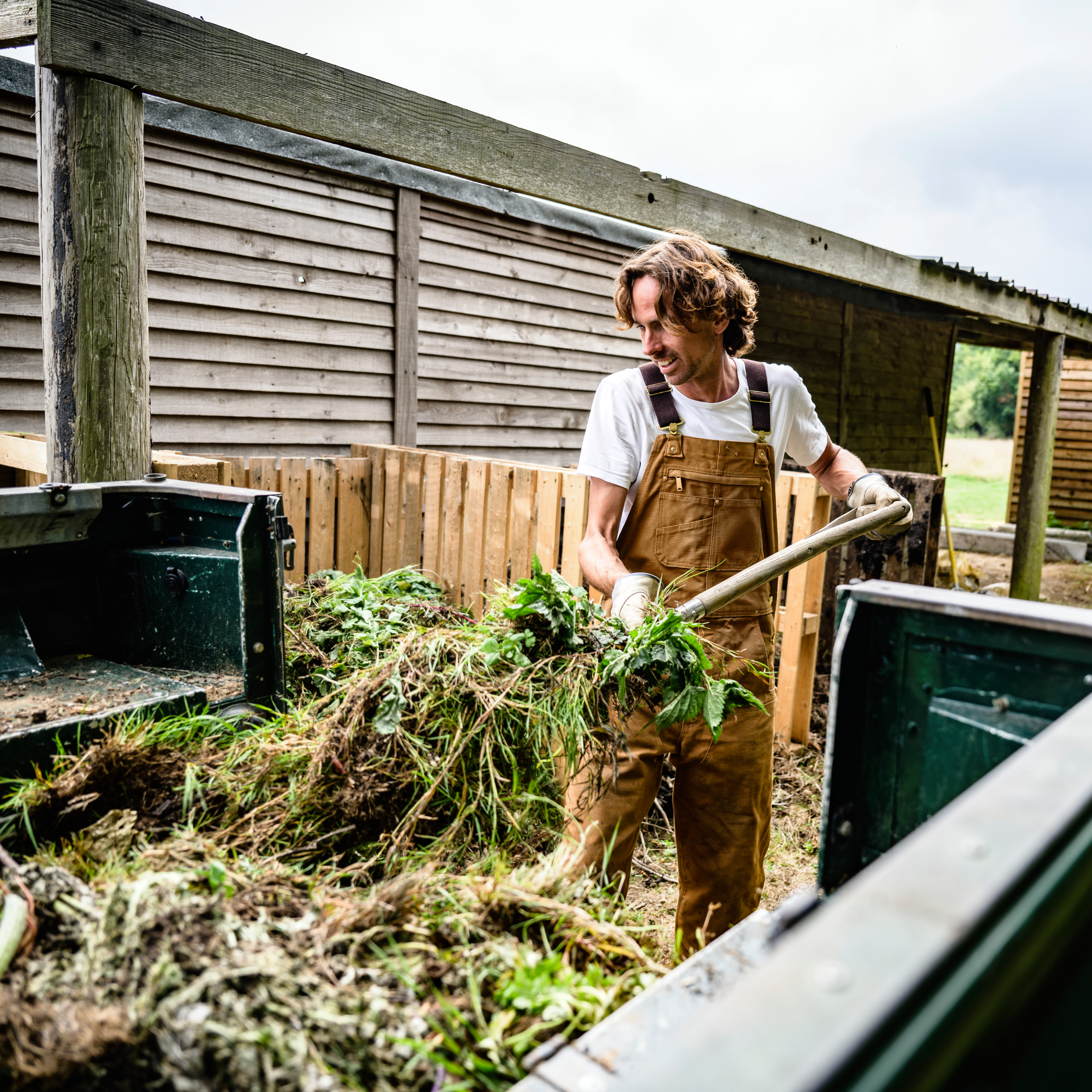
Credit: www.gardeningknowhow.com
Frequently Asked Questions
Is Newsprint Paper Safe For Gardens?
Yes, newsprint paper is generally safe for gardens. It breaks down naturally and enriches the soil. Ensure the ink is soy-based, which is non-toxic. Avoid glossy papers as they may contain harmful chemicals.
Can Newsprint Paper Help Control Weeds?
Yes, newsprint paper can help control weeds effectively. Layering it under mulch blocks sunlight, preventing weed growth. It also retains soil moisture and adds organic matter as it decomposes, promoting healthier plants.
Does Newsprint Paper Improve Soil Quality?
Yes, newsprint paper improves soil quality by adding organic matter. As it decomposes, it enhances soil structure and increases nutrient content. This process supports beneficial microorganisms, contributing to a healthier garden ecosystem.
How To Use Newsprint Paper In Composting?
Shred newsprint paper before adding it to compost. It provides carbon, balancing nitrogen-rich materials like kitchen scraps. Ensure a mix of green and brown materials for efficient composting. Turn the pile regularly to speed up decomposition.
Conclusion
Newsprint paper offers benefits for organic gardens. It enriches soil and retains moisture. You can use it to suppress weeds naturally. It is affordable and easy to find. Be sure to avoid glossy or colored paper. These might contain harmful inks or chemicals.
Always check for toxicity before using paper. Gardens thrive with proper care and attention. Organic methods like using newsprint paper support healthy growth. Many gardeners find success with this approach. Experiment to see what works best for your garden. This sustainable method might be a good fit for your green space.







