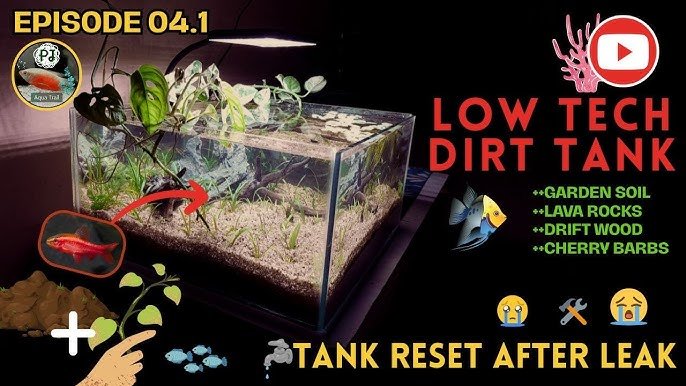
Have you ever considered using garden soil for your aquarium plants? It might seem like a simple solution, but there’s more to the story than meets the eye.
As you dive into the world of aquascaping, choosing the right soil can be a game-changer for your aquatic environment. The wrong choice could lead to murky waters or struggling plants, leaving you frustrated and your aquarium far from its vibrant potential.
Imagine having an aquarium where your plants thrive, showcasing lush greens and vibrant colors that captivate anyone who sees it. The secret lies beneath the surface, quite literally. Before you make any decisions, it’s crucial to understand how garden soil behaves underwater and whether it can truly support the unique needs of your aquatic plants. You might be surprised by what you learn, and it could save you from making common mistakes that many aquarists face. You’ll uncover the truth about using garden soil in aquariums, exploring both the risks and rewards. By the end, you’ll be equipped with the knowledge to make informed decisions that ensure your underwater garden flourishes. Get ready to transform your aquarium into a thriving ecosystem that not only pleases the eye but also brings you immense satisfaction. Dive deeper to discover the secrets of successful aquascaping!
Garden Soil Basics
Garden soil is not ideal for aquarium plants due to its composition. It may contain harmful bacteria and chemicals, affecting water quality. Specialized substrate designed for aquariums provides necessary nutrients and supports plant growth without compromising water safety.
Garden soil is a common choice for growing plants outdoors. But can it be used for aquarium plants? Understanding garden soil basics is essential. It helps determine its suitability for aquatic environments.What Is Garden Soil?
Garden soil is natural dirt found in gardens. It contains organic matter, minerals, and nutrients. It helps plants grow strong and healthy. It varies in texture and composition. Different types include sandy, clay, and loamy soils.Components Of Garden Soil
Garden soil has several components. These are vital for plant growth. Organic matter is a key component. It includes decomposed plants and animals. Minerals like nitrogen, phosphorus, and potassium are also present. These provide essential nutrients for plants.Garden Soil Texture
Texture affects how soil holds water and nutrients. Sandy soil drains quickly. It doesn’t hold water well. Clay soil retains water but can become compacted. Loamy soil is ideal. It balances drainage and nutrient retention.Microorganisms In Garden Soil
Garden soil hosts various microorganisms. These include bacteria, fungi, and worms. They break down organic matter. This process releases nutrients for plants. Microorganisms improve soil health. They enhance plant growth and resilience.Ph Levels In Garden Soil
Soil pH affects nutrient availability. It ranges from acidic to alkaline. Most plants prefer neutral pH levels. Garden soil pH varies by region. Testing pH is important before using soil in aquariums. It ensures compatibility with aquatic plants.
Credit: m.youtube.com
Aquarium Plant Requirements
Garden soil isn’t ideal for aquarium plants. It can cloud water and harm aquatic life. Choose specialized aquatic soil for healthier, thriving plants.
Aquarium plants have specific needs that differ from terrestrial plants. Understanding these requirements is crucial for maintaining a healthy aquatic environment. While garden soil might seem like a convenient option, it might not meet the necessary conditions for aquarium plants.Light Requirements
Aquarium plants need specific light levels for photosynthesis. Unlike garden plants, they often thrive under controlled artificial lighting. Proper lighting supports plant growth and overall health.Nutrient Needs
Aquarium plants absorb nutrients differently than garden plants. They require balanced nutrients available in the water. Specialized aquarium substrates provide essential nutrients without overwhelming the ecosystem.Water Parameters
Water conditions in aquariums must be stable for plant health. Plants need specific pH levels and mineral content to flourish. Garden soil can alter these conditions, potentially harming aquatic life.Oxygen And Carbon Dioxide
Plants in aquariums utilize dissolved gases for growth. They need adequate oxygen and carbon dioxide levels to perform photosynthesis. Garden soil may not support these gas exchanges effectively.Compatibility With Aquatic Life
Aquarium plants coexist with fish and other organisms. Their requirements must align with the needs of the entire ecosystem. Using garden soil can disrupt this balance, affecting plant and animal health. Understanding these needs ensures that aquarium plants thrive in their underwater world.Differences Between Garden And Aquarium Soil
Garden soil and aquarium soil differ in composition and purpose. Garden soil can contain harmful elements for aquarium plants. Specialized aquarium soil supports aquatic plant growth and maintains water quality.
Differences Between Garden and Aquarium Soil Understanding the differences between garden and aquarium soil is vital for plant health. Each type of soil serves a unique purpose and caters to different environments.Garden Soil Composition
Garden soil contains organic matter, minerals, and living organisms. It supports plant growth in outdoor settings. It may include clay, sand, and silt. These components provide nutrients and structure. Garden soil is rich in microorganisms that decompose organic matter. This process releases nutrients for plants.Aquarium Soil Composition
Aquarium soil is designed for underwater use. It often contains clay-based substrates. These substrates support aquatic plant growth. They are low in organic matter. This prevents water cloudiness and pollution. Aquarium soil offers essential minerals for aquatic plants. It helps maintain water pH and hardness levels.Moisture Retention
Garden soil retains moisture for longer periods. It is exposed to air and sunlight. This helps keep plants hydrated. Aquarium soil, on the other hand, stays submerged. It maintains a consistent moisture level. This is crucial for aquatic plant survival.Nutrient Delivery
Garden soil delivers nutrients through decomposition. Microorganisms break down organic matter. This process releases nutrients slowly. Aquarium soil provides nutrients directly. It often contains slow-release fertilizers. These fertilizers dissolve in water, feeding plants efficiently.Ph Levels
Garden soil can have varying pH levels. These levels depend on its components. pH affects nutrient availability. Aquarium soil usually has a neutral pH. It helps maintain stable water conditions. This stability is essential for aquatic life.Water Drainage
Garden soil offers good drainage. Excess water seeps through quickly. This prevents root rot. Aquarium soil does not need drainage. It stays submerged. This suits aquatic plant roots perfectly. Understanding these differences ensures the right choice for your plants. Each type of soil offers unique benefits. Choose wisely for a healthy plant environment.Potential Risks Of Using Garden Soil
Using garden soil for aquarium plants might seem simple, but it carries risks. Garden soil can disrupt the delicate balance of an aquatic environment. Before choosing this route, understanding potential pitfalls is crucial. Let’s explore these risks in detail.
Water Quality Concerns
Garden soil contains organic matter that can cloud aquarium water. This murkiness affects visibility and reduces the aesthetic appeal. Suspended particles may clog filters, leading to frequent maintenance. Decomposing material in garden soil can produce ammonia and nitrates. These compounds harm fish and other aquatic life. Poor water quality can stress plants, hindering growth and vitality.
Nutrient Imbalance
Garden soil has varying nutrient levels. This inconsistency can cause an imbalance in the aquarium. Too much nitrogen can promote algae growth. Algae compete with plants for light and nutrients. Phosphorus levels may also fluctuate, affecting plant health. Balanced nutrients are vital for thriving aquarium plants. Garden soil often lacks essential trace elements needed for aquatic plants.
Pest And Disease Introduction
Garden soil may harbor pests and diseases. These unwanted organisms can invade the aquarium. Bugs and pathogens can damage plant leaves and roots. Infestations require immediate attention to prevent spread. Treating diseases and pests can be challenging in water environments. Using untreated garden soil increases the risk of introducing these problems.
Preparing Garden Soil For Aquariums
Garden soil can be used for aquarium plants but needs careful preparation. Removing contaminants and ensuring proper nutrients is essential for plant health.
Preparing garden soil for use in an aquarium can be an exciting venture. However, it requires careful attention to detail to ensure a safe and thriving aquatic environment. Garden soil is rich in nutrients but can also harbor unwanted elements that may harm your aquarium.Sterilization Methods
Sterilizing garden soil is crucial to eliminate pests and pathogens. One effective method is baking the soil in the oven. Spread the soil on a baking sheet, and heat it at 180°F for about 30 minutes. Microwave sterilization is another option. Place the soil in a microwave-safe container, add a little water, and heat it on high for about five minutes. Make sure to cover it with a lid to retain moisture.Nutrient Enrichment
While garden soil is naturally nutrient-rich, it might not have everything your aquatic plants need. Consider adding beneficial supplements like iron and potassium. These nutrients support robust plant growth and vibrant colors. Mixing in clay can help retain nutrients and enhance root anchorage. It’s a small addition but can significantly boost plant health.Ph Adjustment
Aquatic plants thrive in a specific pH range, often between 6.5 and 7.5. Test your garden soil’s pH using a simple kit. If it’s too high, peat moss can help lower it naturally. For raising pH, consider adding crushed coral or limestone. Remember, gradual adjustments are safer for aquatic life than sudden shifts.Have you ever thought about how the soil you use might affect your fish? Balancing the needs of both plants and fish is essential. Each adjustment you make contributes to a harmonious underwater garden.

Credit: www.youtube.com
Alternatives To Garden Soil
Garden soil might seem like a good choice for aquarium plants. It contains nutrients and organic matter. But it can create problems in an aquarium. It may cloud the water or harm fish. Luckily, there are better options. These alternatives provide a stable environment for plants and fish.
Commercial Aquarium Substrates
Commercial aquarium substrates are a popular choice. They are specially made for aquariums. These substrates ensure plant growth and water safety. Options include gravel, sand, and specialized plant substrates.
- Gravel:Gravel is easy to clean and comes in different sizes. It allows water flow and root growth.
- Sand:Sand is suitable for certain plant species. It provides a smooth base and is gentle on fish.
- Plant Substrates:These are packed with nutrients. They support healthy root development and plant growth.
Each type offers specific benefits. Choose based on your plant needs and aquarium setup.
Diy Substrate Blends
For those who prefer a personal touch, DIY substrate blends are an option. Creating your own blend allows customization. You can mix different materials for the best results.
- Potting Soil:Use organic potting soil as a base. Ensure it is free of chemicals and additives.
- Clay:Add clay to increase nutrient content. It helps in nutrient absorption by plant roots.
- Gravel or Sand:Include gravel or sand for texture. This ensures proper water flow and supports plant stability.
Experiment with proportions to find the perfect mix. DIY blends can be cost-effective and tailored to your needs.
Expert Recommendations
Garden soil is not ideal for aquarium plants due to potential contaminants. Experts suggest using specialized aquarium substrates. These substrates provide essential nutrients and maintain water quality.
When considering the use of garden soil for aquarium plants, expert recommendations can help you make informed decisions. While the idea may seem appealing due to its availability and cost-effectiveness, there are crucial aspects to consider. Experts often advise careful assessment of the soil’s composition and potential impacts on your aquatic environment.Best Practices
Choose soil that is free from pesticides and chemical fertilizers. These substances can harm aquatic life and disrupt the delicate balance of your aquarium. Rinse the soil thoroughly to remove any debris or contaminants. This step helps prevent water cloudiness and potential harm to fish and plants. Consider layering the garden soil under a layer of aquarium-safe substrate. This ensures nutrients are accessible to plants while reducing the risk of soil leaching into the water.Common Mistakes To Avoid
Avoid using soil with high clay content. Clay can compact and create anaerobic conditions, which are harmful to plant roots and can lead to foul odors. Don’t ignore the pH level of your garden soil. An incorrect pH can stress or even kill your aquatic plants and fish. Refrain from adding soil directly without testing it. Soil might contain unwanted pests or seeds that can introduce unwanted plants or insects into your aquarium. Taking a cautious approach can mean the difference between a thriving aquatic environment and a problematic one. Have you considered how the soil’s composition might affect your tank’s water chemistry?
Credit: www.2hraquarist.com
Case Studies And Examples
Exploring the use of garden soil for aquarium plants often sparks curiosity. Garden soil can introduce contaminants, affecting water quality and plant health. Assessing case studies and examples can help determine its suitability for aquatic environments.
When considering whether garden soil is suitable for aquarium plants, real-world experiences offer invaluable insights. Case studies can illuminate practical outcomes and potential pitfalls. Let’s explore some specific examples and observations from aquarists who have ventured into using garden soil in their aquariums.Using Garden Soil: A Hobbyist’s Journey
One hobbyist, Alex, decided to use garden soil in his 20-gallon tank. He wanted to create a lush underwater garden on a budget. After collecting soil from his backyard, Alex baked it to eliminate pests, then layered it beneath aquarium gravel. Initially, the plants thrived, showing vibrant growth. But after a few weeks, algae blooms became a significant issue. This experience highlights the importance of balancing nutrients and maintaining water quality when using garden soil.Professional Aquascaper’s Experiment
A professional aquascaper, Lily, conducted an experiment to compare garden soil with commercial substrates. She set up two identical tanks, using garden soil in one and a popular commercial substrate in the other. Lily observed the growth of Java Ferns and Anubias over three months. The plants in the garden soil tank grew faster initially but showed signs of nutrient deficiency later. Conversely, the commercial substrate provided steady growth with fewer maintenance challenges. Her findings suggested that while garden soil can be effective, it might require more frequent nutrient supplementation.Aquarium Club’s Collective Insights
An online aquarium club conducted a survey among its members, gathering insights about using garden soil. Many members reported mixed results. Some found garden soil effective for hardy plants like Vallisneria and Amazon Swords. Others experienced issues with water cloudiness and pH fluctuations. The consensus was that garden soil might work for certain setups but requires careful monitoring and adjustments to ensure plant health and water clarity.Lessons From A Long-term Hobbyist
James, a long-term aquarium enthusiast, shared his experiences over five years of using garden soil. He emphasized the importance of testing the soil for chemicals and heavy metals before use. James successfully used garden soil in several tanks, but only after thorough preparation and layering techniques. He stressed that patience and regular water testing are crucial for long-term success. These examples demonstrate that while garden soil can be a viable option for aquarium plants, it involves a learning curve and diligent maintenance. Consider these experiences and decide if it aligns with your aquarium goals.Frequently Asked Questions
Is Garden Soil Safe For Aquariums?
Garden soil is generally not recommended for aquariums. It can contain contaminants harmful to aquatic life. Soil may introduce pests or unwanted chemicals. Using aquatic-specific substrate is safer. It ensures a balanced environment. Aquatic substrates are designed for plant growth, maintaining water quality.
Can Garden Soil Affect Water Quality?
Yes, garden soil can negatively impact water quality. It may release toxins or harmful bacteria. Soil can cloud water and alter pH levels. This can stress fish and plants. Aquatic substrates are designed to maintain stable water conditions. They help support healthy aquatic ecosystems.
Will Garden Soil Promote Plant Growth?
Garden soil isn’t ideal for promoting aquarium plant growth. It lacks the necessary nutrients for aquatic plants. Soil can compact, restricting root expansion. Aquatic substrates provide essential nutrients and proper texture. They support robust plant growth. Using substrates ensures healthy plant development and thriving aquariums.
Does Garden Soil Contain Harmful Chemicals?
Garden soil may contain harmful chemicals unsuitable for aquariums. Pesticides and fertilizers can leach into water. These chemicals pose risks to fish and plants. Choosing aquatic substrates reduces chemical exposure. Substrates are formulated to ensure safety and sustainability. They create optimal conditions for aquatic life.
Conclusion
Garden soil can work for aquarium plants, but be cautious. It’s not always suitable. Some soils contain harmful chemicals. These might hurt your fish or plants. Test the soil first. Ensure it’s free of pests and chemicals. Aquarium plants need specific nutrients.
Not all garden soils provide them. Consider the plant type. Some thrive in garden soil, others do not. Use a balanced approach. Research is key. Healthy plants need the right environment. Proper soil choice can make a difference. Always prioritize the safety of your aquatic friends.
Make informed decisions for a thriving aquarium ecosystem.







