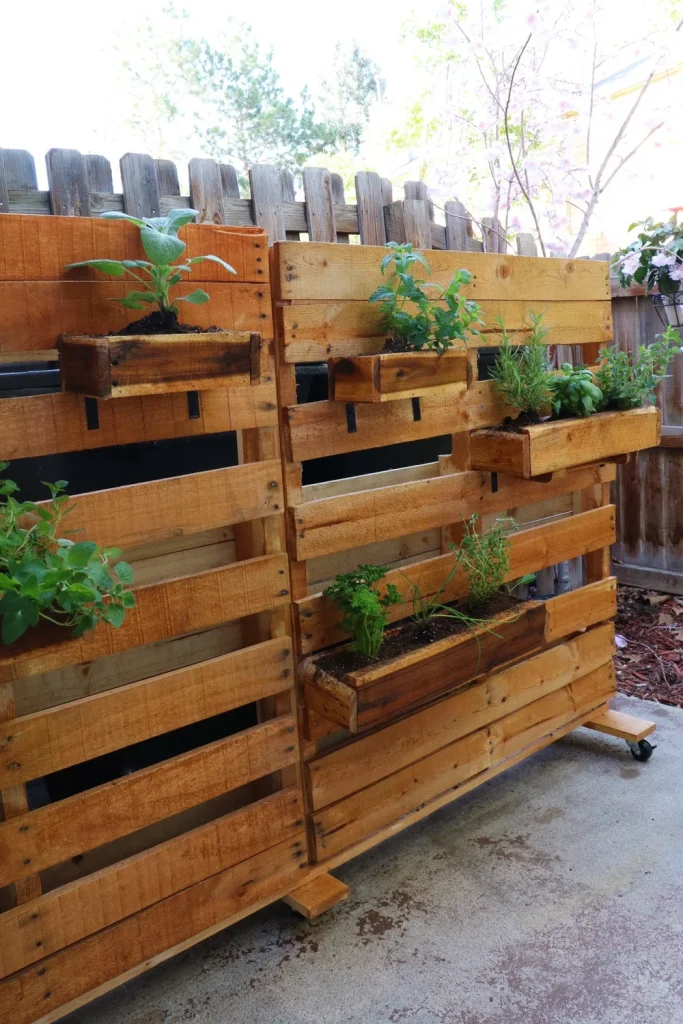
Imagine stepping into your garden and being greeted by the aromatic scent of fresh herbs. You can experience this delightful sensation every day by creating your own herb garden planter box.
Not only does it add a touch of green to your space, but it also provides you with fresh ingredients right at your fingertips. The best part? You don’t need to be a gardening expert to get started. In this guide, you’ll discover simple steps to make your very own herb garden planter box, tailored to your style and space.
Whether you have a sprawling backyard or a cozy balcony, you can transform any area into a thriving herb haven. Picture the satisfaction of harvesting your own basil, mint, or rosemary whenever you need it. Let’s unlock the secret to having a flourishing herb garden that not only elevates your cooking but also enhances your living space. Dive into this article and learn how to bring nature’s bounty closer to home. Your culinary adventures are about to get a fresh upgrade!
Choosing The Right Materials
Select durable, weather-resistant materials like cedar or redwood for your herb garden planter box. These woods resist decay and insects, ensuring longevity. For a modern touch, consider using metal or composite materials, which also offer excellent durability.
Choosing the right materials for your herb garden planter box is crucial for its longevity and appearance. The right materials will not only enhance the aesthetic appeal but also ensure the durability of your planter box. Whether you prefer the classic look of wood, the sleekness of metal, or the practicality of plastic, each material has its unique benefits and considerations.
Wood Selection
Wood is a popular choice for planter boxes due to its natural appearance and versatility. Cedar and redwood are excellent options because they are naturally resistant to rot and insects. If budget is a concern, treated pine is a more affordable alternative, although it may not last as long outdoors. When choosing wood, think about how much maintenance you’re willing to do. Do you want to paint or seal it, or do you prefer a more rustic, weathered look?
Metal And Plastic Options
Metal planters offer a modern look and are extremely durable. Materials like galvanized steel or aluminum won’t rust and can withstand harsh weather conditions. However, they can get hot in the sun, which may affect your herbs. Plastic planters are lightweight, affordable, and come in a variety of styles. They retain moisture well, which can be beneficial in hot climates. But consider their environmental impact and durability over time.
Tools Required
To build your herb garden planter box, you’ll need some basic tools. A saw, hammer, and drill are essential for cutting and assembling the materials. Measuring tape and a square will help ensure your cuts are precise. Sandpaper or a sander is useful for smoothing rough edges, especially if you’re working with wood. Have you considered whether you need any safety equipment like gloves or goggles for protection? Choosing the right materials is the foundation of a successful herb garden planter box project. Are you ready to start building with confidence?

Credit: www.sagetosilver.com
Planning The Design
Creating a herb garden planter box can be a fun project. Proper planning ensures your herbs thrive. Consider the design, size, shape, style, and drainage.
Size Considerations
Choose a size that fits your space. A small balcony requires compact boxes. Larger areas can accommodate expansive planter boxes. Consider how many herbs you want to grow. More herbs need more space. Ensure each herb has enough room to grow.
Shape And Style
The shape of your planter box affects aesthetics. Rectangular boxes are traditional and efficient. Square boxes offer a unique look. Vertical planters save space and add height. Match the planter style to your home decor. Rustic wood suits country homes. Sleek metal fits modern settings.
Drainage Needs
Proper drainage keeps herbs healthy. Water must escape to prevent root rot. Drill holes at the bottom of the planter. Elevate the box slightly for water flow. Use gravel or stones at the base. This improves drainage efficiency. Ensure the soil retains moisture without waterlogging.
Assembling The Planter Box
Gather the necessary materials, such as wood planks and screws. Assemble the planter box by connecting the sides securely. Ensure each corner is tightly joined, creating a sturdy frame for your herbs.
Assembling the planter box is a rewarding part of gardening. It brings your herb garden vision to life. With a few tools and some wood, you can create a sturdy home for your herbs. Let’s break down the steps to craft your planter box.
Cutting The Pieces
Start by gathering all your materials. You need wooden planks, a saw, and a measuring tape. Measure each piece of wood to match your desired box size. Cut the wood carefully to ensure straight edges. Ensure all pieces fit together snugly. Sand the edges to remove splinters. This makes handling safer and gives a smooth finish.
Building The Frame
Lay out the cut pieces on a flat surface. Align them to form the box shape. Use wood screws to join the corners firmly. This creates a sturdy frame for your planter. Double-check the alignment to ensure it’s square. A right-angle tool helps with precision.
Securing The Base
The base provides support for your herbs. Cut a piece of wood to fit the bottom of your frame. Place it inside the frame and secure it with screws. This holds the soil and plants in place. Drill holes in the base for drainage. This prevents water from pooling and keeps roots healthy.
Finishing Touches
Enhance your herb garden planter box with thoughtful finishing touches. Add decorative stones or paint for charm. Labels for each herb can help in easy identification and care.
Once you’ve assembled your herb garden planter box, it’s time to add those finishing touches. These details not only enhance the look of your planter but also ensure its durability and functionality. Think of this stage as adding the polish to your hard work, making sure it stands out and lasts for years.
Sanding And Smoothing
Begin by giving your planter box a thorough sanding. This step is crucial for removing any rough edges or splinters that could harm you or your plants. Use medium-grit sandpaper for the initial sanding, then switch to a finer grit for a smooth finish. Pay special attention to the corners and edges. A well-sanded surface not only looks professional but also helps prevent moisture from seeping into the wood. Can you feel the difference once it’s sanded down?
Applying A Finish
Once sanded, it’s time to apply a finish to protect the wood. Choose a finish that suits your environment—outdoor planters benefit from a weather-resistant sealant. Brush on a clear wood sealant or wood stain. Allow it to dry completely between coats, following the instructions on the product. This step will shield your planter from the elements, preserving its beauty and integrity.
Adding Decorative Elements
Now comes the fun part—decorating! Consider adding stencils for a personal touch or paint patterns that complement your garden’s theme. You might add simple embellishments like brass corners or colorful tiles. These decorative elements can transform a basic planter box into a charming focal point. Remember, your planter box is a reflection of your style. Why not make it as unique as the herbs you’ll grow in it?
Choosing The Right Herbs
Creating a herb garden planter box is a rewarding venture that not only brings fresh flavors to your kitchen but also adds a touch of greenery to your space. Choosing the right herbs is a crucial step in ensuring your garden thrives. The selection process involves considering your culinary preferences, climate conditions, and the space available. But how do you decide which herbs deserve a spot in your planter box?
Popular Herb Options
Start with herbs you frequently use in your cooking. Basil, parsley, and cilantro are favorites for many home cooks. If you love Italian dishes, consider oregano and thyme. For tea enthusiasts, mint and lemon balm are delightful choices. Remember, the best herbs for your planter box are those that you will enjoy using in your meals.
Companion Planting Tips
Some herbs grow better when planted next to certain companions. Basil and tomatoes, for example, are a classic pairing that benefits both plants. Lavender and rosemary can thrive together due to their similar sunlight and water needs. On the flip side, avoid planting mint with other herbs as it can be invasive and overpowering. Understanding these relationships can enhance your garden’s productivity.
Seasonal Considerations
Your local climate plays a significant role in herb selection. In cooler regions, hardy herbs like sage and chives can withstand lower temperatures. In warmer areas, basil and cilantro may thrive year-round. Be sure to research the best planting season for each herb to ensure a bountiful harvest. Considering the seasons can help you plan a garden that flourishes throughout the year.
Planting And Maintenance
Create a vibrant herb garden planter box by selecting a sunny spot and using well-draining soil. Regular watering and trimming keep herbs healthy and lush, ensuring your garden remains a delightful aromatic addition to your space.
Planting and maintaining a herb garden planter box can be rewarding. With the right care, your herbs will thrive. Let’s explore the essentials for planting and keeping your herbs healthy.
Soil Preparation
The right soil is crucial for healthy herbs. Use well-draining soil to prevent root rot. Mix in organic compost to enrich the soil. Compost adds nutrients and improves soil texture. Ensure the soil is loose and crumbly. This aids root growth and water absorption.
Watering Techniques
Proper watering keeps herbs healthy and lush. Water early in the morning or late afternoon. This prevents evaporation and keeps roots moist. Avoid over-watering to prevent root rot. Check soil moisture by touching it. Only water when the top inch feels dry.
Pruning And Harvesting
Regular pruning encourages growth and keeps herbs tidy. Trim herbs to prevent them from becoming leggy. Use sharp scissors for clean cuts. Harvest herbs in the morning for the best flavor. Snip leaves just above a node to promote new growth.
Positioning The Planter Box
Place the planter box in a sunny spot for optimal herb growth. Ensure it’s near a water source for easy watering. Consider accessibility for easy harvesting and maintenance.
Positioning your herb garden planter box is crucial for plant health. The right spot ensures herbs thrive, producing lush growth and vibrant flavors. Consider several factors to find the perfect location for your planter box.
Sunlight Requirements
Herbs need plenty of sunlight to grow well. Most herbs require at least 6 hours of direct sunlight daily. Choose a spot with ample morning or afternoon sun. Check your garden’s sun patterns before deciding. This will help ensure your herbs receive enough light.
Outdoor Vs. Indoor Placement
Decide whether your planter box will be outdoors or indoors. Outdoor placements offer more natural light and airflow. Indoor placements are ideal for herbs sensitive to harsh weather. Place indoor planters near sunny windows for optimal growth. Ensure easy access for watering and care.
Wind And Weather Protection
Strong winds can damage delicate herbs. Position your planter in a sheltered area if outdoors. Use windbreaks or screens to protect from harsh weather. Consider temperature changes and rainfall in your area. Ensure proper drainage to prevent waterlogging during heavy rains.

Credit: www.youtube.com
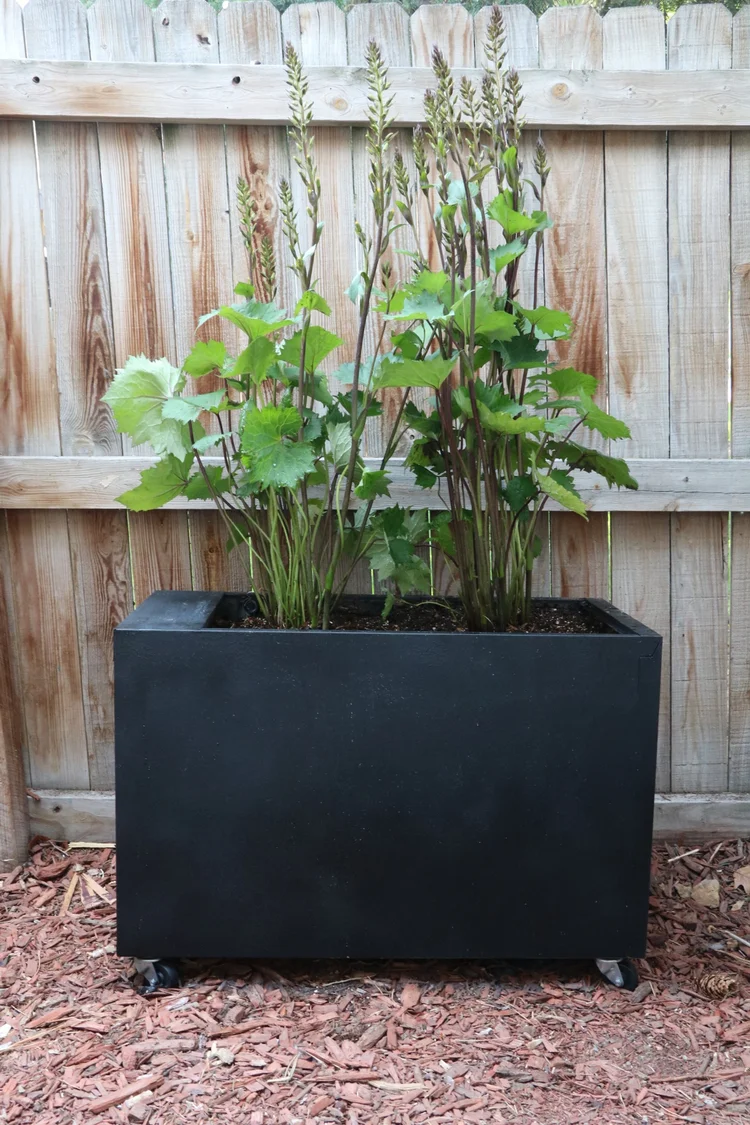
Credit: diydarlingblog.com
Frequently Asked Questions
What Materials Do I Need For A Herb Planter Box?
To make a herb garden planter box, you’ll need wood, nails, and screws. Choose cedar or pine for durability. Use a saw to cut the wood, and a hammer for assembly. Ensure you have a drill for drainage holes. Gather soil, herbs, and mulch to complete your garden.
How Do I Choose The Best Location?
Select a sunny spot with at least six hours of sunlight. Ensure the area has good drainage to prevent root rot. Consider accessibility; you’ll want easy access for watering and harvesting. Avoid areas with strong wind or heavy foot traffic to protect your herbs.
How Do I Maintain My Herb Garden?
Water your herbs regularly, but avoid overwatering. Trim leaves to encourage growth and prevent overcrowding. Fertilize with organic matter every few weeks. Monitor for pests and diseases, using organic treatments as needed. Rotate herbs seasonally for best results and improved soil health.
Can I Use Recycled Materials?
Yes, recycled materials can be used for a planter box. Old wooden pallets or crates make excellent bases. Ensure they’re free of chemicals or toxins. Repurpose plastic containers for liners. Recycled materials are eco-friendly and cost-effective, adding a unique touch to your garden.
Conclusion
Creating a herb garden planter box is simple and rewarding. You now have a cozy spot for fresh herbs. Enjoy the aroma and flavor they bring to meals. Choose the right location for your planter box. Ensure it gets enough sunlight.
Keep soil moist but not soggy. These steps help herbs thrive. You can experiment with different herbs. Basil, mint, and thyme are great choices. Feel proud of your green thumb. Happy gardening!







