
Imagine stepping into your backyard and feeling like you’ve entered a serene oasis. Designing your garden can transform any outdoor space into a personal paradise.
Whether you’re looking to create a cozy corner for relaxation or a vibrant area bursting with colors, understanding how to design your garden is key. You might wonder where to start or how to bring your vision to life. This article will guide you through simple steps and creative ideas that will inspire you to roll up your sleeves and get started.
Discover how to blend nature’s beauty with your personal style, making your garden not just a place, but an experience. Dive in, and uncover the secrets to crafting a garden that reflects your dreams and delights your senses.
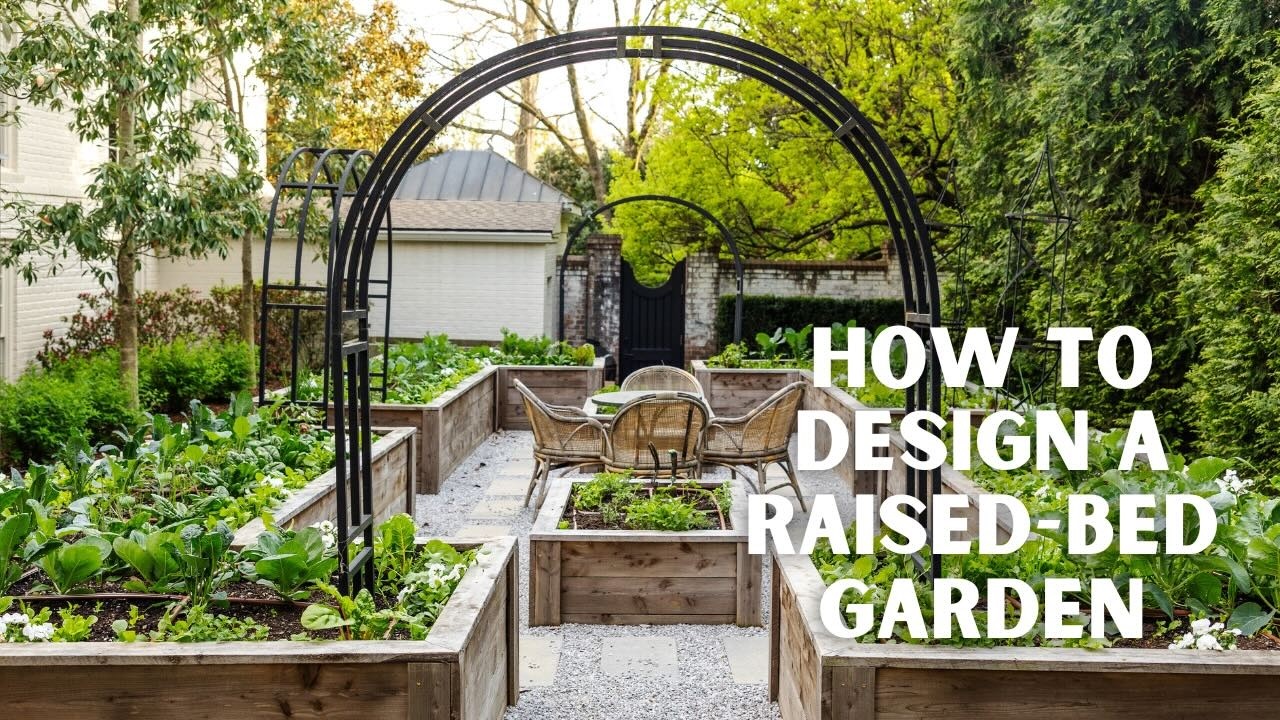
Credit: www.youtube.com
Assessing Your Space
Assessing your space is essential for garden design. Evaluate sunlight, soil, and size to plan effectively. Consider plants that thrive in your climate and match the aesthetics you desire.
Assessing your space is the first step in designing a garden. This stage helps you understand your garden’s potential. It sets the foundation for a successful design. Knowing your space ensures every plant thrives. Pay attention to size, sunlight, and soil.Understanding Size And Shape
Measure your garden’s length and width. Note any irregular shapes. These measurements help in planning plant placement. Consider paths and seating areas. Think about how you will move around. Plan for easy access to all parts.Identifying Sunlight Patterns
Observe how sunlight moves across your garden. Some areas get full sun, others partial. Identify shady spots. This information helps choose the right plants. Track sunlight during different times of the day. Note changes in different seasons.Evaluating Soil Quality
Check the soil type in your garden. Is it sandy, clay, or loamy? Each type has different drainage and nutrient levels. Test the soil’s pH level. This affects plant health. Consider adding compost to improve soil quality. Rich soil supports better plant growth.Setting Your Goals
Creating a garden begins with clear goals. Decide on plants, layout, and style to fit your space. This planning ensures a beautiful, functional garden that thrives.
Setting goals is the first step in garden design. Clear goals guide your decisions and ensure harmony. Think about what you want from your outdoor space. Is it a peaceful retreat or a vibrant gathering place? Setting clear objectives helps in creating a garden that suits your needs.Defining Functionality
The garden’s functionality is crucial. Decide what activities it should support. Do you need a play area for kids? Or a quiet spot for reading? Maybe a space for growing vegetables? List your needs. This will guide the layout and features of your garden.Choosing A Style
Select a style that reflects your taste. It could be modern, rustic, or traditional. Consider the architecture of your home. The garden should complement it. Browse magazines and online galleries for inspiration. Create a mood board with your favorite styles and elements.Budget Considerations
Setting a budget is essential. It keeps your project realistic. Determine how much you are willing to spend. Include costs for plants, materials, and labor. Prioritize elements that matter most to you. This helps in making adjustments without compromising your vision.Planning Your Layout
Designing a garden begins with careful layout planning. Consider sunlight, soil, and plant needs. Arrange pathways, plants, and features for easy access and visual appeal.
Designing your garden is like crafting a personal sanctuary. It’s a chance to blend creativity with functionality, creating a space that reflects your personality while serving practical purposes. When you plan your garden layout, think about how each section will work together to form a cohesive whole. This process involves thoughtful consideration and sometimes a bit of trial and error, but the result is a space that feels just right.Creating Zones
Breaking your garden into zones can transform it from a simple plot of land into a dynamic space. Each zone can serve a different purpose—entertainment, relaxation, or cultivation. Consider what you enjoy doing most outdoors. Do you love hosting gatherings? Create a spacious entertainment area with seating and perhaps a fire pit. Enjoy fresh vegetables? Dedicate a section for raised garden beds. By defining these areas, you ensure each part of your garden has a purpose and enhances your outdoor experience.Pathways And Access
Pathways are more than just practical elements—they guide exploration and enhance the garden’s aesthetic. Think about how you move through your garden. Do you need a direct path from the patio to the vegetable patch, or a winding trail that takes you past fragrant flowers? Materials matter too. Gravel, stone, or wood can create different moods and levels of durability. Remember, well-designed paths make your garden more accessible and inviting.Incorporating Water Features
Water features can add a soothing element to your garden. A small pond or a cascading fountain can become a focal point, drawing both the eye and ear. Consider the space you have—sometimes a simple birdbath can be just as effective as a larger installation. Think about maintenance and what fits your lifestyle. Are you prepared for the upkeep of a pond, or would a solar fountain suit you better? Introducing water not only enhances the visual appeal but also attracts wildlife, adding life to your garden.Selecting Plants And Materials
Designing a garden is a joyful journey. Picking the right plants and materials is key. It sets the stage for a vibrant outdoor space. The choices you make can transform your garden.
Choosing Native Plants
Native plants thrive in local conditions. They require less water and care. These plants support local wildlife. Birds and butterflies love them. They adapt well to the climate. This makes them a smart choice.
Complementary Materials
Materials should match the garden style. Stone paths add a natural feel. Wooden fences create warmth. Metal accents give a modern touch. Pick materials that suit your taste. Ensure they blend with the plants.
Maintenance Requirements
Consider how much care each plant needs. Some plants need regular trimming. Others grow well on their own. Understand your commitment level. Choose plants and materials wisely. Keep maintenance in mind for a lasting garden.
Adding Decorative Elements
Adding decorative elements like colorful pots or sculptures can bring charm to your garden. Enhance pathways with stones or tiles for a stylish touch. Integrate bird feeders or water fountains to invite wildlife and create a serene atmosphere.
Adding decorative elements to your garden can transform it into a lively space. These elements bring charm and personality. They create a welcoming atmosphere for friends and family. Let’s explore some ways to enhance your garden’s appeal.Outdoor Furniture
Outdoor furniture is crucial for comfort and style. Choose weather-resistant materials like teak or metal. Consider the size and layout of your garden. A small bistro set fits well in a cozy corner. Larger spaces might benefit from a full dining set or a sectional sofa. Cushions in vibrant colors can add a pop of color.Lighting Solutions
Lighting sets the mood in your garden. String lights create a festive ambiance. Solar-powered lights are eco-friendly and easy to install. Pathway lights guide visitors safely at night. Spotlights can highlight beautiful plants or sculptures. Choose warm lights for a cozy feel.Art And Sculptures
Art and sculptures add character to any garden. Choose pieces that reflect your personality. A birdbath can be both functional and decorative. Metal sculptures can withstand harsh weather. Place them among plants for a natural look. Wall art can enhance garden fences or walls.Implementing Sustainable Practices
Implementing sustainable practices in garden design is not just about being environmentally friendly; it’s about creating a space that thrives with minimal impact on the planet. These practices ensure your garden is not only beautiful but also resilient and resource-efficient. Let’s explore how you can make your garden more sustainable.
Water Conservation Techniques
Water is a precious resource, and conserving it in your garden is crucial. Consider installing a rainwater harvesting system to collect rain from your roof. It’s an efficient way to reuse water for your plants. You can also use drip irrigation systems, which focus water directly at the plant roots, reducing waste and enhancing absorption.
Mulching is another effective method. It helps retain moisture in the soil, reducing the need for frequent watering. Using native plants adapted to your local climate can also minimize water usage, as they are naturally suited to thrive without extra irrigation.
Using Eco-friendly Materials
Choosing materials that have minimal environmental impact is key to sustainable garden design. Opt for recycled materials like reclaimed wood or stone for paths and borders. These materials not only reduce waste but also add unique character to your garden.
Consider using natural fertilizers and compost to enrich your soil. They are not only better for the environment but also improve soil health over time. Avoid synthetic chemicals, which can harm beneficial garden organisms and degrade soil quality.
Promoting Biodiversity
A diverse garden is a healthy garden. Attracting a variety of wildlife will keep your garden ecosystem balanced. Planting a mix of flowering plants can lure bees and butterflies, essential for pollination. You could even add a small pond to support amphibians and other water-loving creatures.
Consider creating habitats for birds and insects with shrubs and trees that offer shelter and food. Engaging with biodiversity not only supports wildlife but also makes your garden more dynamic and interesting. Have you noticed how a thriving garden can feel more alive?
Diy Vs Professional Help
Choosing between DIY and professional help for garden design can be challenging. DIY offers creativity and personal touch, while professionals bring expertise and efficiency. Consider budget, time, and skills to decide the best approach for your garden vision.
Designing a garden can be a rewarding project. Whether you choose to do it yourself or hire professionals, each option has its own advantages. Understanding the difference can help you make the best decision for your space and budget.Benefits Of Diy
Creating a garden by yourself offers several benefits. You have full control over the design. Personalizing every detail becomes easy. It also allows you to save money. You won’t pay for labor costs. DIY projects offer learning opportunities. You can enhance your gardening skills. You build a connection with your garden. The process can be therapeutic.When To Hire Experts
Professional help is ideal for complex designs. Large gardens may require expert advice. Professionals have the right tools. They understand soil, plants, and climate. Hiring experts ensures quality work. They can handle difficult tasks. If time is limited, experts offer quicker solutions. Experienced landscapers create stunning designs.Cost Comparisons
The cost of DIY is generally lower. You buy materials and tools. Professional services include labor charges. Quality work often requires higher expenses. Hiring experts may cost more initially. DIY projects might have hidden costs. Mistakes can lead to extra spending. Weighing pros and cons helps in decision-making.
Credit: www.goodhousekeeping.com
Maintaining Your Garden
Designing a garden involves choosing plants that fit the climate and space. Consider pathways, seating areas, and focal points. Mixing colors and textures can create a visually appealing garden.
Maintaining Your Garden Gardening is not just about planting; it’s about nurturing a living space. A well-maintained garden can transform your home into a personal oasis. However, maintaining that beauty requires dedication and strategic care.Seasonal Care Tips
Each season brings unique challenges and opportunities for your garden. In spring, focus on planting and mulching to prepare for growth. Summer demands regular watering and weeding to combat heat stress. Autumn is the time to tidy up and prepare for winter by pruning and composting. Winter may require protective measures like mulching to shield plants from frost. Adjust your care routine with the seasons to keep your garden thriving.Pest Control Strategies
Pests can wreak havoc on your garden if left unchecked. Regularly inspect plants for signs of infestation. Handpicking pests is effective for small gardens. Consider introducing beneficial insects like ladybugs that feed on harmful pests. Natural remedies, such as neem oil, can deter many common pests. Integrated pest management combines these tactics for efficient control.Long-term Growth Planning
Think beyond the immediate needs of your garden. Planning for long-term growth ensures sustainability and continued beauty. Choose plants that complement each other in both growth rate and appearance. Consider how plants will mature and fill space over time. Regularly evaluate your garden layout, making changes as needed to accommodate growth. This foresight will keep your garden flourishing year after year. What steps will you take today to ensure your garden remains vibrant for years to come? Your actions now lay the foundation for a thriving outdoor space.
Credit: awaytogarden.com
Frequently Asked Questions
What Are The Basics Of Garden Design?
The basics of garden design include planning layout, choosing plants, and considering soil and sunlight conditions. Start by sketching a rough layout. Select plants based on climate and soil type. Ensure adequate sunlight for your chosen plants. Proper planning helps create a harmonious garden space that thrives.
How To Choose Plants For My Garden?
Choosing plants involves considering your garden’s climate, soil type, and sunlight exposure. Research plants suitable for your region. Use native species for easier maintenance. Consider seasonal variations and color combinations. Ensure compatibility with existing garden elements. This approach will enhance visual appeal and garden health.
What Is The Importance Of Garden Layout?
Garden layout is crucial for space utilization and aesthetic appeal. It helps in organizing plant placement and pathways. A well-planned layout ensures efficient use of space and optimal plant growth. Consider balance, symmetry, and focal points. An effective layout enhances functionality and visual harmony in your garden.
How Can I Improve Soil Quality?
Improving soil quality involves testing and amending it with organic matter. Use compost to enrich soil nutrients. Regularly test pH levels for optimal plant growth. Rotate crops to prevent soil depletion. Mulch helps retain moisture and reduce erosion. Proper soil management supports healthier and more productive plants.
Conclusion
Creating a beautiful garden takes time and thought. Choose the right plants. Plan your space carefully. Consider sunlight and soil needs. Think about colors and textures. Use garden furniture for comfort. Paths and borders add structure. Regular care keeps gardens thriving.
Watering and pruning are essential. Enjoy the beauty you create. A garden reflects personal style. It offers peace and joy. Design your garden with love. Watch it grow with pride. The perfect garden awaits your creativity. Let nature inspire your designs.
Simple choices lead to stunning results. Happy gardening!







