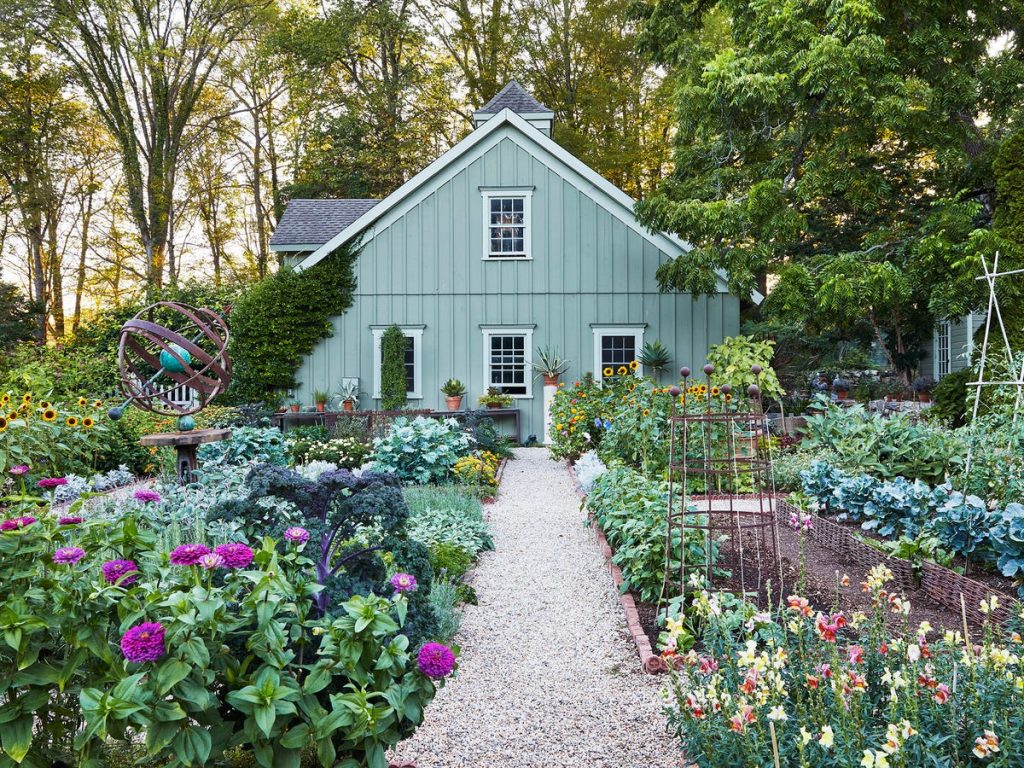
Imagine stepping into your backyard and being greeted by the vibrant colors of blooming flowers mingling with the lush greens of fresh vegetables and herbs. Now, envision plucking a ripe tomato or a handful of basil leaves, knowing they grew just steps away from your kitchen.
Designing an edible garden isn’t just a hobby; it’s a rewarding experience that transforms your outdoor space into a thriving, personal food oasis. You might think it takes expert skills or endless time to create such a garden, but the truth is, with the right guidance, you can design an edible garden that not only beautifies your home but also provides delicious, organic produce.
This article will reveal simple steps and creative tips to help you start your own edible paradise. Ready to dig in and discover how to make your garden both beautiful and bountiful? Let’s get started!
Choosing The Right Location
Selecting the perfect spot for an edible garden requires ample sunlight and good drainage. Ensure easy access to water and consider proximity to your kitchen for convenience. Choose a location with healthy soil for optimal plant growth.
Choosing the right location for your edible garden is vital. The right spot can boost plant growth and yield. Consider sunlight, accessibility, and water sources. These elements play a key role in a successful garden.Sunlight Requirements
Plants need sunlight to thrive. Most edible plants require six to eight hours of sun daily. Observe your yard to find the sunniest spot. Track the sun’s path throughout the day. Avoid shaded areas from buildings or large trees.Accessibility
A garden should be easy to reach. Choose a location near your home for convenience. You’ll check on plants frequently, so proximity matters. Ensure paths are clear and easy to walk. Accessible gardens are more likely to be maintained.Water Sources
Water is essential for plant growth. Locate your garden near a water source. This could be a hose or irrigation system. Consider rainwater harvesting for sustainability. Easy access to water simplifies garden care.Selecting Plants For Your Garden
Designing an edible garden involves choosing plants that provide both beauty and food. Consider climate and soil for successful growth. Mix vegetables, herbs, and fruit for a diverse harvest.
Designing an edible garden is an exciting venture, and selecting the right plants is a crucial step. It’s not just about choosing what you like to eat; it’s about creating a harmonious and thriving ecosystem. The right plant selection can lead to a bountiful harvest and a beautiful garden.Seasonal Choices
Understanding the seasons is key to successful gardening. Different plants thrive in different seasons, so it’s important to plan accordingly. For instance, leafy greens like spinach and kale are perfect for cooler months, while tomatoes and peppers love the summer heat. Consider creating a planting calendar to keep track of what grows best when. This approach not only maximizes your harvest but also keeps your garden visually appealing year-round. Are you ready to embrace the rhythm of nature and let the seasons guide your planting?Companion Planting
Companion planting is a smart way to enhance growth and protect your plants. Some plants naturally repel pests or attract beneficial insects. For example, planting basil near tomatoes can improve flavor and deter pests. Think of your garden as a community where plants support each other. This strategy can reduce the need for chemical pesticides and increase biodiversity in your garden. Have you tried growing a “three sisters” garden with corn, beans, and squash yet?Native Plants
Incorporating native plants into your edible garden can be highly beneficial. Native plants are adapted to your local climate, which means they often require less water and care. Additionally, they provide essential habitat for local wildlife. Research which edible plants are native to your area. You might discover new flavors and varieties that you hadn’t considered before. How can you make your garden more resilient by including plants that naturally thrive in your environment?Planning Your Garden Layout
Designing an edible garden is an exciting journey that blends creativity with practicality. The first step is planning your garden layout, which sets the stage for growth and abundance. A well-thought-out design ensures that your plants thrive and makes your gardening experience enjoyable. Let’s explore some key considerations for your garden layout.
Raised Beds Vs. Ground Planting
Choosing between raised beds and ground planting is crucial. Raised beds offer better drainage and soil quality, which can lead to healthier plants. They are particularly beneficial if your native soil is poor or you wish to avoid bending over while gardening.
On the other hand, ground planting allows for larger plots, which might be ideal for sprawling vegetables like pumpkins or zucchini. Consider your space, soil, and personal preference when making this decision.
Pathways And Borders
Well-defined pathways and borders create a sense of order and accessibility in your garden. Picture yourself walking through your garden without trampling your plants. Gravel, wood chips, or stepping stones can form attractive and functional paths.
Borders can be decorative and protective. Use them to delineate spaces and prevent soil erosion. Think about materials like bricks or wooden planks to give your garden a polished look.
Vertical Gardening Options
Vertical gardening is a fantastic way to utilize limited space effectively. Whether you’re working with walls, fences, or trellises, vertical structures can support a variety of crops, from tomatoes to beans.
Consider hanging pots or using a vertical planter for herbs and strawberries. This approach not only saves space but also adds visual interest to your garden. How can you creatively expand upwards in your garden design?
Credit: m.facebook.com
Creating Soil Conditions
Prepare the ground by testing soil pH and adding organic matter. Improve drainage for healthy root growth. Ensure sunlight reaches all parts of the garden for thriving edible plants.
Creating a thriving edible garden starts with healthy soil. Good soil supports plant growth and improves yield. To achieve this, focus on creating the right soil conditions. This involves improving soil quality, using composting techniques, and understanding mulching benefits. Let’s explore these essential components.Improving Soil Quality
Rich soil is vital for plant health. Test your soil to know its nutrient levels. You can buy a soil test kit online or at a local store. Based on the results, add necessary nutrients. Organic fertilizers, like bone meal and fish emulsion, work well. They enrich the soil without harming the environment. Proper drainage is also crucial. Mix sand with clay soil to improve its drainage. This prevents waterlogging and root rot.Composting Techniques
Composting turns waste into valuable nutrients. Collect kitchen scraps like fruit peels and vegetable leftovers. Avoid dairy and meat as they attract pests. Add leaves and grass clippings to your compost pile. Keep it moist but not soggy. Turn the pile weekly to speed up decomposition. Finished compost is dark, crumbly, and smells earthy. Mix it into your garden soil for better fertility.Mulching Benefits
Mulching offers several advantages. It retains soil moisture, reducing the need for frequent watering. Use organic mulch like straw, wood chips, or shredded leaves. Spread a 2-3 inch layer around plants. Mulch also suppresses weeds, saving time and effort. As it breaks down, it adds nutrients to the soil. Mulching provides insulation, protecting roots from temperature changes. It’s a simple yet effective way to enhance your garden.Watering And Irrigation Techniques
Designing an edible garden requires smart watering and irrigation techniques. Proper water management ensures healthy plant growth and maximizes your garden’s yield. Let’s explore effective methods to keep your garden thriving.
Drip Irrigation Systems
Drip irrigation delivers water directly to plant roots. This method minimizes evaporation. It saves water and keeps plants consistently hydrated. Installing a drip system is simple. Use tubing and emitters to target each plant. Adjust the flow to meet individual plant needs. This system reduces water wastage, ensuring efficient garden care.
Rainwater Harvesting
Rainwater harvesting collects and stores rainwater for garden use. Place barrels under downspouts to capture runoff. This sustainable practice conserves water. It’s cost-effective and eco-friendly. Use the stored water during dry periods. It reduces dependency on municipal water sources. This technique benefits your garden and the environment.
Efficient Watering Practices
Water your garden during cooler hours. Early morning or late afternoon is ideal. This prevents rapid evaporation. Focus on the soil, not the leaves. Deep watering encourages strong root growth. Check soil moisture before watering. Use a rain gauge to monitor rainfall. Adjust watering routines based on weather conditions. These practices ensure optimal hydration for your garden.

Credit: www.veranda.com
Pest Management Strategies
Designing an edible garden requires effective pest management strategies. Focus on natural methods like companion planting and introducing beneficial insects. These techniques help protect crops without harmful chemicals, promoting a healthy, sustainable garden environment.
Designing an edible garden is a delightful endeavor, but it comes with challenges, like managing pests. Balancing the ecosystem in your garden ensures that your plants thrive while maintaining harmony with nature. Effective pest management strategies are essential to protect your crops and keep your garden lush and productive. How can you do this without relying on harsh chemicals? Let’s explore some practical techniques.Natural Pest Control
Natural pest control is about working with nature to keep your garden healthy. Start by encouraging diversity in your garden. Diverse plants can attract a variety of beneficial insects that prey on harmful pests. Companion planting is another effective strategy. Planting marigolds near tomatoes can deter nematodes, while basil next to pepper plants can repel aphids. This way, you’re not only managing pests but also enhancing the flavor of your crops. Consider using physical barriers like netting or row covers to protect your plants from larger pests like birds or rabbits. These simple solutions can save your garden from a lot of damage.Beneficial Insects
Beneficial insects can be your garden’s best friends. Ladybugs, for instance, are voracious eaters of aphids, a common garden pest. Introducing them to your garden can naturally reduce aphid populations. Another helpful insect is the lacewing. These tiny creatures consume a variety of pests, including caterpillars and mites. You can attract them by planting herbs like dill and fennel. Don’t forget about bees! While they aren’t directly involved in pest control, they are essential for pollination, ensuring your garden’s productivity and biodiversity.Organic Solutions
Organic solutions provide a safe way to manage pests without harming the environment or your health. Neem oil is a popular choice. It disrupts the life cycle of pests and is safe for beneficial insects when used correctly. Diatomaceous earth is another effective solution. Sprinkle it on the soil to combat slugs and beetles. It acts by dehydrating pests, but it is harmless to plants and humans. For a homemade remedy, mix garlic and chili pepper with water to create a natural spray. This concoction can deter a wide range of pests, allowing you to protect your plants without synthetic chemicals. Are you ready to transform your garden into a thriving ecosystem? With these pest management strategies, you can enjoy the bounty of your edible garden while respecting nature’s balance.Maintaining Your Edible Garden
Choose plants that suit your climate and soil. Arrange them by height for easy access and sunlight. Include herbs, vegetables, and fruits for variety. Use pathways for accessibility and aesthetics, ensuring proper drainage and irrigation.
Maintaining Your Edible Garden Creating an edible garden is a rewarding journey, but maintaining it is where the magic truly happens. As the seasons change, your garden will require different kinds of attention. Nurturing your plants and ensuring a healthy harvest involves a blend of careful observation and timely action. Let’s dive into some essential practices that will keep your garden thriving and productive.Regular Pruning
Pruning is not just a gardening task; it’s an art that shapes your garden’s health. Regularly trimming your plants encourages growth and increases yield. By removing dead or overcrowded branches, you allow sunlight and air to reach the inner parts, boosting photosynthesis and plant vigor. Imagine walking through your garden, scissors in hand, snipping away the excess. It’s a simple yet powerful act that can transform a tangled mess into a thriving paradise. Are you ready to give your plants the space they need to breathe and flourish?Seasonal Care
Each season brings its own set of challenges and opportunities for your edible garden. In spring, focus on planting and nurturing young seedlings. Summer demands vigilant watering and pest control. As autumn arrives, it’s time to harvest and prepare the soil for winter. Consider the rhythm of nature and align your gardening tasks accordingly. Embrace the beauty of seasonal change and adjust your care routine to match. How can you adapt your gardening habits to embrace the unique gifts each season offers?Harvesting Tips
Harvesting is the moment you reap the rewards of your hard work. Knowing the right time and method to harvest can make a significant difference. For leafy greens, pick the outer leaves regularly to encourage new growth. Root vegetables, like carrots, should be checked by gently pulling one to assess size. Imagine the joy of gathering fresh produce, still warm from the sun, to share with family and friends. It’s a celebration of life and effort. Have you tried experimenting with different harvest times to find the perfect flavor in your crops? Maintaining your edible garden involves a dance of observation and action. With regular pruning, seasonal care, and strategic harvesting, you can ensure a bountiful and healthy garden year-round. Each step is a chance to connect with nature and savor the fruits of your labor. How will you nurture your garden today?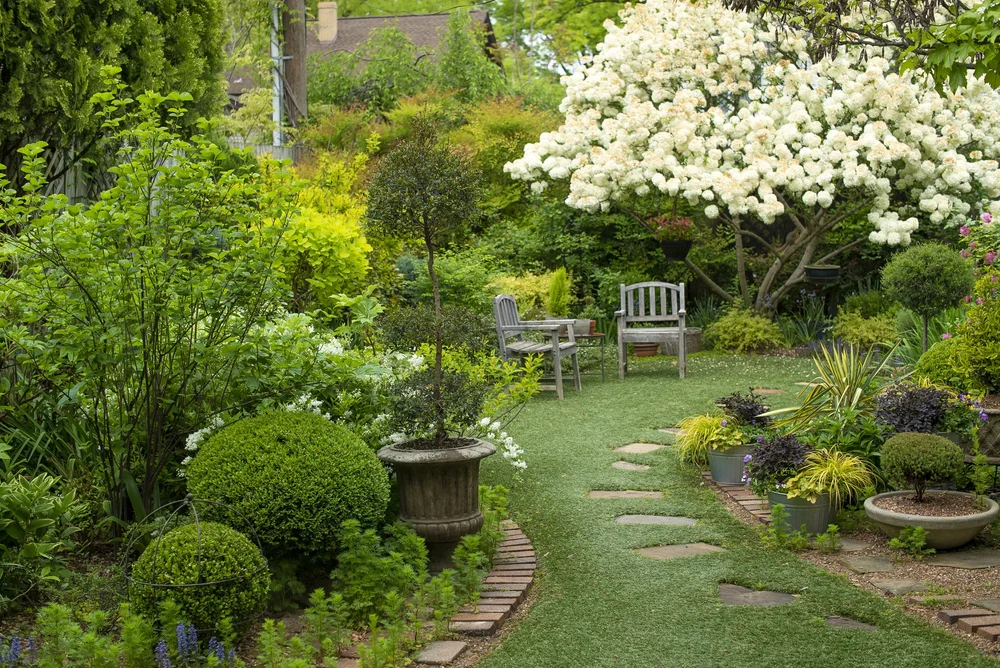
Credit: www.foodgardenlife.com
Designing For Aesthetic Appeal
Designing an edible garden blends beauty with utility, creating a stunning landscape. Choose vibrant plants that offer both visual charm and delicious flavors. Arrange them in patterns that enhance aesthetic appeal while ensuring easy access for harvesting.
Designing for aesthetic appeal in your edible garden not only enhances its beauty but also creates a space that invites relaxation and joy. This isn’t just about growing food; it’s about crafting a living artwork. Imagine the delight of walking through a garden that’s both bountiful and beautiful, where every corner offers visual pleasure alongside nutritional benefits.Incorporating Edible Flowers
Edible flowers can be a game-changer in your garden’s design. Nasturtiums, violets, and calendula are not only easy to grow but also add vibrant colors and unique shapes. Have you ever considered how these blooms can elevate your garden’s look while offering delightful additions to your salads? Plant them along pathways or in clusters to create a burst of color. Their presence can transform a plain garden into a dynamic tapestry of edible beauty. Plus, they attract beneficial insects, enhancing your garden’s health.Color And Texture Variations
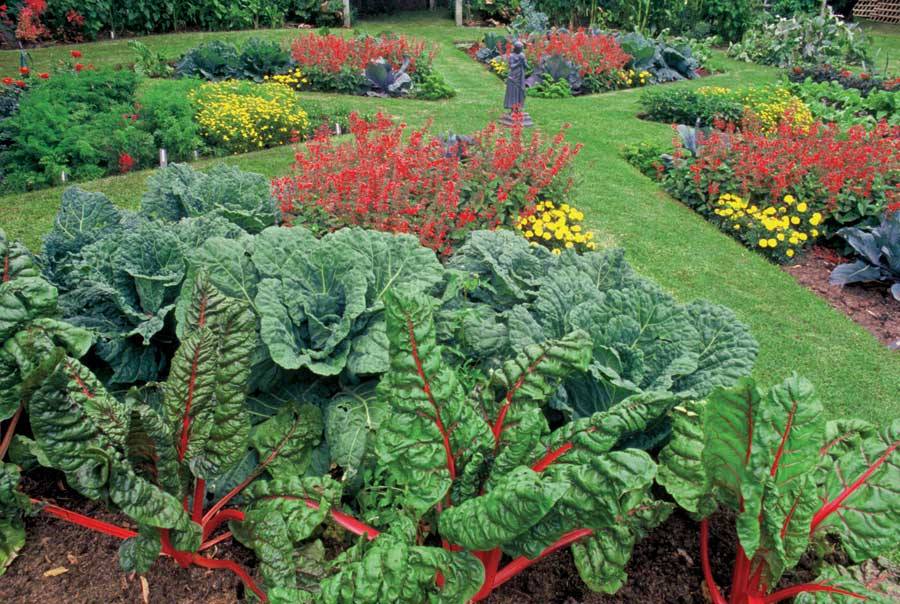
Diversity in color and texture can make your garden more visually appealing. Consider mixing leafy greens like kale with the deep purples of eggplants or red bell peppers. This contrast draws the eye and breaks the monotony. Texture is equally important. The soft leaves of lettuce juxtaposed with spiky artichokes can create an interesting visual interplay. Think about how these combinations can add depth and interest to your garden landscape.Creating Garden Focal Points
Focal points can guide the viewer’s eye and create a sense of harmony. A small water feature, a unique sculpture, or a striking plant like a fig tree can serve as a centerpiece. What element could serve as your garden’s signature piece? Use pathways or raised beds to lead towards these focal points, creating a natural flow. This not only enhances the aesthetic but also organizes your space effectively. Consider how these elements can transform your garden into a cohesive and inviting retreat.Frequently Asked Questions
What Is An Edible Garden?
An edible garden is a space where you grow plants for consumption. This includes vegetables, fruits, herbs, and even edible flowers. Designing an edible garden involves planning layout, plant selection, and care techniques. It’s not only functional but also enhances aesthetics and sustainability.
How To Start An Edible Garden?
Start by selecting a sunny location and testing the soil. Choose plants based on your climate and preferences. Plan the layout for efficient water and sunlight use. Begin with easy-to-grow plants like tomatoes or herbs. Regular maintenance, including watering and pest control, is essential for success.
What Plants Grow Well In Edible Gardens?
Many plants thrive in edible gardens, including tomatoes, peppers, lettuce, and herbs like basil. Consider fruit trees or berry bushes for variety. Choose plants that suit your climate and soil conditions. Companion planting can enhance growth and deter pests. Researching local growing conditions will ensure a productive garden.
How To Maintain An Edible Garden?
Maintain your edible garden by regular watering and fertilizing. Monitor for pests and use organic methods for control. Prune plants to encourage growth and prevent disease. Rotate crops to maintain soil health. Composting adds nutrients and reduces waste. Consistent care will lead to a bountiful harvest.
Conclusion
Creating an edible garden is both rewarding and fun. It lets you enjoy fresh vegetables and herbs right at home. Start small and choose plants you love. Arrange them in a way that’s visually pleasing. Think about sun exposure and water needs.
Use vertical spaces to maximize your garden area. With time, you’ll see your efforts bloom. It’s a great way to connect with nature. Plus, it’s a healthy hobby. Everyone can try it, no matter the space available. Happy gardening and enjoy the fruits of your labor!







