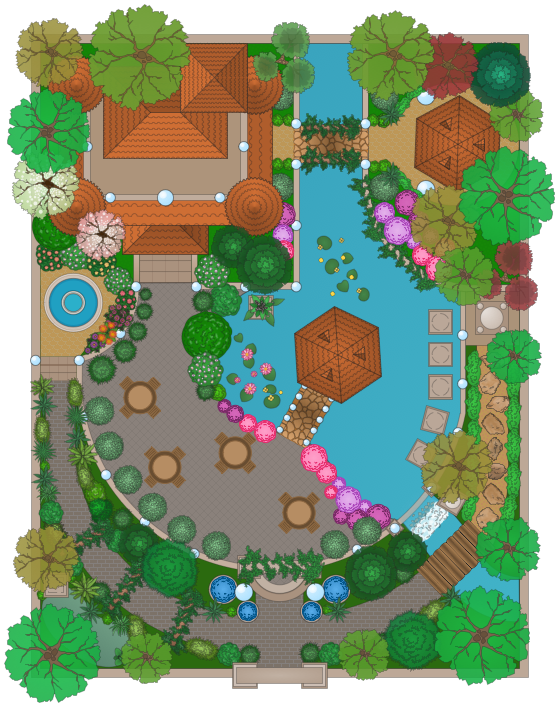
Imagine stepping into your backyard and being greeted by a beautiful, personalized garden that reflects your style and creativity. Drawing a garden design might seem like a daunting task, but it can be both simple and rewarding.
You don’t need to be an artist to bring your vision to life; you just need the right guidance. This article is here to help you discover the secrets of creating your dream garden layout. Picture how your space can transform, how each plant and path can fit perfectly into your ideal outdoor haven.
Are you ready to learn the techniques that can turn your garden dreams into reality? Let’s dive into the world of garden design, where your imagination meets practical tips and tricks.
Gather Inspiration
Creating a garden design starts with gathering inspiration. This is where your creative journey begins. Discovering ideas that resonate with you will set the foundation for your unique garden. Look around, explore different styles, and find what speaks to you. It’s about visualizing a space that reflects your personality and preferences. Let’s delve into how you can gather the perfect inspiration to design your dream garden.
Explore Garden Styles
Garden styles are as diverse as they are beautiful. From traditional English gardens to minimalist Japanese Zen spaces, each style has its charm. Maybe you’ve visited a friend’s home and admired their lush, cottage-style garden. Or perhaps a modern garden with clean lines and water features caught your eye in a magazine.
Explore these styles through books, online galleries, or even virtual garden tours. Take notes on elements that appeal to you, like the color palette or plant choices. This exploration will help you understand the possibilities and refine your vision.
Identify Personal Preferences
Your garden should be a reflection of your taste and lifestyle. Start by asking yourself what you enjoy most about being outdoors. Do you love the sound of flowing water? Or are you drawn to vibrant flower beds?
Think about your daily routines and how your garden can enhance them. If you enjoy morning coffee, consider a cozy nook with a view. Write down your preferences and prioritize them. These personal insights will guide you in creating a space that feels right for you.
Remember, your garden is an extension of yourself. It’s not just about plants and paths; it’s about creating a sanctuary that brings you joy. What kind of garden would inspire you every day?
Credit: extension.msstate.edu
Assess The Space
Understanding the space is crucial for garden design. Measure dimensions accurately to visualize layout possibilities. Consider sunlight, soil type, and water access to maximize plant growth.
Assessing the space is a crucial first step in designing your dream garden. It’s about understanding the parameters you have to work with and envisioning how your garden will fit into your environment. By thoroughly assessing your space, you can maximize its potential and avoid common pitfalls.Measure Dimensions
Start by measuring the length and width of your available garden area. Use a tape measure for accuracy and jot down these numbers. Create a simple sketch of your garden space, noting the dimensions on it. This sketch will serve as your blueprint. Imagine the possibilities as you outline different sections for plants, paths, or features like a pond or a bench. If your garden space is irregularly shaped, break it into smaller, manageable sections to measure and draw.Evaluate Sunlight And Soil
Understanding the sunlight patterns in your garden is key to selecting the right plants. Observe which areas receive full sun, partial shade, or full shade throughout the day. This can change with the seasons, so consider checking at different times of the year. Examine your soil type to determine its texture and fertility. Is it sandy, clay, or loamy? A simple soil test can reveal its pH level, helping you decide which plants will thrive. Remember, healthy soil is the foundation of a vibrant garden. As you assess your space, think about the bigger picture. How will your garden design enhance your outdoor living experience? What elements can you introduce to create a harmonious balance?Sketch A Rough Layout
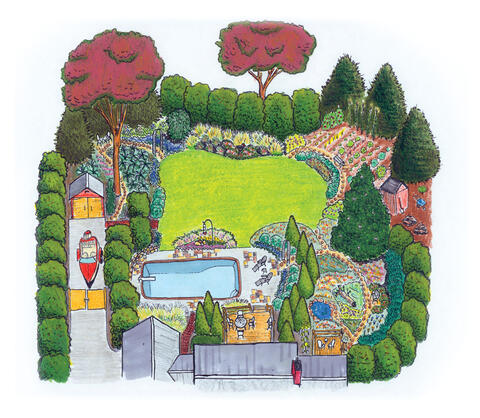
Begin by sketching basic shapes to represent areas like flower beds, paths, and seating. Use simple lines to outline spaces for trees and shrubs. Adjust proportions for balance and visual appeal.
Sketching a rough layout is the first step in garden design. Begin with a simple drawing. This will help plan the space effectively. A rough layout provides a visual guide. It helps organize your thoughts and ideas.Position Key Elements
Identify where to place essential garden features. Think about trees, pathways, and water features. These elements form the garden’s backbone. Trees provide shade and structure. Pathways guide movement and access. Water features add beauty and tranquility. Decide their positions early. This ensures a balanced garden design.Consider Traffic Flow
Plan the movement through your garden. Think about how people will walk. Ensure pathways are clear and logical. Avoid tight or awkward spaces. Consider the garden’s main entrance. Design paths that lead from it naturally. Think about access to key areas. Make sure everything is easy to reach. This makes the garden inviting and functional.
Credit: www.instagram.com
Select Plants And Features
Select plants and features to create a stunning garden design. Choose plants that thrive in your climate. Add features like pathways and water elements for visual interest.
Creating a garden design is like crafting a living canvas. Selecting the right plants and features not only enhances the aesthetic appeal but also ensures sustainability and functionality. As you delve into designing your garden, you must consider the interplay between plant types and hardscape features. This balance will transform your space into a harmonious blend of nature and architecture.Choose Plant Types
Choosing the right plant types is akin to selecting colors for a painting. You want to ensure a vibrant palette that flourishes throughout the seasons. Start by considering the climate and soil conditions. Will your chosen plants thrive in your local environment? Think about the size and growth habits of the plants. How much space will they occupy as they mature? This foresight prevents overcrowding and allows each plant to shine. Mix and match perennials, annuals, shrubs, and trees to create varied textures and heights. This diversity adds depth and interest to your garden. Remember, each plant has its own character—choose ones that resonate with your vision.Incorporate Hardscape Features
While plants are the soul of your garden, hardscape features are the bones. They provide structure and define spaces, guiding the flow of movement. Consider pathways, patios, and walls—each element serves a unique purpose. Ask yourself, what kind of atmosphere do you want to cultivate? A cozy seating area or an elegant water feature could be the focal point of your design. Don’t overlook the importance of materials. Stone, wood, and metal each bring a different aesthetic and can complement your plant choices. How do these materials interact with the natural elements around them? By thoughtfully selecting plants and hardscape features, you create a cohesive design that is both beautiful and functional. Your garden becomes a personal sanctuary, reflecting your style and preferences while inviting others to appreciate its charm.Refine The Design
Refine the design by sketching your garden layout on paper. Consider plants, paths, and focal points. Use simple shapes to plan spaces and visualize the garden’s flow.
Refining your garden design transforms initial ideas into an elegant reality. This stage polishes your plan, ensuring it meets both practical needs and aesthetic desires. Focus on adjusting proportions and enhancing the visual appeal of your garden.Adjust Proportions
Consider the balance between different elements. Ensure paths, beds, and features complement each other. Use sketches to visualize space distribution. Experiment with scale by resizing components. Make small changes to create harmony. Remember, proportion impacts how the garden feels.Enhance Aesthetic Appeal
Choose colors and textures wisely. Combine plants with contrasting hues for vibrancy. Add variety with different leaf shapes. Integrate decorative elements like stones or sculptures. These details enrich the garden’s atmosphere. Aim for a cohesive look that draws the eye.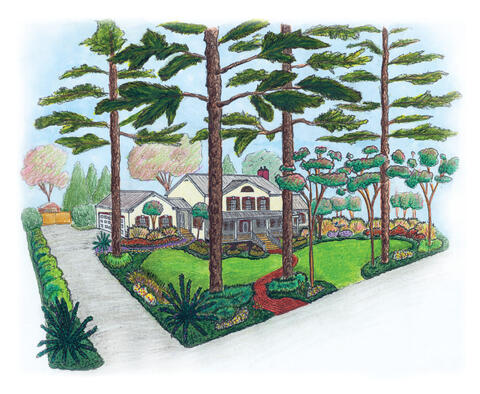
Credit: extension.msstate.edu
Finalize The Plan
Finalize the plan by sketching the garden layout, including paths, plants, and features. Ensure the design fits your space and meets your needs. Adjust elements for balance and harmony.
Finalizing your garden design plan is an exciting step in bringing your green vision to life. It’s the stage where ideas transform into actionable steps. This process involves creating detailed drawings and preparing a planting schedule, ensuring that every element of your garden is thoughtfully planned and ready for execution.Create Detailed Drawings
Transform your initial sketches into detailed drawings. Use graph paper or a digital tool for precision. Clearly mark the location of each plant, path, and feature. Think about the scale and proportion. How will the size of each plant fit into the overall design? Make sure to include measurements and notes. Enlist the help of a friend or family member for feedback. A fresh set of eyes can catch details you might miss.Prepare Planting Schedule
Develop a clear planting schedule based on the seasons. Different plants thrive at different times, so plan accordingly. Create a table to organize your schedule:| Plant | Planting Season | Notes |
|---|---|---|
| Tomatoes | Spring | Start indoors 6 weeks before last frost |
| Lavender | Fall | Requires well-drained soil |
Implementation Tips
Begin with a sketch of your garden layout, considering paths, plant beds, and seating areas. Use graph paper for precision and label different zones clearly. Incorporate various plant types for visual appeal and biodiversity.
Implementation tips are crucial in bringing your garden design to life. They ensure your vision aligns with reality. A well-thought-out plan can still face challenges during execution. These tips will help you navigate those challenges with ease.Follow The Design
Stick to your original garden design as much as possible. It acts as a blueprint, guiding your efforts. Review your design before starting any physical work. Ensure you have all the necessary materials and tools. This preparation minimizes unexpected changes and delays. Stay consistent with the plant and color scheme you planned. It maintains the harmony and flow of your garden.Adapt To Real Conditions
Real conditions may differ from your design assumptions. Be ready to adapt to these changes. Soil type, sunlight, and space can affect plant growth. Observe how sunlight moves across your garden throughout the day. Adjust plant locations if needed to maximize sunlight exposure. Test your soil to determine its suitability for certain plants. Amend the soil or select plants that thrive in your specific conditions. Flexibility in your approach ensures a thriving garden.Frequently Asked Questions
How To Start A Garden Design Sketch?
Begin by sketching the layout of your garden. Include pathways, plant beds, and focal points. Use pencil for easy adjustments.
What Tools Are Needed For Garden Design?
Basic tools include graph paper, pencils, rulers, and erasers. Consider using colored pencils to highlight different plant areas.
How Do I Choose Plants For My Garden?
Select plants based on sunlight, soil type, and climate. Consider height, color, and seasonal changes for a balanced design.
Can I Design A Garden Without Experience?
Yes, start with simple sketches and ideas. Use online resources for guidance and inspiration. Practice improves your design skills.
Conclusion
Creating a garden design is both fun and rewarding. Start with a clear plan. Consider the space, light, and soil. Sketch your ideas on paper. Choose plants that thrive in your area. Use color to make it vibrant. Paths can guide visitors through your garden.
Remember to add seating areas for relaxation. Water features can add peace and beauty. Regular maintenance keeps your garden healthy. Enjoy watching your design come to life. A well-planned garden offers joy and tranquility. Ready to start designing your dream garden?
Embrace creativity and let nature inspire you!







