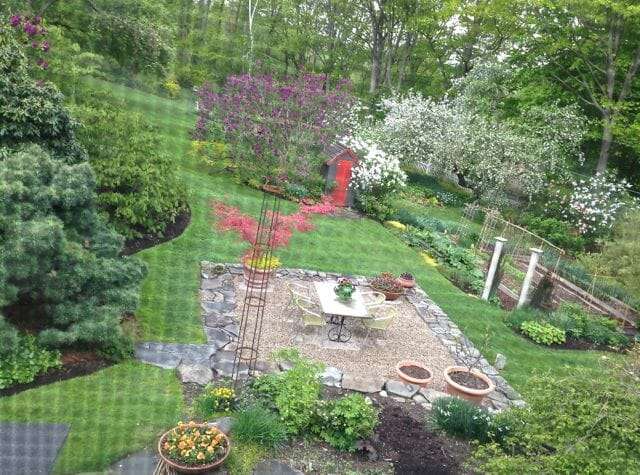
Imagine stepping into your garden, where every corner feels like a slice of paradise. The colors, the scents, and the serenity envelop you, offering a perfect escape right at your doorstep.
How do you turn this dream into reality? Designing your garden is not just about planting flowers; it’s about creating an oasis that reflects your personality and meets your needs. You may wonder where to start, what plants to choose, or how to arrange them for maximum impact.
This guide is here to help you transform your outdoor space into a beautiful, functional area that you’ll love to spend time in. Ready to unlock the secrets of garden design and unleash your creativity? Read on to discover how you can craft the garden of your dreams.
Garden Vision
Creating a vision for your garden is a vital first step. A clear vision helps you make informed decisions. It guides the design process smoothly. Your garden should reflect your personality. It must be a space where you feel happy and relaxed.
Assessing Your Space
Start by evaluating the size and shape of your garden. Is it a small balcony or a large backyard? Note the sunlight patterns. Identify areas that get full sun, partial shade, or full shade. Check the soil type. Is it sandy, clay, or loamy? These factors affect plant choices and layout. Observe any existing features. Trees, fences, and pathways can shape your design.
Defining Your Style
What atmosphere do you want your garden to have? Consider your personal taste. Do you prefer a formal look with neat lines? Or a casual, wild appearance with mixed plants? Explore different garden styles. English cottage gardens are lush and colorful. Japanese gardens focus on simplicity and tranquility. Mediterranean gardens use drought-resistant plants. Choose a style that resonates with you. Your style choice will guide plant selection and design elements.
Planning Essentials
Designing a garden requires a clear vision and planning. Choose plants that suit your climate and soil type. Sketch a layout to visualize paths, flower beds, and seating areas. Consider sunlight, water access, and maintenance needs to create a balanced and beautiful outdoor space.
Planning Essentials Designing your garden is both an exciting and challenging endeavor. It requires careful thought and a clear understanding of your goals. By focusing on key planning essentials, you can create a garden that not only looks beautiful but also fulfills your personal needs and preferences.Budget Considerations
Before you start digging, it’s crucial to have a clear idea of your budget. A well-planned budget helps prevent overspending and ensures that your garden project remains feasible. Start by listing all potential expenses, such as plants, soil, tools, and decorative items. Consider setting aside a small portion of your budget for unexpected costs. This can save you from stress if unforeseen expenses arise. Reflect on your priorities—do you want to invest more in high-quality plants or perhaps in long-lasting garden furniture?Choosing Plants And Features
Selecting the right plants and features is a pivotal part of garden design. Start by assessing the climate and soil conditions of your area. Choose plants that thrive in your environment for a lush and sustainable garden. Think about the purpose of your garden. Are you looking for a peaceful retreat, a space for entertaining, or a playground for kids? Your garden’s purpose will guide your choice of features, whether it’s a water fountain, a vegetable patch, or a cozy seating area. Remember to consider maintenance requirements. Some plants need more care than others, so choose varieties that fit your lifestyle. Are you ready to dedicate time each week to gardening, or do you prefer low-maintenance options? This decision will greatly impact your plant and feature selection.Design Principles
Crafting a garden involves balancing form, function, and beauty. Consider color, texture, and space for a harmonious design. Incorporate paths and focal points to guide the eye and create interest.
Designing a garden involves more than just planting flowers. It’s about creating a space that feels welcoming and visually appealing. Following key design principles helps achieve this goal. These principles guide the layout, colors, and textures to create a cohesive look. Let’s explore how balance, harmony, color, and texture can transform your garden space.Balance And Harmony
Balance in a garden means distributing elements evenly. There are two types: symmetrical and asymmetrical. Symmetrical balance is like a mirror image. Both sides of the garden look the same. Asymmetrical balance uses different elements but maintains an even feel. Harmony comes from combining elements that naturally fit together. It provides a sense of unity. Use similar shapes, colors, or textures to achieve harmony.Color And Texture
Color plays a vital role in garden design. It sets the mood and adds interest. Warm colors like red and orange energize. Cool colors like blue and green calm. Mixing colors can create contrast or blend for a soothing effect. Texture refers to the surface quality of plants and materials. Rough textures add depth. Smooth textures create a sleek look. Mixing textures keeps the garden engaging and dynamic.
Credit: www.instagram.com
Functional Layout
Functional layout in garden design maximizes space for beauty and utility. Arrange plants and paths to ensure easy access and a natural flow. This approach helps create a balanced and inviting outdoor space.
Functional layout plays a crucial role in garden design. It ensures easy movement and effective use of space. A well-planned layout enhances both beauty and function. Let’s explore key elements of a functional garden layout.Pathways And Access
Pathways guide visitors through the garden. They connect different areas and provide easy access. Choose materials that suit your garden style. Gravel, stone, or wood work well. Ensure paths are wide enough for comfortable walking. Consider curves for a natural look. Paths should lead to focal points like a bench or fountain. This creates a pleasing journey through the garden.Zones And Sections
Divide the garden into distinct zones. This helps organize activities and plant types. Create a relaxing zone with seating and shade. Designate areas for vegetables and flowers. Consider a play area for children. Use hedges, fences, or plants to define sections. This creates privacy and structure. Each zone should serve a specific purpose. This makes the garden more enjoyable and functional.Sustainable Choices
Design your garden with sustainable choices to promote a healthy environment. Use native plants and eco-friendly materials to conserve resources and enhance biodiversity. Create a green space that supports wildlife and reduces your carbon footprint.
Sustainable choices in garden design are not just a trend; they’re a necessity for preserving our environment. By making mindful decisions, you can create a beautiful garden that not only flourishes but also contributes positively to the ecosystem. Imagine a garden that thrives with minimal intervention and supports local wildlife. It’s possible and surprisingly easy.Water Conservation
Water conservation is crucial for a sustainable garden. Start by assessing your watering habits. How often do you reach for the hose? Reducing water usage can be as simple as using a rain barrel. This allows you to collect and store rainwater, providing a natural and free resource for your garden. Consider drip irrigation systems. These systems deliver water directly to the roots of your plants, minimizing waste and ensuring efficient usage. Even mulch can play a significant role. A thick layer of mulch retains moisture and reduces evaporation, keeping your soil hydrated longer.Native Plants
Choosing native plants is a game-changer for sustainable gardening. These plants are adapted to your local climate and soil, meaning they require less water and care. Think of the time you’ll save by not battling pests or constantly adjusting soil conditions. Native plants also attract local pollinators like bees and butterflies, supporting biodiversity. Have you ever noticed how certain flowers seem to have more bees buzzing around them? They’re likely native species doing their part in the local ecosystem. Before planting, visit a local nursery to explore native options. You might find unexpected favorites that thrive with little effort. Plus, they add a unique touch to your garden, setting it apart from generic landscapes.
Credit: www.instagram.com
Diy Vs Professional Help
Designing a garden yourself allows for personal creativity and cost savings. Professional help offers expertise and ensures a polished result.
Designing your garden can be an exciting yet daunting task. Whether you choose to roll up your sleeves and embark on a DIY project or hire a professional, each approach has its own set of benefits and challenges. Your choice depends on your budget, time, and expertise. Let’s explore the nuances of DIY vs. Professional Help to help you make an informed decision.Pros And Cons
DIY Pros: – Creative Control: When you design your garden yourself, you have complete creative freedom. You can experiment with different plants and layouts without any restrictions. – Cost Savings: DIY projects can save you money on labor costs. You can allocate more of your budget to high-quality materials or unique plants. – Personal Satisfaction: Completing a project on your own can be incredibly rewarding. You’ll have a personal connection to every plant and stone in your garden. DIY Cons: – Time-Consuming: Designing a garden takes a significant amount of time, especially if you’re learning as you go. Balancing this with daily responsibilities can be challenging. – Lack of Expertise: Without professional guidance, you might face difficulties with plant selection and garden layout. Mistakes can be costly and time-consuming to fix. – Limited Resources: Access to specialized tools and equipment might be limited when you’re working on your own. Professional Help Pros: – Expertise: Professionals bring years of experience and knowledge to your project. They can recommend the best plants and designs for your specific conditions. – Time Efficiency: Hiring a professional can save you time, allowing you to enjoy your garden sooner. They can handle all the heavy lifting and complex tasks. – Access to Resources: Professionals have access to a wider range of plants, materials, and tools. They can source unique items that aren’t available to the general public. Professional Help Cons: – Higher Costs: Hiring a professional can be expensive. You’ll need to budget for design fees and labor costs. – Less Personal Input: While professionals aim to meet your vision, you might have less hands-on involvement. The result may not feel as personally tailored as a DIY project. – Dependency on Expert: If you need changes or maintenance, you might rely on the professional’s schedule and availability.Finding The Right Expert
Research is key when selecting a professional to design your garden. Begin by asking for recommendations from friends or neighbors who have beautifully designed gardens. Check online reviews and portfolios to gauge the quality of work and style. Meet with potential designers to discuss your vision and see if they are a good fit for your project. Ask questions about their experience, approach, and fees. It’s crucial to feel comfortable and confident with their expertise and communication style. Consider starting with a small project to test the waters before committing to a larger investment.Maintenance Strategies
Designing a garden involves planning for seasonal changes and plant care. Select low-maintenance plants to simplify upkeep. Organize spaces for easy access, ensuring efficient watering and trimming.
Maintaining your garden is essential for its long-term beauty and productivity. By establishing effective maintenance strategies, you not only keep your garden vibrant but also reduce the workload over time. Let’s delve into some practical approaches to ensure your garden thrives throughout the year.Seasonal Care
Understanding the needs of your garden during different seasons can make maintenance much more manageable. Each season brings unique challenges and opportunities for your plants. In spring, focus on preparing the soil and planting. This sets the stage for a productive growing season. Summer requires regular watering and weeding as plants are in their peak growing phase. Consider mulching to retain moisture and suppress weeds. Autumn is the time to tidy up. Remove dead plants, rake fallen leaves, and start composting them for next year’s use. Winter is for protection. Shield sensitive plants from frost and ensure your tools are clean and stored properly.Long-term Planning
Long-term planning is about envisioning your garden’s future and taking steps to sustain it. It’s not just about the plants you choose today, but how they will integrate over time. Think about the growth patterns of your plants. Will they need more space in a few years? This foresight can help prevent overcrowding and the need for major redesigns. Consider a crop rotation plan if you’re growing vegetables. This prevents soil depletion and reduces pest issues. Establish a schedule for pruning shrubs and trees. Regular pruning promotes healthy growth and prevents plants from becoming unruly. What if you could create a garden that requires less work each year? By incorporating perennials, which come back annually, you can enjoy a thriving garden with minimal replanting efforts. By tailoring your garden’s maintenance to both seasonal changes and long-term goals, you ensure it remains a source of enjoyment rather than stress. How will you adapt your garden maintenance strategy this year?
Credit: www.youtube.com
Enhancing With Decor
Transforming your garden into a lively space requires thoughtful decor. It’s not just about plants; it’s about creating an inviting atmosphere. The right decor elevates your garden’s charm and functionality.
Lighting Ideas
Good lighting brings your garden to life. Use solar-powered lights for energy efficiency. String lights create a magical ambiance. Pathway lights guide visitors safely through your garden. Consider lanterns for a classic look. Spotlights highlight key features, adding drama to the scene.
Outdoor Furniture
Comfortable furniture makes your garden a true retreat. Choose weather-resistant materials for durability. Wooden benches offer a rustic touch. Wicker chairs provide a cozy feel. A hammock adds relaxation. Dining sets allow for outdoor meals. Arrange seating to encourage conversation.
Frequently Asked Questions
What Plants Are Best For A Small Garden?
For a small garden, choose compact plants like herbs, dwarf shrubs, and perennials. These require minimal space and maintenance. Popular options include lavender, thyme, and boxwood. They add color, fragrance, and texture to your garden. Consider vertical gardening to maximize space and create a lush environment.
How Do I Plan My Garden Layout?
Start with a sketch of your garden space. Identify sun exposure, shade, and soil type. Arrange plants according to their needs and growth habits. Include pathways for easy access. Use focal points like statues or fountains to enhance aesthetics. Planning ensures a balanced, functional, and beautiful garden.
What Tools Are Essential For Garden Design?
Basic tools include a spade, trowel, pruners, and a garden hose. These help with planting, trimming, and watering. A measuring tape is useful for planning layouts. Add a wheelbarrow for transporting soil and plants. Quality tools ensure efficient gardening and help maintain your garden’s appearance.
How Can I Enhance Garden Aesthetics?
Incorporate diverse plant textures, colors, and heights. Use garden accessories like sculptures and lighting for visual interest. Create symmetry with plant arrangements. Add water features like ponds or fountains for tranquility. Aesthetic enhancements make your garden inviting and enjoyable year-round.
Conclusion
Creating your garden design can be simple and rewarding. Start small. Experiment with different plants and layouts. Consider sunlight and shade areas. Choose low-maintenance plants for easy care. Add personal touches with decorations or water features. Keep your garden evolving as you learn.
Enjoy the process of seeing your garden grow. Invite nature’s beauty into your daily life. Your garden reflects your unique style and taste. With patience and creativity, a beautiful garden awaits. Let your imagination guide your garden journey. Happy gardening!







