Imagine stepping into a garden that feels like a living masterpiece, where every plant, path, and pond is placed with purpose and creativity. As someone with a passion for garden design, you might wonder what degree can truly help you transform these visions into reality.
Choosing the right academic path is crucial for unlocking the skills and knowledge needed to thrive in this vibrant field. Whether you’re drawn to landscape architecture, horticulture, or environmental design, the right degree can set the foundation for your success.
Dive into this article to uncover how specific degrees can shape your career in garden designing, guiding you toward a future where your artistic and technical skills bloom together.
Garden Design Fundamentals
A good degree for garden design includes landscape architecture or horticulture. These programs teach design principles, plant knowledge, and environmental sustainability. Students gain skills in planning, creativity, and technical drawing, essential for successful garden designs.
Garden design combines art and science to create beautiful landscapes. Understanding the fundamentals is crucial for aspiring garden designers. These basics lay the groundwork for successful projects. With the right knowledge, you can transform any outdoor space into a stunning oasis.Key Skills For Success
A good garden designer needs several key skills. Creativity is vital for crafting unique designs. Problem-solving helps in addressing site challenges. Communication ensures that you understand clients’ needs clearly. Attention to detail is crucial for accuracy in designs. Lastly, time management skills help in meeting project deadlines.Essential Tools And Techniques
Garden designers use various tools and techniques. A sketchbook is essential for initial ideas. Computer-aided design (CAD) software helps in creating detailed plans. Measuring tools ensure accurate dimensions. Knowledge of plant species is crucial for selection. Understanding soil types aids in choosing suitable plants. Using these tools effectively leads to successful garden designs.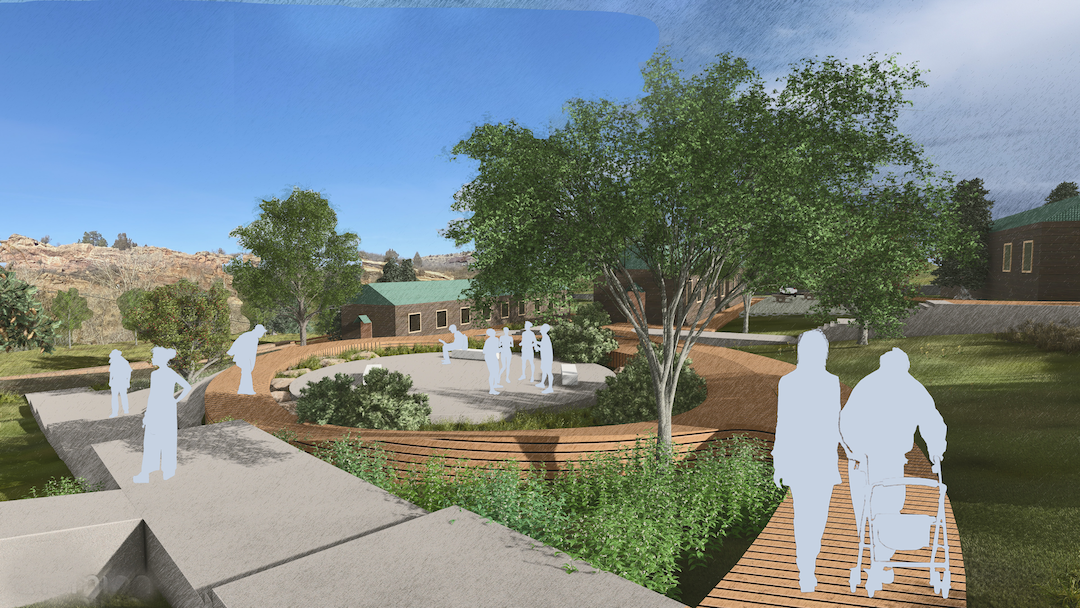
Credit: architectureandplanning.ucdenver.edu
Popular Degree Options
A degree in landscape architecture or horticulture provides essential skills for garden design. These programs cover plant science, design principles, and environmental sustainability. Ideal for creative individuals passionate about transforming outdoor spaces.
Choosing the right degree for garden designing can set the foundation for a successful and fulfilling career. With several popular degree options available, you can find a path that aligns with your interests and career goals. Whether you’re drawn to the artistic aspects or the scientific side of garden designing, there’s a degree for you.Landscape Architecture
Landscape Architecture combines creativity with technical skills. This degree focuses on designing outdoor spaces that are both functional and beautiful. You’ll learn about site analysis, environmental impact, and sustainable design practices. Picture yourself transforming urban areas into green sanctuaries. This is the degree for those who want to make a tangible difference in urban planning.Horticulture Science
Horticulture Science dives into the biology and chemistry of plants. It’s perfect if you’re fascinated by plant growth and health. You’ll gain knowledge on plant breeding, soil management, and pest control. Imagine being able to select the right plants that flourish in specific climates and soil types. This degree equips you with the expertise needed to nurture beautiful gardens that thrive year-round.Environmental Design
Environmental Design merges sustainability with aesthetics. This degree emphasizes designing spaces that harmonize with natural surroundings. You’ll explore eco-friendly materials and energy-efficient practices. Consider how you can create garden spaces that are not only stunning but also environmentally responsible. This degree encourages innovation in blending nature with human habitation. Each of these degrees offers unique insights and skills, tailored to different aspects of garden designing. Which degree resonates with your passion and aspirations?Combining Art And Science
A degree in garden design blends creativity with scientific principles. Landscape architecture programs offer a balanced approach. Students learn plant biology alongside design techniques, ensuring gardens are both beautiful and sustainable.
Combining art and science creates a perfect garden design. This unique blend requires a good degree that nurtures both elements. Garden design is not just about planting flowers. It’s about creating a harmonious space. A degree in garden designing combines creativity with scientific knowledge. This ensures both aesthetic appeal and plant health.Role Of Creativity In Design
Creativity shapes the visual aspect of garden design. It involves choosing colors, textures, and layout. A designer uses creativity to craft spaces that evoke emotions. The creative process includes imagining and sketching unique landscapes. Artistic skills help in visualizing the final garden appearance. Designers must balance style with functionality. Creativity ensures the garden is not just beautiful but also practical.Scientific Principles In Gardening
Scientific principles maintain the health and growth of plants. Understanding soil types and plant biology is crucial. Science guides the selection of plants suitable for specific climates. It involves knowledge of pest control and irrigation methods. Designers must know how plants interact with each other. This ensures a sustainable ecosystem within the garden. Science ensures the garden thrives year-round, maintaining its beauty.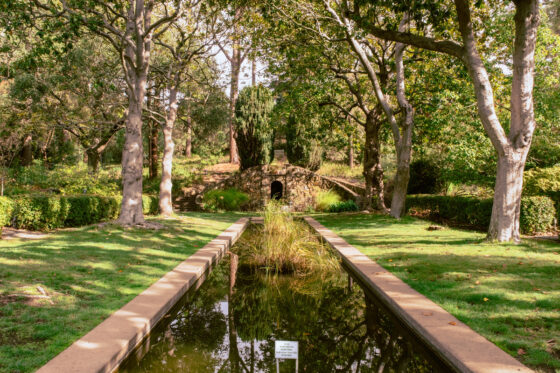
Credit: ced.berkeley.edu
Specialized Courses And Certifications
Choosing a degree for garden designing can be exciting. Specialized courses and certifications offer in-depth knowledge. They help you stand out in the field. These programs focus on various aspects of garden design. They cover everything from plant care to innovative design techniques.
Sustainable Gardening Practices
Sustainable gardening is crucial today. Courses in this area teach eco-friendly methods. You’ll learn how to minimize environmental impact. Techniques include water conservation and composting. These practices create healthier gardens. They also support local ecosystems.
Advanced Plant Identification
Understanding plant species is key for garden designers. Advanced plant identification courses offer detailed insights. You’ll study plant characteristics and growth patterns. This knowledge helps in selecting the right plants. It ensures compatibility with the garden environment. Accurate identification aids in effective garden planning.
Career Opportunities
A degree in landscape architecture or horticulture offers solid career paths in garden design. These programs teach essential skills like plant selection and landscape planning, preparing students for diverse roles in the field.
A degree in garden design can open a myriad of career opportunities for those passionate about transforming outdoor spaces. The knowledge and skills gained from such a degree allow you to work in various environments, from intimate backyard projects to expansive commercial landscapes. With the increasing demand for sustainable and aesthetically pleasing outdoor designs, garden designers are more sought after than ever.Residential Vs Commercial Design
When choosing between residential and commercial design, consider the scale and scope of the projects. Residential garden design often involves creating personalized, cozy spaces tailored to a homeowner’s tastes. It requires an understanding of the homeowner’s lifestyle, preferences, and the existing landscape. On the other hand, commercial design projects can be vast and complex, often involving collaboration with architects and city planners. These projects might include designing parks, business complexes, or urban green spaces. Each path offers unique challenges and rewards, allowing you to find a niche that suits your skills and interests.Emerging Trends In Garden Design
Garden design is continuously evolving, with new trends offering exciting opportunities for innovative designers. Sustainable design is at the forefront, with a focus on native plants, water conservation, and eco-friendly materials. This trend not only benefits the environment but also attracts environmentally conscious clients. Technology is another trend reshaping garden design, with the use of 3D modeling and drone technology to visualize and plan projects efficiently. Smart gardens, featuring automated irrigation and lighting systems, are gaining popularity. Staying updated with these trends can give you a competitive edge, ensuring your designs are both modern and functional. Are you ready to explore the diverse career paths in garden design? Consider what excites you most about this field and how you can leverage your unique skills to create stunning outdoor spaces.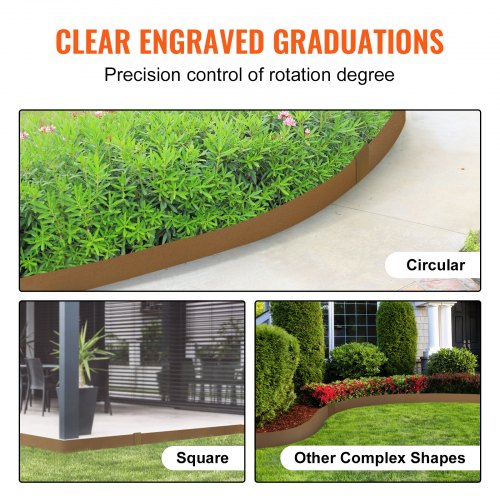
Credit: www.vevor.com
Building A Portfolio
A good degree for garden designing is landscape architecture. It combines creativity with practical skills. Students learn design principles, horticulture, and environmental planning. This education helps create beautiful, sustainable gardens.
Building a Portfolio Creating a compelling portfolio is crucial for any aspiring garden designer. It’s your chance to showcase your creativity, skills, and vision to potential clients or employers. But how do you make your portfolio stand out in a sea of talented designers? Think about what unique elements you bring to garden design. Maybe it’s your knack for sustainable practices or a flair for incorporating local flora. Whatever your strength, make sure it shines through in your portfolio. Your portfolio should be a visual narrative of your journey as a designer, illustrating your growth and versatility. Include a variety of projects to demonstrate your range and adaptability. Remember, a strong portfolio can be your ticket to exciting opportunities in the world of garden design.Showcasing Design Projects
Your design projects are the heart of your portfolio. Select a diverse array of projects that reflect your skills and interests. Each project should tell a story of your design process, from initial concept to final execution. Include high-quality images that capture the essence of each project. Consider before-and-after photos to highlight the transformation you achieved. Include brief descriptions to provide context and detail your role in each project. Share any challenges you faced and how you overcame them. This not only showcases your problem-solving skills but also adds depth to your portfolio. Remember, your projects should reflect not just what you can do, but what you aspire to achieve in your career.Utilizing Digital Tools
Digital tools can elevate your portfolio, making it more interactive and engaging. Use software like SketchUp or AutoCAD to create digital renderings of your designs. These tools can bring your ideas to life, offering a realistic preview of your concepts. Consider creating an online portfolio using platforms like Behance or a personal website. This not only widens your reach but also shows potential clients that you are tech-savvy and adaptable to modern trends. Incorporate videos or virtual tours to provide a more immersive experience. This can be particularly effective for larger projects where photos might not capture the full scope. Embracing digital tools can set you apart and demonstrate your willingness to innovate in the field of garden design.Choosing The Right Institution
Selecting an institution with a strong garden design program is crucial. Look for schools offering comprehensive degrees covering landscape architecture, horticulture, and design principles. These courses provide essential skills for creating beautiful, functional gardens.
Choosing the right institution is a pivotal step in pursuing a degree in garden design. The right school can shape your education, influence your professional network, and open doors to future opportunities. As you embark on this journey, consider several critical factors that will ensure your education aligns with your career goals.Accreditation And Reputation
Accreditation is a hallmark of quality. It ensures that the institution meets specific standards of excellence and is recognized by employers. Check if the institution is accredited by relevant bodies in landscape architecture or garden design. Reputation matters too. A well-regarded institution can enhance your resume and provide a competitive edge. Research alumni success stories and faculty achievements to gauge the institution’s standing.Industry Connections And Internships
Industry connections can significantly impact your career. Institutions with strong ties to the garden design sector offer valuable networking opportunities. These connections might lead to job offers, collaborations, or mentorships. Internships are equally crucial. They provide real-world experience and can help bridge the gap between theory and practice. Seek out institutions that have a robust internship program, partnering with reputable firms to enhance your learning. Choosing the right institution can be a transformative decision. What specific elements do you prioritize in your educational journey?Frequently Asked Questions
What Degree Is Best For Garden Designing?
A degree in Landscape Architecture or Horticulture is ideal for garden designing. These programs teach essential design principles, plant knowledge, and environmental awareness. They offer a balanced mix of technical skills and creative insight, preparing students for a successful career in garden design.
Do I Need A Degree To Be A Garden Designer?
While a degree is not mandatory, it significantly enhances career prospects. Formal education provides essential skills and credentials. It also ensures comprehensive knowledge of design principles, plant care, and sustainable practices. Many employers prefer candidates with a relevant degree in landscape architecture or horticulture.
What Skills Are Taught In Garden Design Degrees?
Garden design degrees teach landscape planning, plant identification, and design software skills. Students learn sustainable practices, environmental considerations, and artistic design principles. These programs often include hands-on projects and internships, providing practical experience and fostering creativity in garden planning.
Are Online Garden Design Degrees Available?
Yes, many institutions offer online garden design degrees. These programs provide flexibility for students balancing other commitments. Online courses cover essential topics like plant science, design principles, and landscape planning. They often include virtual workshops and assignments to ensure practical learning.
Conclusion
Choosing the right degree is crucial for garden designing success. Landscape architecture offers comprehensive knowledge of design and ecology. Horticulture teaches plant care and garden maintenance skills. Interior design can provide creative perspectives for innovative spaces. Each of these degrees contributes unique benefits.
Consider your interests and career goals carefully. Explore various programs and their curricula. Speak with professionals in the field for insights. Find a degree that matches your passion for garden design. The right education lays a strong foundation. Start your journey towards a fulfilling career in garden designing today.







