Are you looking to boost the health and beauty of your veggie garden? Choosing the right flowers to plant alongside your vegetables can make a big difference.
Not only do they add vibrant colors, but certain flowers also attract helpful insects and keep pests away. Imagine your garden thriving with buzzing bees and colorful blooms, all working together to help your veggies grow better. Keep reading to discover which flowers are perfect for your veggie garden and how they can make your gardening experience more successful and enjoyable.
Benefits Of Flowers In Veggie Gardens
Flowers are more than just beautiful additions to your vegetable garden. They help your plants grow better and stay healthy.
Adding flowers to your veggie garden brings many benefits. These benefits support a strong, productive garden.
Attracting Pollinators
Flowers attract bees, butterflies, and other pollinators. These insects help your vegetables produce fruit by moving pollen from flower to flower.
- Sunflowers draw bees
- Marigolds attract butterflies
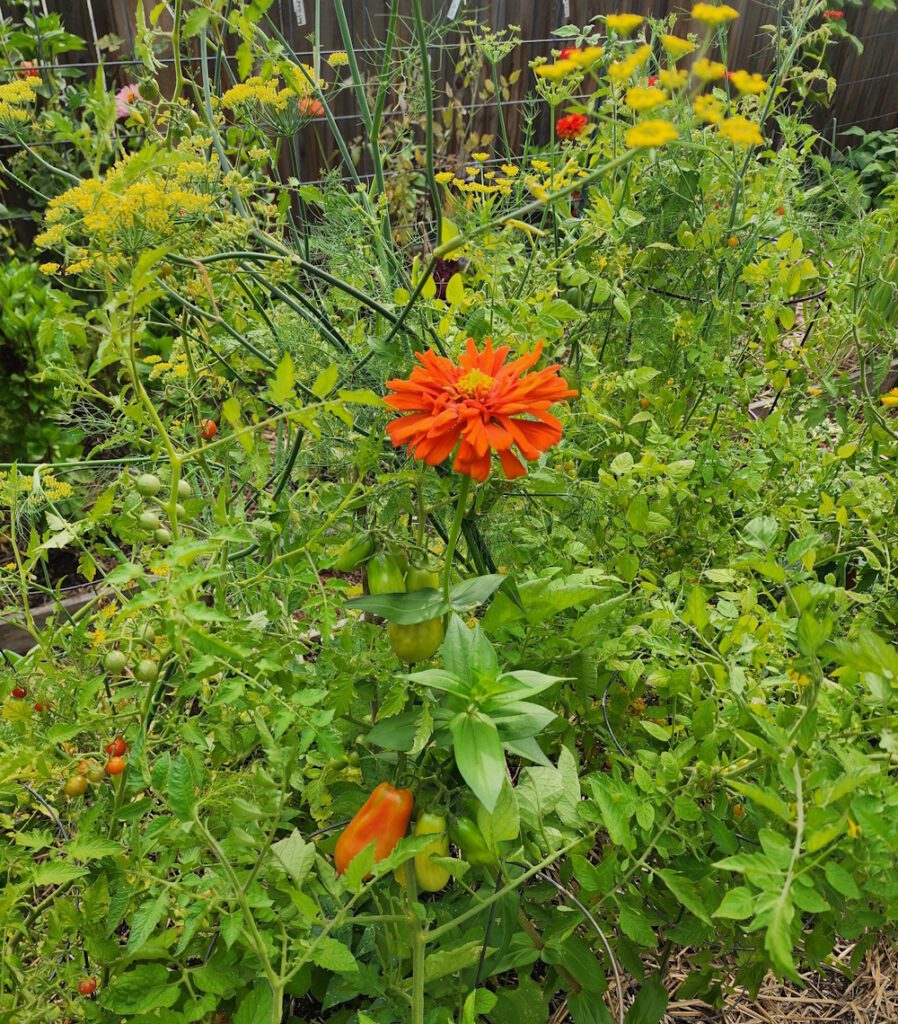
- Zinnias bring in hoverflies
- Cosmos attract many pollinators
Pest Control
Certain flowers keep harmful insects away from your vegetables. They act as natural pest repellents.
- Marigolds deter nematodes and aphids
- Nasturtiums attract aphids away from vegetables
- Chrysanthemums repel beetles
- Calendula fights whiteflies
Improving Soil Health
Some flowers help fix nutrients in the soil. They add organic matter when they decompose, improving soil quality.
| Flower | Soil Benefit |
| Sweet Clover | Fixes nitrogen |
| Comfrey | Adds minerals |
| Alfalfa | Improves soil texture |
| Sunflower | Breaks up compacted soil |
Enhancing Garden Aesthetics
Flowers add color and life to your vegetable garden. They make your garden a pleasant place to spend time.
Tip:Plant flowers in rows or patches near vegetables for the best look and benefit.
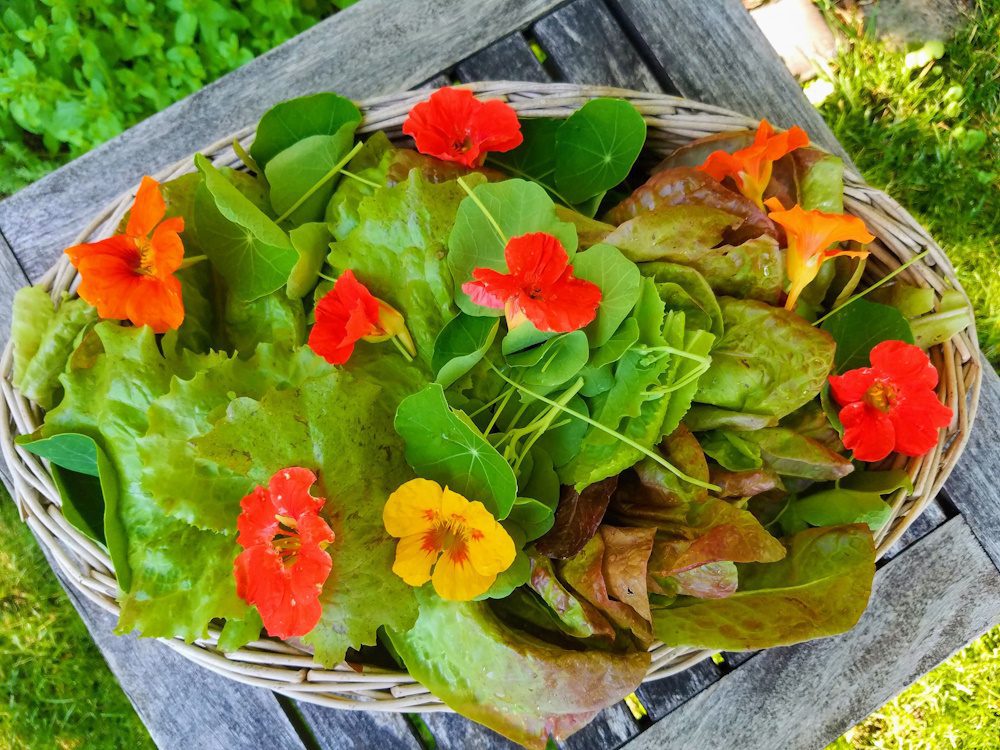
Credit: thecoeurdalenecoop.com
Best Flowers For Pollination
Planting flowers in your vegetable garden helps attract pollinators. These insects help plants grow fruits and seeds.
Choosing the right flowers can increase pollination and improve your harvest. Here are some of the best flowers to plant.
Marigolds
Marigolds are bright and easy to grow. They attract bees and butterflies that pollinate vegetable plants.
They also help keep pests away, making your garden healthier. Plant marigolds near tomatoes and peppers for best results.
Sunflowers
Sunflowers are tall and colorful flowers that attract many pollinators. Bees love their large, open blooms.
They provide a landing spot for pollinators and add height to your garden. Sunflowers work well near beans and cucumbers.
Zinnias
Zinnias bloom all summer long and are very attractive to butterflies. They bring many pollinators to your veggie garden.
These flowers come in many colors and sizes. Plant zinnias near squash and eggplants to boost pollination.
Cosmos
Cosmos have delicate, daisy-like flowers that attract bees and other pollinators. They are easy to grow and spread quickly.
Plant cosmos near lettuce and carrots to help with pollination and add beauty to your garden.
Flowers That Repel Pests
Adding flowers to your veggie garden can help keep pests away. Some flowers naturally repel insects that harm vegetables.
Planting these flowers near your vegetables protects them without using chemicals. They also make your garden look nice.
Nasturtiums
Nasturtiums are bright flowers that repel many garden pests. They help keep aphids, whiteflies, and beetles away.
These flowers also attract beneficial insects like ladybugs. They act as a trap crop, drawing pests away from vegetables.
Chrysanthemums
Chrysanthemums contain a natural chemical called pyrethrin. Pyrethrin is a strong insect repellent that protects plants.
Planting chrysanthemums near your veggies helps reduce ants, fleas, and other bugs. They also add color to your garden.
Lavender
Lavender has a strong scent that many pests dislike. It keeps moths, fleas, and mosquitoes away from your garden.
Besides repelling bugs, lavender attracts pollinators. Bees and butterflies visit your garden, helping your veggies grow better.
Calendula
Calendula, also called pot marigold, repels nematodes and harmful insects. It protects root systems and leaves from damage.
This flower also attracts hoverflies and ladybugs. These insects eat pests, helping your vegetable plants stay healthy.
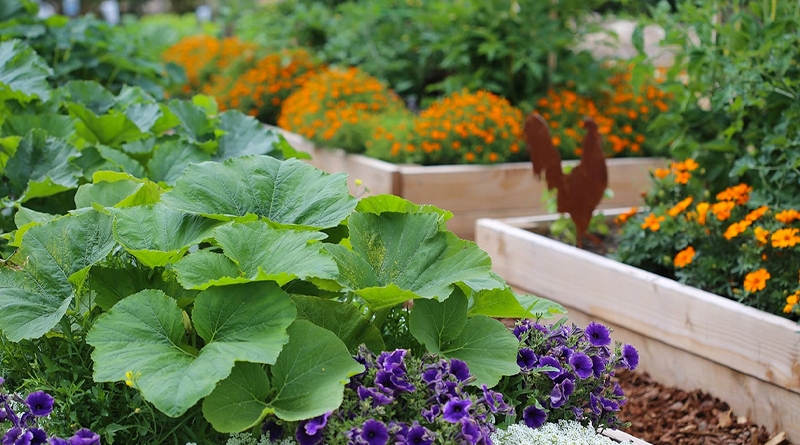
Credit: localgardener.net
Companion Flowers For Common Vegetables
Companion planting improves growth and health of your veggie garden. Certain flowers help vegetables by repelling pests or attracting pollinators.
This guide explores which flowers you can plant with common vegetables for a thriving garden.
Tomatoes And Basil
Planting basil near tomatoes enhances their flavor and repels harmful insects. Basil attracts bees, which are essential for pollination.
- Plant basil in between tomato plants.
- Water regularly to keep the soil moist.
- Trim basil leaves to encourage growth.
Carrots And Chervil
Chervil is a great companion for carrots. It improves carrot growth and deters pests. Plant chervil seeds alongside carrot seeds for best results.
| Vegetable | Companion Flower | Benefit |
| Carrots | Chervil | Pest deterrence |
| Tomatoes | Basil | Flavor enhancement |
Cucumbers And Nasturtiums
Nasturtiums are excellent companions for cucumbers. They attract beneficial insects and repel cucumber beetles. Plant nasturtiums around cucumber mounds.
Beans And Nasturtiums
Beans thrive when grown with nasturtiums. These flowers improve nitrogen levels in the soil. They also keep pests away from your bean plants.
- Plant nasturtiums along bean rows.
- Provide support for bean vines.
- Watch for increased bean production.
Planting Tips For Flower Integration
Adding flowers to your vegetable garden can help attract pollinators and keep pests away.
Use the right planting methods to ensure both flowers and veggies grow well together.
Spacing And Placement
Give flowers enough space to grow without crowding vegetable plants.
- Plant taller flowers at the garden’s edge to avoid shading veggies.
- Keep at least 12 inches between flowers and vegetables.
- Group flowers that attract beneficial insects near vegetable rows.
Soil Preparation
Prepare soil well to support healthy growth for flowers and vegetables.
| Soil Task | Details |
| Test pH | Keep soil pH between 6.0 and 7.0 |
| Add Compost | Mix organic compost into top 6 inches |
| Loosen Soil | Use a garden fork to aerate soil |
| Remove Weeds | Clear weeds before planting |
Watering Practices
Water your garden carefully to meet the needs of both flowers and vegetables.
- Water early in the morning to reduce evaporation.
- Use drip irrigation to deliver water directly to roots.
- Avoid wetting leaves to prevent disease.
- Check soil moisture regularly to avoid overwatering.
Timing Your Planting
Plant flowers and vegetables at the right time for your climate zone.
- Check last frost date for your area.
- Start flowers indoors if needed, 6-8 weeks before outdoor planting.
- Plant vegetables and flowers outdoors after frost risk passes.
- Space out planting dates to extend bloom and harvest times.
Maintenance For Flower And Veggie Harmony
Planting flowers in your veggie garden can help attract pollinators and keep pests away. To keep both plants healthy, regular maintenance is important.
Good care ensures flowers and vegetables grow well together without crowding or disease problems.
Pruning And Deadheading
Pruning helps keep plants tidy and encourages new growth. Deadheading means removing old flowers to help plants bloom longer.
Removing dead flowers stops the plant from using energy on seeds and keeps the garden neat.
- Cut back overgrown stems to prevent shade on vegetables
- Pinch off wilted flowers regularly
- Use clean tools to avoid spreading disease
Managing Growth
Flowers and veggies need space to grow. Watch for plants that crowd each other and reduce airflow.
Thin plants by trimming or removing some to stop overcrowding. This helps both types get enough sunlight and nutrients.
- Space plants according to their needs
- Stake tall flowers to prevent falling on vegetables
- Remove suckers or side shoots if they block veggies
Monitoring For Pests And Diseases
Check flowers and vegetables often for signs of pests or diseases. Early detection helps stop problems from spreading.
Use natural methods like handpicking pests or spraying water to keep bugs away without harming plants.
- Look under leaves for eggs or insects
- Remove damaged or diseased leaves immediately
- Encourage beneficial insects like ladybugs
Seasonal Flower Choices
Planting flowers in your veggie garden adds color and attracts helpful insects. Choosing the right flowers for each season keeps your garden vibrant year-round.
This guide helps you pick flowers that bloom well with your vegetables. Learn which flowers suit spring, summer, fall, and winter gardening.
Spring Bloomers
Spring flowers bring fresh life to your garden early in the year. They help attract bees and other pollinators needed for your vegetables.
- Calendula: Bright orange and yellow petals that repel pests.
- Nasturtium: Edible flowers that attract aphids away from veggies.
- Sweet Alyssum: Small white flowers that lure beneficial insects.
- Snapdragons: Tall spikes that add height and color variety.
Summer Favorites
Summer flowers thrive in warm weather and keep your garden lively. They also help shade plants and attract pollinators during hot days.
| Flower | Benefit | Color |
|---|---|---|
| Marigold | Repels harmful insects | Yellow, Orange |
| Zinnia | Attracts butterflies | Red, Pink, White |
| Sunflower | Provides shade and seeds | Yellow, Brown |
| Cosmos | Draws bees and birds | Pink, White, Purple |
Fall Options
Fall flowers prepare your garden for cooler weather. They offer color and help keep pests away as plants slow down.
- Chrysanthemums: Long-lasting blooms in many colors.
- Pansies: Hardy flowers that tolerate cold nights.
- Ornamental Kale: Adds texture and bright leaves.
- Asters: Attract late-season pollinators.
Winter Hardy Flowers
Winter flowers survive frost and snow. They keep your garden alive and provide food for early pollinators.
| Flower | Winter Hardiness | Notes |
|---|---|---|
| Hellebores | Very hardy | Blooms in late winter |
| Snowdrops | Hardy | One of the first to bloom |
| Witch Hazel | Hardy shrub | Bright yellow flowers in winter |
| Camellia | Hardy in mild winters | Blooms in late winter |
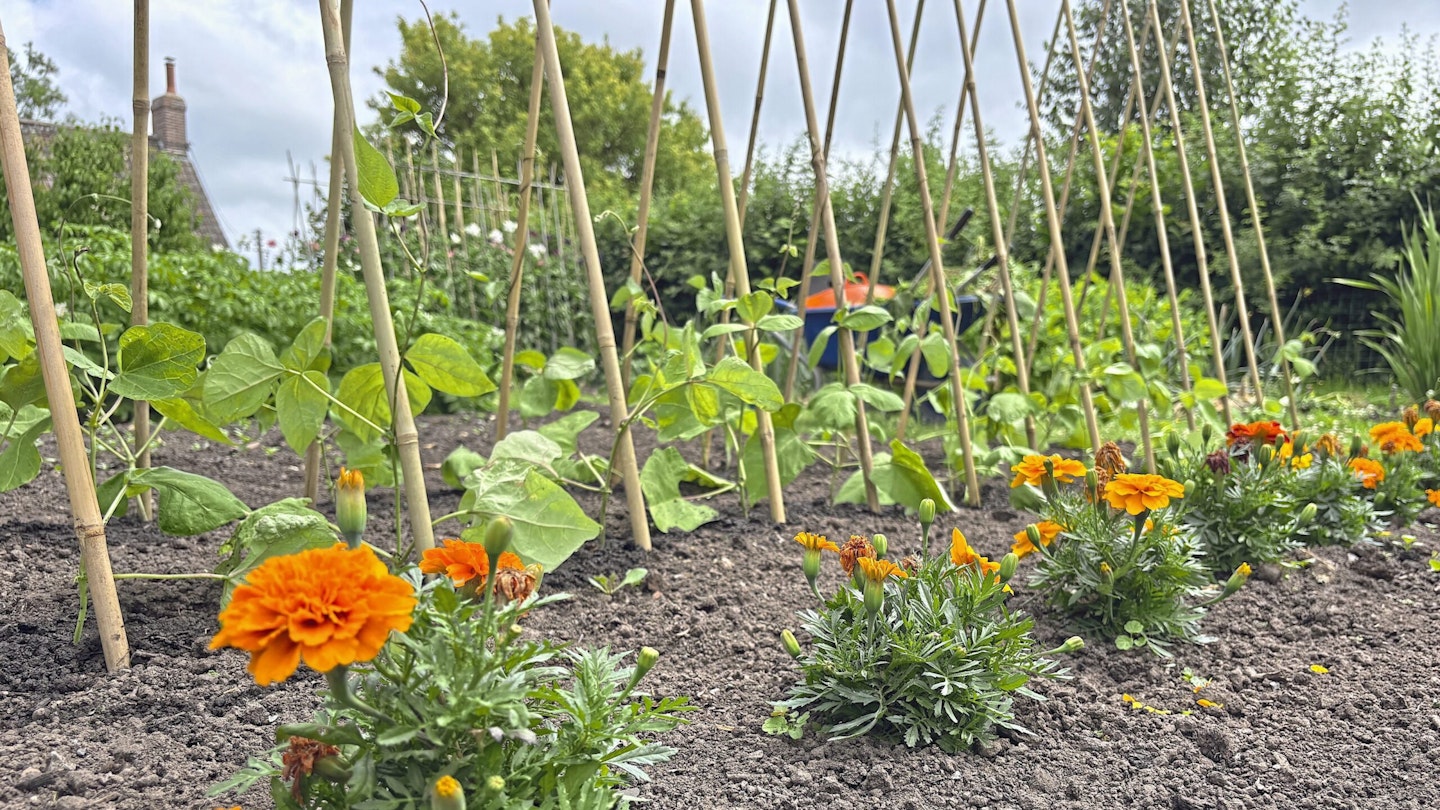
Credit: www.gardennewsmagazine.co.uk
Creative Garden Design Ideas
Adding flowers to your veggie garden can make it more beautiful and healthy. Flowers bring color and help plants grow better.
Choosing the right flowers creates a lively and productive garden. Let’s explore some smart design ideas.
Color Combinations
Mixing flower colors can brighten your veggie garden. Choose colors that contrast with your vegetables.
Bright reds, yellows, and purples look great near green leaves. Soft pastels add a calm touch.
- Plant marigolds near tomatoes for bright yellow and orange
- Use purple salvia to stand out against green lettuce
- Mix white daisies with red peppers for contrast
- Try pink zinnias with green beans for a soft look
Layered Planting
Layer flowers and veggies by height to save space and add interest. Place tall plants at the back.
Use medium and low plants in front. This way, every plant gets sunlight and shows its colors.
- Tall sunflowers behind climbing beans
- Medium cosmos flowers near bushy peppers
- Low alyssum or nasturtiums at the garden edge
Attracting Beneficial Insects
Flowers can bring helpful insects like bees and ladybugs. These bugs pollinate and eat pests.
Planting certain flowers near veggies supports a healthy garden ecosystem and reduces bugs.
- Marigolds attract ladybugs that eat aphids
- Borage draws bees to pollinate cucumbers and squash
- Lavender helps attract pollinators
- Dill and fennel bring beneficial wasps
Maximizing Small Spaces
Use flowers that grow well in small areas. Choose compact or trailing types.
Plant flowers in pots or edges to add color without losing veggie space.
- Plant nasturtiums in hanging baskets or pots
- Use dwarf cosmos near herbs
- Grow sweet alyssum as ground cover around veggies
- Try small pansies in container gardens
Frequently Asked Questions
What Flowers Improve Veggie Garden Pollination?
Flowers like marigolds, sunflowers, and nasturtiums attract pollinators. These insects boost vegetable pollination and increase crop yield. Planting them near veggies ensures better fruit production and garden health.
Which Flowers Repel Pests In Vegetable Gardens?
Marigolds, nasturtiums, and calendulas naturally repel pests. They protect vegetables from harmful insects without chemicals. These flowers reduce pest damage and promote organic gardening.
Can Flowers Enhance Vegetable Garden Soil Health?
Yes, flowers such as clover and alyssum improve soil fertility. They fix nitrogen and attract beneficial insects. This enriches soil, benefiting vegetable growth and garden sustainability.
What Flowers Bloom Well With Vegetables?
Sunflowers, zinnias, and cosmos bloom alongside veggies. They add color and attract pollinators. These flowers thrive in similar conditions, complementing vegetable gardens beautifully.
Conclusion
Planting flowers in your veggie garden helps attract helpful insects. They can protect vegetables from pests and boost growth. Choose flowers that suit your climate and soil well. Bright colors add beauty and bring bees and butterflies. This small step improves your garden’s health and yield.
Enjoy the mix of veggies and flowers growing together. Your garden becomes more lively and productive over time. Try different flowers and watch your garden thrive. Simple choices make a big difference for your veggies.