
Growing your own vegetable garden can be a delightful and rewarding experience. Imagine stepping outside and picking fresh, juicy tomatoes or crisp lettuce right from your backyard.
But, to reap the best harvest, timing is everything. So, when should you start planting your vegetable garden? The answer isn’t one-size-fits-all; it depends on where you live, the vegetables you want to grow, and the climate. If you’ve ever felt overwhelmed by the idea of finding the perfect planting time, you’re not alone.
We’ll simplify the process for you, helping you turn your garden dreams into reality. Get ready to learn how to choose the right moment to plant each vegetable for a thriving garden. Keep reading, and discover how you can maximize your harvest and enjoy the fruits (and veggies) of your labor!
Climate Considerations
Choosing the right time to plant your vegetable garden depends largely on climate considerations. Each region has unique weather patterns that influence planting times. Understanding these factors can help you ensure a successful harvest.
Frost Dates
Knowing your area’s frost dates is crucial. Frost can damage young plants. Check local resources for the last expected frost date in spring. This date helps determine the safest time to start planting. Similarly, the first expected frost date in fall signals when to harvest.
Temperature Ranges
Vegetables thrive in different temperature ranges. Some prefer cooler temperatures, like lettuce and spinach. Others, such as tomatoes and peppers, need warmth. Monitor soil and air temperatures. This ensures optimal conditions for each crop. Use a soil thermometer for precise readings.
Regional Variations
Regional climates vary widely. Coastal areas may have milder winters. Mountain regions might experience late springs. Research your local climate specifics. This information helps tailor your planting schedule. Consult local gardening guides or extension services. They provide valuable insights based on regional data.
Seasonal Planting Guide
Planning your vegetable garden according to the seasons can be a game-changer. Understanding when to plant ensures your veggies thrive, giving you a bountiful harvest. This guide breaks down seasonal planting, offering insights that can transform your gardening experience.
Spring Planting
Spring is a time of renewal, and your garden is no exception. As the frost melts away, it’s prime time for sowing seeds like peas, radishes, and lettuce. These crops love the cool spring air and will flourish as temperatures rise.
Consider starting seeds indoors during late winter. This gives them a head start, so they’re ready to be transplanted once the soil is warm enough. Have you ever tried this technique? It can significantly boost your growing season.
Summer Planting
Summer is synonymous with vibrant growth. Warm-season crops like tomatoes, peppers, and cucumbers thrive in the heat. Ensure they get plenty of sunlight, and watch them grow vigorously.
It’s also a perfect time for succession planting. Planting at intervals will keep your harvest coming all summer long. Have you thought about staggering your planting schedule to maximize yield?
Fall Planting
Fall is often overlooked, but it’s perfect for cool-weather crops. Think carrots, kale, and broccoli. They love the cooler temperatures and can even tolerate a light frost.
Consider using row covers to extend your growing season. This protection can keep your garden producing well into late fall. Have you experimented with row covers before? They can be a simple yet effective tool.
Winter Planting
While winter might seem like a gardening hiatus, it’s the perfect time for planning and preparation. You can start indoor gardening with herbs or leafy greens using hydroponics or containers.
Reflect on last year’s successes and challenges. What could you do differently this year to optimize your garden’s yield? Planning during winter can set you up for a productive growing season ahead.
Soil Preparation
Preparing soil is crucial for planting a vegetable garden. Ensure soil is enriched with nutrients and free from weeds. Proper soil preparation leads to healthy plants and bountiful harvests.
Preparing your soil is the cornerstone of a thriving vegetable garden. The condition of your soil can make or break your gardening success. Good soil preparation ensures your plants get the nutrients they need to grow strong and yield abundantly. Here’s how you can get started with testing and improving your soil.Testing Soil Health
Before planting, knowing the health of your soil is crucial. Testing your soil helps you understand its nutrient levels, pH balance, and texture. You can purchase a simple soil test kit from a garden center or send a sample to a local agricultural extension service. This knowledge empowers you to make informed decisions about what your soil needs.Amending Soil
Once you know what your soil lacks, you can start amending it. If your soil is too acidic, adding lime can help balance the pH. For nutrient-deficient soil, consider incorporating organic matter like compost or well-rotted manure. These amendments enrich your soil, providing essential nutrients your vegetables require.Tilling And Aeration
Tilling breaks up compacted soil, making it easier for roots to penetrate. It also helps mix in any amendments you’ve added. Aeration is equally vital, as it allows oxygen to reach plant roots, promoting healthy growth. Use a garden fork or tiller to gently turn the soil, being careful not to overwork it, as this can damage its structure. Preparing your soil might seem like extra work, but it sets the stage for a bountiful harvest. Are you ready to dig deep and give your vegetables the best start possible?
Credit: www.amyscreativepursuits.com
Selecting Vegetables
Timing is crucial for planting your vegetable garden. Consider the local climate and frost dates. Choose vegetables that thrive in your season for the best harvest.
When planning your vegetable garden, selecting the right vegetables is crucial. Each type of vegetable has its own growing season. Understanding these seasons ensures a bountiful harvest. Choosing the right vegetables can make your garden thrive.Cool-season Vegetables
Cool-season vegetables grow well in cooler temperatures. They can be planted in early spring or late summer. Examples include lettuce, spinach, and broccoli. These vegetables thrive in temperatures between 55°F and 75°F. They can withstand a light frost, making them perfect for early planting.Warm-season Vegetables
Warm-season vegetables need higher temperatures to grow. They should be planted after the last frost. Popular choices are tomatoes, peppers, and cucumbers. These require temperatures above 70°F. Warm-season crops flourish in the summer heat. Plant them when soil is warm for best results.Perennial Choices
Perennial vegetables come back year after year. They require less planting effort each season. Asparagus and rhubarb are common perennials. These vegetables establish strong root systems over time. They save you time and effort in the long run. Perennials can be a great addition to any garden.Starting Seeds Indoors
Starting seeds indoors helps control planting times for a vegetable garden. Begin when frost danger is low and daylight increases. Early planting ensures strong seedlings ready for outdoor transplant.
Starting seeds indoors can give your vegetable garden a great start. It allows you to get a jump on the growing season. This method is perfect for those with short growing seasons. It also provides more control over the environment.Timing For Seed Starting
Timing is crucial for starting seeds indoors. Begin about six to eight weeks before the last frost date. This ensures seedlings are ready for transplanting. Check seed packets for specific timing guidance. Each vegetable may have different needs.Indoor Growing Conditions
Create the right conditions for seeds to thrive indoors. Use seed-starting trays with drainage holes. Fill them with a quality seed-starting mix. Keep the soil moist but not soggy. Ensure consistent warmth with heating mats if necessary. A temperature of 65-75°F is ideal. Provide ample light to prevent leggy seedlings. Use grow lights if natural light is insufficient. Position lights 2-3 inches above seedlings. Adjust as plants grow taller.Transplanting Seedlings
Transplanting seedlings requires care. Harden off plants before moving them outdoors. Gradually introduce them to outdoor conditions over 7-10 days. Start with a few hours of sunlight each day. Increase exposure time slowly. Once hardened, transplant seedlings into prepared garden beds. Ensure spacing aligns with each plant’s needs. Water thoroughly after planting to reduce transplant shock. Keep an eye on weather conditions post-transplant. Protect young plants from unexpected cold snaps.Direct Sowing Techniques
Timing is key for direct sowing in your vegetable garden. Consider local climate conditions and frost dates for optimal results. Plant seeds when the soil warms and danger of frost has passed.
Direct sowing is an efficient and straightforward way to start your vegetable garden. It involves planting seeds directly into the soil where they will grow. This technique eliminates the need for transplanting, saving you time and effort. However, success depends on factors like soil temperature, proper spacing, and effective watering strategies. Let’s explore these critical components to ensure your garden flourishes from the get-go.Soil Temperature
Checking the soil temperature before sowing can make all the difference. Most seeds have a preferred temperature range, usually between 60°F and 75°F, to germinate effectively. Use a soil thermometer to get an accurate reading, especially after the last frost date in your area. Cold soil can delay germination, while overly warm soil can dry out seeds. If you’ve ever wondered why your seeds didn’t sprout, temperature could be the hidden culprit. So, before planting, ask yourself: is the soil ready?Spacing And Depth
Proper spacing and depth are vital for seedling health. Crowded plants compete for nutrients, light, and water, which can stunt growth. Check your seed packets for specific spacing instructions and adhere to them for the best results. Planting seeds at the recommended depth ensures they have enough soil cover to retain moisture without suffocating them. If you’re unsure, a good rule of thumb is to plant seeds at a depth twice their diameter. Accurate spacing and depth give your plants the best start, so resist the urge to scatter seeds haphazardly.Watering Strategies
Watering is more art than science, especially with direct sowing. Initially, keep the soil consistently moist to encourage germination. Use a gentle spray to avoid dislodging seeds or eroding the soil. Once seedlings emerge, adjust your watering frequency. Overwatering can drown young roots, while under-watering can lead to wilting. Consider using mulch to retain moisture and reduce the frequency of watering. Have you thought about how your watering habits might be impacting your garden’s success? Direct sowing can be incredibly rewarding if you pay attention to these details. With the right techniques, your vegetable garden will be off to a healthy and vibrant start.Companion Planting
Plant vegetable gardens when frost danger passes. Companion planting enhances growth by pairing plants that support each other. Consider soil temperature and daylight for optimal results.
Companion planting is a smart way to grow vegetables. It involves planting different crops together for mutual benefits. This method enhances growth, improves soil, and reduces pests. It makes your garden healthier and more productive. Let’s explore some key aspects of companion planting.Beneficial Partnerships
Some plants grow better when they are near certain companions. For example, tomatoes and basil are great friends. Basil helps tomatoes grow and improves their flavor. Corn, beans, and squash, known as the “Three Sisters,” support each other. Corn provides support, beans enrich the soil, and squash covers the ground. Choose plant partners that complement each other for best results.Avoiding Competition
Not all plants get along well. Some compete for nutrients, water, and light. Avoid planting onions near beans or peas. They compete and can stunt growth. Keep fennel away from other plants. It releases substances that inhibit growth. Plan your garden layout to avoid these competitive pairings.Pest Control Benefits
Companion planting can help manage pests naturally. Marigolds deter nematodes and ward off harmful insects. Garlic repels aphids, beetles, and more. Planting dill near cabbage attracts beneficial insects that eat pests. Use these natural pest control strategies to maintain a healthy garden.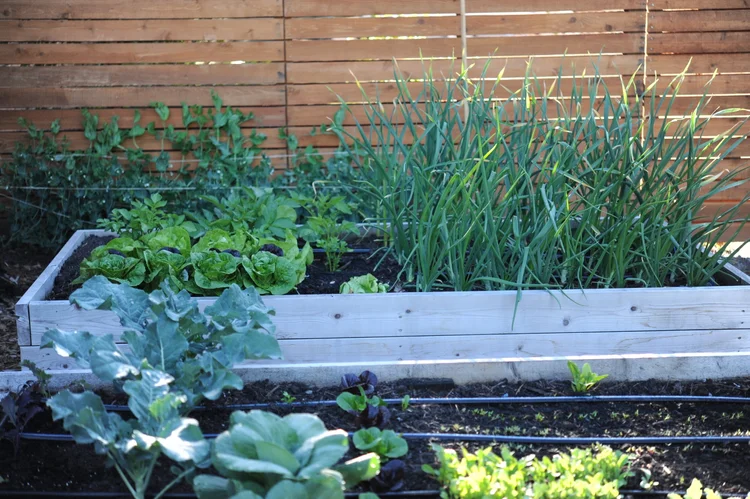
Credit: www.seattleurbanfarmco.com
Monitoring Weather Patterns
Monitoring weather patterns helps determine the best time to plant your vegetable garden. Understanding seasonal changes ensures optimal growth and harvest. Keep an eye on temperature, rainfall, and frost dates for a successful garden.
Monitoring weather patterns is crucial for a successful vegetable garden. Weather plays a big role in plant growth. Understanding these patterns helps you choose the best planting times. This knowledge safeguards your garden against unexpected weather changes.Using Weather Apps
Weather apps provide useful information for gardeners. They offer daily forecasts and updates. You can check temperature, rain, and wind predictions. This data helps decide if it is safe to plant. Use apps with alerts for sudden weather changes. This way, you can prepare your garden in advance.Responding To Unexpected Changes
Weather can change suddenly. Be ready to act fast. If frost is expected, cover your plants with blankets. Use mulch to keep soil warm and moist. For heavy rain, ensure proper drainage to avoid waterlogging. Windy days may need temporary barriers. Quick actions can save your garden from damage.Protecting Young Plants
Young plants are fragile. They need extra protection from harsh weather. Use row covers to shield them from cold and pests. Planting near fences can reduce wind impact. Consider using cloches or mini greenhouses. These structures create a warmer environment. Keeping young plants safe ensures healthy growth.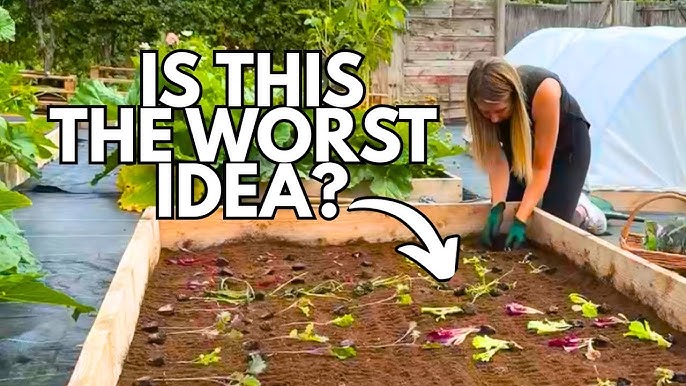
Credit: www.youtube.com
Frequently Asked Questions
What Is The Best Month To Plant Vegetables?
The ideal month varies based on your climate and region. Generally, spring is perfect for most vegetable gardens. In warmer areas, plant in March or April. Cooler regions may require planting in May. Always check local frost dates to ensure optimal planting time for your vegetables.
Can I Plant Vegetables In Winter?
Planting vegetables in winter is possible in mild climates. Choose hardy crops like kale or spinach. Use protective measures like cold frames or row covers. These strategies help maintain soil warmth and shield plants from frost. Always consult local guidelines for winter gardening to ensure successful growth.
How Do I Know When To Plant Seeds?
Check seed packets for specific planting dates. Consider local frost dates and climate conditions. Use online resources or gardening apps for regional planting calendars. Monitoring soil temperature can also guide seed planting. Following these steps ensures your seeds are planted at the optimal time for growth.
Is It Better To Start Seeds Indoors?
Starting seeds indoors can give your garden a head start. It allows control over environmental conditions. Use seed trays and grow lights for optimal results. Transplant seedlings outdoors after the last frost. This method can enhance your vegetable garden’s success, especially in colder climates.
Conclusion
Planting your vegetable garden at the right time is essential. It ensures healthy growth and a bountiful harvest. Pay attention to your local climate and frost dates. Choose suitable plants for your region and season. Regularly check soil temperature and condition.
Be patient and plan each step carefully. This way, your garden will thrive throughout the season. Remember, a well-timed garden brings joy and fresh produce. Enjoy the process, learn from experience, and soon you’ll become an expert gardener. Happy planting!







