Imagine stepping into your kitchen and plucking fresh tomatoes or crisp lettuce from your very own indoor garden. Sounds delightful, doesn’t it?
An indoor vegetable garden isn’t just a dream; it’s a reality waiting for you to create. You might wonder, “What do I need to start one? ” The answer is simpler than you think. With the right tools and knowledge, you can transform any small space into a thriving oasis of greenery.
This guide is your gateway to understanding the essentials needed to cultivate a vibrant indoor vegetable garden. Dive in, and discover how you can bring the joy of gardening into your home, no matter the weather outside. Are you ready to turn your living space into a lush, edible paradise? Let’s get started!

Credit: plantora.app
Choosing The Right Space
Creating an indoor vegetable garden can be incredibly rewarding, but it all starts with choosing the right space. Your selected area will significantly impact the health and productivity of your plants. Whether you’re working with a small apartment or a spacious home, finding the perfect spot is crucial. Let’s dive into what you need to consider when setting up your indoor vegetable garden.
Assessing Light Conditions
Light is one of the most essential elements for growing vegetables indoors. Consider spaces with plenty of natural light. South-facing windows are ideal as they provide consistent sunlight throughout the day. If natural light is limited, think about using grow lights to supplement your plants’ needs.
Observe the light patterns in your chosen space throughout the day. This will help you decide if additional lighting is necessary. Remember, leafy greens like spinach and lettuce might thrive in lower light conditions, while fruiting plants like tomatoes will need more intense light.
Space Requirements
How much space do you really need? This depends on the type of vegetables you plan to grow and the number of plants. Some vegetables, like herbs, require minimal space and can be grown in small pots on a windowsill. Larger plants, such as cucumbers or peppers, will need more room to spread.
Consider using vertical gardening solutions to maximize your area. Shelves, hanging pots, or wall-mounted planters can save floor space and create a visually appealing garden. Ask yourself if your space can accommodate these setups without hindering daily activities.
Additionally, ensure your space is easily accessible for watering, pruning, and harvesting. This makes gardening more enjoyable and helps maintain plant health.
Selecting Suitable Containers
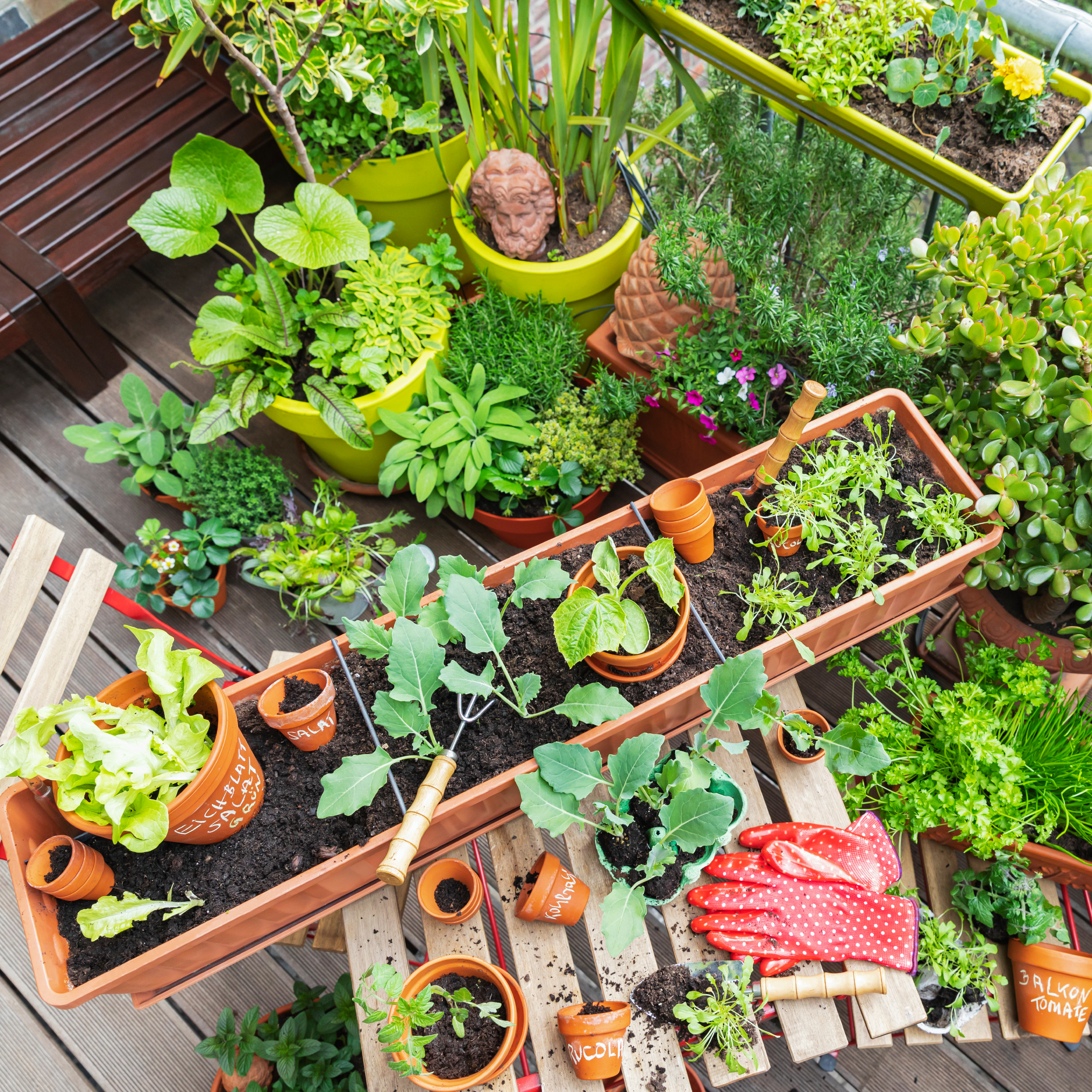
Choosing the right containers ensures healthy growth for indoor vegetable gardens. Select pots with good drainage and the appropriate size for each plant. Consider materials like plastic or clay for durability and water retention.
Selecting the right containers is vital for an indoor vegetable garden. They impact plant health and growth. The right choice helps roots breathe, drains water well, and fits the space you have. Let’s explore container types and drainage needs.Types Of Containers
Different containers suit different needs. Clay pots are popular. They allow air to reach roots. Plastic pots are lightweight and affordable. They retain moisture well. Fabric pots offer great drainage and root breathability. They are flexible and easy to move. Wooden boxes add a natural touch. Ensure they are untreated to avoid chemicals. Self-watering pots are handy for busy gardeners. They maintain moisture levels automatically.Drainage Considerations
Good drainage is crucial for plant health. Containers need holes at the bottom. This prevents water from pooling. Excess water can rot roots. Use a layer of pebbles or gravel inside. This improves drainage further. Check the container’s material. Some materials absorb and retain moisture. Monitor soil moisture regularly. Avoid overwatering to keep plants healthy.Picking The Best Soil
Choosing the right soil is crucial for your indoor vegetable garden. Opt for soil rich in nutrients and well-draining. This ensures healthy plant growth and abundant yields indoors.
Picking the right soil is crucial for your indoor vegetable garden. The soil provides essential nutrients and supports plant growth. Choosing the best soil ensures healthy plants and a bountiful harvest. Let’s explore the important factors.Soil Quality
Soil quality determines the success of your indoor garden. Good soil should be loose and well-draining. This prevents root rot and allows roots to breathe. Look for soil that’s rich in organic matter. This improves water retention and nutrient supply. Avoid heavy clay or sandy soils.Nutrient Needs
Vegetables need nutrients to grow strong and healthy. Select soil with a balanced nutrient profile. Essential nutrients include nitrogen, phosphorus, and potassium. These support leaf growth, root development, and flowering. Consider adding compost or organic fertilizers. They boost nutrient content naturally and promote plant health.Understanding Plant Varieties
Understanding plant varieties is crucial for a successful indoor vegetable garden. Different plants have unique needs. Knowing these can help them thrive indoors. Some plants require more light. Others need specific soil conditions. Choosing the right varieties ensures healthy growth. It also maximizes your garden’s productivity.
Easy-to-grow Vegetables
Start with vegetables that grow easily indoors. These include leafy greens like spinach and lettuce. Herbs such as basil and mint are simple to cultivate. Root vegetables like radishes and carrots are good choices too. They adapt well to indoor environments. They need minimal care and grow quickly. This makes them ideal for beginners. Having easy-to-grow plants boosts your confidence.
Companion Planting
Companion planting involves growing plants together for mutual benefits. Some plants help each other by improving growth. Others repel pests naturally. For instance, basil can protect tomatoes from insects. Beans enrich the soil with nitrogen. This benefits leafy greens like lettuce. Companion planting enhances plant health. It also maximizes space and yields. Understanding these relationships aids in creating a thriving indoor garden.
Managing Indoor Climate
Creating an indoor vegetable garden requires controlled humidity, consistent temperature, and adequate lighting. Ensure proper air circulation to prevent mold and pests. Select containers that fit the space and provide drainage.
Managing Indoor Climate Creating an ideal indoor climate is essential for a thriving vegetable garden. Plants need consistent conditions to grow well. Managing temperature and humidity is crucial.Temperature Control
Temperature affects plant growth significantly. Aim for a range between 65°F and 75°F. This keeps the plants comfortable. Use heaters or air conditioners to adjust temperatures. Ensure the space is not too cold or too hot. Sudden changes can stress plants.Humidity Levels
Humidity is another key factor. Vegetable plants prefer moderate humidity. Between 40% and 60% is ideal. Use humidifiers to increase moisture in dry air. Dehumidifiers help in overly humid conditions. Monitor levels regularly with a hygrometer. This tool helps keep humidity balanced.Setting Up Proper Lighting
Proper lighting is crucial for an indoor vegetable garden. Choose LED grow lights to mimic sunlight and support plant growth. Position lights close to plants for optimal energy absorption and healthier vegetables.
Setting up proper lighting is crucial for a thriving indoor vegetable garden. Light is the lifeblood of plants. It fuels photosynthesis, helping plants grow strong and healthy. Without sufficient light, vegetables may become weak and spindly. Understanding the types of grow lights and their positioning is essential for success.Types Of Grow Lights
Grow lights come in various types, each offering unique benefits. LED lights are popular due to their energy efficiency. They provide full-spectrum light, mimicking natural sunlight. Fluorescent lights are cost-effective and suitable for small spaces. They emit less heat, reducing the risk of burning plants. High-Intensity Discharge (HID) lights are powerful but use more energy. They are ideal for larger gardens needing intense light.Positioning Lights
Proper positioning of lights ensures plants receive adequate light. Place lights 12 to 24 inches above the plants for optimal growth. Adjust the height as plants grow taller. Ensure even light distribution to prevent uneven growth. Rotate plants regularly for balanced exposure. Use timers to regulate light duration, giving plants consistent light cycles.Watering Techniques
Watering your indoor vegetable garden is crucial for plant health. Proper watering keeps your plants thriving and productive. It prevents both overwatering and underwatering, two common problems. Understanding the right techniques will help you succeed.
Frequency And Amount
Knowing how often to water is essential. Most indoor vegetable plants need regular watering. Check the soil moisture before adding water. Stick your finger an inch into the soil. If it feels dry, it’s time to water. Use room temperature water for best results.
Each plant has its own water needs. Tomatoes and cucumbers may need more water. Leafy greens like lettuce require less. Adjust watering based on the plant type.
Consider the pot size too. Smaller pots dry out faster. Larger pots hold moisture longer. Keep an eye on drainage. Good drainage prevents root rot.
Self-watering Systems
Self-watering systems can simplify your gardening. They provide consistent moisture without daily effort. These systems include wicking methods and water reservoirs. Wicking uses a material that draws water from a reservoir to the plant.
Another option is a drip irrigation system. It delivers water directly to the plant roots. This method conserves water and keeps plants happy. You can also use a capillary mat. Place pots on the mat, and it will supply water as needed.
Self-watering pots are available too. They have built-in reservoirs. These pots are convenient for busy gardeners. They reduce the risk of overwatering and underwatering.
Credit: www.gardeningknowhow.com
Fertilizing Your Garden
Growing vegetables indoors requires quality soil, adequate lighting, and consistent watering. Organic fertilizers enhance growth and nutrient intake. Consider space-efficient containers to maximize yield.
Growing a lush indoor vegetable garden requires more than just sunlight and water. Fertilizing your garden is essential to ensure your plants receive the nutrients they need to thrive. Without the right nutrients, your veggies might grow slowly or produce fewer fruits. But how do you choose the right fertilizer?Organic Vs. Synthetic Fertilizers
Deciding between organic and synthetic fertilizers can be challenging. Organic fertilizers, like compost or worm castings, are derived from natural sources. They improve soil structure and encourage beneficial soil organisms. On the other hand, synthetic fertilizers are chemically manufactured. They provide nutrients in precise amounts, which can be great for quick growth. But they might not improve soil health in the long run. Which is better for your garden? Consider what you value more: quick results or long-term soil health.Application Methods
How you apply fertilizers can significantly impact your garden’s success. There are several methods to choose from, each with its pros and cons. – Top Dressing: Sprinkle the fertilizer on the soil surface around your plants. This method is easy and quick but can lead to uneven distribution. – Side Dressing: Apply the fertilizer in a band along the sides of your plants. This approach targets the roots but requires careful handling to avoid root damage. – Liquid Feeding: Dilute the fertilizer with water and apply it directly to the soil or leaves. This method offers immediate nutrient availability but may require more frequent applications. Each method has its place, but which one suits your gardening style? Consider the time you can dedicate and the specific needs of your plants.Pest And Disease Management
Ensure proper air circulation and humidity control. These help prevent molds and pests in indoor vegetable gardens. Regularly check plants for signs of diseases to maintain a healthy environment.
Pest and disease management is crucial for a thriving indoor vegetable garden. Indoor gardens are not immune to pests and diseases. These can quickly affect plant health and yield. Understanding common pests and how to prevent them ensures a healthy garden environment.Common Indoor Pests
Indoor gardens often face pests like aphids, spider mites, and whiteflies. Aphids are small insects that suck plant sap, weakening the plant. Spider mites cause yellowing and webbing on leaves. Whiteflies are tiny, white-winged insects that feed on leaves. These pests damage plants and hinder growth. Identifying them early is crucial for effective control.Preventive Measures
Maintaining cleanliness is key to pest prevention. Regularly clean plant leaves with a damp cloth. Ensure proper air circulation around plants. Use organic insecticidal soap to treat minor infestations. This helps control pests without harmful chemicals. Introduce beneficial insects like ladybugs indoors. They prey on harmful pests, aiding in natural pest control. Always quarantine new plants before introducing them to your garden. This prevents the introduction of new pests and diseases.Harvesting And Maintenance
Harvesting and Maintenance Regular pruning and timely harvesting are essential for thriving indoor vegetable gardens. Ensure adequate light and water for vibrant growth. Keep an eye on pests and diseases to maintain plant health.
Growing your own indoor vegetable garden is a rewarding experience, but knowing how to properly harvest and maintain it ensures a bountiful yield. Regular care and timely harvesting are crucial components. Let’s delve into what you need to do to keep your indoor garden thriving and productive.Signs Of Readiness
Understanding when your vegetables are ready to be picked is vital. Look for color changes; tomatoes, for example, should be a deep red. Size is another indicator; cucumbers and zucchinis should be firm and of medium size. Gently squeeze your produce. If it yields slightly, it may be ready. When in doubt, taste-testing can guide your decision. A ripe vegetable should have a vibrant, fresh flavor.Regular Care Tips
Consistency is key in maintaining your indoor vegetable garden. Water your plants regularly, ensuring the soil is moist but not soggy. Use a moisture meter if you’re unsure. Prune dead leaves to promote new growth. This encourages the plant to focus its energy on producing vegetables rather than sustaining non-productive leaves. Check for pests routinely. Indoors doesn’t mean pest-free, so inspect leaves and soil. Address any issues with organic pest control methods. Regularly feeding your plants with a balanced fertilizer will boost their health and yield. Choose a fertilizer that suits the specific needs of your vegetables. Wouldn’t it be satisfying to see your indoor garden flourish? By paying attention to these details, you can enjoy fresh produce all year round.
Credit: www.wired.com
Frequently Asked Questions
What Tools Are Necessary For Indoor Gardening?
For indoor gardening, you’ll need pots, soil, seeds, and a watering can. Consider grow lights for optimal plant growth. A trowel and gloves can make handling soil easier. Ensure you have a space with adequate light and ventilation for your plants to thrive.
How Do I Choose The Right Vegetables?
Select vegetables suited for indoor growing like lettuce, herbs, and radishes. Check space and light requirements for each plant. Opt for compact varieties or dwarf species to maximize space efficiency. Consider your climate and the season for successful growth.
What Lighting Is Best For Indoor Gardens?
Use LED grow lights for efficient and effective lighting. They provide the right spectrum for plant growth. Natural sunlight is ideal, but not always sufficient. Position lights close to plants for maximum benefit, and adjust as they grow.
How Often Should I Water Indoor Vegetables?
Water indoor vegetables when the top inch of soil feels dry. Overwatering can harm plants, so check regularly. Use a spray bottle for delicate seedlings and ensure pots have drainage holes. Adjust watering frequency based on plant type and environmental conditions.
Conclusion
Creating an indoor vegetable garden is both rewarding and fun. With the right tools, anyone can grow fresh produce at home. Start with good soil and quality seeds. Choose pots that fit your space and plants. Ensure you have enough light for growth.
Regular watering keeps plants healthy and strong. Monitor temperature to avoid plant stress. Gardening indoors saves money and provides fresh ingredients. Enjoy your harvest and the satisfaction of growing your food. Embrace the joy and benefits of indoor gardening today!