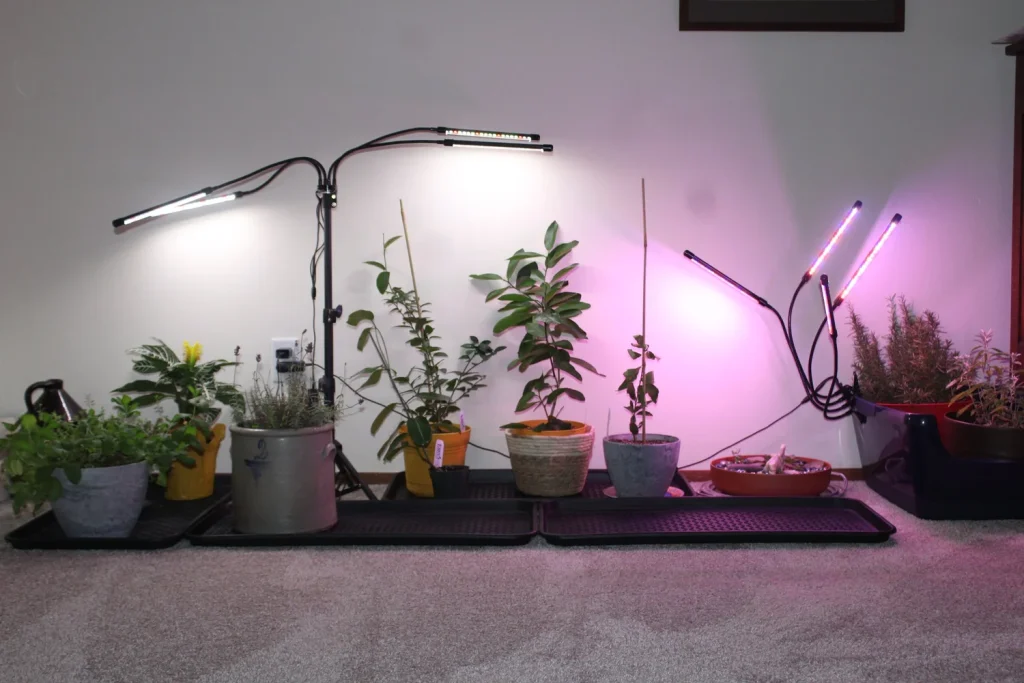
Imagine walking into your home and being greeted by the lush greens of your own indoor vegetable garden. The vibrant colors and fresh aromas can transform any space, but there’s one crucial element you need to get right: light.
You might wonder, “How much light does my indoor vegetable garden really need? ” This question is more important than you might think. The right amount of light can be the difference between a thriving garden and a struggling one.
You’ll uncover the secrets to providing the perfect lighting conditions for your indoor veggies. Whether you’re nurturing tomatoes, peppers, or leafy greens, understanding their light requirements is key to success. Stick around, and you’ll learn how to optimize your indoor garden lighting to ensure your plants flourish, bringing the farm-to-table experience right into your home. Are you ready to unlock the potential of your indoor vegetable garden? Let’s dive in and illuminate your path to gardening success!

Credit: food52.com
Light Requirements For Indoor Vegetables
Light is the lifeline of any indoor vegetable garden. Without the right amount of light, your plants can struggle to grow, leaving you with less than satisfying yields. Understanding the specific light requirements for various vegetables can make all the difference between a bountiful harvest and a disappointing one. Let’s delve into the essentials of lighting for indoor vegetables to ensure your garden thrives.
Understanding Light Intensity
Different vegetables have varied light needs. Leafy greens like lettuce and spinach can thrive with lower light conditions, typically around 10,000 lux. On the other hand, fruiting vegetables such as tomatoes or peppers demand more intense light, often exceeding 30,000 lux. Investing in a light meter can help you accurately measure the light intensity your indoor garden receives.
Duration Of Light Exposure
Most vegetables require between 12 to 16 hours of light each day to mimic their natural growing conditions. However, it’s essential to ensure they also receive periods of darkness to rest. Implementing a timer on your grow lights can automate this process, providing consistent light cycles without constant monitoring.
Choosing The Right Type Of Grow Lights
The type of grow light plays a crucial role in the health of your indoor garden. LED lights are popular for their energy efficiency and ability to provide full-spectrum lighting. Compact fluorescent lights (CFLs) are another option, particularly for smaller setups. It’s vital to select grow lights that cater to the specific needs of your vegetables.
Positioning Your Grow Lights
Proper placement of grow lights ensures your plants receive light evenly. Lights should be positioned close to the plants, typically within 6 to 12 inches, to maximize their effectiveness. Regularly adjusting the height of the lights as your plants grow can prevent light burn and ensure optimal growth.
Monitoring And Adjusting Light Conditions
Regularly observe your plants for signs of insufficient or excessive light. Yellowing leaves or leggy stems can indicate a lack of light, while scorched leaves may signal too much light exposure. Adjusting the intensity or duration of light can quickly remedy these issues and boost your garden’s health.
Are you ready to transform your indoor vegetable garden with the right lighting strategies? The key lies in understanding and meeting the specific light requirements of each vegetable. With a few thoughtful adjustments, you can cultivate a thriving garden right inside your home.
Types Of Light Sources
Indoor vegetable gardens require adequate light for healthy growth. Natural sunlight is ideal, but LED grow lights or fluorescent bulbs can supplement light effectively. Different vegetables may need varying amounts of light, so adjust accordingly for optimal yields.
Growing an indoor vegetable garden is an exciting journey, especially when you understand the importance of light. Light is the key ingredient that fuels photosynthesis, helping your plants grow strong and healthy. But not all light is created equal. Depending on your home’s setup, you might rely on natural or artificial light sources to keep your green friends thriving. Let’s dig into the two main types of light sources for your indoor vegetable garden.Natural Light
Natural light is a fantastic, cost-free source for your indoor garden. If you’re lucky enough to have large windows with ample sunlight, positioning your plants nearby can be a game-changer. South-facing windows are the most effective, as they receive the most sunlight throughout the day. However, natural light can be unpredictable. Cloudy days or shorter daylight hours in winter can limit the amount of light your plants receive. You might find yourself moving pots around to chase the sun, which can be both fun and a bit of a puzzle. Have you ever noticed how your plants seem to lean toward the light? That’s a sign they might need more.Artificial Light
Artificial light sources are a great backup or even a primary option if natural light is scarce. LED grow lights are popular because they are energy-efficient and provide the full spectrum of light that plants need. They can be tailored to fit any space, whether you’re growing a few herbs on your kitchen counter or a full salad bar in your basement. Fluorescent lights are another option, often used for seedlings or leafy greens. They are cost-effective and produce little heat, reducing the risk of scorching your plants. But remember, not all artificial lights are suitable for plant growth. Standard household bulbs might not provide the right spectrum, so investing in proper grow lights is essential for a thriving indoor garden. Reflect on how much control you want over your garden’s environment. Artificial lights give you the flexibility to grow vegetables year-round, regardless of the season. Are you ready to take the plunge and create the perfect light setup for your indoor vegetable garden?Choosing The Right Grow Lights
Choosing the right grow lights is crucial for indoor vegetable gardens. The right light ensures plants grow healthy and strong. Different types of grow lights offer various benefits. Understanding these options can help in making an informed choice.
Led Lights
LED lights are energy-efficient and long-lasting. They emit full-spectrum light, which is ideal for plant growth. Their cool temperature means they won’t burn plants. LEDs are adjustable, allowing customization to match plant needs. They are an excellent choice for beginners and experienced gardeners alike.
Fluorescent Lights
Fluorescent lights are budget-friendly and easy to find. They provide a good spectrum for seedlings and leafy greens. These lights work best for small spaces. Compact fluorescent bulbs are efficient and produce minimal heat. They are suitable for starting seeds and growing herbs.
Incandescent Lights
Incandescent lights are less efficient than other options. They produce more heat, which can damage plants. These lights are not ideal for most vegetables. Their low light output means limited growth potential. They are better suited for decorative purposes rather than vegetable growth.
Light Duration And Intensity
Having the right light duration and intensity is crucial for indoor vegetable gardens. Light impacts growth, yield, and overall plant health. Understanding how much light vegetables need helps gardeners create optimal growing conditions.
Understanding Light Cycles
Vegetables require specific light cycles to grow well. Most need 12 to 16 hours of light daily. This mimics natural sunlight and supports photosynthesis. Plants need rest too. Ensure they have 8 to 12 hours of darkness. This balance is vital for their growth stages. Some vegetables need more light than others. Leafy greens often thrive with longer light periods.
Adjusting Light Intensity
Light intensity affects plant growth. Indoor gardens often need artificial lights. LED and fluorescent lights are popular choices. They provide consistent and controllable light. The strength of light impacts photosynthesis rates. Stronger light promotes faster growth. Be mindful of intensity levels. Too much can harm plants. Adjust lights based on plant needs. Consider the distance between lights and plants. Closer lights increase intensity but can overheat plants.
Positioning Your Light Source
Positioning your light source is crucial for indoor vegetable gardens. Ensure lights are close enough to provide adequate brightness, but not too close to cause overheating. Adjusting light angles can help distribute light evenly, promoting healthy plant growth.
Positioning your light source in an indoor vegetable garden is crucial for optimal growth. While many focus on the type of light or the duration, the actual positioning can make or break your garden’s success. It’s like setting the stage for your plants to thrive, ensuring they receive the perfect amount of light from the right angles.Distance From Plants
The distance between your light source and the plants significantly affects their growth. Too close, and you risk scorching the leaves; too far, and they might stretch, becoming leggy and weak. A good rule of thumb is to keep fluorescent lights about 6-12 inches away, while LED lights can be positioned 12-24 inches above the plants. Regularly check your plants for signs of distress and adjust the distance accordingly.Angle And Coverage
The angle at which light hits your plants can determine how effectively they photosynthesize. Aim to cover as much of the plant’s surface as possible. Consider using adjustable lamps or reflective surfaces to maximize light exposure. Have you noticed how plants in nature bend towards the light? Mimic this by angling your lights to promote even growth across all sides. Ensure that the coverage is even across your garden. Spotty lighting can lead to uneven growth, with some plants thriving and others lagging behind. Use a light meter to check for consistency if you’re unsure. By carefully positioning your light source, you can create an environment where your indoor vegetable garden not only survives but flourishes. Are you ready to experiment with these tips and watch your garden transform?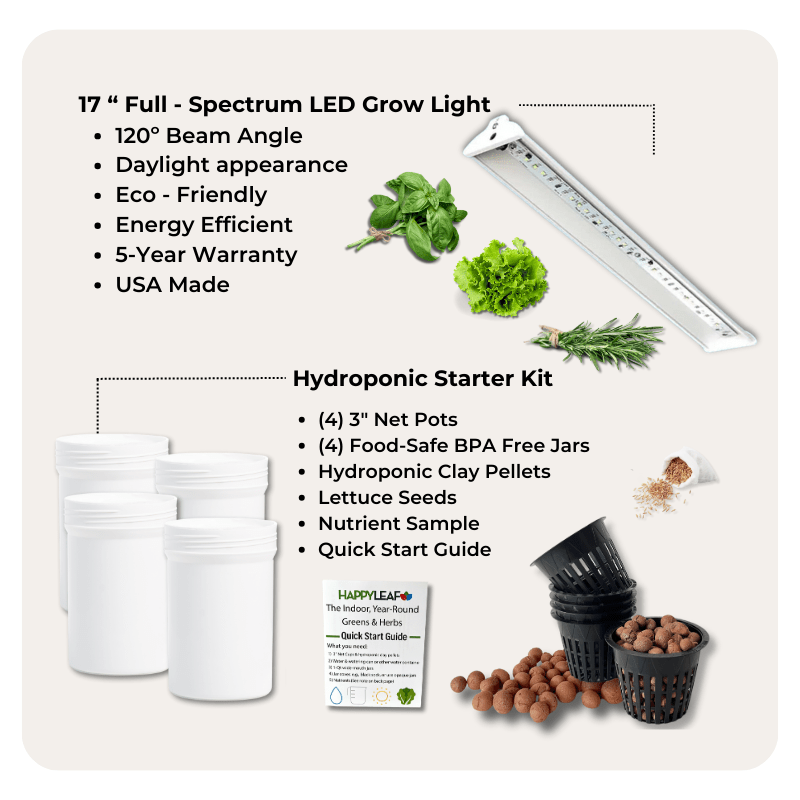
Credit: happyleafledgrowlights.com
Monitoring Plant Growth
Indoor vegetable gardens need about 14-16 hours of light daily. Use LED or fluorescent lights for better growth. Adjust light distance to prevent plant damage.
Monitoring the growth of your indoor vegetable garden is crucial to ensure your plants receive the right amount of light. Light plays a vital role in photosynthesis, which fuels plant growth. Without adequate light, your plants may struggle, affecting their health and yield. Observing how your plants respond can guide you in making necessary adjustments.Signs Of Inadequate Light
You might notice your plants looking leggy or stretching towards the light source. This is a classic indication that they aren’t receiving enough light. Leaves may also turn yellow or develop brown edges, signaling distress. Another sign is slow growth or smaller-than-usual leaves. If your vegetables aren’t thriving as expected, consider the amount of light they’re getting. Are they situated near a window or under grow lights?Adjusting Light Setup
If you identify signs of inadequate light, it’s time to adjust your setup. Consider placing your plants closer to a natural light source like a south-facing window. This can significantly boost their light intake. Alternatively, you might want to invest in grow lights. LED grow lights are energy-efficient and can be adjusted to provide the specific spectrum your plants need. Experiment with the duration and intensity of artificial light. A simple timer can help you maintain a consistent light schedule, mimicking natural conditions. Remember, it’s about finding the right balance for your unique indoor environment. Have you noticed your plants responding positively to a particular setup? Share your experience, as it may help others perfect their indoor gardening strategies.Common Mistakes To Avoid
Providing too much or too little light can harm plant growth. Avoid placing plants in poorly lit areas. Balance is key for a thriving indoor vegetable garden.
Growing an indoor vegetable garden can be incredibly rewarding. Yet, ensuring your plants receive the right amount of light is crucial. Many indoor gardeners make common mistakes that can hinder plant growth. Let’s dive into these pitfalls so you can avoid them and enjoy a thriving indoor garden.Overlighting
Providing too much light to your plants can be just as harmful as too little. It can lead to leaf burn and stunted growth. You might think more light equals faster growth, but that’s not always true. Excessive light exposure can dry out the soil quickly. This requires more frequent watering, which can disrupt your plant’s natural growth cycle. Monitor your plants and adjust the light source if you notice wilting or browning leaves.Underlighting
On the other hand, insufficient light is a common issue for indoor gardeners. Without adequate light, plants struggle to photosynthesize. This can result in weak stems and pale leaves. Consider the specific light needs of each vegetable. Leafy greens, for instance, may thrive in lower light conditions, while fruiting vegetables often require more intense light. Are your plants reaching or stretching towards the light? This is a clear sign they need more. Invest in quality grow lights if natural light is limited. Position them close enough to provide the necessary intensity but far enough to avoid overheating. Adjusting light exposure can make a significant difference in your garden’s success.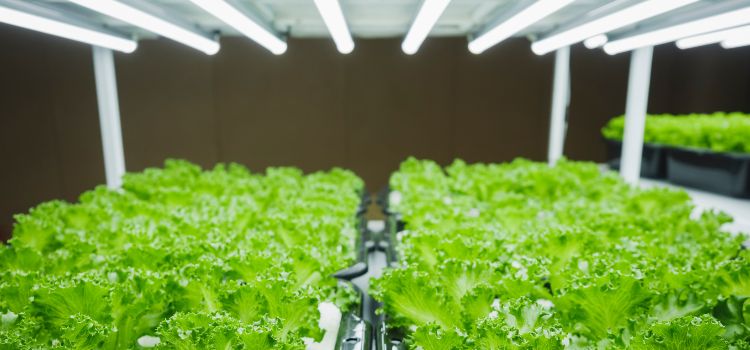
Credit: agriscaping.com
Frequently Asked Questions
How Much Light Do Vegetables Need Indoors?
Indoor vegetable gardens typically require 12-16 hours of light daily. Using full-spectrum LED grow lights is ideal. This mimics natural sunlight and promotes healthy growth. Adjust light intensity based on plant type and maturity. Always monitor your plants for signs of light stress.
Can Indoor Vegetables Grow Without Sunlight?
Yes, indoor vegetables can grow without direct sunlight. Use LED grow lights to provide necessary light spectrum. These lights simulate sunlight effectively. Ensure light duration matches plant needs. Regularly check plant health to optimize light settings.
What Type Of Light Is Best For Indoor Gardening?
Full-spectrum LED grow lights are best for indoor gardening. They provide a balanced light spectrum similar to sunlight. This supports photosynthesis and healthy plant growth. Ensure lights are adjustable to cater to different plant stages. Investing in high-quality lights improves yield and plant quality.
Do Indoor Plants Need Light At Night?
Indoor plants generally don’t need light at night. They benefit from a dark period for rest and energy conservation. Mimic natural day-night cycles using timers. This helps regulate plant growth and health. Ensure light duration matches specific plant requirements for optimal results.
Conclusion
Understanding light needs is crucial for indoor vegetable gardens. Plants thrive with the right amount of light. Not too much. Not too little. Balance is key. Use natural light or grow lights for best results. Consider plant types and their light requirements.
Some need more. Others less. Experiment and observe your garden’s response. Adjust light sources as needed. Successful growth brings fresh vegetables to your table. A rewarding journey. Happy gardening!







