Are you searching for a simple way to tackle those pesky weeds without resorting to harsh chemicals? Or perhaps you’re wondering if diluted vinegar could be the secret weapon your garden needs?
You’re not alone in this quest for natural solutions. Vinegar is a common household item, and its uses seem endless. But when it comes to your beloved plants, can this kitchen staple really do the trick? Or will it harm your garden oasis?
Imagine having a garden that thrives without the constant worry of chemicals seeping into the soil. With just a bit of know-how, you could transform your gardening routine into a safer, more eco-friendly practice. But before you grab that bottle of vinegar, it’s crucial to understand how it works and whether it’s the right choice for your garden. Dive into this article to discover the truth behind using diluted vinegar in your garden, and unlock the secrets to a healthier, happier outdoor space. Your garden deserves it.
:max_bytes(150000):strip_icc()/GettyImages-484016511-93a60ccd79fb4320bc3539bc3487ec3a.jpg)
Credit: www.marthastewart.com
Vinegar Composition
Diluted vinegar can harm garden plants due to its acetic acid content. It disrupts plant cell membranes, causing wilting and damage. Use caution when applying to avoid harming desired plants.
Vinegar is a common household item that many gardeners consider using as a natural herbicide. Before you splash it around your garden, it’s essential to understand its composition. Vinegar’s primary component, acetic acid, plays a pivotal role in its ability to impact plant life.Acetic Acid Content
Acetic acid is the key ingredient in vinegar responsible for its sour taste and strong odor. In most household vinegars, the acetic acid concentration ranges from 4% to 8%. This might not seem like much, but it packs a punch when it comes to plant life. A higher acetic acid concentration can damage the plant’s cell membranes, leading to wilting and, eventually, death. However, the effect varies significantly based on the plant type and the vinegar’s acetic acid percentage. Are there plants that might withstand this acidic assault? Some hardy plants might show resilience, but many garden favorites could succumb to its effects.Types Of Vinegar
Vinegar isn’t just a one-size-fits-all solution. You probably have several types in your pantry, each with different acetic acid levels. – White Vinegar: Commonly used for cleaning, it usually contains around 5% acetic acid. It’s often the go-to for gardeners attempting to tackle weeds. – Apple Cider Vinegar: Slightly less acidic, with about 4% to 5% acetic acid. It has a milder impact on plants and is often used for culinary purposes rather than gardening. – Cleaning Vinegar: This variant has a stronger concentration, typically around 6% to 8% acetic acid. Its potency makes it a more effective herbicide but also a riskier choice for your garden plants. Each type of vinegar offers different strengths and risks. If you decide to experiment, knowing these differences can help you choose the right vinegar for your gardening needs. Have you ever tried using vinegar in your garden? It could be the simple, natural solution you’re seeking, but understanding its composition is crucial. Knowing your vinegar could save your plants or help you manage those pesky weeds effectively.
Credit: www.facebook.com
Effects On Plant Life
Vinegar is a common household item, often hailed for its versatility. But what happens when you introduce it to your garden? The effects of diluted vinegar on plant life can vary widely, depending on how you use it. Let’s explore how vinegar impacts weeds and garden plants, shedding light on its potential benefits and drawbacks.
Impact On Weeds
Weeds, the uninvited guests in your garden, can be stubborn adversaries. Using diluted vinegar as a weed killer is a popular method among gardeners seeking eco-friendly solutions. The acetic acid in vinegar can effectively burn the leaves, causing them to wilt and die. However, it’s important to note that vinegar might not reach the roots, allowing some weeds to return. You may find yourself asking, is vinegar a temporary fix or a viable solution for weed control?
Influence On Garden Plants
While vinegar can be harsh on weeds, its effect on your cherished garden plants can be quite different. Accidental splashes on desirable plants could lead to leaf damage or stunted growth. If you’re considering using vinegar, it might be wise to protect your garden favorites with barriers or precise application. Have you ever considered the balance between natural remedies and plant preservation? Thoughtful use of vinegar can help you maintain this delicate balance, ensuring your garden thrives without unintended harm.
Application Methods
Applying diluted vinegar in your garden can help control unwanted plants. Understanding the methods of application is crucial for effectiveness. Let’s explore how to apply vinegar directly and the best ways to dilute it.
Direct Application
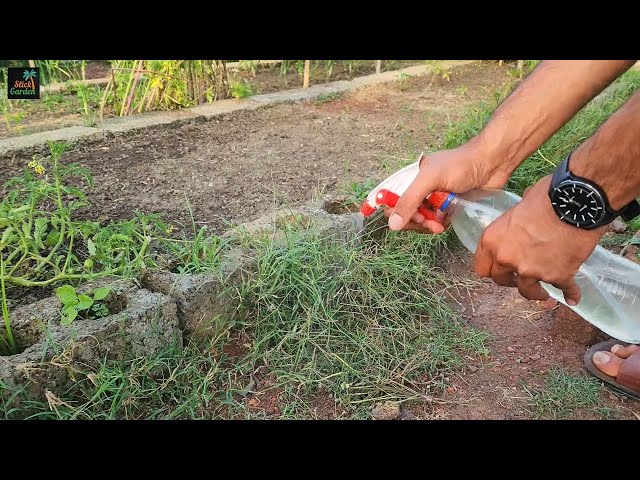
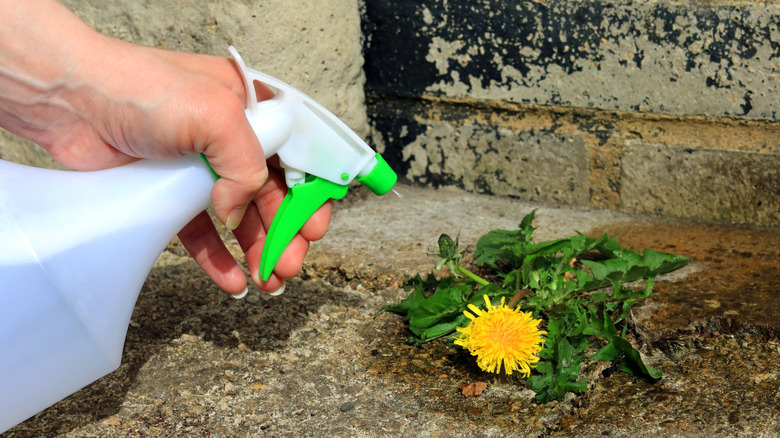
Direct application involves pouring or spraying vinegar straight onto the plants. This method works best for weeds or plants you want to remove. Use a spray bottle for easy application. Apply vinegar during sunny days for better results. Sunshine enhances vinegar’s effectiveness.
Focus on targeted areas to avoid harming surrounding plants. Protect your desired plants by shielding them during application. Wear gloves to protect your skin from vinegar. Vinegar can irritate sensitive skin.
Dilution Techniques
Dilution reduces vinegar’s strength to safeguard nearby plants. Mix vinegar with water before applying. Use a ratio of one part vinegar to one part water. This balances strength and safety. Adjust the ratio based on plant sensitivity. Some plants may require weaker solutions.
Test the mixture on a small patch to check plant reaction. Monitor effects for a few days. This ensures the solution is not too strong. Use a watering can for even distribution. Diluted vinegar can be poured over larger areas.
Credit: www.hunker.com
Safety Precautions
Using diluted vinegar in your garden requires careful attention. It can kill unwanted plants, but there are risks. It’s important to take safety precautions to protect yourself and your garden. Let’s explore some essential measures.
Protective Measures
Before using vinegar, wear protective gear. Gloves and goggles are essential. They shield your skin and eyes from irritation. Vinegar is acidic and can harm sensitive areas. Keep children and pets away during application. This minimizes accidental exposure. Always work in a well-ventilated area. This prevents inhaling vinegar fumes.
Environmental Considerations
Vinegar affects not just weeds but nearby plants too. Be cautious with application. Direct it only on the target area. Use a spray bottle for precision. Avoid spraying on windy days. Wind can carry vinegar to unintended plants. Check the weather forecast. Rain can wash away vinegar, reducing its effectiveness. Consider the local wildlife. Vinegar can affect beneficial insects. Use it sparingly to minimize harm.
Alternative Natural Solutions
Using diluted vinegar to kill garden plants might seem simple. But there are other natural ways to handle unwanted weeds. Many gardeners prefer eco-friendly methods. These methods ensure plant health and soil safety. Explore various alternatives to vinegar. Discover how nature can help manage your garden effectively.
Other Organic Herbicides
Organic herbicides can be a great help. They work without harming the environment. Corn gluten meal is a popular choice. It prevents weed seeds from sprouting. Apply it early in the growing season. It helps reduce weed growth significantly.
Salt can also deter weeds. Use it carefully to avoid soil damage. Mix salt with water, then spray it on the weeds. Be cautious near desired plants. Excessive salt can harm them too.
Companion Planting
Companion planting offers a natural solution. Plant certain species together for mutual benefits. Marigolds can repel nematodes and pests. They protect nearby vegetables like tomatoes.
Basil grows well with tomatoes. It enhances their growth and flavor. The scent of basil deters insects, providing protection naturally.
Garlic is another effective companion. Plant it with roses to ward off aphids. Its strong smell keeps many garden pests away.
Frequently Asked Questions
Does Diluted Vinegar Harm Garden Plants?
Diluted vinegar can harm garden plants by altering soil pH. It can cause damage to leaves and roots. Use it carefully, especially around delicate plants. Always test a small area before applying widely. Consider alternative natural weed killers for better safety.
How Does Vinegar Affect Plant Growth?
Vinegar lowers soil pH, impacting nutrient absorption. This can stunt plant growth and cause wilting. Vinegar’s acidity can damage plant cells. Use it cautiously to avoid harming your garden. Always apply in controlled amounts for specific purposes.
Is Vinegar Safe For Killing Weeds?
Vinegar can effectively kill weeds due to its acidity. It works best on young, small weeds. Avoid spraying on desirable plants to prevent damage. Consider using it as a spot treatment. Always dilute and test before using extensively.
Can Vinegar Kill Plants Permanently?
Vinegar may kill plants temporarily by damaging leaves and roots. However, it doesn’t destroy the root system completely. Persistent weeds might regrow over time. For permanent removal, combine vinegar with other methods. Regular monitoring and reapplication might be necessary.
Conclusion
Vinegar’s effect on plants depends on dilution and application. Diluted vinegar can harm certain plants. It might help control weeds, but use with caution. Test on a small area first. Some plants might tolerate better than others. Always check plant needs before using vinegar.
Vinegar changes soil pH levels. This impacts plant growth negatively. Consider other organic solutions for garden care. Understanding your garden’s needs is crucial. Choose wisely for a healthy, thriving garden. Balance is key for successful gardening. Enjoy your green space with careful choices!







