
Are you dreaming of a vibrant garden brimming with lush plants and colorful blooms? The secret to achieving this might just start indoors.
Knowing which garden plants to start indoors can be a game-changer for your gardening success. Imagine having a head start on the growing season, with strong, healthy plants ready to thrive as soon as the weather permits. You can avoid disappointing gaps in your garden and ensure a continuous display of beauty.
Intrigued? Discover how you can transform your gardening experience by choosing the right plants to nurture indoors, setting the stage for a flourishing outdoor oasis. Keep reading to unlock the secrets to an enviable garden that will leave your neighbors curious and your friends inspired.
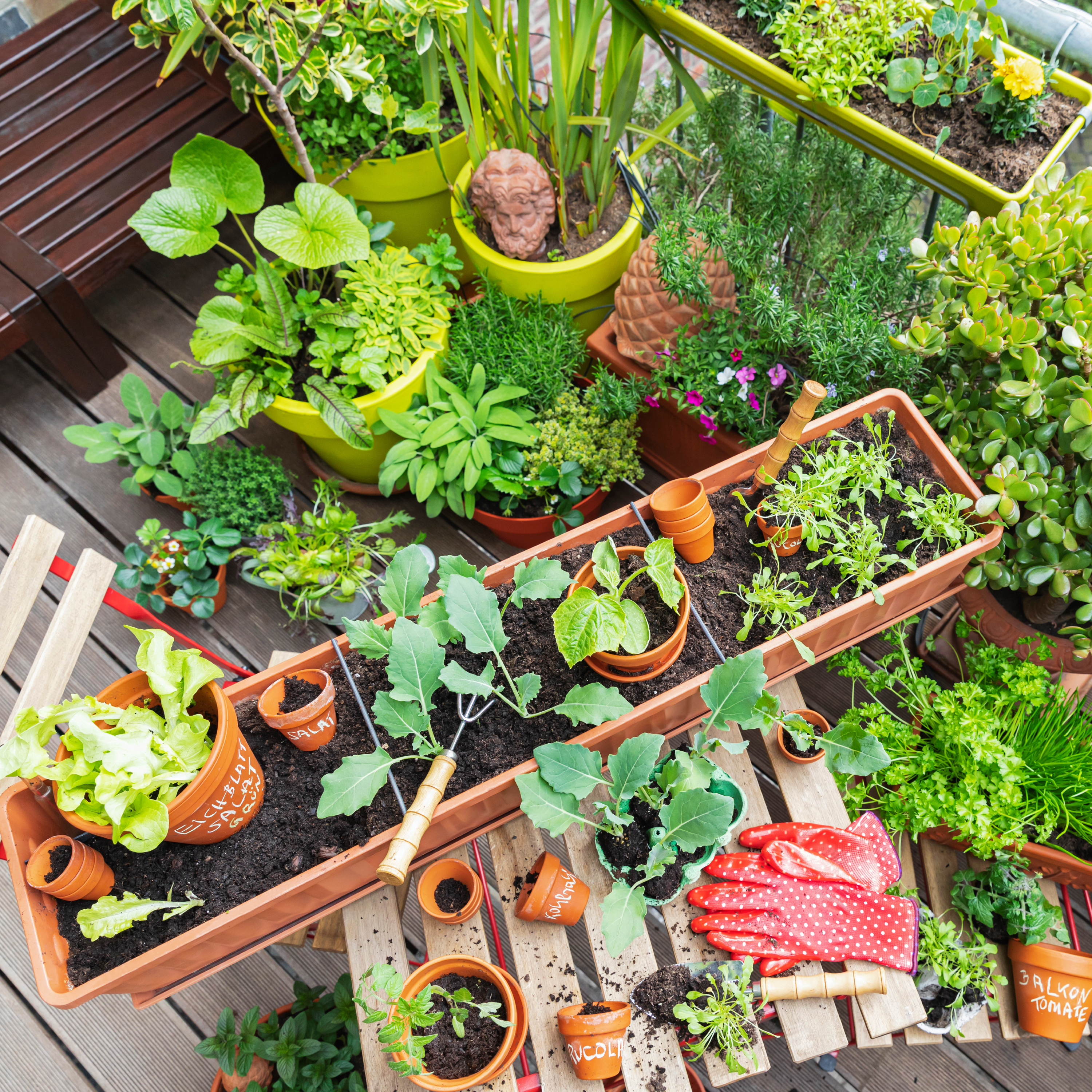
Credit: www.gardeningknowhow.com
Benefits Of Starting Plants Indoors
Starting plants indoors offers a head start on the growing season. Vegetables like tomatoes and peppers thrive when begun inside. Flowers, such as marigolds and zinnias, also benefit from early indoor growth. This method allows better control over temperature and light, ensuring healthier plants ready for outdoor planting.
Starting garden plants indoors offers numerous benefits for gardeners. It provides a controlled environment to nurture young plants. This approach increases the chances of successful growth. Indoor planting also extends the growing season, allowing plants a head start.Control Over Growing Conditions
Indoor planting allows you to control temperature, light, and moisture levels. This ensures optimal growth conditions for seedlings. You can avoid unexpected weather changes that may harm young plants.Protection From Pests And Diseases
Indoor environments shield plants from common garden pests. This protection reduces the risk of diseases. Healthy seedlings have a better chance of thriving once transplanted outdoors.Early Harvest Opportunities
Starting plants indoors leads to earlier harvests. You can enjoy fresh produce sooner than outdoor planting alone allows. This is particularly beneficial for short growing seasons.Cost Efficiency
Growing plants indoors from seeds is cost-effective. It reduces the need to purchase mature plants. This approach saves money and offers a rewarding gardening experience.Greater Plant Variety
Indoor planting allows for a greater variety of plants. You can try exotic or rare seeds not available as young plants. This diversity enhances your garden’s visual appeal and productivity.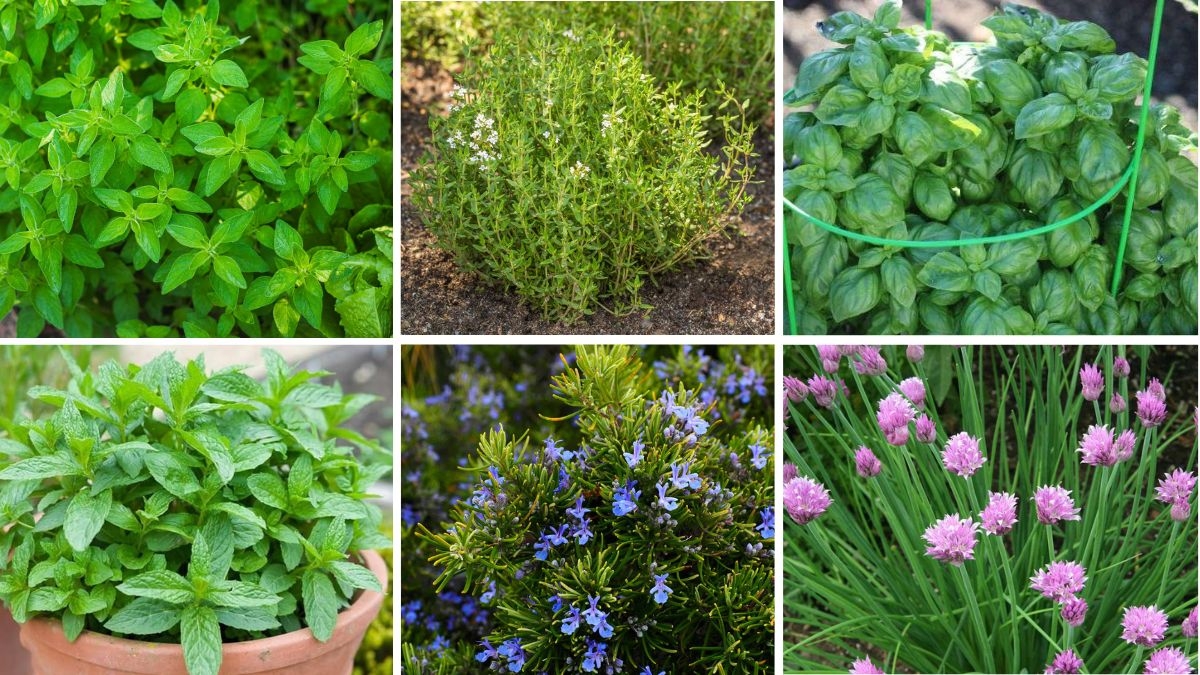
Credit: yadavindragardens.com
Factors To Consider
Choosing garden plants to start indoors involves considering light, temperature, and space needs. Assess the growth period and transplanting requirements for each plant type. Select varieties that thrive indoors before transitioning to outdoor conditions.
When deciding which garden plants to start indoors, several critical factors come into play. Understanding these factors can make the difference between a bountiful garden and a disappointing one. Let’s explore the essential considerations to ensure your indoor gardening efforts are fruitful.Climate And Weather
Your local climate and weather conditions significantly influence which plants you should start indoors. In regions with short growing seasons, starting seeds indoors gives plants a head start, ensuring they reach maturity by harvest time. If you live in an area with unpredictable weather, such as late frosts or heavy rains, beginning plants indoors protects them during their vulnerable early stages. Consider your region’s USDA Plant Hardiness Zone to gauge the best time to transplant seedlings outdoors. This knowledge helps you time your indoor planting efforts effectively.Space And Equipment
Before starting your indoor garden, assess the available space and equipment. Do you have enough room for seed trays and pots? Adequate lighting is crucial, especially in homes with limited natural sunlight. Invest in grow lights if necessary, as they provide consistent light conditions to support healthy plant growth. Keep in mind that some plants like tomatoes and peppers require more space and light than herbs like basil or mint.Plant Growth Requirements
Each plant has unique growth requirements that must be considered when starting seeds indoors. Think about the soil type, water needs, and temperature preferences of your chosen plants. Some plants, like lettuce and spinach, thrive in cooler conditions, while others, like peppers and eggplants, need warmth to germinate and grow. Research specific requirements for each plant type to ensure you provide the ideal conditions. Are you ready to adjust your indoor environment to meet these needs? By considering these factors, you can make informed decisions about which garden plants to start indoors, maximizing your chances of a successful and thriving garden.Ideal Vegetables For Indoor Starting
Starting vegetables indoors can give your garden a head start. It allows you to control the environment for better growth. Indoor starting is perfect for plants that need longer growing seasons. Let’s explore some ideal vegetables to start indoors.
Tomatoes
Tomatoes thrive with indoor starting. They require warmth and plenty of light. Plant seeds in small pots with good drainage. Keep the soil moist but not soggy. Tomatoes need six to eight weeks indoors before moving outside. Use grow lights to ensure they get enough light.
Peppers
Peppers benefit from early indoor starting. They grow slowly, so extra time helps. Plant seeds in small containers with rich soil. Keep them in a warm spot, around 70°F. Peppers need bright light to grow strong. Indoor starting helps peppers develop before outdoor planting.
Lettuce
Lettuce grows well indoors. It prefers cooler temperatures than other vegetables. Start seeds in trays with shallow soil. Place them in a sunny area. Lettuce does not need much time indoors. Two weeks is often enough before transplanting outside.
Herbs To Start Indoors
Starting herbs indoors offers many benefits. You control the environment, ensuring the best growth conditions. Fresh herbs enhance meals with flavor and aroma. They thrive indoors, even in limited space. Let’s explore some herbs perfect for indoor cultivation.
Basil
Basil is a favorite for its fragrant leaves and versatility. It needs warmth and sunlight. Place it in a sunny window for best results. Regular watering keeps the soil moist, not soggy. Pinch off the leaves often to encourage more growth.
Parsley
Parsley is hardy and grows well inside. It prefers cooler temperatures and indirect light. Keep the soil evenly moist for healthy growth. Use it fresh in salads or as a garnish. Regular trimming promotes a bushy, lush plant.
Cilantro
Cilantro loves bright light but cooler temperatures. It grows quickly, so harvest leaves often. This prevents the plant from bolting. Water it consistently but avoid waterlogging. Fresh cilantro adds zest to many dishes.
Flowers Suitable For Indoor Germination
Starting flowers indoors can give your garden a head start. Some flowers thrive when germinated indoors. This process allows for controlled conditions. It also protects young plants from harsh weather. Let’s explore some flowers that are ideal for indoor germination.
Marigolds
Marigolds are vibrant and hardy. They are perfect for indoor germination. This flower is easy to grow and maintain. Begin with a seed tray filled with soil. Place seeds on top and cover them lightly. Keep the soil moist and warm. Within days, you’ll see small sprouts. Marigolds are excellent for beginners.
Zinnias
Zinnias offer bright and colorful blooms. They thrive indoors before transplanting. Use peat pots for germination. These pots make transplanting easier. Zinnias need sunlight and warmth. Position them near a sunny window. Water them regularly but avoid overwatering. Watch them bloom and brighten your space.
Petunias
Petunias bring a splash of color to any garden. Start them indoors for best results. Use a seed-starting mix for germination. Sow seeds on the soil surface. Cover them lightly with soil. Maintain a warm environment and keep soil moist. Petunias love light, so place them in a well-lit area. Their beauty will soon unfold.
Tools And Equipment Needed
Starting garden plants indoors requires a few essential tools. A seed tray, potting soil, and a grow light are crucial. Also, small pots and a watering can help in nurturing the seedlings effectively.
Starting a garden indoors requires specific tools and equipment. These essentials help ensure healthy plant growth. With the right setup, you can nurture seedlings until they’re ready for the outdoors.Seed Trays
Seed trays are essential for indoor gardening. They provide a safe space for seedlings. These trays help organize different plant varieties. Choose trays with drainage holes. This prevents waterlogging and root rot. Opt for reusable trays to save money and reduce waste.Grow Lights
Natural light is often insufficient indoors. Grow lights mimic sunlight, helping plants thrive. LED grow lights are energy-efficient and long-lasting. Position them above the plants for even light distribution. Adjust the height as plants grow taller. This ensures they receive adequate light.Potting Soil
Not all soil is suitable for seedlings. Potting soil is light and provides essential nutrients. It allows roots to breathe and absorb water effectively. Look for soil with a balanced pH level. This ensures optimal growth conditions for your plants. Avoid using garden soil, as it may contain pests.Tips For Successful Indoor Gardening
Starting your garden plants indoors can be a rewarding experience. It allows you to extend the growing season and gives your plants a head start. However, indoor gardening comes with its own set of challenges. To ensure your plants thrive, you need to pay close attention to several key factors. Here are some essential tips for successful indoor gardening that will help you nurture strong and healthy plants.
Proper Lighting
Light is crucial for plant growth, especially when starting seeds indoors. Many homes do not have sufficient natural light, so consider using grow lights. Position the lights close to the plants—about 2-4 inches above the seedlings—to mimic the sun’s intensity. Adjust the height as the plants grow to prevent them from becoming leggy and weak.
Observe your plants’ growth and adjust the lighting duration. Most seedlings need 12-16 hours of light per day. A simple timer can automate this process, ensuring consistent lighting without effort.
Watering Techniques
Watering indoor plants can be tricky. Over-watering is a common mistake that can lead to root rot. Feel the soil regularly; it should be moist but not soggy. Use a spray bottle for gentle watering to avoid disturbing the seeds or seedlings.
Consider the humidity level in your home. Indoor air can be dry, especially in winter. You might need to water more often or use a humidifier. Consistent moisture levels can make all the difference for healthy plants.
Transplanting Outdoors
When your indoor plants are ready to move outside, timing is everything. Gradually acclimate them to the outdoor environment by placing them outside for a few hours each day. This process is known as hardening off. Increase the time spent outdoors over a week or two.
Choose a cloudy day or late afternoon for the final transplant to reduce transplant shock. Be gentle with the roots, and make sure the outdoor soil is prepared. Your plants will have a better chance of thriving in their new home with these steps.
Starting plants indoors gives you a unique opportunity to control their environment. By mastering proper lighting, watering techniques, and transplanting, you set the stage for a bountiful garden. Are you ready to take your indoor gardening skills to the next level?
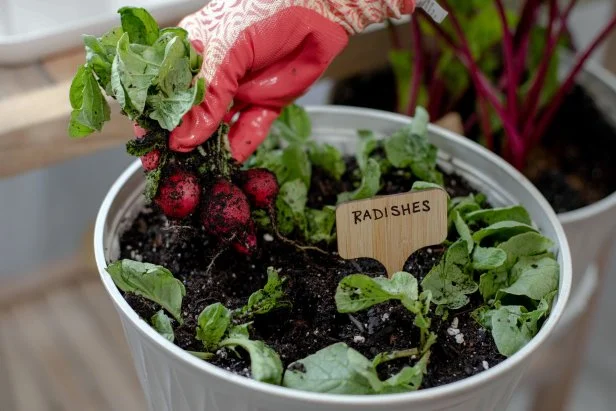
Credit: www.hgtv.com
Frequently Asked Questions
What Plants Should Be Started Indoors?
Starting plants indoors can give them a strong start. Consider herbs like basil and parsley. Vegetables such as tomatoes, peppers, and eggplants also thrive indoors first. These plants benefit from controlled environments, allowing them to develop sturdy roots and resist outdoor challenges when transplanted.
Why Start Garden Plants Indoors?
Starting garden plants indoors helps them grow stronger. It provides them with stable conditions, protecting them from weather extremes. Early indoor growth allows better root development, leading to healthier plants. This strategy also extends your growing season, letting you enjoy blooms or harvests earlier.
When Is The Best Time To Start Seeds Indoors?
Timing is crucial for starting seeds indoors. Generally, begin six to eight weeks before the last frost date. This ensures plants are mature enough to handle outdoor conditions. Check specific seed packets for precise timing. Adjust based on your local climate and plant type for best results.
How Do You Care For Indoor Seedlings?
Indoor seedlings need careful attention. Ensure they get sufficient light, ideally 12-16 hours daily. Keep soil moist but not waterlogged. Monitor temperature, maintaining it around 65-75°F. Regularly check for pests and diseases. Gradually acclimate seedlings to outdoor conditions before transplanting.
Conclusion
Starting garden plants indoors offers many benefits. Plants grow stronger and healthier. Early indoor planting extends the growing season. This means more blooms and vegetables. Choosing the right plants is key. Some plants thrive better indoors. Tomatoes, peppers, and basil are good choices.
These plants need warmth and care. Seedlings need proper light and water. Plan your space wisely. Use containers for easy management. Indoor gardening is fun and rewarding. It brings life to your home. Watching plants grow is satisfying. Try starting your garden indoors today.
Enjoy the beauty and bounty of your effort.







