Imagine stepping into a garden where vibrant colors and lush textures greet you at every turn. You might feel the serenity wash over you as you walk along beautifully arranged paths, each step drawing you further into nature’s embrace.
But have you ever wondered who crafted these captivating landscapes? One famous garden designer had a particular flair for creating mesmerizing herbaceous borders that still captivate garden enthusiasts today. If you’re curious about the mastermind behind these stunning designs and want to discover how their innovative approach can inspire your own gardening endeavors, keep reading.
Unlock the secrets of a legendary garden designer and find out how you can infuse your outdoor space with their timeless techniques.

Credit: www.houseandgarden.co.uk
Famous Garden Designers
Famous garden designers have shaped how we perceive and interact with nature. Their artistic vision transforms ordinary spaces into enchanting landscapes. These creators blend horticultural knowledge with aesthetic principles to craft gardens that tell stories, evoke emotions, and provide serene retreats.
Influential Figures In Garden Design
Across history, certain garden designers have stood out for their unique contributions. Capability Brown, often called England’s greatest gardener, revolutionized landscape gardening with his naturalistic style. His designs emphasized sweeping lawns and serpentine lakes that seamlessly blended with the countryside.
Another noteworthy name is Gertrude Jekyll, whose collaboration with architect Edwin Lutyens resulted in harmonious garden and architectural designs. Jekyll’s color theory and plant knowledge made her gardens visually stunning and practical. Her work remains influential in modern garden design.
Herbaceous Border Enthusiasts
Among garden designers, some have a particular fondness for herbaceous borders. This approach involves planting perennials in a way that showcases a continuous display of color and texture through the seasons. One notable advocate was Vita Sackville-West.
Sackville-West, a prolific writer and passionate gardener, famously utilized herbaceous borders at her home in Sissinghurst Castle Garden. Her borders are celebrated for their abundance, variety, and striking color combinations. Would your garden benefit from a border that changes with each season?
These designers demonstrate that with creativity and knowledge, gardens can become vibrant expressions of style and personality. What elements could you incorporate to reflect your own taste and character?
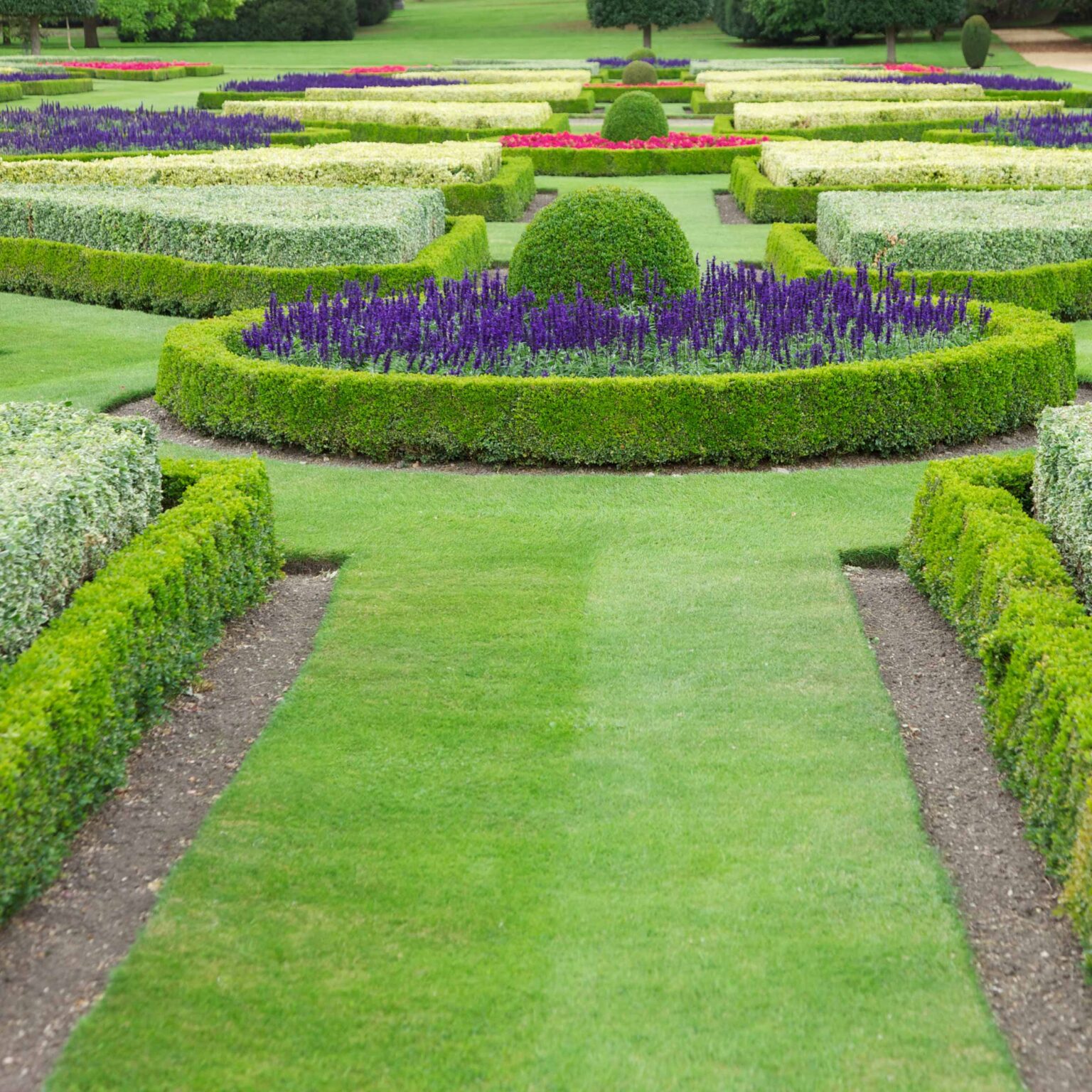
Credit: www.pavingdirect.com
Herbaceous Borders
Gertrude Jekyll, a renowned garden designer, favored the use of herbaceous borders. Her designs combined colorful flowers and lush greenery. Jekyll’s innovative approach transformed gardens into vibrant, living tapestries.
Herbaceous Borders Herbaceous borders, a classic element of traditional English gardens, are revered for their vibrant display of colors and textures. These borders are primarily composed of non-woody plants that die back to the ground each winter, only to reemerge in the spring with renewed vigor. The beauty of herbaceous borders lies in their dynamic nature, changing with the seasons and offering a new visual feast throughout the year.Characteristics And Appeal
Herbaceous borders are celebrated for their rich tapestry of colors, thanks to a wide range of flowering plants. Imagine walking through a garden where every step reveals a new hue and texture. They often feature perennials like delphiniums, peonies, and asters, known for their long blooming periods. The appeal of these borders is not just visual. They attract butterflies, bees, and other pollinators, enriching your garden’s ecosystem. This lively activity adds another layer of interest, making your garden a hub of biodiversity. Creating a herbaceous border allows you to express your personal style. Whether you prefer a riot of colors or a more subdued palette, there’s room for individuality. Have you ever thought about which plants would reflect your personality?Historical Significance
The concept of herbaceous borders gained prominence in the late 19th and early 20th centuries. One of the most famous proponents was Gertrude Jekyll, a pioneering garden designer. Her designs emphasized the use of color harmony and seasonal progression. Jekyll’s influence can still be seen in gardens worldwide. She believed that gardens should be a feast for the senses, a principle that resonates with many gardeners today. Her legacy is evident in the enduring popularity of herbaceous borders. Herbaceous borders tell a story of gardening evolution. They reflect a move away from rigid formalism towards a more natural, flowing style. Have you ever considered how the history of garden design influences your own gardening choices?Gertrude Jekyll: A Pioneer
Gertrude Jekyll was a pioneer in garden design. She is celebrated for her use of herbaceous borders. Her gardens are a blend of art and nature. Jekyll’s designs continue to inspire gardeners worldwide.
Background And Early Life
Gertrude Jekyll was born in 1843 in London, England. She grew up in a creative family. Her interest in art and nature began early. She studied at the South Kensington School of Art. This education shaped her design philosophy. She had a keen eye for color and texture.
Design Philosophy And Style
Jekyll’s design philosophy focused on natural beauty. She preferred gardens that mimicked nature. Her signature style was the herbaceous border. It featured colorful, layered plants. She used plants to create harmony and contrast. Her designs were practical and artistic.
Jekyll valued seasonal changes in her gardens. She carefully selected plants for each season. This ensured year-round beauty. Her gardens were both functional and visually appealing. Her work set a new standard in garden design.
Jekyll’s Love For Herbaceous Borders
Jekyll’s Love for Herbaceous Borders Gertrude Jekyll, a renowned garden designer, favored herbaceous borders. Her designs showcased vibrant colors and natural beauty. These borders became a hallmark of her style.
Jekyll’s Love for Herbaceous Borders Gertrude Jekyll, a name synonymous with garden design, had an unparalleled passion for herbaceous borders. Her approach to gardening was not just about planting; it was an art form that played with colors, textures, and seasonal dynamics. This love for herbaceous borders transformed her into one of the most influential figures in gardening history.Innovative Use Of Plants
Jekyll’s genius lay in her innovative use of plants, where she meticulously crafted borders that evolved with the seasons. She selected plants not just for their bloom but for their foliage, structure, and even scent. Imagine strolling through a garden where every step offers a new perspective and a new palette of colors—this was Jekyll’s magic. Her designs encouraged gardeners to think beyond the obvious, to appreciate the subtle beauty in plant variety. By doing this, she opened the door for creativity in garden design that many had never considered. Is your garden just a space, or could it be a living canvas, constantly changing and surprising you?Impact On Modern Garden Design
The impact of Jekyll’s work on modern garden design cannot be overstated. Her emphasis on naturalism and harmony with the landscape influenced countless garden designers who followed. Today, herbaceous borders remain a beloved feature in gardens worldwide, thanks to her innovative vision. This approach encourages gardeners to think about how plants coexist and complement each other. It’s not just about individual beauty; it’s about creating a cohesive and harmonious environment. Have you ever looked at your garden and wondered how each plant contributes to the overall scene? Jekyll’s legacy lives on, challenging us to view our gardens not just as collections of plants, but as dynamic, living art. This perspective invites you to experiment, to blend colors and textures, and to create something truly unique. Are you ready to let your garden speak in Jekyll’s timeless language?Other Designers Influenced By Jekyll
Which Famous Garden Designer Preferred the Use of Herbaceous Borders Gertrude Jekyll, renowned for her artistic gardens, inspired many designers. Her preference for herbaceous borders became a hallmark in garden design. This style continues to influence modern garden aesthetics.
Gertrude Jekyll was a pioneer in garden design. Her innovative use of herbaceous borders transformed many landscapes. Jekyll’s unique style left a lasting mark on her contemporaries and followers. Her artistic approach blended colors and textures, inspiring generations of garden designers.Contemporaries And Followers
Many designers admired Jekyll’s approach during her lifetime. Edwin Lutyens, a celebrated architect, often collaborated with her. Together, they crafted stunning gardens that balanced structure and natural beauty. William Robinson, another contemporary, shared her vision for naturalistic planting. Robinson’s wild gardens echoed Jekyll’s love for informal, flowing borders. Their mutual respect and exchange of ideas enriched English garden design. Other followers embraced Jekyll’s techniques and expanded on them. Vita Sackville-West, known for Sissinghurst Castle Garden, drew inspiration from Jekyll’s work. She adopted the use of vibrant colors and lush plantings. Sackville-West’s gardens became famous for their romantic, painterly quality. Harold Nicolson, her husband, also appreciated Jekyll’s influence on garden structure and layout.Legacy And Continued Influence
Jekyll’s legacy endures in gardens worldwide. Her principles of balance and harmony remain relevant today. Modern designers study her work to learn about texture and color. Many gardens still feature herbaceous borders that echo her style. These gardens offer a timeless appeal, delighting visitors with their beauty. Educational programs often include Jekyll’s methods in their curriculum. Students explore her designs to understand the art of garden planning. Her influence also extends to garden publications and literature. Books about her life and work continue to inspire new generations. They highlight her role as a trailblazer in the world of horticulture. Jekyll’s vision lives on in public and private gardens. Her approach to planting design is celebrated for its creativity and elegance. Gardens designed with her principles foster a deeper connection to nature. They encourage a sense of peace and enjoyment, much like Jekyll intended.
Credit: www.themiddlesizedgarden.co.uk
Creating Your Own Herbaceous Border
The beauty of a herbaceous border lies in its vibrant display of color and texture, transforming any garden space into a living canvas. Inspired by the techniques of famous garden designers, you can create your own stunning herbaceous border that will captivate visitors and enhance your outdoor sanctuary. With a few essential tips and the right plant choices, you can embark on a rewarding journey of garden artistry.
Essential Tips And Techniques
Creating a successful herbaceous border requires thoughtful planning and a dash of creativity. Begin by considering the size and shape of your garden space. A narrow border can add interest along pathways, while a wider one can become a focal point in larger gardens.
Think about the color scheme that resonates with you. Mixing bold colors with soft pastels can create a dynamic contrast. Additionally, consider the height and spread of your plants to create layers and depth.
Regular maintenance is key. Ensure you have a plan for watering, feeding, and pruning to keep your border thriving throughout the seasons. Can you imagine the satisfaction of seeing your plants flourish under your care?
Choosing The Right Plants
Selecting the right plants is the cornerstone of a successful herbaceous border. Opt for perennials that offer long-lasting blooms and require minimal care. Consider plants like peonies for their bold flowers or lavender for its enchanting scent.
Think about the growing conditions in your garden. Do you have sunny spots or shaded areas? Choose plants that thrive in these specific conditions to ensure a healthy growth. For instance, if you have a sunny spot, consider planting daisies or sunflowers.
Mixing textures can add intrigue to your border. Combine leafy plants with spiky ones for a captivating effect. As you curate your plant selection, ask yourself: What combination will create the most striking visual impact?
Frequently Asked Questions
Who Was Known For Using Herbaceous Borders?
Gertrude Jekyll was renowned for her use of herbaceous borders in garden design. Her innovative approach blended colors and textures, creating stunning landscapes. Jekyll’s work influenced garden design significantly, emphasizing natural beauty and seasonal variation.
Why Did Gertrude Jekyll Prefer Herbaceous Borders?
Gertrude Jekyll preferred herbaceous borders due to their versatility and color variety. She believed these borders enhanced garden aesthetics and offered dynamic seasonal changes. Jekyll’s designs reflected her artistic background, focusing on harmonious color schemes.
How Did Jekyll’s Designs Impact Garden Aesthetics?
Jekyll’s designs transformed garden aesthetics by prioritizing color harmony and natural beauty. Her use of herbaceous borders inspired many garden designers. She emphasized subtle color transitions, making gardens visually appealing year-round.
Are Herbaceous Borders Still Popular Today?
Herbaceous borders remain popular due to their vibrant colors and texture variety. Modern gardeners appreciate their ability to create dynamic, seasonal landscapes. Inspired by Jekyll, today’s designs often incorporate diverse plant species for visual interest.
Conclusion
Herbaceous borders bring color and life to any garden. These designs thrive under the skilled touch of famous garden designers. One name stands out—Gertrude Jekyll. She loved blending colors and textures. Her borders were a living art form. They changed with the seasons, captivating all who saw them.
Jekyll’s influence endures in gardens worldwide. Her legacy inspires modern gardeners. So, if you seek vibrant, lively gardens, herbaceous borders are the way. Embrace Jekyll’s vision. Create your own masterpiece in your garden. Let her timeless style guide you. Your garden will thank you.