
Imagine transforming your living space into a lush, vibrant indoor garden. The idea is exciting, isn’t it?
Indoor gardening not only beautifies your home but also offers a sense of peace and tranquility. However, diving into the world of indoor plants can feel overwhelming, especially when you’re unsure about certifications that might be required. Do you need a special certification to start your indoor garden, or is it just about picking the right plants and getting started?
We’re going to demystify the certification process for indoor gardening, giving you all the insights you need to cultivate your green oasis. You’ll discover whether certifications are necessary, what they entail, and how they can benefit your gardening journey. Stick around, as this could be the key to unlocking your indoor gardening potential!

Credit: www.youtube.com
Types Of Indoor Gardening Certifications
Indoor gardening certifications vary based on expertise. A popular choice is the Certified Master Gardener, focusing on plant care and soil management. Another option is the Certified Horticulturist, which covers broader knowledge including pest control and plant diseases. These certifications enhance skills and credibility in indoor gardening.
Indoor gardening has become a popular hobby and business venture, especially with the rise of sustainable living. But to truly excel and ensure the health of your plants, understanding the right certifications can be a game-changer. These certifications not only enhance your knowledge but also boost your credibility in the gardening community. Let’s dive into some of the key certifications that can set you apart in the world of indoor gardening.Hydroponics Certification
Hydroponics is the art of growing plants without soil, and it’s making waves in urban gardening. A certification in hydroponics teaches you how to manage nutrient solutions, control pH levels, and use different hydroponic systems effectively. Imagine walking into a room filled with lush greenery, all grown in water. This certification can empower you to create such an oasis right in your home or office. It also adds a feather in your cap when you engage in community gardening projects or workshops.Aquaponics Certification
Aquaponics combines aquaculture with hydroponics, creating a symbiotic environment for fish and plants. This certification covers the essentials of maintaining a balanced ecosystem, from fish care to plant health. Have you ever thought about how satisfying it would be to grow your own food while rearing fish? An aquaponics certification can guide you through the process, ensuring both plants and fish thrive. It’s not just about growing; it’s about creating a mini-ecosystem that sustains itself.Organic Gardening Certification
Organic gardening is more than just avoiding synthetic fertilizers and pesticides. This certification delves into soil health, pest management, and organic plant care techniques. Consider the peace of mind that comes from knowing your indoor plants are thriving naturally. With organic gardening certification, you can assure yourself and others that your produce is grown in the healthiest way possible. Plus, it opens doors to discussions on sustainability and eco-friendly practices. In the quest for the perfect indoor garden, these certifications can be your guiding light. Which one aligns with your gardening goals? Whether you’re drawn to the science of hydroponics or the sustainability of aquaponics and organic methods, each certification offers unique insights and skills.Benefits Of Certification For Indoor Gardening
Benefits of Certification for Indoor Gardening Certification ensures proper knowledge of plant care and pest management. It boosts confidence in maintaining healthy indoor gardens.
Indoor gardening is more than just a hobby; it’s a science that requires a deep understanding of plant care, environmental control, and sustainable practices. Certification in indoor gardening can be a game-changer for enthusiasts and professionals alike. It offers a structured path to gaining critical skills and knowledge, while opening doors to new opportunities and recognition in the field. But what exactly are the benefits of getting certified for indoor gardening?Enhanced Knowledge
Certification programs provide comprehensive training that covers various aspects of indoor gardening. You’ll learn about plant physiology, pest management, hydroponics, and more. This knowledge enables you to create thriving indoor gardens with healthy, resilient plants. Imagine having the expertise to troubleshoot issues like nutrient deficiencies or pest infestations with confidence. Certification equips you with the tools to make informed decisions and adapt to different gardening scenarios. This education not only enhances your personal gardening skills but also broadens your understanding of sustainable practices.Professional Recognition
Holding a certification sets you apart in the indoor gardening community. It serves as a testament to your commitment to the craft and your proficiency in the field. This recognition can be incredibly valuable if you’re seeking employment or consulting opportunities. Employers and clients alike value certified individuals because they bring a proven level of expertise. This trust can lead to more opportunities and responsibilities, showcasing your skills in a professional setting. Imagine the pride and confidence that comes with being recognized as an expert in your field.Career Advancement
A certification can be a stepping stone to career advancement in the gardening industry. Whether you’re looking to start your own business or climb the corporate ladder, the skills and credibility gained from certification can pave the way. Consider the possibilities: starting a consultancy, managing a botanical facility, or even educating others as a workshop instructor. Certification can open doors to diverse career paths that you may not have considered before. Are you ready to take your passion for indoor gardening to the next level? By investing in certification, you’re not just enhancing your skills—you’re investing in your future. The benefits extend beyond your personal garden, influencing your career and the impact you have on the environment.Choosing The Right Certification Program
Choosing the right certification program for indoor gardening can be a pivotal step in your horticultural journey. Whether you’re aiming to enhance your skills or start a career, the program you select should align with your goals and resources. Consider factors such as accreditation, course content, cost, and duration to make an informed decision.
Accredited Institutions
Opting for a program from an accredited institution ensures that your certification is recognized and valued. Accredited programs often have rigorous standards and a curriculum that meets industry needs. Look for institutions with a strong reputation in horticulture and gardening. It’s worth checking if they have partnerships with professional organizations that can boost your networking opportunities.
Course Content
The course content should cover areas you are passionate about, like plant care, pest management, or hydroponics. Review the syllabus to ensure it includes hands-on training and practical insights. Are there modules on the latest indoor gardening trends? Consider programs that offer interactive sessions with experts, which can enrich your learning experience.
Cost And Duration
Budgeting for your certification is crucial. While some programs are costly, they might offer extensive resources and expert guidance. Compare the cost against the benefits offered. Consider shorter courses if you need to fit them into a busy schedule, but ensure they provide comprehensive knowledge. Ask yourself: Is the investment worth the potential career opportunities?

Credit: www.facebook.com
Certification Process And Requirements
Embarking on the journey of indoor gardening requires more than just passion. To truly excel, having the right certification is essential. Understanding the certification process and requirements is crucial for ensuring credibility and expertise in this thriving field.
Application Procedures
The first step involves submitting an application form. Complete all required sections with accuracy. Provide details about your gardening experience and educational background. Attach necessary documents to support your application. Ensure all information is up-to-date and correct.
Examination Details
Once your application is accepted, prepare for the examination. The test covers essential topics in indoor gardening. Study plant care, pest management, and soil composition. The exam format is usually multiple choice. Focus on understanding concepts rather than memorizing facts.
Practical Assessments
After passing the exam, practical assessments follow. Demonstrate your gardening skills in real-world scenarios. Show proficiency in plant maintenance and garden setup. Assessors evaluate your ability to solve problems efficiently. Practical assessments are crucial for proving hands-on expertise.
Maintaining Certification Status
Understanding which certification is needed for indoor gardens is crucial. Certifications ensure safety, quality, and environmental compliance. Staying updated with certification requirements maintains credibility and trust in gardening practices.
Maintaining Certification Status in indoor gardening is essential for anyone serious about their green thumb career. It’s not just about getting certified; it’s about staying relevant and ensuring your skills meet the industry’s evolving standards. This involves continuous learning and adapting to new practices and technologies.Continuing Education
To keep your certification active, engage in ongoing education. This could mean attending workshops or enrolling in online courses. Imagine learning about the latest hydroponic systems or pest management techniques that can transform your indoor garden. Networking with other certified gardeners can also be invaluable. They might share tips and insights that you won’t find in textbooks. How can you apply these new skills to enhance your indoor garden?Renewal Procedures
Certification isn’t a one-and-done deal. Regular renewal is a must to maintain your status. Typically, this involves submitting proof of your continued education and paying a renewal fee. Check the specific requirements of your certifying body well in advance. Missing a deadline might mean starting from scratch, which can be both costly and time-consuming. Are you ready to stay on top of your renewal deadlines?Updating Skills And Knowledge
Staying certified means constantly updating your skills and knowledge. Reading industry publications and participating in forums can keep you informed about the latest trends. Technology and techniques in indoor gardening evolve rapidly. For instance, knowing the latest in LED grow lights can make a significant difference in your garden’s productivity. How often do you assess your skills and seek out new learning opportunities? By actively maintaining your certification status, you demonstrate commitment and dedication to your craft. This not only enhances your expertise but also adds value to your gardening endeavors.Career Opportunities With Certification
Getting certified in indoor gardening opens doors to exciting careers. A certification provides both knowledge and credibility. This can lead to numerous job opportunities in the horticulture field.
Indoor Gardening Consultant
Indoor gardening consultants help clients choose the right plants. They give advice on plant care and maintenance. They also design indoor spaces for optimal plant growth. This role requires both creativity and technical skills. Certified consultants are in high demand among homeowners and businesses.
Urban Farming Specialist
Urban farming specialists focus on growing food in cities. They work on projects like rooftop gardens and community farms. They aim to bring fresh produce to urban areas. Certification helps them learn techniques to maximize space and yield. This is crucial in dense city environments.
Sustainable Agriculture Advisor
Sustainable agriculture advisors promote eco-friendly farming practices. They guide farmers and gardeners toward sustainable methods. They also work on reducing waste and conserving resources. Certification in this field shows a commitment to the environment. It also provides the knowledge needed to implement green solutions.
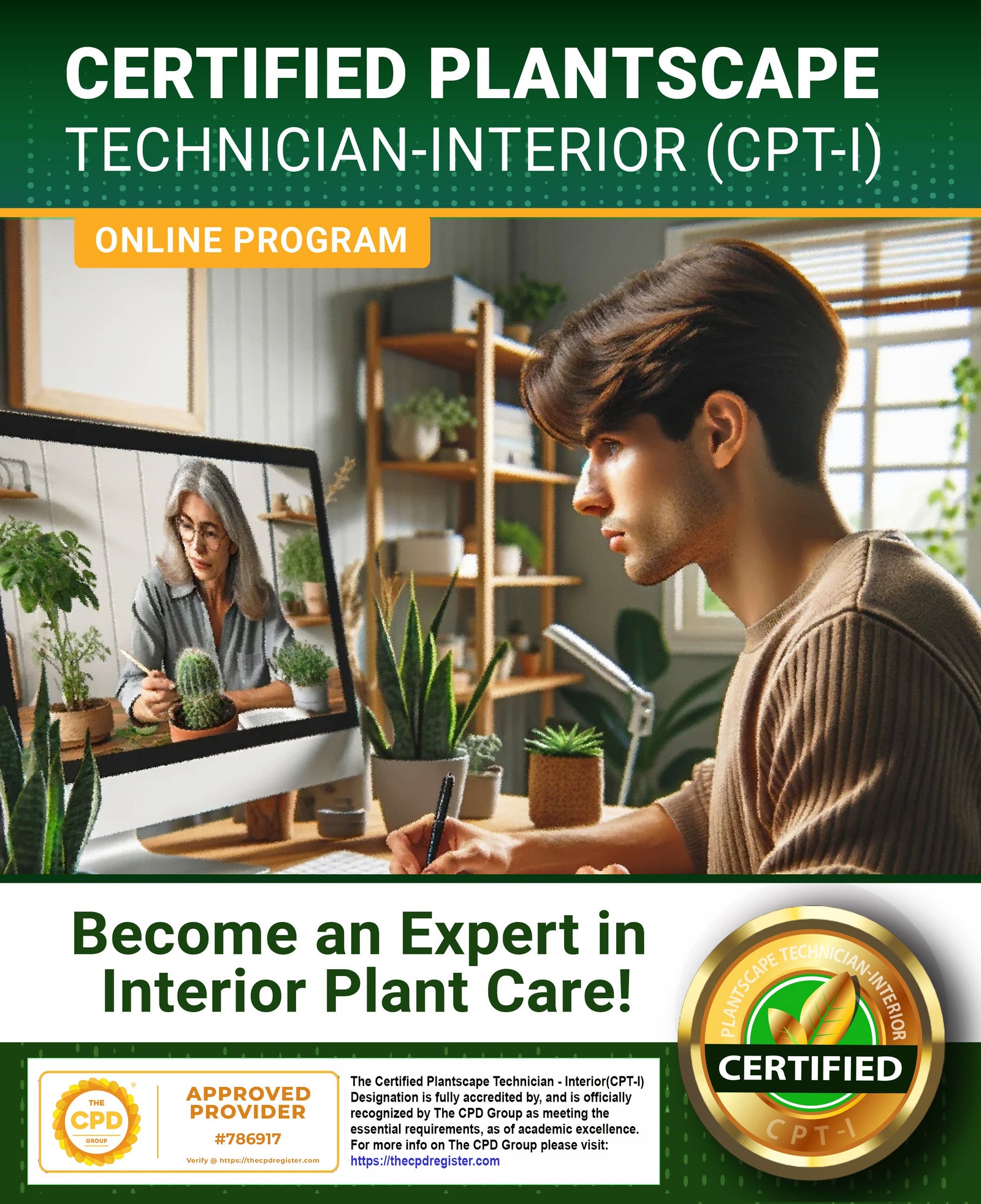
Credit: iplantsmagazine.com
Frequently Asked Questions
What Certifications Are Needed For Indoor Gardening?
Indoor gardening typically doesn’t require specific certifications. However, certifications in horticulture or organic gardening can enhance your skills and credibility. They provide valuable knowledge about plant care and sustainable practices. While not mandatory, these certifications can help you better manage your indoor garden and achieve healthier plant growth.
Is A Horticulture Certification Useful For Indoor Gardens?
Yes, a horticulture certification can be beneficial for indoor gardens. It equips you with essential skills in plant care, pest management, and soil health. This knowledge improves your ability to maintain a thriving indoor garden. Certified horticulturists often have a deeper understanding of plant needs and sustainable practices.
Can Organic Gardening Certification Benefit Indoor Gardeners?
Organic gardening certification can significantly benefit indoor gardeners. It focuses on sustainable and eco-friendly practices, crucial for healthy indoor plant growth. Certified individuals learn about natural pest control and soil management. This knowledge enhances indoor gardening efficiency, promoting a safer environment for plants and humans alike.
Do You Need Certification To Sell Indoor Plants?
No specific certification is required to sell indoor plants. However, knowledge in horticulture or gardening can boost your credibility and business. Understanding plant care and customer needs can improve sales. Certification in related fields may provide valuable insights, helping you offer better service to your customers.
Conclusion
Choosing the right certification ensures safe indoor gardening. It enhances plant health. Certifications guide proper use of equipment and materials. They provide peace of mind. With the right credentials, gardening becomes more efficient. It also supports sustainable practices. Certification helps meet legal standards.
It keeps your indoor garden thriving. Always research certifications thoroughly. Make informed choices. This benefits both your plants and environment. Happy gardening!







