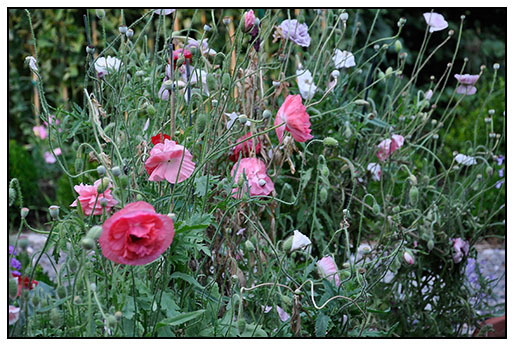
Imagine stepping into your garden and being greeted by a vibrant splash of color, with delicate poppies swaying gently in the breeze. These flowers are not just a treat for the eyes but a joy for the soul.
If you’re wondering where to plant poppies in your garden, you’re in the right place. Finding the perfect spot can make all the difference, ensuring they thrive and add that stunning visual appeal you’re dreaming of. This guide will walk you through the best locations and conditions for planting poppies, making sure your garden becomes the envy of the neighborhood.
So, if you’re ready to transform your outdoor space into a poppy paradise, read on to discover how you can make it happen.

Credit: www.facebook.com
Ideal Conditions For Poppies
Poppies bring vibrant color to any garden. Knowing where to plant them is key. They thrive when given the right conditions. Let’s explore what poppies need to flourish.
Sunlight Requirements
Poppies love sunlight. They need at least six hours a day. Full sun is ideal. It helps them grow strong and bloom brightly. Without enough sun, they may become leggy. Choose a spot with ample sunlight for best results.
Soil Preferences
Poppies prefer well-drained soil. Sandy soil is ideal. It prevents waterlogging, which can harm their roots. They do not like heavy clay. To improve drainage, add organic matter. Compost or peat moss works well. Good soil ensures healthy poppies.
Watering Needs
Poppies need moderate watering. They thrive in dry conditions. Overwatering can lead to root rot. Water them sparingly. Let the soil dry between waterings. During dry spells, increase water slightly. Keep an eye on them, but don’t overdo it.
Choosing The Right Location
Choosing the right location for your poppies can make all the difference in their growth and beauty. Poppies thrive in areas where they can soak up plenty of sunlight and enjoy good air circulation. But where should you plant them to maximize their visual appeal while ensuring they flourish? Let’s explore some ideal spots in your garden.
Front Yard Vs. Backyard
Your front yard can be a fantastic showcase for poppies. They add a splash of color that welcomes guests and passersby. Poppies can become the talk of the neighborhood when they bloom vibrantly against your house.
On the other hand, the backyard offers a private sanctuary. Here, poppies can enhance your personal retreat, adding charm to your outdoor space. Consider where you spend more time, and where you’d like to enjoy their beauty.
Near Pathways And Walkways
Imagine strolling down a path lined with cheerful poppies. Planting them near pathways turns a simple walk into a delightful experience. They guide the way with their vivid colors and can make even the shortest stroll feel special.
However, remember to leave enough space for foot traffic. Poppies need room to grow, so avoid crowding them too close to the path. This ensures they don’t get damaged and their beauty remains unspoiled.
Borders And Edges
Borders and edges are perfect spots for poppies. They act as natural frames, highlighting the structure of your garden. Poppies planted along borders can define spaces, adding a clear division between areas.
Think about using poppies to accentuate existing features. Their vivid hues can enhance garden beds and complement other plants. Consider the color combinations to create a harmonious look that catches the eye.
Where will you plant your poppies to achieve the most impact? Choose spots that not only showcase their beauty but also enhance your garden’s overall appeal.
Poppies In Rock Gardens
Poppies bring vibrant color and charm to rock gardens. Their delicate blooms contrast beautifully with rocky landscapes, making them a favorite among garden enthusiasts. Rock gardens offer unique benefits for poppies, providing the drainage and sunlight they need to thrive. Selecting the right spot can elevate your garden’s aesthetics and create a stunning visual appeal.
Benefits Of Rock Gardens
Rock gardens help poppies flourish. They naturally provide excellent drainage, which is crucial for poppy health. Rocks absorb heat, creating a warm microclimate that encourages growth. This environment mimics their native habitat, resulting in stronger, healthier plants. Rock gardens are low-maintenance, requiring less water and fewer resources. This makes them ideal for busy gardeners. Poppies in rock gardens attract pollinators, enhancing the ecosystem.
Complementary Plants
Pair poppies with plants that thrive in similar conditions. Consider adding sedums, which also prefer well-drained soil. These succulent plants add texture and depth alongside poppies. Lavender complements poppies with its purple hues and fragrant blooms. It thrives in sunny rock gardens. Thyme, a hardy herb, fills gaps between rocks. Its small flowers are visually appealing and aromatic. Combining these plants creates a cohesive and attractive garden design.

Credit: www.facebook.com
Poppies In Containers
Poppies thrive in containers placed in sunny garden spots. These vibrant flowers need well-draining soil and ample sunlight. By planting poppies in containers, you can easily move them to capture the best light.
Poppies are a delightful addition to any garden, and planting them in containers can be a perfect solution if you’re short on space or want to bring color to your patio or balcony. Container gardening with poppies allows for flexibility, enabling you to move them around to find the best light conditions or simply to refresh your outdoor decor. But how do you ensure your potted poppies thrive? Let’s delve into some practical tips on container size, type, and potting mix.Container Size And Type
Choosing the right container for your poppies is crucial. A container that’s too small may restrict root growth, while a larger pot can provide ample space for roots to spread. Aim for a container at least 12 inches in diameter to give poppies enough room to flourish. Material matters, too. Opt for terracotta pots for their breathability, which helps prevent overwatering. Alternatively, use lightweight plastic pots if you plan to move them frequently. Have you considered using decorative containers to enhance your garden’s aesthetic? A colorful or intricately designed pot can complement the vibrant blooms of your poppies, creating a stunning visual impact.Potting Mix Tips
The right potting mix can make all the difference for your potted poppies. Use a well-draining mix to prevent waterlogging, which can lead to root rot. Combining standard potting soil with perlite or sand can improve drainage effectively. Add a slow-release fertilizer to the mix to keep your poppies nourished throughout the growing season. This ensures that they have enough nutrients to support their bright and cheerful blooms. Have you ever tried adding organic matter like compost? It can enrich the soil, providing essential nutrients and improving texture. This small step can significantly boost your poppies’ growth and flowering potential. As you plan your container garden, consider experimenting with different pot sizes and mixes. Which combination will yield the most vibrant blooms?Companion Planting With Poppies
Plant poppies among your vegetables or near borders. Their bright colors attract pollinators and deter pests. Poppies thrive in sunny spots with well-drained soil, making them ideal companions in various garden settings.
Companion Planting with Poppies Planting poppies in your garden is like adding little bursts of sunshine. But have you ever thought about which plants to pair them with? Companion planting with poppies can not only enhance their beauty but also improve their growth and health.Plants That Enhance Poppy Growth
Choosing the right neighbors for your poppies can make all the difference. Lavender is an excellent choice as it shares similar sun and soil preferences. It also attracts beneficial insects that help keep poppies healthy. Consider planting poppies alongside yarrow. Yarrow can improve soil quality, which benefits poppy growth. This plant also attracts pollinators, ensuring your poppies get the attention they deserve. Chamomile is another great companion. It has been known to enhance the flavor and health of neighboring plants. Plus, the gentle contrast in foliage creates a charming visual appeal.Colorful Combinations
Poppies are stunning on their own, but pairing them with other colorful plants can create a breathtaking display. Imagine the vibrant hues of poppies mingling with the deep blues of cornflowers. This combination creates a lively palette that captivates the eyes. Consider combining poppies with the bright yellows of sunflowers. This mix not only draws attention but also adds height and texture to your garden. The towering sunflowers provide a dramatic backdrop for the delicate poppies. For a softer look, pair poppies with pastel-colored sweet peas. The gentle shades create a serene atmosphere, perfect for a calming garden space. This duo also shares similar growing conditions, making them easy to care for together. What other combinations can you dream up for your garden? Let your imagination run wild and watch your garden come to life.Seasonal Considerations
Choose sunny spots with well-drained soil for planting poppies. Ensure space for growth and consider seasonal blooms for vibrant displays.
Planting poppies in your garden requires some forethought, especially when considering the seasons. The timing of when you plant these vibrant flowers can significantly impact their growth and blooming success. Understanding the nuances of each season will help you make the most of your gardening efforts.Spring Planting Tips
Spring is a great time to plant poppies, as the soil begins to warm and the risk of frost diminishes. Choose a sunny spot in your garden for optimal growth. Poppies thrive in well-drained soil, so ensure your chosen location isn’t prone to waterlogging. Consider starting seeds indoors four to six weeks before the last frost date. This head start can lead to stronger plants that will bloom earlier in the season. Once the seedlings are ready, gradually acclimate them to outdoor conditions before transplanting them into your garden. Keep an eye on the weather forecast. Late frosts can still occur, and young poppy plants are particularly vulnerable to cold snaps. If you expect a frost, cover the plants overnight to protect them from the chill.Fall Planting Advice
Planting poppies in the fall can give you a head start on the growing season. The cooler temperatures and increased rainfall help establish a strong root system. This foundation allows the plants to burst into bloom as soon as spring arrives. Select a location that will remain relatively undisturbed over winter. This ensures the seedlings can develop without interference. Consider mulching the area to maintain soil warmth and moisture. Sowing seeds directly into the garden in fall can be less labor-intensive than spring planting. Just ensure they are not buried too deeply. A light covering of soil is sufficient to protect the seeds while allowing them to germinate naturally with the changing seasons. Are there specific spots in your garden that seem to thrive during certain times of the year? Use these observations to decide the best timing for planting your poppies.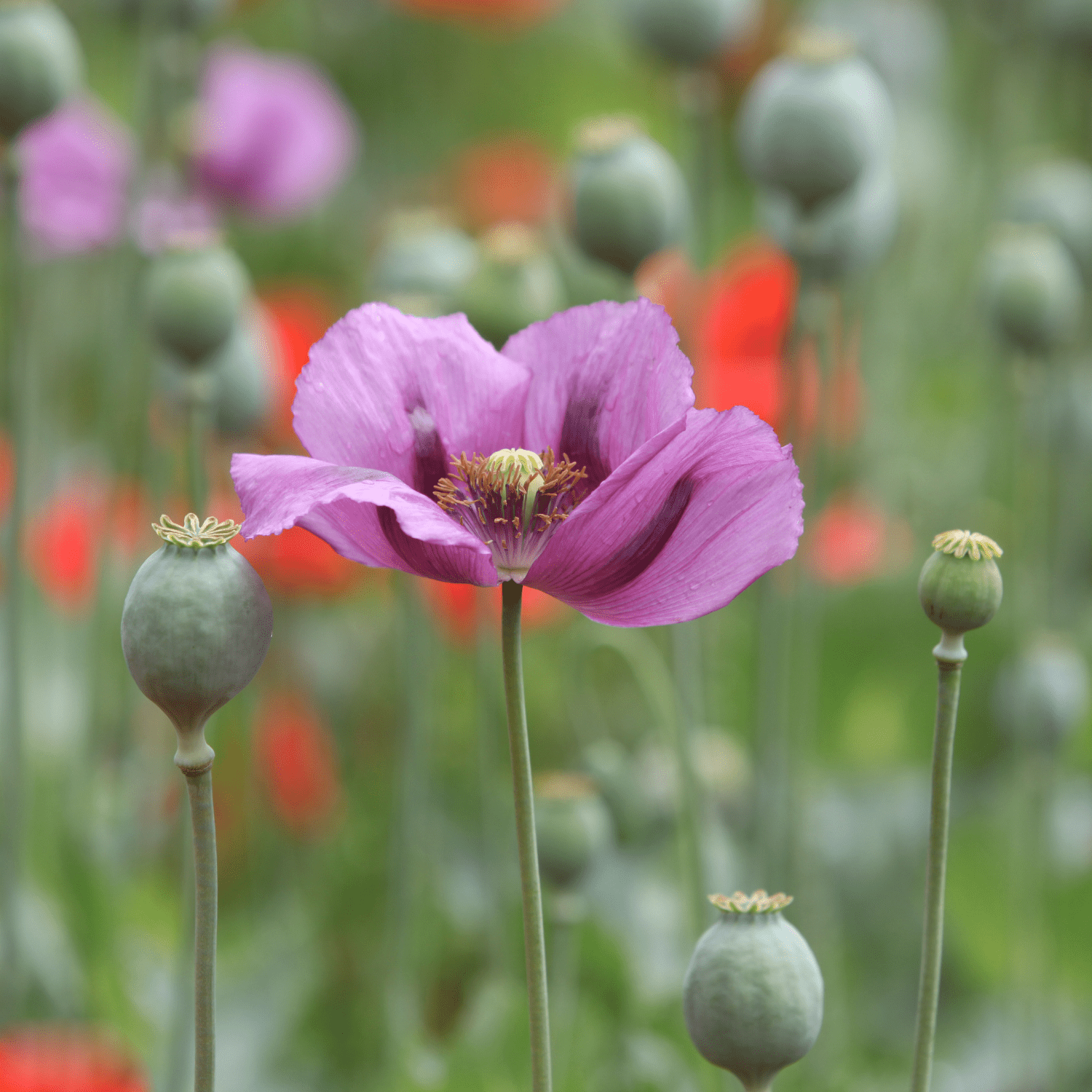
Credit: dutchflowerbulbs.com
Frequently Asked Questions
Where Should Poppies Be Planted?
Poppies thrive in sunny spots with well-drained soil. Choose a location that receives full sunlight for most of the day. Ensure the soil is loose and fertile, enhancing their growth and bloom. Avoid overly wet areas to prevent root rot, ensuring your poppies flourish beautifully.
Can Poppies Grow In Shade?
Poppies prefer sunny locations for optimal growth. While they can tolerate partial shade, full sunlight is ideal for vibrant blooms. Shade might hinder their flowering potential, leading to fewer blossoms. Choose sunny spots to ensure your garden’s poppies thrive and display their vibrant colors.
What Soil Is Best For Poppies?
Well-drained, fertile soil is ideal for poppies. Ensure the soil is loose and not compacted, facilitating root growth. A slightly acidic to neutral pH enhances their growth. Avoid overly wet soil to prevent root issues, ensuring your poppies grow healthily and bloom abundantly.
Are Poppies Suitable For Containers?
Yes, poppies can thrive in containers. Ensure the container has good drainage and use well-draining potting mix. Place the container in a sunny spot for optimal growth. Regular watering, without over-saturating, helps maintain healthy blooms, making poppies a vibrant addition to container gardens.
Conclusion
Poppies bring color and joy to any garden. Choose sunny spots for planting. Ensure the soil drains well to prevent root rot. Group them together for a vibrant display. Consider their height when planning your layout. Poppies attract bees, which help pollinate other plants.
They thrive in varied climates, making them versatile. With minimal care, they bloom beautifully each season. Enjoy watching your garden transform with these stunning flowers. Happy gardening!







