Imagine stepping into your vegetable garden and finding a splash of vibrant colors alongside your leafy greens and juicy tomatoes. That’s the magic nasturtiums bring to your garden.
These cheerful flowers are not just pretty; they offer numerous benefits like pest control, attracting pollinators, and even adding a peppery flavor to your salads. But where exactly should you plant nasturtiums to maximize these benefits? If you’re wondering how to integrate these bright blooms into your vegetable plot, you’re in the right place.
By strategically placing nasturtiums, you can enhance both the beauty and health of your garden. Ready to transform your gardening experience? Dive into this guide and discover the best spots for planting nasturtiums in your vegetable garden!

Credit: littlesproutslearning.co
Benefits Of Planting Nasturtium
Plant nasturtium near vegetables in your garden to deter pests and attract beneficial insects. This vibrant plant also improves soil health by adding nutrients. Plus, its bright flowers offer a splash of color among your greens.
Planting nasturtium in your vegetable garden can be quite beneficial. These vibrant flowers not only add beauty but also serve practical purposes. Nasturtium acts as a natural pest deterrent, attracting helpful insects. They can also be used in salads for a peppery flavor. Integrating nasturtium can enhance your garden’s health and productivity.Natural Pest Control
Nasturtium repels aphids and beetles effectively. Their scent confuses harmful insects. This reduces the need for chemical pesticides. They attract predatory insects like ladybugs. These insects help control pests naturally.Improves Soil Health
Nasturtium has deep roots. They loosen compact soil, improving air circulation. Their roots enrich the soil with nutrients. This supports vegetable growth. They also prevent soil erosion.Enhances Biodiversity
Nasturtium attracts pollinators like bees. Pollinators boost vegetable yields. Their flowers provide nectar for butterflies. This enriches the garden’s ecosystem.Edible Flowers
Nasturtium flowers are edible. They have a spicy, peppery taste. Use them in salads for extra flavor. Their bright colors enhance dishes. Leaves can be used too.Easy To Grow
Nasturtium requires little care. They thrive in poor soil. Minimal watering is sufficient. They grow well in full sun. Suitable for beginners.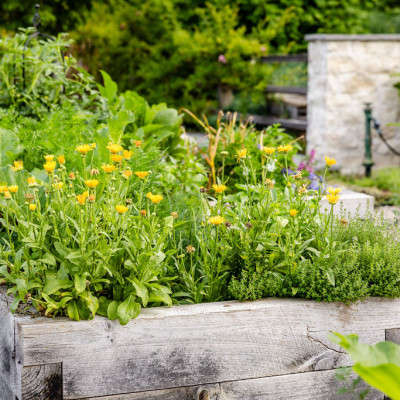
Credit: www.gardenary.com
Soil And Climate Preferences
Nasturtiums are a vibrant addition to any vegetable garden. Understanding their soil and climate preferences can ensure they thrive. These colorful flowers are not only beautiful but also beneficial for vegetable gardens. They can attract pollinators and deter pests, making them a gardener’s ally.
Ideal Soil Conditions
Nasturtiums prefer well-drained soil. Sandy or loamy soil works best. They thrive in slightly acidic to neutral soil. A pH range of 6.1 to 7.8 is ideal. Avoid overly rich soil. Too many nutrients can reduce blooms. Compost can improve soil texture without over-fertilizing. Ensure the soil retains moisture but does not stay soggy. Good drainage is essential for healthy nasturtiums.
Climate Tolerance
Nasturtiums are hardy and adapt to various climates. They love sunny spots. Full sun ensures vibrant blooms. In hotter climates, partial shade can prevent wilting. They tolerate temperatures as low as 30°F. Frost can damage these plants, so protect them in cold weather. In warmer regions, nasturtiums can bloom year-round. Their resilience makes them ideal for diverse environments.
Companion Planting Advantages
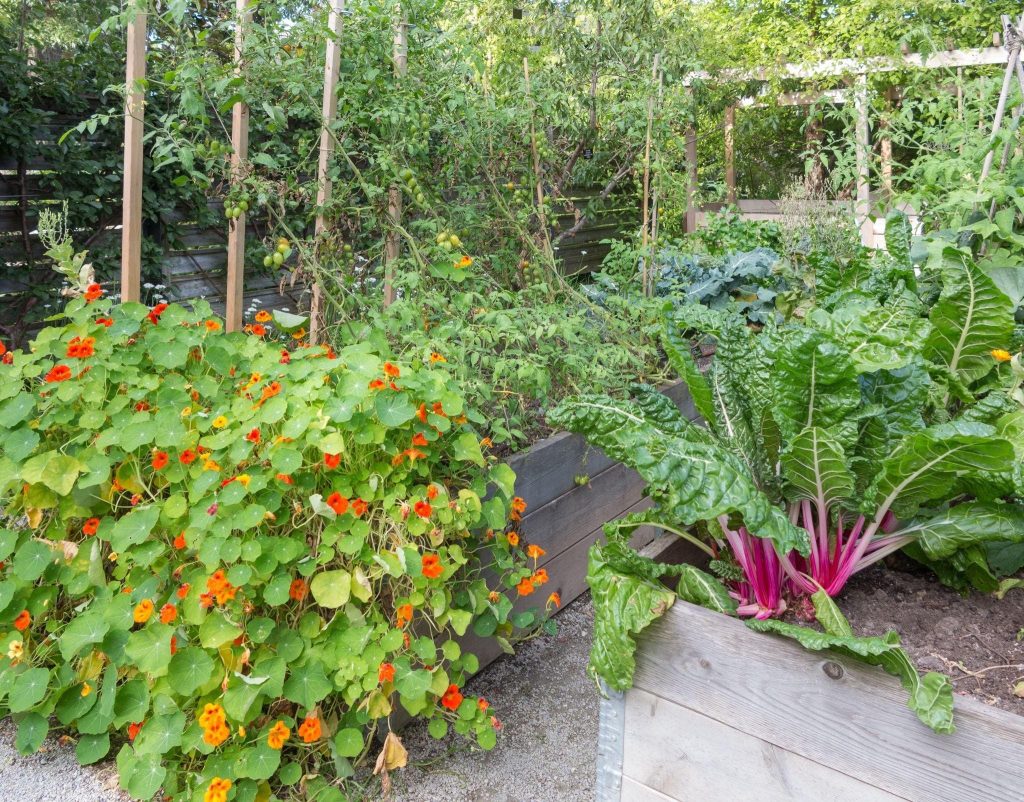
Nasturtiums flourish near tomatoes, cucumbers, and broccoli, repelling pests naturally. Their vibrant flowers attract pollinators, enhancing garden health.
Companion Planting Advantages Planting nasturtium in your vegetable garden isn’t just about adding a splash of color. It’s a strategic move that can bring numerous benefits to your garden ecosystem. By understanding how nasturtiums interact with other plants, you can enhance growth and keep pesky pests at bay.Pest Control Benefits
Nasturtiums are natural pest repellents. Their peppery scent is a deterrent to many common garden pests like aphids and beetles. You might notice fewer unwanted visitors around your tomatoes and cucumbers. Some gardeners have shared how they saw a noticeable drop in pest activity after introducing nasturtiums. Could this be the secret weapon your garden needs?Enhancing Vegetable Growth
Beyond pest control, nasturtiums can boost the health of your vegetables. They are known to improve soil quality by attracting beneficial insects that aid pollination. Consider placing nasturtiums near crops like beans and carrots. Many gardeners believe these combinations lead to healthier, more robust produce. Have you ever wondered how small changes in planting can lead to bigger harvests? Nasturtium might be the key to unlocking your garden’s potential.Optimal Garden Locations
Nasturtiums are a wonderful addition to any vegetable garden. Their vibrant blooms and edible leaves offer both beauty and utility. Finding the right spot for them can enhance their growth and benefits.
Border Planting
Nasturtiums work well as border plants. They create a colorful edge around your garden. Their trailing vines can spill over paths, adding charm. This placement also keeps pests at bay. Nasturtiums attract aphids away from your main crops, acting as a natural pest control. They thrive in full sun, so choose a sunny border for best results.
Interplanting With Vegetables
Interplanting nasturtiums with vegetables can boost garden health. They pair well with tomatoes, beans, and cucumbers. Nasturtiums deter pests that harm these vegetables. Their vibrant flowers invite pollinators, enhancing fruit production. Ensure enough space for both plants to grow. Nasturtiums need good airflow to prevent disease. A balance of sunlight and shade suits them well. This interplanting strategy maximizes garden productivity and beauty.
Sunlight And Water Requirements
Nasturtium thrives in sunny spots with well-drained soil. Ensure adequate water without overwatering for best growth.
Growing nasturtiums in your vegetable garden can be a delightful addition. These vibrant flowers are not only visually appealing but also serve as a natural pest deterrent. To ensure they thrive, understanding their sunlight and water requirements is crucial.Sun Exposure Needs
Nasturtiums love the sun. They thrive best with full sunlight, ideally receiving at least 6 to 8 hours of direct sun each day. While they can tolerate partial shade, full sun encourages more vibrant blooms and healthier plants. If your garden has a spot that gets morning sun and afternoon shade, that’s a great place to plant them. Consider the layout of your garden. Are taller plants casting shadows over potential nasturtium spots? If so, think about rearranging or trimming those plants to allow more light.Watering Guidelines
Nasturtiums are pretty low-maintenance when it comes to watering. They prefer well-drained soil, so avoid overwatering as it can lead to root rot. Water them moderately. Let the top inch of soil dry out between waterings. In particularly hot climates, you might need to water more frequently. However, always check the soil moisture first to prevent drowning your plants. During a particularly dry summer, I noticed my nasturtiums looking a bit droopy. A quick check revealed the soil was bone-dry. After a thorough watering, they perked up by the next day. It’s amazing how quickly these plants respond to their needs being met. Are you checking your garden’s moisture levels regularly? It could make all the difference for your nasturtiums.Avoiding Common Mistakes
Plant nasturtiums near vegetables to repel pests and enrich the soil. Ensure they get full sun for best growth. Avoid shady spots, as this may hinder their vibrant blooms.
Planting nasturtium in your vegetable garden brings color and vitality. These vibrant flowers can repel pests and attract beneficial insects. To enjoy these benefits, avoid common mistakes that can hinder their growth.Overcrowding Issues
Nasturtiums need space to spread their vines. Planting them too close can limit air circulation. This can lead to mold or disease. Space each plant at least 12 inches apart. This gives them room to thrive and flourish. Proper spacing helps them grow healthy and strong.Incorrect Soil Types
Nasturtiums prefer poor soil conditions. Rich soil can result in excessive foliage and fewer flowers. Choose a well-draining soil for best results. Avoid using too much fertilizer. Over-nourished soil can stunt their blooming. They thrive in neglected corners with minimal care.
Credit: www.facebook.com
Frequently Asked Questions
Where Is The Best Spot To Plant Nasturtium?
Nasturtiums thrive in sunny spots with well-drained soil. They prefer areas with full sun exposure. However, they can tolerate partial shade. Ensure the location has good air circulation to prevent mildew. Avoid overly fertile soil to maintain vibrant blooms.
Can Nasturtiums Grow In Shaded Areas?
Nasturtiums can grow in partial shade, but they bloom best in full sun. Shaded areas might result in fewer blooms. For optimal growth, ensure they receive at least 4-6 hours of sunlight daily. In shaded spots, monitor for mildew and ensure good air circulation.
Are Nasturtiums Good For Companion Planting?
Yes, nasturtiums are excellent companion plants. They repel pests like aphids and attract beneficial insects. Plant them near vegetables like tomatoes, cucumbers, and beans. Their vibrant flowers also add color to the garden, enhancing its aesthetic appeal.
How Do I Prepare Soil For Nasturtiums?
Nasturtiums prefer well-drained, slightly acidic to neutral soil. Avoid overly fertile soil to prevent excessive leaf growth. Before planting, loosen the soil and remove debris. Adding compost can improve soil structure but use it sparingly. This ensures vibrant blooms and healthy plants.
Conclusion
Planting nasturtiums in your vegetable garden is a smart choice. They deter pests naturally and add vibrant color. Pick sunny spots for best growth. Their care is simple, needing little attention. Nasturtiums also attract helpful insects like bees. They help your garden thrive with ease.
Grow them near tomatoes, beans, and cucumbers. These plants benefit from nasturtiums’ companion traits. Plus, their leaves and flowers are edible. Enjoy a splash of color and flavor in your salads. Consider nasturtiums an essential part of your garden plan.
They enhance your garden’s beauty and health effortlessly.