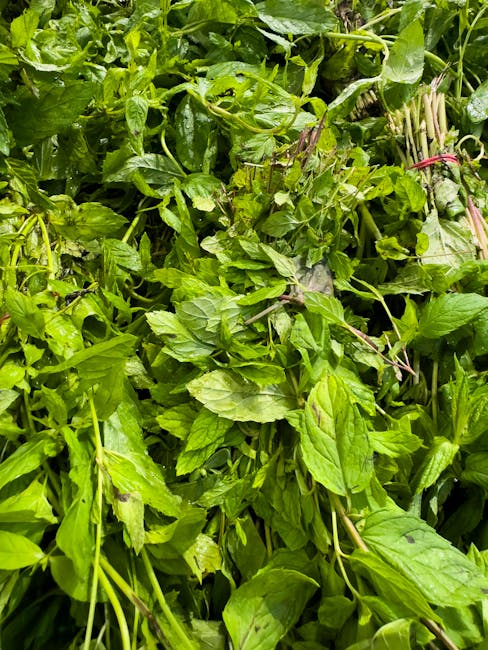
Imagine stepping into your garden and being greeted by the refreshing aroma of mint. This versatile herb can transform any space into a fragrant oasis and add a burst of flavor to your culinary creations.
But where should you plant mint in your garden to ensure it thrives? You might be surprised by how easy it is to grow mint successfully, but choosing the right location is key. By planting mint in the ideal spot, you can unlock its full potential and enjoy a thriving herb garden.
Curious to know the best place to plant mint and watch it flourish? Let’s explore the secrets of mint placement that every gardener needs to know. Discover how a simple decision can make a big impact on your garden’s success.
Choosing The Right Location
Choosing the right spot for planting mint is crucial. Mint thrives in well-drained soil and partial shade. Ensure the location allows space for its rapid growth and prevents it from overtaking other plants.
Finding the perfect spot to plant mint in your garden can make all the difference in its growth and flavor. Mint is a hardy herb, but it thrives best when given the right conditions. Let’s dive into the specifics of what makes the ideal location for your mint patch.Sunlight Requirements
Mint prefers a balance of sunlight and shade. Direct sunlight for about four to six hours a day is ideal. If you live in a hotter climate, consider planting your mint where it can enjoy morning sun and afternoon shade. Too much sun can cause the leaves to wilt and lose their vibrant color. On the other hand, too much shade might result in leggy plants with less flavor. Adjusting the light conditions can help you achieve lush, flavorful mint leaves.Ideal Soil Conditions
Good soil is crucial for growing healthy mint. It thrives in rich, well-drained soil. If you notice your garden soil is heavy and retains water, mix in some sand or organic matter to improve drainage. Mint also prefers a slightly acidic to neutral pH level, around 6.0 to 7.0. You can use a simple soil test kit to check your soil’s pH. If needed, add lime to increase pH or sulfur to decrease it. Remember, mint is a vigorous grower, so giving it the right soil conditions will help it thrive without taking over your garden. Consider planting it in a container if you want to keep its growth in check. By taking these simple steps, you can ensure your mint not only survives but flourishes, providing you with an abundance of fragrant and tasty leaves. Where will you choose to plant your mint?
Credit: www.facebook.com
Spacing And Arrangement
Mint thrives in a sunny spot with rich, well-drained soil. Plant it near pathways for easy access and aroma. Keep it contained to prevent spreading.
Planting mint in your garden requires careful consideration of spacing and arrangement to ensure it thrives without overtaking other plants. Mint is a vigorous grower and can quickly spread if not properly managed. By understanding the optimal spacing and the benefits of companion planting, you can create a harmonious garden environment.Optimal Spacing
When planting mint, space is your friend. Mint plants should be spaced about 18 to 24 inches apart. This allows each plant enough room to grow and spread without crowding its neighbors. Consider planting mint in containers or using barriers if you want to control its spread. This will help maintain the organized look of your garden. Remember, mint thrives in well-drained soil with plenty of sunlight. Ensure each plant has enough room to access these essentials.Companion Planting
Mint can be a great companion for certain plants. It pairs well with cabbage and tomatoes, providing a natural pest deterrent. Avoid planting mint near parsley or chamomile, as it can inhibit their growth. Think of mint as a protective friend for your garden, but one that needs its own space to flourish. How will you ensure your mint has room to grow without overshadowing its companions?Managing Mint Growth
Mint thrives in partially shaded areas of the garden with moist, well-drained soil. Plant it near water sources to ensure consistent moisture. Consider using containers to control its rapid spread.
Managing Mint Growth Mint is a delightful herb that adds a burst of flavor to your dishes, but it can be a bit of a wild child in the garden. If you’ve ever planted mint, you know it tends to spread quickly, sometimes overtaking its neighbors. But fear not, there are ways to keep its growth in check while still enjoying its benefits.Preventing Invasive Spread
Mint’s underground roots, known as rhizomes, can be quite aggressive. They can spread rapidly, and before you know it, mint might be popping up in places you hadn’t planned. One effective way to prevent this is by using physical barriers. Consider planting mint in a garden bed with deep edging. This will help contain its roots and keep them from traveling too far. You can also dig trenches around your mint plants to limit their reach. Another tip is to regularly prune the mint to control its growth. By trimming the tops, you not only encourage bushier growth but also keep the plant manageable.Using Containers
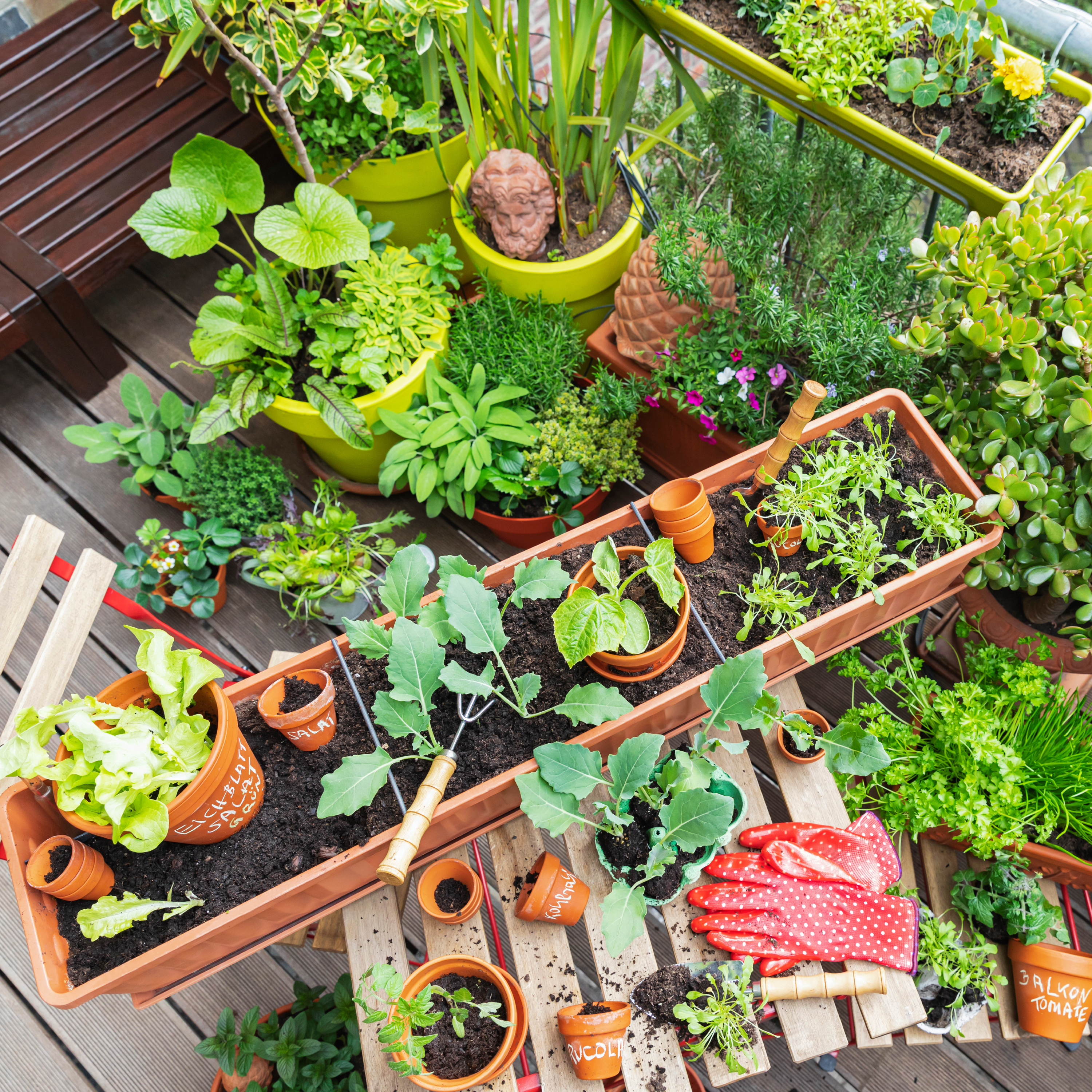
Containers are a fantastic option for managing mint’s growth. By planting mint in pots, you can control its spread completely. Choose a pot that’s at least 12 inches wide to give the mint room to thrive. Containers allow you to move your mint around the garden, giving it the best sun exposure or protecting it from harsh weather. Plus, having mint in a pot means you can enjoy its fragrance on your patio or balcony. Water your potted mint regularly, as containers dry out faster than garden beds. Ensure the pot has good drainage to prevent root rot. Have you tried planting mint in different ways? How did it affect your garden’s dynamics?Climate Considerations
Mint is a versatile herb that adapts well to various climates. Understanding climate considerations is crucial for successful mint growth. Different climates require specific approaches to ensure healthy mint plants.
Adapting To Different Climates
Mint thrives in temperate climates with moderate temperatures. It grows best in regions with cool summers and mild winters. In hot climates, mint needs partial shade to prevent leaf scorching. Ensure soil stays moist but not waterlogged.
In cooler climates, mint can tolerate frost and light freezes. It’s important to choose a location that receives ample sunlight. Ensure the soil drains well to prevent root rot.
Winter Protection Strategies
In areas with harsh winters, mint requires protection. Mulching helps insulate the roots during cold months. Use straw or wood chips to cover the soil around the plants.
Container planting is another option. Move pots indoors during freezing temperatures. If mint is in the ground, covering it with a frost cloth can safeguard against extreme cold.
Common Mistakes To Avoid
Plant mint in a contained area to prevent it from spreading uncontrollably. Choose a spot with partial shade to avoid scorching its leaves. Ensure the soil is well-drained to keep the roots healthy and vibrant.
Planting mint in the garden can bring a fresh aroma and flavor to your home. Yet, many gardeners face challenges growing mint. Understanding common mistakes helps ensure a healthy mint plant. Let’s explore some pitfalls to avoid.Overcrowding Issues
Mint spreads quickly and can overtake other plants. Avoid planting mint too close to other herbs. Use separate pots or containers to control its growth. This prevents overcrowding and gives each plant enough space. Adequate space ensures mint grows healthily.Neglecting Soil Drainage
Mint thrives in well-drained soil. Poor drainage causes waterlogging and root rot. Ensure the garden soil is loose and well-aerated. Add sand or gravel to improve drainage if needed. Proper drainage keeps mint roots healthy and prevents diseases.
Credit: www.yahoo.com
Credit: www.gardeningknowhow.com
Frequently Asked Questions
Can Mint Grow In Shady Areas?
Yes, mint can thrive in partial shade. It prefers sunny spots but will still grow well with minimal sunlight. Shady areas can prevent mint from overheating and help retain moisture, making it a suitable option for gardeners with limited sunlight.
Is Mint Easy To Grow In Gardens?
Mint is very easy to grow and spreads quickly. It requires minimal care and adapts to various soil types. With regular watering and occasional trimming, mint can flourish, making it perfect for beginners and seasoned gardeners alike.
How Does Mint Affect Other Plants?
Mint can be invasive and may compete with nearby plants. It spreads rapidly through underground stems called rhizomes, potentially crowding out other plants. To prevent this, consider planting mint in containers or using barriers in the garden.
What Soil Is Best For Mint Planting?
Mint thrives in well-draining, nutrient-rich soil. It prefers slightly acidic soil with a pH of 6. 0 to 7. 0. Adding compost can enhance soil quality, ensuring your mint plant receives optimal nutrients for growth.
Conclusion
Choosing the right spot for mint is key. This ensures healthy growth. Mint thrives in a sunny area. But some shade is fine. Ensure the soil drains well. This prevents root rot. Space plants to avoid overcrowding. Mint spreads quickly.
Consider containers for control. Watch for pests. A little care goes a long way. With the right spot, mint flourishes. Enjoy fresh mint in your garden. It’s a simple delight. Perfect for teas and dishes. Happy planting!







