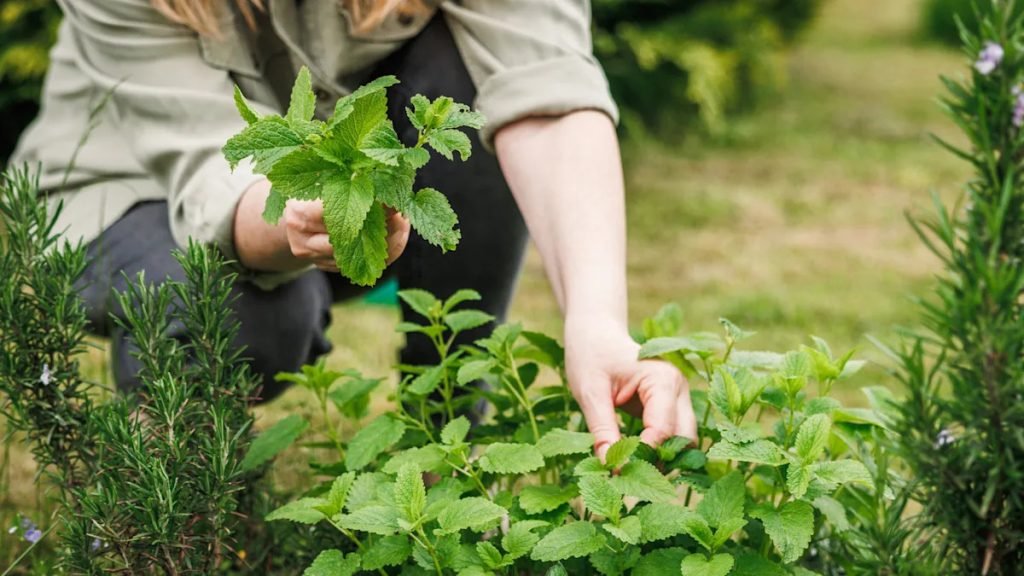
Imagine stepping into your garden and being greeted by the refreshing aroma of mint. Not only does this versatile herb tantalize your senses, but it also offers a plethora of uses ranging from culinary delights to natural remedies.
Yet, knowing where to plant mint in your garden can make all the difference in its growth and flavor. You might wonder why mint sometimes thrives and other times falters. The secret lies in choosing the perfect spot. You’ll uncover the best strategies to plant mint successfully, ensuring it flourishes with vigor.
Whether you’re a seasoned gardener or a beginner, you’ll find these tips indispensable for transforming your garden into a mint haven. Get ready to unlock the secrets to vibrant mint that will enhance your garden and elevate your culinary creations.

Credit: www.ruralsprout.com
Ideal Sunlight Conditions
Mint thrives best in partial sunlight, receiving about 3 to 4 hours of direct sun each day. It prefers moist, well-drained soil to grow vigorously and spread lushly. Avoid planting in full shade to ensure optimal growth and flavor.
Growing mint in your garden can be a delightful experience, but understanding the ideal sunlight conditions is crucial for a thriving mint patch. Mint is a hardy herb that adapts to various light conditions, but it flourishes best with the right balance of sunlight. Too much direct sun can scorch its leaves, while too little can stunt its growth. So, what is the perfect sunlight balance for mint?Understanding Mint’s Sunlight Needs
Mint prefers a spot that receives partial sunlight. Aim for 3-4 hours of direct sunlight each day. This ensures the plant gets enough light to grow without getting overwhelmed by intense sun exposure.Finding The Right Garden Spot
Consider planting mint on the east or west side of your garden. These locations typically provide the gentle morning or late afternoon sun that mint loves. If you’re using containers, these can be easily moved to capture the best light throughout the day.Using Natural Shade
Is there a taller plant or structure nearby that offers natural shade? Mint enjoys the protection from harsh midday sun, which can be provided by a tree or a garden wall. This setup allows the mint to bask in the softer morning or evening rays.Adjusting For Climate
In hotter climates, mint can benefit from more shade. You might notice wilting leaves if the sun is too intense. Conversely, in cooler regions, mint may need more sun to thrive, so adjust its location accordingly.Personal Experience: A Tale Of Two Mints
I once planted mint in two different garden spots. One got full morning sun, while the other was shaded until late afternoon. The morning sun mint grew lush and fragrant, while the shaded one struggled. This taught me the value of partial sunlight—balancing light and shade is key. Consider how you can experiment with your garden layout. Where can you place your mint to achieve this balance? Remember, a little trial and error can lead to a bountiful harvest.Soil Requirements
Mint thrives in well-drained, moist soil rich in organic matter. Choose a sunny or partially shaded spot for best growth. Ensure the pH is between 6. 0 and 7. 0 for optimal results.
Mint thrives in well-drained soil, making soil preparation crucial. The right soil ensures healthy growth and a robust flavor. Understanding soil requirements helps you cultivate mint successfully in your garden.Test Soil Ph
Mint prefers a slightly acidic pH, around 6.0 to 7.0. Test your soil with a simple kit from a garden store. Adjust the pH using lime or sulfur as needed.Choose Rich, Organic Soil
Mint flourishes in rich, organic soil. Incorporate compost or aged manure to boost nutrients. This enhances both growth and taste.Ensure Good Drainage
Waterlogged soil harms mint. Use raised beds or containers for better drainage. Sandy soil mixed with organic matter works well.Avoid Heavy Clay Soil
Heavy clay soil can suffocate mint roots. If your garden has clay, amend it with sand and organic matter. This improves aeration and drainage.Maintain Moist Soil
Mint likes consistently moist soil. Mulch helps retain moisture and suppress weeds. Water regularly, ensuring soil doesn’t dry out completely.Container Vs Ground Planting
Mint thrives in both containers and ground planting. Containers offer control over spreading, while ground planting allows mint to grow freely. Choose based on space and maintenance preferences.
Choosing where to plant mint in your garden—containers or directly in the ground—can make a significant difference in how your mint grows and behaves. Each method has its unique benefits and challenges, so understanding these can help you make the best decision for your garden. Whether you’re looking for control or natural growth, each option offers something valuable.Benefits Of Container Planting
Container planting allows you to maintain control over your mint’s growth. Mint is notorious for spreading aggressively, often taking over garden beds. Planting in a container restricts its growth, keeping it manageable and neat. Containers can be moved easily to optimize sunlight exposure. If your garden doesn’t get consistent sunlight, you can shift the container to sunnier spots throughout the day. This flexibility ensures your mint gets the ideal growing conditions. Using containers can also prevent soil-related diseases. By using fresh potting soil, you reduce the risk of pests and diseases that might be present in garden soil. Plus, it’s easier to maintain the ideal moisture level, crucial for mint’s healthy growth.Advantages Of Ground Planting
Planting mint directly in the ground can lead to more vigorous growth. This method allows the roots to spread freely, which can result in a more robust and bushy plant. If you want a lush mint bed, ground planting is the way to go. Ground planting often requires less maintenance. Once established, mint is quite hardy and can tolerate a range of soil conditions. You might not need to water or fertilize as frequently as you would with container plants. By planting mint in the ground, you can create a natural herb garden landscape. Imagine stepping out to the scent of fresh mint wafting through your garden. This experience can be both therapeutic and practical for the avid gardener. Which method resonates with you more? Are you ready for a controlled mint growth in containers, or do you prefer a more natural approach in the ground?Proximity To Other Plants
Plant mint away from other plants to prevent its roots from spreading. Mint can quickly overtake neighboring plants. Consider using containers or root barriers to control its growth.
Planting mint in your garden requires strategic planning. Mint is a vigorous grower, so its proximity to other plants is important. Being mindful of where you plant mint can prevent unwanted spreading and competition with other plants. This section explores which plants work well with mint and which ones to avoid.Companion Plants
Mint thrives alongside certain plants. It can enhance growth and deter pests for its companions. Consider planting mint near:- Tomatoes:Mint repels aphids and enhances tomato flavor.
- Cabbage:Mint helps keep cabbage moths away.
- Peas:Mint can improve pea health and deter pests.
Plants To Avoid
Mint can overwhelm some plants with its aggressive spread. Avoid planting mint near:- Parsley:Mint competes for nutrients and space.
- Lavender:Mint’s invasive nature can hinder lavender growth.
- Basil:Mint can overshadow basil, affecting its growth.
Moisture Considerations
Plant mint in moist, well-drained soil for healthy growth. Ensure the area retains moisture without becoming waterlogged. Proper drainage prevents root rot and promotes vibrant mint plants.
Mint is a versatile and aromatic herb that can thrive in various garden spots. However, its love for moisture cannot be ignored. Understanding the moisture needs of mint is essential to ensure a healthy and robust plant. In this section, we delve into the nuances of how moisture impacts mint’s growth and where you should ideally plant it in your garden.Consistent Moisture Levels
Mint prefers consistently moist soil, but there’s a thin line between moist and waterlogged. Ensure your garden bed or pot has good drainage. This prevents root rot while keeping the soil damp. Have you ever noticed how mint flourishes after rain? That’s your cue. Mimic this natural pattern by watering it regularly, especially during dry spells.Soil Type And Water Retention
Choose soil that retains moisture yet drains well. Sandy loam or rich, organic soil often strikes this balance perfectly. Add compost or organic matter if your soil tends to dry out quickly. Test your soil by squeezing a handful. Does it clump slightly but crumble under pressure? You’re on the right track.Mulching To Retain Moisture
Mulching is your ally in keeping mint happy. A layer of organic mulch around the base helps retain moisture and suppresses weeds. Plus, it adds nutrients to the soil over time, enhancing your mint’s growth. It’s a win-win.Adjusting For Climate
In hot climates, mint will need more frequent watering. Consider placing it in a shadier spot to prevent excessive evaporation. Conversely, in cooler climates, ensure that excess moisture can escape to avoid waterlogged roots. Tailor your watering schedule to the season’s demands. Whether you’re a seasoned gardener or a beginner, understanding and adjusting the moisture levels for mint can make all the difference. Are you ready to optimize your mint’s growing conditions?
Credit: www.uticaod.com
Microclimate Influence
Understanding the microclimate in your garden can make a world of difference when planting mint. Microclimates are the small, localized areas in your garden that have their own unique climate conditions. These can be influenced by factors such as sunlight, wind patterns, and moisture levels. By paying attention to these subtleties, you can ensure your mint thrives, providing you with a bountiful harvest.
Sunlight Patterns And Shade
Mint enjoys a good amount of sunlight but can also tolerate partial shade. Observe where the sun falls in your garden throughout the day. Planting mint in a spot that receives morning sun and afternoon shade might be optimal, especially if you live in a warmer region. This helps prevent the soil from drying out too quickly, keeping your mint lush and aromatic.
Wind Protection
Wind can be a silent destroyer of mint plants. If your garden is exposed to strong winds, consider planting mint near a fence or behind other taller plants. This provides a natural windbreak, allowing your mint to grow without the stress of being battered by the elements. You might have noticed that plants close to structures often fare better; this is due to the slight wind shelter they provide.
Moisture Retention
Mint loves moist soil, but not waterlogged conditions. Identifying areas in your garden with good drainage yet consistent moisture is key. If your garden has areas that tend to retain moisture slightly longer, these could be ideal spots for mint. Be cautious, though, as too much water can lead to root rot. Adding mulch around the mint can help retain moisture without over-saturating the soil.
Temperature Variations
Different areas of your garden can have slight temperature variations due to elevation or surrounding structures. Mint typically prefers cooler temperatures. If your garden has a section that stays cooler due to shade from a building or tree, consider planting your mint there. This can help maintain the plant’s vigor during hotter months.
Where are your garden’s microclimates? Have you noticed areas where plants seem to thrive more than others? By tuning in to these subtle differences, you can create the perfect environment for your mint to flourish. Your garden’s unique microclimates are waiting to be discovered!
Space Management
Mint thrives in sunny spots with well-drained soil. Choose areas where it can spread freely. Container planting helps control its rapid growth.
Managing space wisely is crucial when planting mint in your garden. Mint is a vigorous grower and can easily take over your garden if not controlled. By implementing smart space management strategies, you can enjoy mint’s fresh aroma without it becoming invasive. Explore effective ways to manage space for your mint plants with the following techniques.Preventing Overgrowth
Mint spreads rapidly through its roots. To prevent overgrowth, plant mint in containers. Use pots or raised beds to limit root expansion. Ensure the containers have good drainage to keep roots healthy. Another option is to use root barriers in the ground. These barriers restrict the spread of roots beyond a set area. Regularly check your mint plants. Trim them to keep their growth in check.Utilizing Vertical Space
Vertical gardening is an efficient way to manage space. Use hanging pots or wall planters for your mint. This method saves ground space and adds visual interest. Make sure the planters receive enough sunlight. Vertical gardening also improves air circulation around the plants. This reduces the risk of fungal diseases. Choose sturdy structures to support the weight of the containers. This ensures safety and longevity for your vertical garden setup.Accessibility And Harvesting
Plant mint in well-drained soil with partial shade for best growth. Easy access ensures timely harvesting for fresh use.
Planting mint in your garden can be a delightful addition, but making it accessible and easy to harvest is key to enjoying its full potential. This fragrant herb thrives when it’s within reach, allowing you to snip fresh leaves whenever needed. Proper placement not only enhances convenience but also encourages frequent use, ensuring that your mint plant flourishes.Choosing The Right Spot For Accessibility
Locate your mint near pathways or garden edges where you frequently walk. This ensures you can easily reach it during meal preparations or when making refreshing drinks. Proximity to your kitchen or patio also makes spontaneous harvesting a breeze.Raised Beds And Containers
Consider using raised beds or containers to elevate your mint plants. This setup keeps them contained and prevents invasive spreading. It also makes harvesting less back-breaking, especially for those with mobility issues.Regular Trimming For Continuous Growth
Frequent harvesting encourages mint to grow bushier and healthier. Trim the stems regularly to ensure new growth, and keep the plant from getting leggy. A well-maintained mint plant looks vibrant and is more productive.Accessible Watering And Maintenance
Ensure the mint is close to a water source or your irrigation system. Mint prefers moist soil, so easy access to water simplifies its care. Regular watering without hassle helps your plant stay lush and ready for harvest. By thoughtfully placing mint in your garden, you can enjoy the convenience of fresh herbs at your fingertips. What creative spots have you found for your mint plant?
Credit: www.facebook.com
Frequently Asked Questions
Where Should I Plant Mint In My Garden?
Mint thrives in moist, well-drained soil with partial sunlight. It’s ideal to plant mint near water sources. Avoid planting mint directly in the ground as it spreads aggressively. Use containers or raised beds to control its growth.
Can Mint Grow In Shaded Areas?
Mint can grow in shaded areas, but prefers partial sunlight. It can tolerate some shade but won’t thrive in full shade. Ensure the area receives at least a few hours of sunlight daily for optimal growth.
How Often Should Mint Be Watered?
Mint requires regular watering to keep soil moist. Water mint plants every few days or when soil feels dry. Avoid overwatering, as it can lead to root rot. Consistent moisture promotes healthy mint growth.
Is Mint Compatible With Other Garden Plants?
Mint can be compatible with some plants but may overpower others. It’s best to plant mint separately or in containers. Consider companion planting with carrots or tomatoes, but keep it away from plants needing space.
Conclusion
Planting mint can enhance your garden experience. Choose a sunny spot. Ensure well-drained soil for healthy growth. Mint can thrive in containers too. This helps control its spread. Regular watering keeps the plant vibrant. Remember, mint repels pests naturally. Its aroma is refreshing and delightful.
Enjoy fresh mint in your dishes or teas. With these tips, your mint will flourish. Start planting and enjoy the benefits. Your garden will thank you.