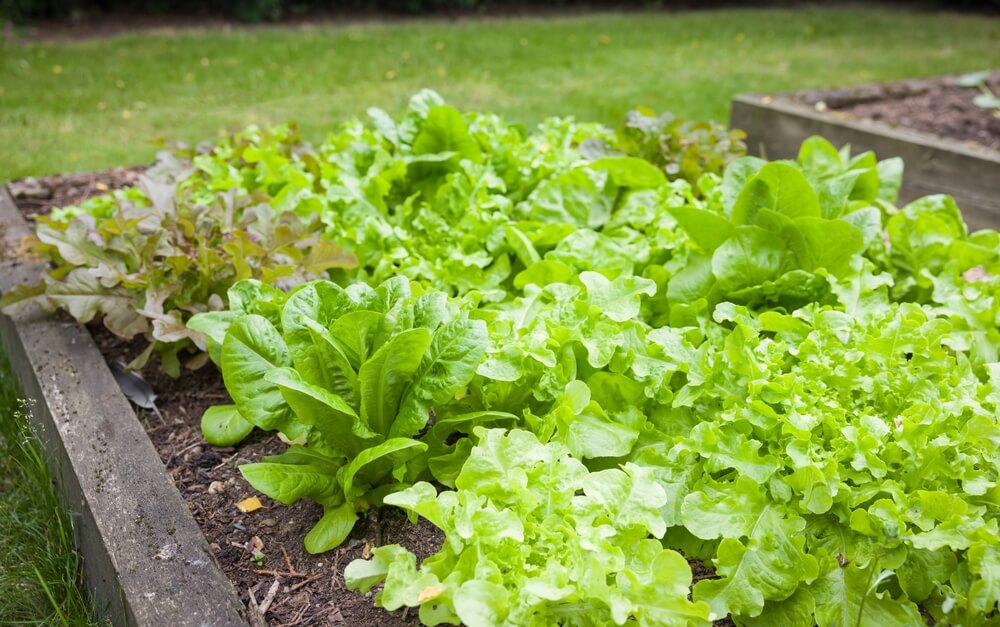
Are you dreaming of fresh, crisp lettuce straight from your garden? Knowing exactly where to plant your lettuce can make all the difference.
Imagine stepping into your garden, reaching down, and picking vibrant, leafy greens that you’ve nurtured from seed to salad. The secret to a bountiful lettuce harvest lies in choosing the perfect spot. You might be wondering how to ensure your lettuce grows lush and healthy.
Don’t worry; you’re about to discover the best places to plant lettuce in your garden. This guide will reveal the simple yet effective strategies to help your lettuce thrive, turning your garden into a lush, green paradise. Stick around, because the success of your salad bowl depends on it.
Ideal Sunlight Conditions
Growing lettuce successfully in your garden depends heavily on understanding the ideal sunlight conditions. Lettuce thrives under specific light requirements, which can significantly influence its growth and flavor. Let’s explore what these conditions entail and how you can provide them.
Full Sun Vs. Partial Shade
Choosing between full sun and partial shade can be a game-changer for your lettuce. Full sun means your lettuce will receive direct sunlight for most of the day. This can lead to rapid growth and a robust flavor profile. However, in hotter climates, full sun might cause your lettuce to bolt quickly, compromising taste.
On the other hand, partial shade offers a cooler environment, helping to slow down bolting. It’s ideal if your garden tends to get extremely hot. You might notice a sweeter taste in your lettuce when it’s grown in partial shade. Consider experimenting with both conditions to see which works best in your area.
Importance Of Morning Sun
Morning sun holds a special place in the growth of lettuce. The gentle rays help in drying off the dew, preventing fungal diseases that thrive in moisture. This early exposure to sunlight is crucial in maintaining the health of your plants.
Additionally, morning sun helps in warming up the soil gradually, encouraging a steady growth rate. You might find that positioning your lettuce to receive morning sun yields a more consistent harvest. Are you ready to rearrange your garden for optimal morning sunlight?

Credit: northerngardener.org
Soil Requirements
Plant lettuce in well-drained soil rich in organic matter. Ensure the soil pH is between 6. 0 and 7. 0.
To grow healthy lettuce, proper soil conditions are essential. Lettuce thrives in well-prepared soil, offering a bounty of fresh leaves. The right soil ensures optimal growth and flavor. Let’s explore the key soil requirements for planting lettuce.Optimal Soil Type
Lettuce loves loamy soil. Loamy soil is rich and drains well. This type of soil balances clay, silt, and sand. It holds moisture without becoming waterlogged. Loamy soil is fertile, providing essential nutrients. Well-drained soil prevents root rot and diseases. Enrich the soil with compost for added benefits.Ph Levels For Lettuce
Lettuce prefers slightly acidic soil. Ideal pH levels range from 6.0 to 6.8. These levels support nutrient absorption and growth. Test your soil’s pH with a simple kit. Adjust the pH by adding lime or sulfur if needed. Maintaining proper pH ensures vibrant, healthy lettuce leaves.Temperature Considerations
When planning your garden, understanding the temperature needs of lettuce is crucial for a bountiful harvest. Lettuce is sensitive to temperature fluctuations, and finding the right balance can make all the difference in its growth. Let’s delve into how cool weather benefits lettuce and how to avoid heat stress.
Cool Weather Benefits
Lettuce thrives in cooler temperatures, making it an ideal spring or fall crop. When you plant lettuce in cool weather, you maximize its potential for crisp, flavorful leaves. Cooler temperatures slow down the bolting process, allowing the plant to develop fully.
Have you ever noticed how lettuce tastes sweeter in the cooler months? That’s because lower temperatures enhance its natural sugars. Planting in cool weather can give you a more enjoyable salad experience.
Consider planting lettuce in shaded areas during warmer months to mimic cooler conditions. This strategy can extend your lettuce growing season significantly.
Avoiding Heat Stress
High temperatures can lead to heat stress, causing lettuce to bolt prematurely. This results in bitter leaves and a less desirable taste. It’s essential to monitor the temperature closely and take proactive measures.
Think about using shade cloths to protect your lettuce from the midday sun. They can lower the temperature around the plants by a few degrees, reducing stress.
Watering is another critical factor. Providing lettuce with consistent moisture can help counteract the effects of heat. But be careful not to overwater, as that can lead to other issues like root rot.
Do you have any personal tips for dealing with heat stress? Sharing your experiences can help fellow gardeners refine their techniques.
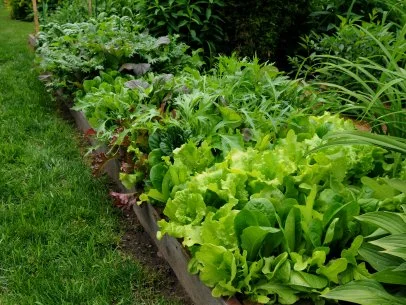
Credit: www.hgtv.com
Spacing And Arrangement
Choose a sunny spot with well-drained soil for lettuce planting. Space plants about 6-8 inches apart for optimal growth. Ensure proper air circulation to prevent disease.
Planting lettuce in your garden can be a rewarding experience, especially when you get the spacing and arrangement just right. Proper spacing ensures healthy growth and maximizes yield, while thoughtful arrangement can enhance both the aesthetic and functional aspects of your garden. As you plan your lettuce patch, consider the nuances of spacing and arrangement to make the most of your gardening efforts.Proper Plant Spacing
Correct spacing is crucial for lettuce plants to thrive. Lettuce needs room to grow without competing for nutrients and sunlight. Aim for at least 6 to 12 inches between each plant, depending on the variety. Loose-leaf types require less space, while head lettuce needs more room to mature properly. Consider the layout of your garden. Arrange your lettuce in rows or clusters, ensuring each plant has ample space. This not only prevents overcrowding but also facilitates easier access for harvesting and maintenance.Companion Planting Benefits
Companion planting can enhance the growth and flavor of your lettuce. Pair lettuce with compatible plants that deter pests and promote healthy growth. For example, herbs like dill and cilantro can repel aphids and attract beneficial insects. Think about adding marigolds to your lettuce bed. These vibrant flowers not only add a splash of color but also help keep harmful nematodes at bay. By strategically placing companion plants, you can create a thriving ecosystem that benefits your lettuce and other garden inhabitants. Are you ready to transform your garden into a productive and harmonious space? With thoughtful spacing and arrangement, your lettuce patch can flourish like never before.Watering Needs
Plant lettuce in a spot with partial sunlight and well-drained soil. Regular watering keeps the soil moist but not soggy. Avoid overwatering to prevent root rot and ensure healthy growth.
Watering Needs Lettuce thrives with the right watering balance. Too little or too much can harm growth. Understanding its watering needs boosts your garden’s success.Maintaining Moisture
Lettuce needs consistent moisture for optimal growth. The soil should stay damp, but not soggy. Check the top inch of soil regularly. If it’s dry, it’s time to water. Early morning is the best time for watering. This reduces evaporation, ensuring plants get adequate moisture. Using mulch can help retain soil moisture. It also keeps the roots cool and hydrated. Organic mulches like straw or grass clippings work well.Avoiding Overwatering
Overwatering can drown your lettuce plants. It causes root rot and stunts growth. Ensure the soil has good drainage to prevent waterlogging. Raised beds and containers with drainage holes are effective. Water less during rainy periods to avoid excess moisture. Use a watering can with a fine rose for gentle watering. This prevents soil erosion and root disturbance.
Credit: www.haxnicks.co.uk
Protection From Pests
Protecting lettuce from pests is essential for a healthy harvest. Pesky bugs can ruin your crop quickly. Implementing effective strategies is crucial. These simple methods will help you keep pests away. Enjoy fresh, crisp lettuce without worry.
Natural Pest Deterrents
Natural solutions can keep bugs at bay. Some herbs repel insects effectively. Planting mint or basil near lettuce can deter pests. These herbs act as natural barriers. They confuse and repel unwanted visitors. Marigolds are another great option. Their scent is disliked by many garden pests. Incorporate these plants to safeguard your lettuce.
Aromatic oils are useful too. Neem oil is a popular choice. It disrupts pest life cycles. Spray it around your lettuce for protection. Garlic spray works similarly. Crush garlic cloves and mix with water. Spraying this mixture helps repel bugs. These natural methods are safe and effective.
Using Row Covers
Row covers are a physical barrier against pests. They prevent insects from reaching plants. Lightweight fabric works best. It allows sunlight and water through. Row covers create a protective layer over lettuce. They keep out beetles, worms, and other pests.
Install row covers early. Place them over seedlings for best results. Secure edges with rocks or soil. This keeps pests from sneaking in. Remove covers when plants need pollination. This method is simple and effective.
Seasonal Planting Tips
Planting lettuce in your garden can be a rewarding experience. Understanding seasonal planting tips helps maximize growth and yield. Lettuce thrives in cooler weather, making spring and fall ideal seasons for planting. Let’s explore effective strategies for each season.
Spring Planting Strategies
Spring is perfect for planting lettuce due to the mild temperatures. Start planting as soon as the soil is workable. This typically occurs a few weeks before the last frost date.
Choose a location that offers partial sunlight. Lettuce prefers cooler conditions, so avoid full sun. Ensure the soil is fertile and well-draining. Adding compost enhances soil quality and provides nutrients.
Space plants appropriately to promote airflow. This helps prevent diseases. Thin seedlings when they have two true leaves. Maintain consistent moisture without overwatering.
Fall Planting Advantages
Fall planting extends your lettuce harvest beyond the summer months. Cooler temperatures reduce the risk of bolting, ensuring a longer growing season.
Begin planting in late summer or early fall. This timing allows lettuce to mature before frost. Utilize row covers to protect plants from early frost.
Consider succession planting. Sow seeds every few weeks for continuous harvest. Choose varieties suited for fall growth. These types are often more tolerant of cooler conditions.
Frequently Asked Questions
What Is The Best Soil For Lettuce?
Lettuce thrives in well-drained, fertile soil rich in organic matter. A pH level between 6. 0 and 7. 0 is ideal. Ensure the soil retains moisture without becoming waterlogged. Adding compost or aged manure can enhance soil fertility, promoting healthy lettuce growth.
How Much Sunlight Does Lettuce Need?
Lettuce prefers partial shade to full sun, depending on the climate. In cooler regions, full sun is ideal for growth. In hotter areas, partial shade helps prevent bolting. Aim for at least 6 hours of sunlight daily for optimal growth.
Can Lettuce Be Planted In Containers?
Yes, lettuce grows well in containers with proper drainage. Choose a pot at least 6 inches deep. Use potting mix rich in organic matter. Water consistently to keep soil moist, and position in a sunny spot for best results.
How To Space Lettuce Plants In Garden?
Space lettuce plants about 6 to 12 inches apart in rows. This allows for airflow and minimizes disease risk. Proper spacing ensures each plant receives adequate nutrients and sunlight. Adjust spacing based on lettuce variety and garden size.
Conclusion
Choosing the right spot for lettuce is crucial. Lettuce thrives in cool weather and needs sunlight. Ensure the soil drains well to prevent rot. Mix compost for nutrients. Space plants correctly to avoid crowding. Regular watering keeps lettuce fresh and crisp.
Watch for pests and protect plants. A healthy garden rewards effort. With care, your lettuce will flourish. Enjoy fresh harvests from your garden. Gardening is a journey of patience and joy. Your lettuce awaits. Happy planting!







