
Imagine stepping into your garden and harvesting crisp, green cucumbers right off the vine. The taste is fresh, the satisfaction immense.
But before you can enjoy this garden-to-table experience, you need to know exactly where to plant those cucumbers. This decision can make or break your cucumber crop. You want them to thrive, right? By choosing the perfect spot, you ensure they get the sunlight and nutrients they need.
Don’t let your hard work go to waste with poor placement. Dive into this article to discover the secrets of cucumber planting success and transform your garden into a cucumber haven. Your journey to a bountiful harvest starts here.
Choosing The Right Location
Choose a sunny spot with well-drained soil for planting cucumbers. Ensure the area receives at least six hours of sunlight daily. A location with good air circulation helps prevent diseases.
Choosing the right location for planting cucumbers is crucial. The spot you select will impact their growth, yield, and health. Cucumbers thrive in specific conditions. Let’s explore what makes a perfect location.Sunlight Exposure
Cucumbers love sunlight. They need at least six hours of direct sun daily. Choose a spot without shade from trees or buildings. Sunlight helps cucumbers grow strong and produce more fruit.Soil Quality
Good soil is essential for cucumbers. Check if the soil drains well and is loose. Cucumbers prefer sandy or loamy soil. Avoid areas with clay soil, as it holds too much water.Wind Protection
Strong winds can harm cucumber plants. They can break stems and damage leaves. Pick a location with natural windbreaks like fences or hedges.Space For Growth
Cucumbers need room to spread. Ensure there’s enough space for vines to grow. Avoid cramped spots. Allow at least two feet between plants.Water Access
Cucumbers need regular watering. Plant them near a water source. This makes it easy to keep the soil moist. Avoid planting in areas prone to flooding.Sunlight Requirements
Understanding the sunlight requirements for cucumbers is crucial for a bountiful harvest. These sun-loving plants thrive in bright, sunny spots. Ensuring they receive adequate sunlight can be the difference between a flourishing garden and a disappointing yield. Let’s dive into the specifics of sunlight needs for your cucumber plants.
Full Sun Exposure
Cucumbers love basking in sunlight, ideally enjoying about 6-8 hours of full sun daily. This exposure encourages strong growth and optimizes fruit production.
Consider planting cucumbers in an open area in your garden where they can soak up the sun’s rays without obstruction. If you notice your plants reaching out or stretching, it could be a sign they need more sunlight.
Imagine how vibrant your garden will look with thriving cucumber plants absorbing the full sun. It’s a simple yet effective way to enhance your gardening experience.
Avoiding Shade
Shade can be detrimental to cucumber growth, leading to reduced yields and weaker plants. Avoid planting cucumbers near tall structures or trees that cast shadows.
Think about positioning your cucumbers away from garden walls or fences. These might inadvertently shield them from the sun, which is essential for their development.
Have you ever noticed how plants under shade struggle to thrive? Keeping cucumbers out of shaded areas can be a game-changer for your garden’s productivity.
Soil Conditions
Understanding the right soil conditions for planting cucumbers is crucial for a bountiful harvest. Cucumbers are quite particular about their growing environment, and the soil is a major factor. Let’s dig into what makes the perfect soil for your cucumbers.
Ideal Soil Type
Cucumbers thrive in rich, loamy soil that is slightly acidic to neutral, with a pH range of 6.0 to 7.0. Loamy soil is ideal because it retains moisture while allowing excess water to drain away. This balance helps prevent root rot, a common issue when cucumbers are grown in overly wet conditions.
If your garden soil is heavy clay or sandy, consider amending it with organic matter. Compost or well-rotted manure can improve texture and nutrient content. This ensures your cucumbers have a nutrient-rich environment to grow strong and healthy.
Drainage Considerations
Proper drainage is essential for cucumber plants, as they are susceptible to waterlogged roots. Test your garden’s drainage by digging a small hole and filling it with water. If it doesn’t drain away within a couple of hours, you may need to improve drainage.
Raised beds can be a great solution for poor-draining soil. They provide better control over soil conditions and prevent water from pooling around the plants. You can also add sand or gravel to the bottom of planting holes to enhance drainage.
Have you ever noticed yellowing leaves on your cucumbers? This can be a sign of poor drainage affecting nutrient uptake. Ensuring good drainage not only helps prevent diseases but also enhances plant health and productivity.
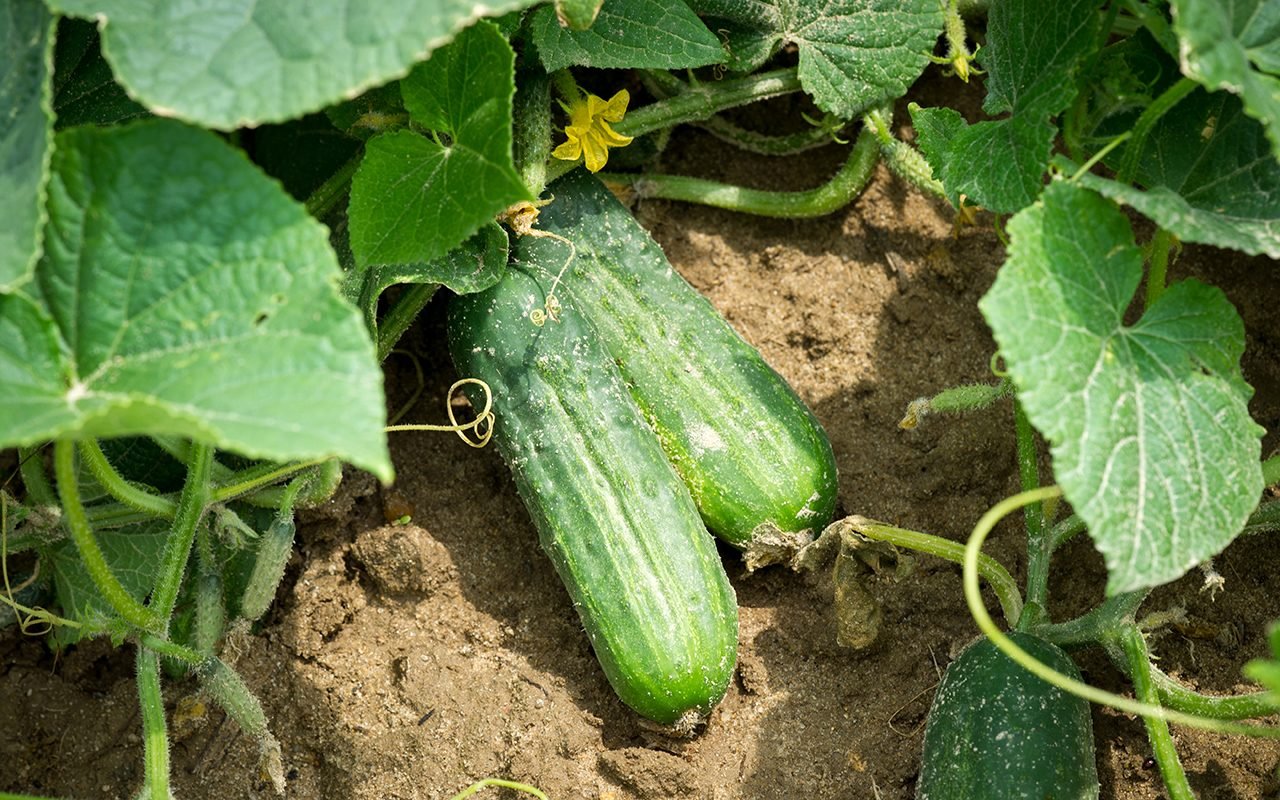
Credit: www.tasteofhome.com
Spacing And Arrangement
Plant cucumbers in a sunny spot with well-drained soil. Allow 12-18 inches between plants for optimal growth. Use trellises to save space and boost air circulation.
Planting cucumbers in your garden is an exciting venture, but understanding the spacing and arrangement is crucial for a thriving harvest. Proper spacing ensures each plant receives sufficient sunlight, water, and nutrients, while the right arrangement can maximize your garden space and yield. Whether you’re planning to grow cucumbers horizontally or explore vertical growth options, getting the spacing right is key. But how do you decide the best layout for your cucumber plants? Let’s delve into some practical strategies that could make all the difference in your gardening success.Row Planting
Row planting is a traditional method that allows cucumbers to sprawl naturally. To start, space each row about 36 to 48 inches apart. This distance ensures that as the plants grow, there’s enough room for air circulation, reducing the risk of diseases. Within each row, plant the cucumbers about 12 inches apart. This spacing provides ample space for the roots to spread and access nutrients. Have you ever noticed overcrowded plants struggling to thrive? Adequate spacing can prevent this common issue. To make the most of row planting, consider using mulch. Mulch retains moisture and keeps weeds at bay, helping your cucumbers grow strong and healthy. Have you tried mulching in your garden before?Vertical Growth Options
Vertical growth options are perfect for those with limited garden space. By growing cucumbers vertically, you can optimize your space and increase yield. Trellises, cages, or netting can support the vines as they climb, offering a space-efficient solution. When using vertical structures, plant cucumbers about 12 to 18 inches apart. This spacing gives each plant room to grow upward without competing for light. Have you ever watched cucumbers climb? It’s fascinating to see them take advantage of vertical space. Vertical growth not only saves room but also makes harvesting easier. Imagine picking ripe cucumbers without bending over or searching through dense foliage. Have you considered vertical planting for your garden? It might be the game-changer you’re looking for.Companion Planting
Plant cucumbers near corn and beans for optimal growth. These companions provide shade and support, enhancing cucumber yield. Avoid planting near aromatic herbs like sage or mint, which can hinder cucumber growth.
Companion planting is a gardening strategy that places plants together for mutual benefits. This technique can boost plant health, deter pests, and improve yields. Cucumbers benefit greatly from companion planting. By choosing the right plant neighbors, cucumbers can thrive.Beneficial Neighbors
Cucumbers love growing near certain plants. Radishes make great companions. They help deter cucumber beetles. Marigolds are another good choice. They repel harmful pests with their strong scent. Corn provides shade for cucumbers. It also supports their vines. Peas and beans enrich the soil. They add nitrogen, which cucumbers need.Plants To Avoid
Some plants don’t get along with cucumbers. Avoid planting cucumbers near potatoes. They can spread blight. Sage is another plant to avoid. It can stunt cucumber growth. Melons and squash also compete for nutrients. They can crowd cucumber plants. Avoid these to keep your cucumbers healthy.Climate Considerations
Selecting the ideal garden spot for cucumbers involves considering climate factors. Choose a location with ample sunlight, ensuring the soil is warm and well-drained for optimal growth. Avoid areas prone to frost or cold winds to protect young plants.
When planting cucumbers, understanding climate considerations is crucial. Cucumbers thrive best when you meet their temperature and humidity needs. Let’s explore these climate factors to ensure your garden yields healthy cucumbers.Temperature Preferences
Cucumbers love warmth. They grow best in temperatures between 70°F and 95°F. Cold weather slows their growth. Frost can kill them. Wait until the soil warms to 60°F before planting. Use a soil thermometer for accuracy. Planting too early risks a poor start. Cucumbers need full sun. Choose a spot with at least 6-8 hours of sunlight. Shaded areas may stunt growth.Humidity Levels
Humidity matters too. Cucumbers prefer moderate humidity. Too much moisture invites mildew. This disease harms plants. Ensure good air circulation. This helps keep leaves dry. Morning watering helps leaves dry by night. Avoid watering in the evening. Wet leaves attract fungus. High humidity can be tricky. Mulch around plants to control soil moisture. This helps maintain healthy conditions.Water Source Proximity
Plant cucumbers close to a water source for easy access. Frequent watering keeps cucumber plants healthy and fruitful. Ensure the area has good drainage to prevent root rot.
Water is crucial for growing healthy cucumbers. Proximity to a water source makes watering easier and more efficient. Locating cucumbers near a water source ensures they receive the moisture needed for growth. This helps maintain soil moisture and prevents plant stress.Ease Of Irrigation
Planting cucumbers near a water source simplifies irrigation tasks. Shorter distances mean less time spent carrying water. Garden hoses reach easily, reducing manual labor. Automated systems can be installed with minimal effort. This setup encourages frequent and consistent watering.Watering Techniques
Effective watering techniques are key for cucumber health. Use drip irrigation to deliver water directly to roots. This reduces water waste and keeps leaves dry. Soaker hoses are another efficient option. They provide even moisture without oversaturating the soil. Water early in the morning. This allows leaves to dry before evening, preventing disease. Regular monitoring ensures plants receive adequate water.
Credit: yardandgarden.extension.iastate.edu
Protection From Pests
Cucumbers thrive best when planted in areas with ample sunlight. Choose spots away from dense vegetation to reduce pest activity. Ensure good air circulation to prevent mold and mildew, keeping plants healthy and productive.
Protecting your cucumbers from pests is essential to ensure a bountiful harvest. Pests can wreak havoc on your plants, leaving you with damaged leaves and stunted growth. But fear not, there are effective ways to keep these unwanted visitors at bay. One strategy is to use natural barriers, which can physically block or deter pests without chemicals. Another approach is to plant pest-repelling plants around your cucumbers, creating a natural defense system. Let’s explore these tactics further.Natural Barriers
Consider using physical barriers like row covers. These covers act like a shield, preventing insects from reaching the plants while allowing sunlight and water to pass through. You can also use mulch as a barrier. It not only retains soil moisture but also deters pests like slugs and beetles. Remember the time when I struggled with cucumber beetles? A simple row cover changed the game, and my cucumbers thrived!Pest-repelling Plants
Certain plants can naturally repel pests, making them perfect companions for cucumbers. Marigolds, for example, are known to deter nematodes and aphids. Basil is another great option. It not only enhances the flavor of your cucumbers but also wards off mosquitoes and flies. Have you considered planting nasturtiums? They can attract aphids away from your cucumbers, acting as a sacrificial plant. Incorporating these plants into your garden can create a vibrant, pest-resistant environment for your cucumbers. Have you tried any of these methods in your garden?
Credit: savvygardening.com
Frequently Asked Questions
Where Is The Best Spot To Plant Cucumbers?
Cucumbers thrive in sunny locations with well-drained soil. Ensure the spot receives at least 6-8 hours of sunlight daily. Choose an area sheltered from strong winds. This helps support their climbing growth habit. Avoid shaded spots as they can hinder growth and yield.
Can Cucumbers Grow In Partial Shade?
Cucumbers prefer full sun but can tolerate partial shade. However, less sunlight may reduce fruit production. Aim for a minimum of 4-6 hours of sunlight. Shady conditions can also increase the risk of mildew. Monitor plants closely and manage moisture levels for the best results.
Do Cucumbers Need A Trellis To Grow?
While not mandatory, a trellis is beneficial for cucumbers. Trellises support the vine’s growth, save space, and improve air circulation. This reduces the risk of fungal diseases. Vertical growth makes harvesting easier. If space is limited, a trellis is an ideal solution for healthier plants.
How Far Apart Should Cucumber Plants Be?
Space cucumber plants 12-18 inches apart in rows. This ensures proper air circulation and growth. For vining varieties, increase spacing to 36-48 inches. Adequate spacing prevents overcrowding, reduces disease risks, and promotes healthy fruit development. Adjust spacing based on the specific cucumber variety.
Conclusion
Planting cucumbers in the right spot boosts growth and harvest. Choose sunny areas for warmth. Ensure soil is well-drained and rich in nutrients. Space plants adequately to avoid overcrowding. Consider trellises for vertical growth. Keep an eye on pests and water levels.
Regular care means healthier plants. Enjoy fresh cucumbers from your garden. Every step counts toward a bountiful yield. Happy gardening and savoring your hard work!







