
Imagine stepping into a room filled with lush greenery, vibrant colors, and the soothing scent of fresh herbs. This could be your reality with an indoor garden.
But when is the right time to start? You’re probably wondering how to balance the seasons with your planting schedule, and that’s where we come in. By understanding the ideal timing, you can maximize your garden’s potential and enjoy the benefits year-round.
Whether you’re craving fresh veggies during winter or want to spruce up your space with blooming flowers, knowing when to start is key. Let’s dive into the details, so you can turn your home into a green oasis and reap the rewards of your very own indoor garden.
Choosing The Right Time
Starting an indoor garden can be rewarding. Consider the season and available light in your home. Spring offers ideal conditions with lengthening daylight, but artificial lights can help in fall and winter.
Choosing the right time to start your indoor garden can make all the difference in the success of your plants. It’s not just about picking up seeds and soil; timing is crucial. A well-timed start can ensure your plants thrive, producing lush greenery or bountiful harvests. But how do you decide when to begin?Seasonal Considerations
Understanding the natural growing seasons can guide you in selecting the best time for starting your indoor garden. While indoor gardening allows for flexibility, aligning your planting schedule with outdoor seasons can offer some advantages. For instance, starting seeds indoors in late winter can prepare your plants for an outdoor transition in spring. Consider what you’re planting. Leafy greens might prefer a cooler start, while tomatoes and peppers love warmth. Think about the seasonal needs of your chosen plants and how you can mimic these conditions indoors.Assessing Local Climate
Your local climate plays a significant role in determining the right time to start your indoor garden. Even though you’re growing indoors, external climate conditions can affect indoor temperatures and light availability. In colder regions, you might want to start earlier to compensate for shorter daylight hours. Monitor your home environment. Does it get too dry during winter heating? Or too humid in the summer? Adjusting your planting time to align with these conditions can help your plants thrive. Ask yourself: how does the changing climate outside impact your indoor space? Answering this can help you choose the perfect time to begin. Ultimately, selecting the right time to start your indoor garden is about understanding and adapting to your specific conditions. What works in one region or season might not be ideal in another. Tailor your approach, and your indoor garden will thank you with growth and beauty.
Credit: www.instagram.com
Preparing Your Space
Begin your indoor garden planning before the frost hits. Prepare your space with ample light and proper ventilation. Starting early ensures healthy growth and vibrant blooms.
Preparing your space is the first step in starting an indoor garden. A well-prepared area can help plants thrive and grow healthy. Consider factors like location, lighting, and temperature. Let’s explore these elements to set up your ideal indoor garden.Selecting The Location
Choose a spot with enough space for your plants. The area should be away from high traffic zones. This helps prevent accidental damage. Consider access to water for easy maintenance. A stable surface is ideal for supporting pots and containers.Lighting And Temperature Needs
Plants need light to grow. Place them near a window with natural sunlight. If natural light is limited, use artificial grow lights. Choose LED lights for energy efficiency. Maintain a consistent temperature for best results. Most plants prefer temperatures between 60-75°F. Use a thermometer to monitor your space. This ensures a healthy environment for your indoor garden.Selecting Suitable Plants
Starting an indoor garden can be an exciting venture, but selecting suitable plants is crucial for a thriving green sanctuary. The right choice of plants not only ensures success but also enhances your indoor environment by improving air quality and adding aesthetic appeal. So, how do you decide which plants are best for your indoor garden?
Best Plants For Beginners
If you’re new to gardening, choosing easy-care plants can make the process enjoyable and rewarding. Consider these beginner-friendly options:
- Spider Plant:Known for its resilience, it thrives in various light conditions and requires minimal care.
- Pothos:This plant can adapt to low light and is forgiving if you forget to water it occasionally.
- Peace Lily:Not only does it purify the air, but its blooms add beauty to any space with little upkeep.
Have you ever wondered why these plants are popular among newbies? Their forgiving nature allows you to learn without the fear of failure.
Plants That Thrive Indoors
Some plants naturally flourish indoors, creating a vibrant and lush environment. Here are a few top performers:
- Snake Plant:Perfect for low-light areas, it also converts CO2 to oxygen at night, improving air quality.
- ZZ Plant:With its glossy leaves, it thrives in low-light and dry conditions, making it ideal for busy lifestyles.
- Philodendron:Known for its versatility, it grows well in various indoor settings with minimal fuss.
Why not try adding one of these indoor champions to your space? They can transform your home into a green oasis with little effort.
Gathering Essential Supplies
Preparing your indoor garden requires gathering essential supplies early. Planter pots, soil, seeds, and grow lights are crucial. Starting with these basics ensures a thriving garden indoors.
Starting an indoor garden is an exciting venture that can bring nature right to your fingertips, all year round. However, before you can sow the seeds of your future lush oasis, gathering the essential supplies is crucial. This preparation not only sets the stage for healthy plant growth but also makes the entire gardening process smoother and more enjoyable. Let’s dive into what you’ll need.Containers And Soil
Selecting the right containers is the first step. You need pots that are the right size for your plants, with good drainage to prevent waterlogging. Consider materials like clay, plastic, or fabric pots, each offering unique benefits. For instance, clay pots are breathable, while fabric pots can prevent root circling. Soil is another key component. Opt for a high-quality potting mix that suits the type of plants you want to grow. A mix that includes perlite or vermiculite can help with aeration and drainage. Avoid garden soil, which may compact and hinder root growth.Tools And Equipment
Having the right tools makes gardening a breeze. Basic items like hand trowels, pruners, and watering cans are essential. A hand trowel helps in planting seeds and seedlings, while pruners are crucial for trimming plants to promote healthy growth. Don’t forget about equipment like grow lights if natural sunlight is limited. These lights can mimic natural sunlight, providing the necessary spectrum for photosynthesis. Consider LED grow lights as they are energy-efficient and provide a full spectrum of light. As you gather these supplies, think about the space you’re dedicating to your garden. Will your setup accommodate the pots and tools comfortably? Planning ahead can save you from future headaches and ensure your indoor garden flourishes. What type of plants are you thinking of growing? Different plants have varying needs, and gathering supplies tailored to them can make all the difference.Starting Seeds Indoors
Starting seeds indoors depends on your local climate and the specific plant varieties. Generally, begin six to eight weeks before the last expected frost. This timing ensures seedlings are ready to transplant outdoors when the weather warms up.
Starting seeds indoors is a rewarding step in cultivating a thriving indoor garden. It gives you a head start on your growing season and allows for more control over the environment in which your plants begin their life. By starting seeds indoors, you can nurture a wide variety of plants that may not be available as seedlings at your local nursery. Imagine the satisfaction of watching tiny seeds sprout into healthy plants under your care. Planning ahead and understanding the process can make all the difference. Let’s explore some key aspects of starting seeds indoors that will set you on the path to gardening success.Seed Selection
Choosing the right seeds is crucial. Consider what you want to grow and the conditions in your home. Are you aiming for leafy greens, fragrant herbs, or vibrant flowers? Research which plants thrive indoors and match your local climate. This ensures that when you eventually move them outside, they will adapt easily. Don’t hesitate to experiment with heirloom varieties or unusual plants. It could make your indoor garden unique and exciting.Germination Techniques
Success starts with proper germination. You need to provide the right conditions for seeds to sprout. Use a quality seed-starting mix that retains moisture but allows for good drainage. This is important to prevent waterlogged conditions that can rot seeds. Consider using seed trays or pots with a humidity dome. This creates a mini-greenhouse effect, keeping warmth and moisture consistent. When I first started, I underestimated the power of light. Ensure you place your trays in a well-lit area or use grow lights to mimic natural sunlight. Remember, patience is key. Seeds take time to germinate, and each variety has its own pace. Keep notes on what works best for each type of seed for future reference. Starting seeds indoors is a journey of discovery. What seeds will you choose to start this season?Maintaining Your Indoor Garden
Starting your indoor garden in early spring ensures optimal growth conditions. Natural light increases, supporting healthy plant development. Selecting the right time boosts success for beginners and enthusiasts alike.
Maintaining Your Indoor Garden Creating a thriving indoor garden is an art that requires attention and care. It’s not just about picking the right plants; it’s about nurturing them. As the seasons change, your indoor garden will demand different maintenance routines. Understanding the unique needs of your green companions can make all the difference. Let’s dive into some essential practices to keep your indoor garden healthy and flourishing.Watering Practices
The key to successful watering is balance. Overwatering can drown roots, while underwatering can lead to wilting. Consider the specific needs of each plant. Tropical plants might need frequent watering, while succulents thrive with less. Invest in a moisture meter. It takes the guesswork out of knowing when to water. Think about the environment. Homes with dry air might need more frequent watering than humid ones.Fertilization And Pruning
Fertilization gives your plants the nutrients they need to grow robustly. Choose the right fertilizer. A balanced, liquid fertilizer is a safe bet for most indoor plants. Use fertilizer during the growing season. Typically, spring and summer are ideal times. Pruning keeps your plants healthy and encourages growth. It’s also a chance to shape your plants to fit your space. Prune away dead or diseased leaves. This prevents the spread of any problems and keeps your plant focused on healthy growth. By paying attention to these elements, you can cultivate a lush, thriving indoor garden. What changes will you make to your indoor garden routine?Troubleshooting Common Issues
Starting an indoor garden requires careful timing for optimal growth. Begin planting when frost risk is low, ensuring seeds thrive. Consider natural light availability and space constraints for successful nurturing.
Indoor gardening can be a rewarding endeavor, but it doesn’t come without its challenges. Common issues like pests and diseases can quickly turn your lush indoor haven into a source of frustration. Understanding how to troubleshoot these problems is essential for maintaining a thriving indoor garden. Let’s explore practical solutions to keep your indoor garden healthy and vibrant.Pest Control
Even the most careful indoor gardeners can encounter pests. These tiny invaders can rapidly multiply and wreak havoc on your plants. Start by regularly inspecting your plants for any signs of pests, such as holes in leaves or sticky residue. You can gently wipe leaves with a damp cloth to remove pests like aphids or spider mites. For more persistent infestations, consider introducing natural predators like ladybugs or using organic insecticidal soap. Always avoid harsh chemicals that can harm your plants and indoor environment. It’s also important to maintain cleanliness in your indoor garden. Keep the area free from fallen leaves and debris that can harbor pests. A clean garden is less inviting to unwelcome guests.Dealing With Diseases
Plant diseases can be more challenging to diagnose and treat. Yellowing leaves, wilting, or unusual spots can be signs of disease. Ensure your plants have proper air circulation and avoid overcrowding to prevent fungal infections. Regularly remove dead or infected leaves to stop the spread of disease. If you spot a recurring issue, consider rotating your plants or changing their location to improve light and airflow. Sometimes, changing watering practices can alleviate disease problems. Overwatering can lead to root rot, so ensure your pots have good drainage. Experiment with different watering schedules to find what suits your plants best. What steps will you take to safeguard your indoor garden from pests and diseases? Taking proactive measures can make a significant difference in maintaining a flourishing indoor oasis.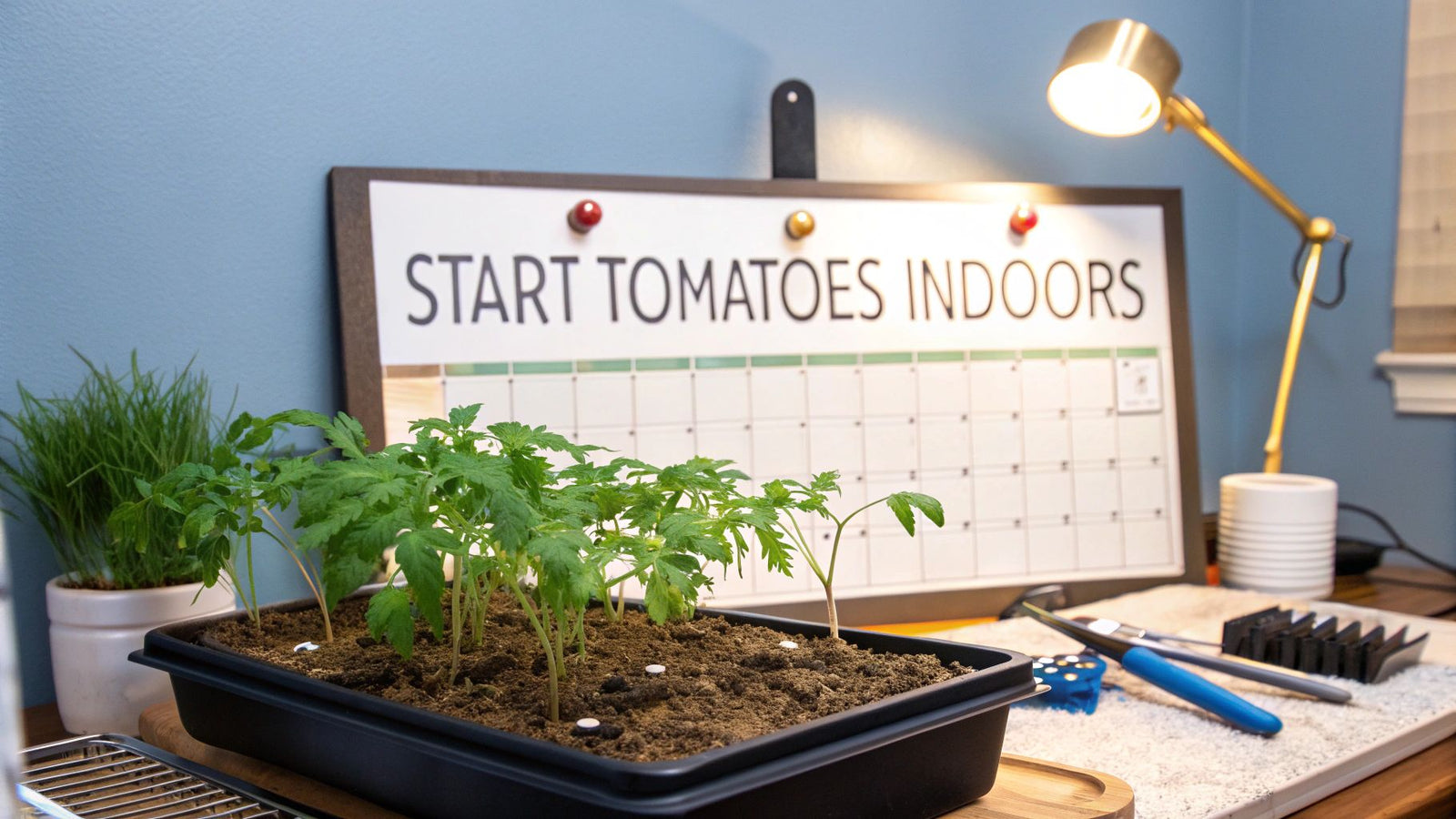
Credit: homegrown-garden.com
Expanding Your Indoor Garden
Starting an indoor garden becomes ideal as seasons change, providing warmth and light. Choose spring or autumn for planting seeds. These periods promote growth without the extreme temperatures found in summer or winter.
Expanding your indoor garden can be an exciting journey that transforms your living space into a lush oasis. As you become more comfortable with your current plants, you’ll likely feel the urge to add more variety and creativity. This phase of indoor gardening allows you to explore new horizons and enhance both the beauty and functionality of your space.Adding New Varieties
Introducing new plant varieties to your indoor garden can be a thrilling adventure. Start by considering what types of plants appeal to you—perhaps you’re drawn to the vivid colors of flowering plants or the intricate patterns of foliage. Research is key. Understanding the specific needs of each plant, such as light, water, and soil requirements, will help you make informed decisions. Don’t hesitate to experiment. Try adding a mix of herbs, succulents, and small trees to see what thrives in your environment. This diversity not only adds visual interest but also enriches the air quality in your home.Vertical Gardening Ideas
Running out of horizontal space? Vertical gardening is a creative solution that maximizes your indoor garden’s potential. Think of your walls as blank canvases waiting to be adorned with greenery. Consider using wall-mounted planters or hanging pots. These options are perfect for small spaces and add a dramatic flair to any room. Explore tiered shelving or a vertical trellis. These structures allow you to stack plants at different levels, creating a dynamic and layered look. Vertical gardens can turn even the smallest spaces into vibrant green sanctuaries. What could be more rewarding than having a cascading wall of plants in your home? Embrace the challenge and let your imagination soar.
Credit: www.linkedin.com
Frequently Asked Questions
When Should I Start My Indoor Garden?
Starting an indoor garden in early spring is ideal. This timing allows plants to benefit from increasing sunlight. However, you can start anytime indoors, as you control the environment. Consider the type of plants you want to grow. Some plants thrive better when started indoors during winter.
What Are The Best Plants For Indoor Gardening?
Herbs like basil, mint, and thyme are great for indoor gardening. Leafy greens such as lettuce and spinach also thrive indoors. Succulents and small flowering plants like African violets are popular choices. Select plants based on your available space and light conditions for optimal growth.
How Much Light Do Indoor Plants Need?
Most indoor plants require 12-16 hours of light daily. Natural sunlight is best, but grow lights work too. Position plants near windows or use artificial lights. Adjust lighting based on specific plant needs. Too much or too little light can hinder plant growth and health.
What Type Of Soil Is Best For Indoor Plants?
Indoor plants thrive in well-draining potting soil. Choose a soil mix specifically formulated for indoor plants. Avoid using garden soil, as it can compact in pots. Consider adding perlite or vermiculite for better drainage. Proper soil ensures healthy roots and prevents overwatering issues.
Conclusion
Starting an indoor garden can be a rewarding experience. Timing is key. Consider your climate and plant needs. Winter might be perfect for leafy greens. Spring suits herbs and flowering plants best. Set up proper lighting and choose quality soil.
Monitor temperature and humidity. Patience is crucial. Plants need time to grow and thrive. With the right care, your indoor garden will flourish. Enjoy fresh produce and vibrant greenery year-round. Gardening indoors offers peace and joy. A perfect hobby for plant lovers.
Ready to start your indoor garden journey? Embrace the green thumb lifestyle today.







