
Imagine stepping into your garden one morning and being greeted by lush, vibrant plants that seemed to have sprung up overnight. Sounds like a dream, right?
Well, this dream can become your reality when you master the art of growing garden plants indoors. You might be wondering, “When is the right time to start? ” This question holds the key to unlocking a thriving indoor garden that will make your outdoor space the envy of the neighborhood.
Timing is everything, and getting it right means your plants will grow strong and healthy. But how do you know when to begin? You’ll discover the secrets to choosing the perfect moment to start your indoor gardening adventure. You’ll learn how to align your planting with the natural cycles of your plants, ensuring they flourish when you finally transfer them outside. Curious to find out how? Keep reading to uncover expert tips that will set you on the path to indoor gardening success. By the end, you’ll have the confidence to start your indoor garden at the optimal time, ensuring a seamless transition to the outdoors. Your dream garden is just a few paragraphs away!

Credit: www.plantflix.com
Benefits Of Starting Indoors
Growing garden plants indoors offers several benefits. It helps avoid harsh outdoor conditions and provides a controlled environment for seedlings. Indoor planting ensures early growth, allowing plants to be stronger when transplanted outside.
Starting your garden plants indoors can offer a multitude of benefits that can enhance your gardening experience. By giving your plants a head start, you not only maximize your harvest but also gain more control over their growth conditions. This approach can lead to healthier, more robust plants, ultimately making your gardening efforts more rewarding.Extended Growing Season
Planting indoors allows you to extend your growing season significantly. You can begin germinating seeds weeks before the last frost. This early start gives you the advantage of harvesting crops sooner than if you waited to plant outdoors. Imagine enjoying fresh tomatoes while your neighbors are just starting to see blossoms.Protection From Pests And Weather
Young plants are particularly vulnerable to pests and unpredictable weather. Starting indoors provides a safe haven, shielding them from harsh elements and hungry critters. This protective environment can mean the difference between thriving plants and ones that struggle to survive.Controlled Environment
Indoor gardening offers you the luxury of controlling factors like temperature, light, and humidity. This means you can create the perfect environment for your seedlings to flourish. Ever tried growing basil outside in a cold snap? Indoors, you can maintain optimal conditions regardless of what’s happening outside. Choosing to start plants indoors gives you the upper hand in gardening. Isn’t it time you took your green thumb to the next level? Whether you’re a seasoned gardener or a newbie, starting indoors can transform your gardening success.Choosing The Right Time
Selecting the right time for indoor gardening is essential for healthy plant growth. Start seeds six to eight weeks before outdoor planting. This allows seedlings to mature and thrive when transplanted outside.
Choosing the right time to start growing garden plants indoors can be challenging. Timing affects plant health and growth. Start too early, and plants may become weak. Start too late, and they might not have enough time to mature. Consider several factors to find the perfect timing for your indoor garden.Considering Plant Types
Different plants have varying growth needs. Vegetables like tomatoes and peppers need more time indoors. Fast-growing plants like lettuce need less time. Check seed packets for specific instructions. They usually tell you when to start seeds indoors. Follow these guidelines to ensure healthy plants.Regional Climate Factors
Your local climate plays a big role. Warmer areas have a longer growing season. Colder regions need an earlier start indoors. Consider your region’s climate when planning. It helps in deciding the right time for planting indoors.Frost Dates And Last Freeze
Frost dates are crucial for timing indoor planting. Know your area’s last frost date. This tells you when it’s safe to move plants outside. Start seeds 6-8 weeks before this date. This gives plants enough time to grow indoors. Use online tools to find your local frost dates. They provide accurate information based on your zip code.Essential Indoor Gardening Supplies
Starting your garden indoors can be rewarding. Success depends on the right tools. Essential supplies make the process smoother and more efficient. These items ensure your plants grow strong from the start.
Seed Starting Kits
Seed starting kits are crucial for indoor gardening. They provide a compact space for germination. Kits often include trays, pots, and labels. They help organize and manage different plant species. Choose a kit with a humidity dome. This keeps moisture levels high, aiding seed sprouting.
Grow Lights And Temperature Control
Natural light indoors is often insufficient. Grow lights mimic sunlight, promoting healthy plant growth. LED grow lights are energy-efficient and effective. Temperature control is equally vital. Keep the environment warm for optimal growth. Use heat mats to maintain consistent warmth.
Soil And Fertilizers
Good soil is the foundation of healthy plants. Opt for a quality potting mix. It should be light and well-draining. Fertilizers provide essential nutrients. Use a balanced, water-soluble fertilizer. This ensures plants get necessary nutrients for robust growth.
Steps For Indoor Planting
Choose a date six to eight weeks before the last expected frost to start planting indoors. This timing allows seedlings to grow strong before moving them outdoors. Adjust based on the specific needs of each plant type.
Starting your garden indoors can be a rewarding adventure. The process not only allows you to get a jump on the growing season but also gives you control over the growing environment. Here are the essential steps to ensure your indoor planting is a success, setting the stage for a bountiful garden.Selecting Seeds
Choosing the right seeds is the foundation of your indoor garden. Think about what you love to eat and what grows well in your region. Research the types of plants that thrive indoors. Check the seed packets for details about germination time and plant size. This information helps you plan the space you need. Consider starting with easy-to-grow plants like herbs or leafy greens if you’re a beginner.Preparing Soil And Containers
Good soil is crucial for healthy plants. Use a quality potting mix that retains moisture but also allows for drainage. This helps prevent root rot, a common issue with indoor plants. Containers should have drainage holes to let excess water escape. Recycle containers from your kitchen like yogurt cups or egg cartons, or invest in biodegradable pots. Be sure to clean them thoroughly to avoid any diseases.Sowing And Germination
Plant your seeds according to the depth recommended on the packet. This is usually twice the seed’s diameter. Gently press the soil over the seeds to ensure good contact. Keep the soil consistently moist, but not waterlogged. A spray bottle is perfect for this task. Place your containers in a warm, sunny spot or use a grow light to mimic sunlight. Watch for the first signs of life, often sprouting in a week or two. Have you ever felt that thrill of seeing the first green shoots emerge? It’s a reminder of the wonders of nature and your role in nurturing it. Each step is a chance to learn and grow—literally! What will you plant indoors this season?Caring For Indoor Plants
Start growing garden plants indoors when daylight increases, typically late winter. This gives them a strong start before spring.
Caring for your indoor plants is essential to ensure they thrive and eventually transition smoothly to your garden. As you nurture these young plants, remember that each species has its unique needs. Understanding these needs will make the process rewarding and set the stage for a beautiful garden.Watering And Humidity Management
Proper watering is crucial for indoor plants. Overwatering can lead to root rot, while underwatering can stunt growth. You should check the soil moisture regularly by sticking your finger about an inch deep into the soil. If it feels dry, it’s time to water. Humidity is another factor to consider. Indoor air can be quite dry, especially in winter. Grouping plants together or using a humidity tray can help maintain optimal moisture levels.Light Requirements
Light is a vital element for photosynthesis, and different plants have varying light needs. Some thrive in bright, direct sunlight, while others prefer indirect or low light. Position your plants near windows that provide the appropriate light level. If natural light is insufficient, consider using grow lights to supplement. Observe how your plants respond to their light environment. Yellowing leaves or leggy growth can be indicators that adjustments are needed.Monitoring Growth And Health
Regularly checking your plants for growth and health is key to early problem detection. Look for signs of pests, discoloration, or wilting. Prune any dead or diseased leaves to prevent the spread of issues. This also encourages new growth. Consider keeping a plant journal. Documenting growth patterns and any changes can provide valuable insights over time. How do your plants communicate their needs to you? Paying attention to these subtle cues can transform you from a plant owner to a plant whisperer.Transitioning To Outdoor Conditions
Begin indoor planting when frost threats end, preparing plants for outdoor conditions. Ensure strong roots by providing adequate light and water indoors.
Transitioning your garden plants from indoors to the outdoors is a crucial step that requires careful planning. Understanding when and how to make this move can significantly impact the health and growth of your plants. The goal is to gradually acclimate them to outdoor conditions, which can be more unpredictable and harsher than the controlled environment inside your home. This process ensures that your plants are robust and ready to thrive in their new environment.Hardening Off Process
The hardening off process is vital. It involves gradually exposing your plants to outdoor conditions over a week or two. Start by placing them outside in a shaded, sheltered location for a few hours each day. Gradually increase the time and exposure to sunlight. This step helps plants build resilience against elements like wind and direct sunlight. Have you ever noticed how plants seem to get sunburned when moved outside too quickly? Hardening off prevents that, ensuring a smoother transition.Timing The Move
Timing is everything. You don’t want to rush this transition. Ideally, you should start the process when the danger of frost has passed, and nighttime temperatures are consistently above 50°F (10°C). Use a weather app to track these conditions. Remember, patience is key. Moving your plants too early can lead to setbacks or even loss. On the other hand, waiting too long can delay their growth and production.Adapting To Outdoor Environment
Your plants need to adapt to their new home. This adaptation means getting used to changes in temperature, light, and wind. Consider using row covers or garden cloches to protect young plants during this phase. Monitoring your plants closely during the first few days outdoors is essential. Are they wilting or showing signs of stress? Adjust their environment as needed. This period of adaptation is crucial for building strong, resilient plants that can withstand the challenges of the great outdoors.Common Challenges And Solutions
Starting garden plants indoors can be tricky. Timing is crucial to avoid weak or overcrowded seedlings. Solutions include using grow lights and monitoring temperature to create the ideal environment. Proper planning ensures healthy plants ready for outdoor planting.
When growing garden plants indoors, gardeners face unique challenges. Limited space, overcrowding, and indoor pests can hinder success. Understanding these challenges helps in finding effective solutions.Dealing With Limited Space
Many indoor gardeners struggle with limited space. Choosing compact plant varieties can help. Use vertical gardening techniques like shelves or hanging pots. These maximize the available area. Consider using multipurpose furniture that can house plants. This helps to integrate plants seamlessly into living spaces.Preventing Overcrowding
Overcrowding can stifle plant growth. It’s important to plan the layout carefully. Start with fewer seeds and thin out seedlings. This ensures each plant has enough room to thrive. Use containers with proper drainage and a suitable size for each plant type. This prevents root-bound issues and allows healthier growth.Managing Pests Indoors
Indoor plants are not immune to pests. Inspect plants regularly for signs of infestation. Use natural remedies like neem oil or insecticidal soap. They are effective and safe for indoor environments. Encourage natural predators like ladybugs to control pest populations. Keep the growing area clean to deter pests from settling in.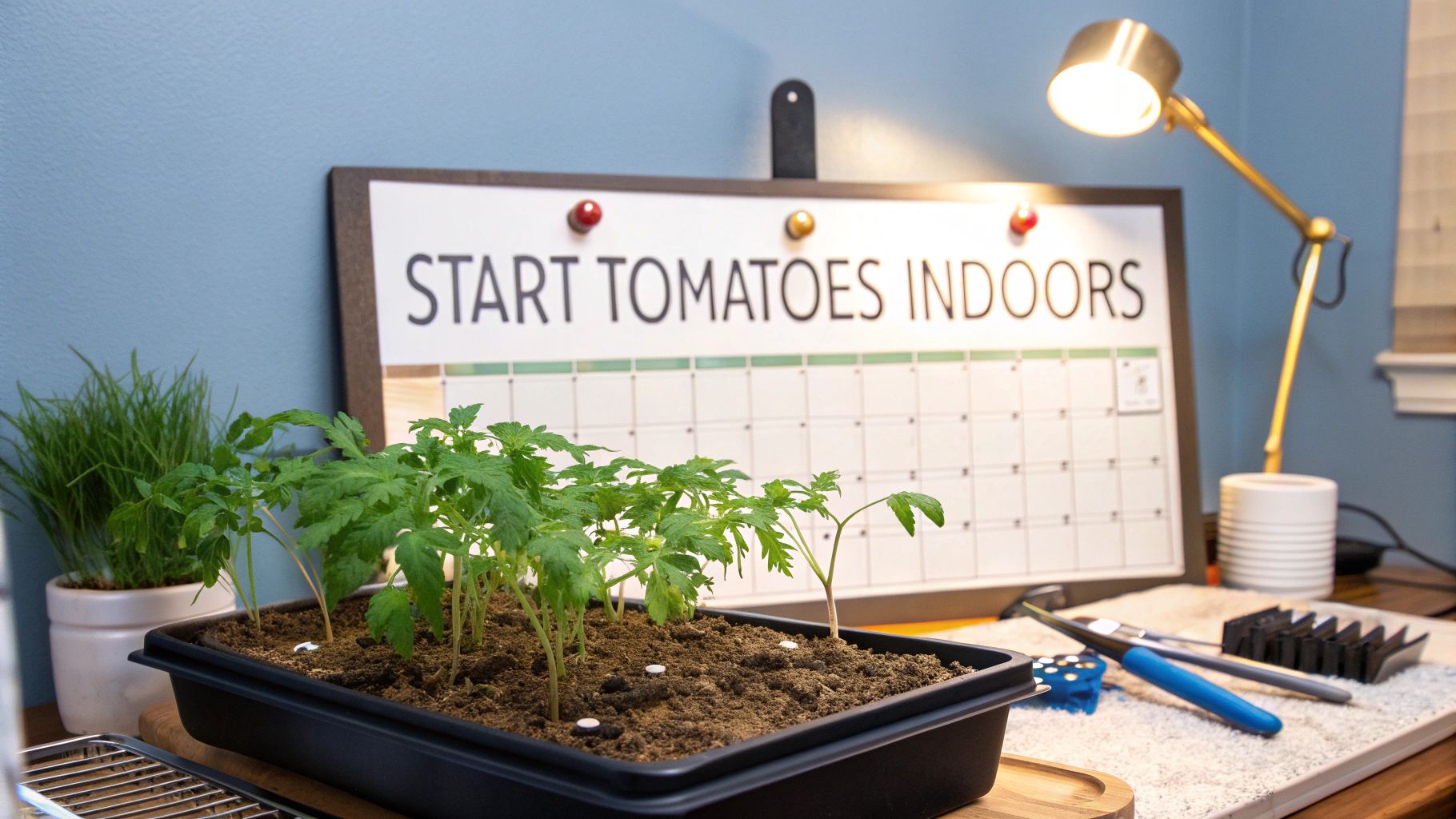
Credit: homegrown-garden.com
Expert Tips For Success
Growing garden plants indoors can be a rewarding experience. It requires knowledge and patience. To ensure success, follow expert tips. These tips guide you through essential steps. From setting growth conditions to using technology, learn how to nurture your indoor garden.
Optimizing Growth Conditions
Plants need light, water, and temperature control. Ensure your plants get enough sunlight. Use grow lights if natural light is limited. Keep the temperature consistent. Most plants thrive between 65-75°F. Regularly check soil moisture. Overwatering can harm your plants. Use pots with drainage holes to prevent waterlogging.
Choosing The Best Varieties
Select plants that adapt well indoors. Herbs like basil and mint are good choices. Leafy greens such as lettuce grow well indoors too. Choose dwarf or compact plant varieties. They require less space and are easier to manage. Research plants that suit your indoor environment.
Using Technology For Monitoring
Technology can help you monitor plant health. Use smart sensors to track soil moisture. They alert you when plants need watering. Apps can monitor light levels. Adjust lighting based on app feedback. Some devices measure air humidity. Maintaining proper humidity is crucial for plant health.

Credit: goebbertspumpkinfarm.com
Frequently Asked Questions
When Should I Start Seeds Indoors?
Starting seeds indoors depends on the plant variety and local climate. Typically, begin 6-8 weeks before the last expected frost. Early start gives plants a head start, ensuring robust growth. Check seed packets for specific timing, as some plants need longer indoor periods.
Adjust based on your region’s frost dates.
Can I Grow All Plants Indoors?
Not all garden plants thrive indoors. Some need outdoor conditions for optimal growth. Common indoor-friendly plants include herbs, tomatoes, and peppers. Research specific plant needs before starting indoors. Certain plants require direct sunlight or specific temperature ranges. Always consider space and light availability in your home.
How Do I Prepare For Indoor Gardening?
Prepare for indoor gardening by gathering necessary supplies. You’ll need pots, soil, and grow lights. Ensure proper drainage and ventilation. Select seeds suitable for indoor growth. Monitor temperature and humidity levels. Regularly check plants for signs of stress or disease.
Adjust conditions as necessary for healthy growth.
What Are The Benefits Of Starting Indoors?
Starting plants indoors offers several benefits. It provides control over growing conditions, ensuring optimal development. It extends the growing season, allowing earlier harvests. Protects young plants from harsh outdoor elements. Offers opportunity for experimentation with plant varieties. Ensures healthier, more robust plants by transplant time.
Conclusion
Starting garden plants indoors offers many benefits. Timing is crucial. Early planting gives plants a head start. Use this advantage to ensure strong growth. Indoor environments control temperature and light. This leads to healthy seedlings. Plan according to your region’s climate.
Different plants have different needs. Research each plant’s specific requirements. Be patient and attentive. This will ensure success in your gardening journey. Enjoy the process and watch your garden flourish. A little effort now leads to a bountiful harvest later.
Happy planting!







