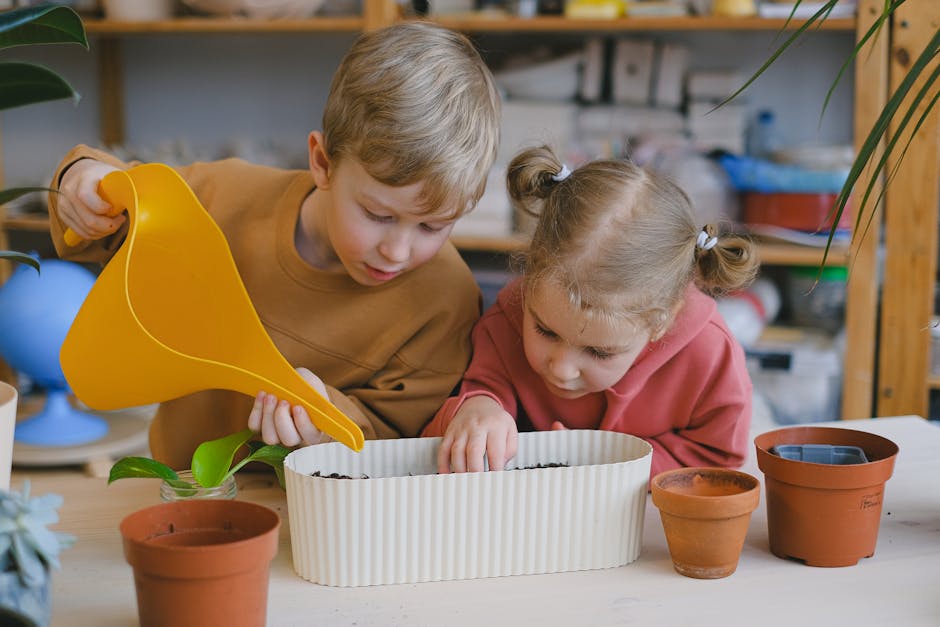
Are you dreaming of a vibrant garden in Wisconsin? Timing is everything when it comes to starting garden seeds indoors.
Get it right, and you’ll enjoy a flourishing garden filled with healthy plants. But miss the mark, and you may face disappointing results. How do you know when to begin this crucial step? The answer is simpler than you might think.
In this guide, you’ll discover the perfect timing to start your seeds indoors, ensuring your garden thrives from the very first sprout. Unlock the secrets to a lush garden and watch your hard work bloom beautifully. Ready to dig in and get growing? Let’s find out the best time to start those seeds!

Credit: www.pbs.org
Importance Of Indoor Seed Starting
Starting garden seeds indoors is crucial in Wisconsin’s climate. The growing season is short, with unpredictable spring weather. By planting seeds indoors, you give plants a head start. This ensures they are strong and ready for outdoor conditions. Indoor seed starting also allows control over temperature and light. This leads to healthier seedlings and better yields. Let’s explore the importance of starting seeds indoors.
Understanding Wisconsin’s Climate
Wisconsin experiences harsh winters and late frosts. These conditions can delay outdoor planting. By starting seeds indoors, you bypass these challenges. This helps in maximizing the growing season. It gives plants time to mature before frost returns.
Benefits Of Controlled Environment
Indoor seed starting offers a controlled environment. You can manage light, temperature, and moisture easily. This control helps in growing strong and healthy seedlings. It reduces the risks posed by sudden weather changes.
Improved Germination Rates
Starting seeds indoors improves germination rates. You can ensure seeds have the right conditions to sprout. This leads to a higher success rate and fewer wasted seeds. Healthy seedlings mean a more productive garden.
Early Harvest Opportunities
Indoor seed starting allows for earlier harvests. Plants have a head start when transplanted outdoors. This means you can enjoy fresh produce sooner. An early harvest also frees up space for more crops.

Credit: www.youtube.com
Wisconsin’s Climate Challenges
Wisconsin’s climate presents unique challenges for gardeners. The state experiences diverse weather patterns and temperature fluctuations. Winters are harsh and long, while springs can be unpredictable. These conditions make it crucial to understand the best time for starting seeds indoors. Timing is essential for successful germination and growth.
Understanding Frost Dates
Wisconsin’s frost dates vary by region. Knowing the last frost date helps plan indoor seeding. Typically, southern areas have earlier frost dates than northern regions.
Temperature Variability
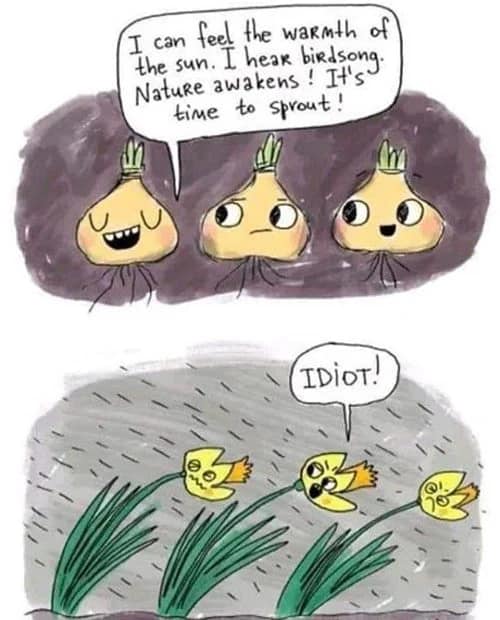
Wisconsin’s temperatures can change rapidly. Cold snaps in spring affect young plants. Monitor weather forecasts to protect seedlings from unexpected cold.
Limited Growing Season
Wisconsin’s growing season is short. Indoor seed starting extends the growing period. Begin seeding six to eight weeks before the last frost. This ensures plants are ready for outdoor transplanting.
Humidity And Moisture
Indoor conditions differ from outdoor humidity levels. Seedlings require consistent moisture for healthy growth. Use indoor climate control to maintain optimal humidity.
Sunlight Availability
Winter months have limited sunlight. Supplement natural light with grow lights. Ensure seedlings receive enough light for proper development.
Select seeds suited to Wisconsin’s climate. Cold-tolerant varieties thrive better. Research seed types that adapt well to local conditions.
Optimal Timing For Seed Starting
Starting seeds indoors gives your garden a head start. In Wisconsin, timing is crucial due to the short growing season. Knowing when to plant ensures healthy growth and a bountiful harvest.
Understanding Frost Dates
Frost dates guide seed starting in Wisconsin. The last spring frost usually occurs between late April and early May. Check local frost date predictions for accurate timing.
Calculating Seed Starting Dates
Calculate seed starting dates by considering plant type and frost dates. Seed packets often include indoor starting guidelines. Count back from the last frost date to decide when to sow seeds indoors.
Credit: www.facebook.com
Choosing The Right Seeds
Starting garden seeds indoors in Wisconsin requires careful timing. Begin sowing seeds six to eight weeks before the last expected frost. This strategy ensures seedlings are strong enough for transplanting when the weather warms up.
Choosing the right seeds is crucial for successful indoor gardening in Wisconsin. Understanding which seeds thrive indoors sets the foundation for a productive garden. Different plant types have unique needs and timing for indoor planting. Let’s explore the best options for vegetables, flowers, and herbs.Vegetable Seeds
Vegetables like tomatoes and peppers benefit from early indoor starts. They require a longer growing season and warm temperatures. Begin sowing these seeds indoors 6-8 weeks before the last frost. Broccoli, cabbage, and cauliflower also thrive when started indoors. Plant these seeds 4-6 weeks before the expected frost date. This timing allows them to develop strong roots before outdoor transplantation.Flower Seeds
Flowers like marigolds and zinnias are perfect for indoor sowing. Start these seeds 6-8 weeks before the last frost. This ensures vibrant blooms by summer. Petunias and impatiens need a bit more time. Begin these seeds 10-12 weeks before frost. Indoor starting gives them time to grow and strengthens their chances outdoors.Herb Seeds
Herbs such as basil and oregano are ideal for indoor planting. Start these seeds 4-6 weeks before the last frost. Early sowing ensures flavorful herbs in your garden by spring. Cilantro and dill can be started directly outside after the frost. Indoors, focus on herbs that need more warmth and care to flourish. Choosing the right seeds aligns your planting with Wisconsin’s climate. This strategy ensures your garden thrives throughout the growing season.Necessary Equipment And Supplies
Starting garden seeds indoors in Wisconsin requires basic supplies. Use seed trays, quality potting mix, and grow lights. Maintain warmth with heat mats for optimal growth.
Starting your garden seeds indoors in Wisconsin can be a rewarding endeavor, especially when equipped with the right tools. Having the necessary equipment and supplies is crucial to ensure your seeds grow into healthy seedlings ready for transplanting. Whether you’re a seasoned gardener or a beginner, understanding what you need can make the process smoother and more enjoyable.Seed Trays And Pots
Using the right seed trays and pots can make a significant difference. Trays that offer good drainage and are durable enough to last through the growing season are essential. Consider biodegradable pots, which can be planted directly into the ground, minimizing transplant shock. Reusable plastic trays are also a cost-effective choice for larger gardens.Grow Lights
Natural sunlight may not always be sufficient indoors. Investing in quality grow lights can ensure your seedlings get the right amount of light. LED grow lights are energy-efficient and provide the full spectrum of light needed for healthy growth. Position them a few inches above the seedlings, adjusting as they grow.Soil And Fertilizers
The foundation of healthy seedlings lies in good quality soil. Use a seed-starting mix that is lightweight and drains well. Consider adding organic fertilizers to nourish your plants as they grow. A balanced fertilizer can support robust root development and strong stems. Have you ever tried experimenting with different soil mixes? Finding the right combination could be the key to achieving those lush, vibrant seedlings you envision.Steps For Successful Seed Starting
Timing is key for starting seeds indoors in Wisconsin. Begin six to eight weeks before the last frost date. This ensures healthy growth and a smooth transition to outdoor planting.
Starting garden seeds indoors in Wisconsin requires careful planning and execution. Successfully growing seedlings indoors gives your plants a strong start. This ensures they are ready to thrive when transplanted outside. Follow these steps for successful seed starting and watch your garden flourish.Preparing The Soil
Begin by selecting a quality seed-starting mix. This mix should be light and well-draining. It differs from regular garden soil, which may compact too easily. Use clean pots or seed trays to prevent disease. Fill them with the seed-starting mix, leaving some space at the top. Moisten the soil before sowing seeds, ensuring it is damp but not soaked.Sowing The Seeds
Read seed packets for specific planting depth and spacing. Use a pencil to create small holes in the soil for seeds. Place seeds in the holes and cover them lightly with soil. Label each pot with the plant name and date. This helps track growth and care requirements.Maintaining Optimal Conditions
Position seed trays in a warm spot. A heat mat can help regulate temperature. Aim for a consistent temperature around 70°F. Provide 12-16 hours of light daily using grow lights. Keep the soil consistently moist with gentle watering. Avoid overwatering, as it can harm seedlings. Ventilate the area to prevent mold and mildew. As seedlings grow, thin them to ensure strong development.Common Mistakes To Avoid
Starting seeds indoors too early can lead to weak, leggy plants. Choosing the wrong time affects germination rates and plant health. Proper timing ensures strong seedlings ready for Wisconsin’s climate.
Starting garden seeds indoors can be a rewarding experience. Yet, many gardeners in Wisconsin face common pitfalls that hinder growth. Knowing these mistakes can save time and ensure a healthy start for your plants.Overwatering
Overwatering suffocates the seed roots. They need air as much as water. Use a spray bottle to keep the soil moist, not drenched. Check the surface; if it feels dry, mist lightly. Avoid watering until puddles form.Inadequate Light
Light is crucial for seedlings. Without enough, they grow weak and leggy. Place them near windows for natural sunlight. If windows are scarce, use grow lights. Ensure they stay on for 12-16 hours daily. Adjust the lights as plants grow taller.Transplanting To The Garden
Starting garden seeds indoors in Wisconsin is ideal six to eight weeks before the last spring frost. This allows seedlings to mature before transplanting outdoors, ensuring they thrive in the region’s climate. Early planning leads to a successful garden.
Transplanting to the garden is a crucial stage in the life of your seedlings. It marks the transition from the protected indoor environment to the dynamic, sometimes unpredictable, conditions of the outdoors. In Wisconsin, where the weather can be as unpredictable as a cat’s mood, knowing when and how to transplant your seedlings can make the difference between a bountiful garden and a disappointing one.Hardening Off Seedlings
Before you rush to plant those seedlings, consider the importance of hardening them off. This process gradually acclimates your plants to outdoor conditions, reducing transplant shock. Start by placing your seedlings outside for a few hours each day, gradually increasing their time outside over a week. Choose a sheltered spot where they can enjoy indirect sunlight. This helps them adjust without getting scorched by direct sun or battered by wind. You might be surprised at how much sturdier your seedlings become after this gradual exposure.Choosing The Right Time
Timing is everything when moving seedlings outdoors. In Wisconsin, the last frost date generally falls around late May, but this can vary slightly. Keep an eye on local weather forecasts and use them to guide your decision-making process. Consider the specific needs of your plants. Some, like tomatoes and peppers, require warmer soil and air temperatures, while others, such as lettuce and peas, can tolerate cooler conditions. A simple soil thermometer can help you assess when the ground is warm enough for your seedlings. Choosing the right time also involves paying attention to the forecast. Avoid transplanting on very windy or rainy days, as these conditions can stress young plants. Instead, look for a cloudy day or a late afternoon when the sun’s intensity is lower. Are you excited to see your garden flourish? A thoughtful approach to transplanting can set the stage for a thriving garden all season long.Frequently Asked Questions
What Is The Best Time To Start Seeds Indoors?
In Wisconsin, start seeds indoors 6-8 weeks before the last frost date. Typically, this means late February to early March. Timing ensures plants are ready for transplanting outdoors when the weather warms. Check specific seed packets for exact timing as different plants have unique requirements.
Which Seeds Should I Start Indoors In Wisconsin?
Tomatoes, peppers, and broccoli are ideal for starting indoors in Wisconsin. These plants benefit from early growth before outdoor transplanting. Starting seeds indoors helps them establish roots and develop strength. Consider other vegetables and herbs that require a longer growing season for best results.
How Do I Prepare Seeds For Indoor Planting?
Begin with quality seeds and use clean containers with drainage holes. Fill them with seed-starting mix. Moisten the soil and plant seeds at recommended depths. Cover with plastic wrap to maintain humidity until germination occurs. Once seedlings emerge, remove the cover and provide sufficient light.
Why Is Indoor Seed Starting Important?
Starting seeds indoors allows gardeners to control conditions for optimal growth. It extends the growing season and protects young plants from harsh weather. Indoor seed starting helps ensure healthy, robust plants ready for transplanting. This practice can increase yields and improve plant survival rates.
Conclusion
Starting seeds indoors is crucial for Wisconsin gardeners. Timing is key. Planting too early or late affects growth. Check local frost dates for guidance. Use a calendar to track planting times. Consider each plant’s needs. Some seeds need more time.
Others sprout quickly. Grow lights help in low sunlight. Maintain proper temperature and moisture. Watch for signs of growth. Adjust care as needed. Indoor seed starting boosts success. Gives plants a strong start. Enjoy a fruitful gardening season. Happy planting!







