Have you ever dreamed of harvesting fresh vegetables right from your own garden, even as the leaves start to fall? Imagine stepping outside on a crisp autumn day and gathering a basket full of homegrown produce.
Achieving a successful fall garden starts with knowing when to plant your seeds. Timing is crucial, and getting it right can lead to a bountiful harvest that extends well beyond summer. As you prepare to dig in, consider this: planting at the perfect moment can transform your gardening experience.
It can mean the difference between thriving plants and ones that struggle. You might wonder, “How do I know the best time to start? ” Well, you’re in the right place. This article will guide you through the precise timeline for planting seeds, tailored to your location and climate. Get ready to unlock the secrets of fall gardening success. With the right timing, your garden can flourish, and you’ll enjoy the fruits of your labor long after the summer sun has set. Keep reading to discover how to make your fall garden thrive.
Factors Influencing Planting Time
Timing is crucial for planting a fall garden. Several factors influence the best planting time. Understanding these elements helps achieve a bountiful harvest.
Climate And Frost Dates
Climate affects planting schedules significantly. Different regions have varying temperatures and weather patterns. Knowing the frost dates in your area is vital. Frost dates determine when to start planting seeds. A late frost can harm young plants. Check local frost dates to plan accordingly.
Soil Conditions
Soil conditions play a key role in seed planting. Healthy soil is essential for seed germination. Test soil for nutrients and pH balance. Amend soil if needed to create a fertile environment. Proper soil drainage prevents waterlogging. This ensures seeds receive the right amount of moisture.
Daylight Hours
Daylight hours impact plant growth and development. Plants need adequate sunlight for photosynthesis. As summer ends, daylight hours decrease. Consider this when planning your fall garden. Choose plants that thrive with less sunlight. This ensures they mature before the first frost.

Credit: www.instagram.com
Choosing The Right Seeds
Choosing the right seeds for a fall garden involves considering frost dates and plant maturity. Start sowing cool-season crops like lettuce and spinach in late summer. Ensure soil is prepared and seeds are planted at the right depth for optimal growth.
Choosing the right seeds for your fall garden can make all the difference between a thriving patch and a disappointing plot. Timing is crucial, but so is selecting varieties that can withstand cooler temperatures. As you plan your autumn garden, consider plants that naturally thrive in the crisp fall air. You’ll be amazed at how many options there are!Cold-weather Vegetables
Some vegetables love the chilly embrace of fall. Think of hardy greens like kale and spinach, which not only withstand frost but often taste sweeter after it. Root vegetables such as carrots and beets are also excellent choices. They mature well in cooler soil, giving you a robust harvest. Planting cabbages and Brussels sprouts can be quite rewarding too. They flourish as temperatures drop, adding a fresh crunch to your fall meals. Ever tried growing garlic in the fall? It’s surprisingly simple and leads to a flavorful harvest in the spring.Herbs For Fall Gardens
Herbs can be a delightful addition to your fall garden. While basil might shy away from the cold, rosemary and thyme can thrive beautifully. They add aromatic flavors to your kitchen and are easy to care for. Have you considered chives? These hardy herbs are not only resilient but also add a dash of zest to your dishes. Lavender, although typically associated with summer, can extend its blooming season into fall, offering both beauty and fragrance.Flower Varieties For Late Bloom
Fall isn’t just for vegetables and herbs. Some flowers can lend vibrant colors to your garden during autumn. Chrysanthemums, or mums, are classic fall bloomers that burst into lively hues. Their diverse palette can brighten up any garden space. Asters are another great choice. They offer a splash of color and attract pollinators even as the days grow shorter. Sedum and pansies also brave the cooler climate, adding texture and color to your garden beds. Choosing the right seeds involves more than just picking your favorites. Think about what will thrive and continue to bring joy as the season changes. What will you plant to make your fall garden flourish?Planning Your Fall Garden
Planning your fall garden opens a world of possibilities for a bountiful harvest. Fall gardening requires strategic thinking to maximize space and yield. Choosing the right time to plant is crucial for healthy growth. Understanding layout, companion planting, and succession techniques will help you plan effectively.
Garden Layout And Design
Thoughtful garden layout enhances productivity and aesthetics. Consider the space and sunlight each plant needs. Arrange taller plants to avoid shading smaller ones. Group plants with similar water needs together. This reduces effort and promotes healthy growth.
Companion Planting Strategies
Companion planting creates harmony in the garden. Some plants help others grow better. For example, onions repel pests for carrots. Beans provide nitrogen to the soil, benefiting leafy greens. Research plant pairings to optimize growth and health.
Succession Planting Techniques
Succession planting ensures continuous harvest throughout fall. Plant crops in intervals. This allows new plants to replace harvested ones. Start with fast-growing crops like radishes and lettuce. Follow with slower-growing vegetables like broccoli. This technique maximizes garden productivity over time.
Timing Techniques
Plant seeds for a fall garden when summer heat fades. Cooler temperatures help seeds germinate effectively. Plan to sow seeds six to eight weeks before the first expected frost.
Timing your seed planting for a fall garden is a balancing act that can yield abundant results. The crispness of fall brings unique challenges and rewards, making timing crucial. By mastering a few simple techniques, you can ensure your garden thrives as the leaves turn.Calculating Planting Dates
To determine the best planting dates, start by knowing your area’s first expected frost date. Count backward from this date to find when to plant each type of seed. For example, if your first frost is expected on October 15th and your vegetable takes 60 days to mature, plant by August 15th. A quick tip: consider the seed packet’s “days to maturity” as your guide. This number helps you calculate the perfect planting window. A little math goes a long way in ensuring a bountiful harvest.Using Planting Calendars
Planting calendars are valuable tools for fall gardeners. They offer a visual guide, showing when to plant each vegetable based on your local climate. Many gardening websites provide free, customizable calendars that you can print or save on your device. These calendars often include reminders for succession planting, ensuring you get the most out of your garden space. Following a calendar can simplify your planning process, helping you avoid the guesswork.Leveraging Growing Zones
Understanding your growing zone is essential for successful seed planting. The U.S. is divided into zones that indicate average minimum temperatures, guiding which plants thrive in your area. Knowing your zone helps you select seeds that mature before the frost hits. For example, if you live in Zone 5, choose crops like kale or carrots, which withstand cooler temperatures. By leveraging your zone, you optimize plant selection and timing, enhancing your garden’s productivity. Are you ready to embrace the art of timing in your fall garden? By calculating dates, using calendars, and understanding your growing zone, you’re set to cultivate a flourishing autumn harvest.Seed Starting Indoors
Starting seeds indoors extends the growing season of your fall garden. It gives plants a head start before they face cooler weather. Indoor seed starting allows better control over the environment, ensuring seeds germinate successfully.
Choosing Containers And Soil
Select containers with drainage holes to prevent waterlogging. Seed trays, peat pots, or recycled containers work well. Use seed-starting soil mix, which is light and well-draining. This soil mix ensures good root development. Avoid garden soil, as it might contain pests or diseases.
Lighting And Watering Needs
Seedlings need light to grow strong. Place them near a sunny window or use grow lights. Ensure they get 12 to 16 hours of light daily. Keep the soil moist but not soggy. Use a spray bottle to mist the soil gently. This prevents disturbing the seeds or seedlings.
Hardening Off Seedlings
Before moving seedlings outdoors, they need hardening off. This process helps them adjust to outdoor conditions. Start by placing them outside for a few hours daily. Gradually increase their outdoor time over a week or two. Protect them from strong wind and direct sun initially. This helps them acclimate slowly and reduces transplant shock.
Direct Sowing In The Garden
Planting seeds for a fall garden requires careful timing. Early to mid-summer is ideal for direct sowing. This ensures plants mature before frost arrives.
Direct sowing in the garden is a rewarding process where you plant seeds directly into the soil, allowing them to grow naturally in their final location. This method can be more convenient than starting seeds indoors as it eliminates the need for transplanting. Plus, it often results in stronger plants since they are not disturbed after germination. But when is the right time to start this process for a fall garden? Let’s dive into the essential steps to ensure your seeds thrive.Preparing The Garden Bed
Before sowing, make sure your garden bed is ready. Clear out any weeds, rocks, or debris that might interfere with seed growth. Loosen the soil with a garden fork or tiller to a depth of at least 12 inches. This improves drainage and allows roots to penetrate more easily. Consider adding compost or aged manure to enrich the soil with nutrients. A well-prepared bed can make a significant difference in seed germination and plant health. Have you ever noticed how plants seem to thrive more with a little extra care in soil preparation?Optimal Sowing Depths
Each seed type has a recommended sowing depth for optimal growth. Generally, larger seeds like beans and peas should be planted deeper, about 1 to 2 inches, while smaller seeds like lettuce and carrots should be barely covered with soil. Check seed packets for specific depth instructions. Planting seeds too deep can prevent them from reaching the surface, while too shallow can leave them exposed to predators and weather conditions. Isn’t it fascinating how something as simple as planting depth can impact a plant’s chance of survival?Watering And Mulching
Watering is critical after sowing to ensure seeds have the moisture needed to germinate. Use a gentle spray to avoid washing seeds away or disturbing the soil. Keep the soil consistently moist until seedlings appear, then adjust according to weather conditions. Once seedlings are established, mulching can help retain soil moisture and suppress weeds. Have you tried using organic materials like straw or grass clippings for mulching? They not only conserve moisture but also add organic matter to the soil as they break down. By paying attention to these details, you set the stage for a successful fall garden directly sown in the earth. Are you ready to see what your garden can achieve with a little planning and care?Monitoring Growth And Health
Plant seeds for a fall garden in late summer. This timing ensures plants mature before the first frost. Monitor growth and health regularly to guarantee a bountiful harvest.
Monitoring the growth and health of your fall garden is essential. Regular checks ensure plants are thriving. Early detection of issues can save your crops. Pay attention to signs of distress or slowed growth. This can indicate underlying problems that need addressing.Pest And Disease Management
Keep pests and diseases at bay to ensure healthy plants. Inspect leaves for unusual spots or holes. Remove affected parts to prevent spreading. Use natural remedies like neem oil or insecticidal soap. Encourage beneficial insects such as ladybugs in your garden. They help control harmful pests naturally.Nutrient Requirements
Proper nutrients are crucial for plant health. Test soil to know its nutrient levels. Add compost or organic fertilizers to enrich the soil. Ensure plants receive balanced nutrients for optimal growth. Over-fertilizing can harm plants, so follow recommended guidelines. Regularly check for nutrient deficiency signs like yellowing leaves.Weather Protection
Protect your fall garden from harsh weather conditions. Use row covers to shield plants from frost. Mulch helps retain soil warmth and moisture. In windy areas, create windbreaks using fences or hedges. Be prepared to cover plants during unexpected cold snaps. Adapt to changing weather for a successful fall harvest.
Credit: www.instagram.com
Harvesting And Storage
Knowing the right time to plant seeds ensures a bountiful fall harvest. Store harvested produce in cool, dry places to maintain freshness. Proper timing and storage are key for a successful fall garden.
As summer fades and the crisp air of autumn settles in, gardeners eagerly anticipate the harvest. This is a rewarding phase, transforming the hard work of planting and tending into a bounty of fresh produce. Understanding the best practices for harvesting and storing your fall garden’s yield ensures you enjoy the fruits of your labor for weeks, even months, to come.Recognizing Harvest Time
Identify the right moment to harvest for peak flavor and nutrition. Observe your plants closely. Look for signs such as color change and size. Vegetables like carrots and beets should have firm roots. Leafy greens are best when young and tender. Mark these signs on a calendar to track optimal harvest times.Efficient Harvesting Techniques
Use proper techniques to make harvesting easier and protect the plants. For leafy greens, cut above the growth point to allow regrowth. Use sharp scissors or a knife for clean cuts. For root vegetables, gently loosen the soil before pulling. Harvest during the cooler part of the day to preserve freshness.Storing And Preserving Produce
Proper storage maintains the flavor and longevity of your harvest. Store root vegetables in a cool, dark place. Use perforated bags for leafy greens in the refrigerator. Freeze or can surplus produce for long-term use. Label and date preserved items to ensure you use them at their freshest.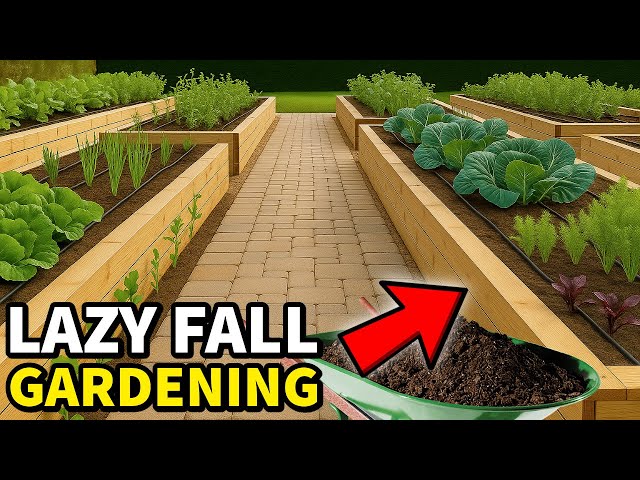
Credit: www.youtube.com
Frequently Asked Questions
When Is The Best Time To Plant Fall Seeds?
The best time to plant seeds for a fall garden is late summer to early fall. This timing ensures cooler temperatures for seedlings. It also provides enough growing time before the first frost. Always check your local frost dates for precise planting windows.
Can I Plant Seeds Directly In Fall?
Yes, you can plant seeds directly in the soil for fall. Choose fast-growing varieties for the best results. Ensure the soil is well-prepared and moist. Direct seeding is ideal for greens, root vegetables, and certain herbs.
What Seeds Are Ideal For Fall Planting?
Ideal seeds for fall planting include leafy greens, root vegetables, and herbs. Lettuce, spinach, and kale thrive in cooler temperatures. Carrots, radishes, and beets grow well in fall. Cilantro and parsley are also excellent choices.
How Do I Prepare Soil For Fall Planting?
Prepare soil by clearing summer crops and debris. Add compost to enrich the soil with nutrients. Loosen the soil to improve drainage and root growth. Test the pH and adjust as necessary for optimal plant health.
Conclusion
Choosing the right time to plant seeds is crucial. A successful fall garden depends on it. Start early for the best growth. Check your local frost dates. Plan accordingly. Remember, each plant has its own needs. Be mindful of soil, sunlight, and water.
These factors influence plant health. A little research goes a long way. Keep your gardening tools ready. Stay attentive to weather changes. Your garden can thrive with care and timing. Enjoy the process. Gardening is rewarding. Happy planting!