Imagine stepping into your backyard and seeing a lush, vibrant garden bursting with life. The sight of colorful blooms and the taste of fresh, homegrown vegetables are within your reach.
But there’s a crucial secret to achieving this garden paradise: knowing the perfect time to plant in Kentucky. Timing is everything, and getting it right can mean the difference between a thriving garden and a disappointing one. Have you ever felt the frustration of watching your plants struggle, despite your best efforts?
You’re not alone. But don’t worry—understanding Kentucky’s unique climate and seasonal shifts can empower you to make smart planting decisions. This article will guide you through the optimal planting times, ensuring your garden flourishes with each season. Get ready to transform your outdoor space and enjoy the fruits of your labor. Your dream garden awaits!
Climate Considerations
Understanding Kentucky’s climate is key for planning your garden. The last frost typically ends in mid-April. Planting after this ensures your garden thrives and avoids frost damage.
Climate considerations play a crucial role in planning your garden in Kentucky. Understanding the state’s climate can help determine the best time for planting. Kentucky’s climate varies across regions, affecting plant growth. Knowing these variations will ensure your garden thrives.Understanding Kentucky’s Climate Zones
Kentucky has diverse climate zones. The state experiences humid subtropical and continental climates. The northern part is cooler than the southern. Each zone has different frost dates. This influences planting schedules. Familiarize yourself with your specific zone. This helps in choosing the right planting times.Impact Of Temperature Fluctuations
Kentucky weather can be unpredictable. Temperature changes affect plant growth. Early spring may have unexpected frosts. Late summer can be excessively warm. Monitor temperature forecasts. Adjust planting times for optimal growth. Protect sensitive plants from extreme conditions.Rainfall Patterns And Watering Needs
Rainfall varies across Kentucky. Some regions receive more rain. Others may experience dry spells. Understand local rainfall patterns. This helps in planning irrigation needs. Watering is crucial during dry periods. Ensure your garden gets adequate moisture.Dealing With Humidity Levels
Kentucky’s humidity can affect plants. High humidity can encourage pests. It may also lead to fungal diseases. Choose resistant plant varieties. Regularly check plants for signs of stress. Good air circulation helps prevent issues.Frost Dates And Planting Schedule
Frost dates are key to planning. They vary across Kentucky. Planting too early risks frost damage. Check local frost date predictions. Plan planting after the last frost. This ensures seedlings have a better chance to grow.
Credit: www.facebook.com
Frost Dates
Understanding frost dates is essential for planting a garden in Kentucky. The last spring frost typically occurs between April 1 and April 15. Aim to plant after this period to protect your plants from cold damage.
Frost dates are crucial for gardeners in Kentucky, as they dictate the best times to plant various crops. Understanding when frost is likely to occur can help you avoid damage to your garden and ensure a bountiful harvest. Let’s explore the specifics of frost dates, focusing on spring and fall frosts.Spring Frosts
Spring frosts can sneak up unexpectedly, often catching eager gardeners off guard. In Kentucky, the last frost date can vary significantly depending on your location. Typically, you might see the last frost between mid-April to early May. This variability makes it essential to stay updated with local weather forecasts. Consider starting seeds indoors if you’re itching to get a head start. This way, you can transplant them once the danger of frost has passed. Have you ever planted too early and lost your seedlings to an unexpected frost? It’s a common mistake, but one that’s easily preventable with a little planning.Fall Frosts
Fall frosts mark the end of the growing season for many crops. In Kentucky, the first fall frost usually arrives around mid-October. This timing means you have a window to plant cool-season crops like kale and spinach that can endure mild frosts. Keep an eye on the forecast as fall approaches to harvest any frost-sensitive plants like tomatoes and peppers. Have you ever wondered why some plants thrive in cooler temperatures while others wilt at the first sign of frost? Knowing your plants’ frost tolerance can make all the difference. Planning around these dates ensures your garden not only survives but thrives throughout the growing season.Planting Seasons
Understanding the planting seasons in Kentucky can transform your garden from ordinary to extraordinary. Knowing when to plant ensures your garden thrives and offers the best yields. Kentucky’s climate offers unique challenges and benefits, making timing crucial.
Spring Planting
Spring in Kentucky is a gardener’s paradise. As the frost fades and temperatures begin to rise, it’s time to get your hands dirty. Early spring, around late March to April, is perfect for planting cool-season vegetables like lettuce, peas, and spinach.
Think about your favorite spring blooms. You can start sowing seeds for flowers such as marigolds and zinnias once the soil warms up. Have you ever tried planting strawberries? They thrive when planted early in the season, offering a sweet reward.
Summer Planting
Summer planting can be tricky but rewarding. As the heat intensifies, choose heat-loving crops like tomatoes, peppers, and cucumbers. These plants flourish when started in late spring and transplanted in early summer.
Consider planting herbs like basil and oregano. They not only survive but thrive in the warm weather. Do you have a favorite summer vegetable dish? Growing your ingredients can make it even more delicious.
Fall Planting
Fall is often overlooked, yet it’s a fantastic time for gardening. As the heat recedes, start planting cool-season crops again. September is ideal for broccoli, cauliflower, and cabbage.
Are you looking to add color to your garden? Plant fall-blooming flowers like asters and chrysanthemums. They bring vibrant hues to your garden as the leaves begin to turn.
Reflect on your garden’s journey through the seasons. Each season brings unique opportunities and challenges, and timing your planting ensures a bountiful harvest and beautiful blooms throughout the year.

Credit: www.statebystategardening.com
Choosing The Right Plants
Planting in Kentucky requires understanding its seasons. Spring and fall are ideal for most garden plants. Consider frost dates and choose hardy species for optimal growth.
Choosing the right plants for your garden in Kentucky depends on the season. Each season offers unique opportunities for different plant types. Understanding these can help you maximize your garden’s potential.Cool-weather Crops
Cool-weather crops thrive in early spring and fall. These plants prefer mild temperatures and cooler soil. Ideal choices include leafy greens like spinach and lettuce. Root vegetables such as carrots and radishes also do well. They can be planted when the soil temperature is above 40°F. These crops can withstand slight frost, allowing a longer growing season.Warm-weather Crops
Warm-weather crops love the heat and sunshine of summer. These plants need soil temperatures above 60°F to grow well. Tomatoes, peppers, and corn are popular choices. They require full sunlight and regular watering. Plant these crops after the last frost date for best results. This ensures they mature before cooler temperatures arrive.Soil Preparation
Kentucky’s ideal planting season begins in early spring. Preparing soil before planting ensures healthy, thriving gardens. Remove weeds and debris, then enrich soil with compost for nutrients.
Preparing your soil properly is crucial for a thriving garden in Kentucky. The soil’s health directly impacts your plants’ growth and yield. Before you plant, focus on ensuring your soil is ready to provide nutrients and support. Good soil preparation can make all the difference in your gardening success.Testing Soil
Begin by testing your soil to understand its current state. This will help identify pH levels and nutrient deficiencies. Use a basic soil test kit from a garden center. It’s simple and provides essential information. Check for acidity or alkalinity, as it affects plant growth. Most vegetables prefer slightly acidic to neutral soil. Record your results to plan for amendments.Amending Soil
Once you have your test results, amend your soil accordingly. Add organic matter like compost to improve soil structure. Compost enriches soil, providing vital nutrients and improving drainage. For pH adjustments, add lime to raise it or sulfur to lower it. Ensure thorough mixing for even distribution. Healthy soil is key for strong root development. Regularly amend and test soil to keep it in optimal condition.Watering Strategies
Selecting the right time to plant in Kentucky is crucial for healthy growth. Early spring is ideal for cool-season crops, while warm-season vegetables thrive when planted after the last frost. Proper timing ensures optimal watering and sunlight exposure, leading to a flourishing garden.
Watering your garden in Kentucky is crucial for healthy plants. Proper watering strategies ensure your garden thrives throughout the seasons. Choosing the right method can save water and support plant growth. Let’s explore some effective watering techniques.Irrigation Systems
Irrigation systems offer consistent water supply to your garden. They distribute water efficiently, reducing waste. Drip irrigation is popular due to its precision. It delivers water directly to plant roots. This minimizes evaporation and runoff. Soaker hoses are another option. They are easy to install and affordable. These hoses allow water to seep slowly into the soil. This promotes deep root growth.Rainwater Harvesting
Rainwater harvesting is an eco-friendly watering strategy. It involves collecting rainwater for garden use. This method conserves water and reduces utility bills. Install rain barrels under downspouts to collect rainwater. Make sure they have a secure lid to prevent debris. Use the stored water during dry spells. This provides plants with natural, chlorine-free water. It’s a sustainable choice for environmentally conscious gardeners.Pest Management
Spring arrives in Kentucky, signaling the best time for garden planting. Mid-April is ideal for most vegetables. Monitor soil temperature for optimal growth.
Pest management is crucial for a thriving garden in Kentucky. Pests can damage plants and reduce yield. Managing them keeps your garden healthy and productive. Understanding the common pests and using natural remedies can help.Common Pests
Kentucky gardens face several pests. Aphids are tiny insects that suck plant juices. They weaken plants and spread diseases. Caterpillars chew leaves, hindering growth. Japanese beetles eat flowers and leaves. They can quickly damage garden plants. Slugs and snails thrive in moist areas, eating leaves and stems. Their trails can ruin the appearance of plants.Natural Remedies
Natural remedies can effectively manage pests. Neem oil is a popular choice. It disrupts pests’ growth and reproduction. Garlic spray deters insects with its strong odor. Diatomaceous earth is another option. It dehydrates pests, making gardens less inviting. Companion planting helps too. Marigolds repel harmful insects. Basil deters flies and mosquitoes. These methods are safe and environmentally friendly. Use them to protect your garden without chemicals.Companion Planting
Understanding the best time to plant in Kentucky can enhance companion planting efforts. Early spring is ideal for cool-season crops. Warm-season plants thrive when frost danger passes, usually after mid-April.
Companion planting is an ancient gardening practice. It involves growing plants together for mutual benefit. This method can improve plant health and growth. In Kentucky, understanding companion planting is crucial for a successful garden. Let’s explore beneficial pairings and avoid bad combinations.Beneficial Pairings
Some plants work well together. They help each other grow stronger. For example, tomatoes and basil are excellent companions. Basil improves the flavor of tomatoes. It also repels harmful insects. Another great pair is carrots and onions. Onions deter carrot flies, protecting your carrots. Here’s a list of beneficial pairings:- Tomatoes and basil
- Carrots and onions
- Cucumbers and radishes
- Corn and beans
Avoiding Bad Combinations
Some plants do not grow well together. They can harm each other’s growth. For instance, keep onions away from beans. Onions can stunt bean growth. Another poor combination is potatoes and tomatoes. Both are prone to similar diseases. Avoid these bad combinations:- Onions and beans
- Potatoes and tomatoes
- Cabbage and strawberries
- Carrots and dill
Using Garden Calendars
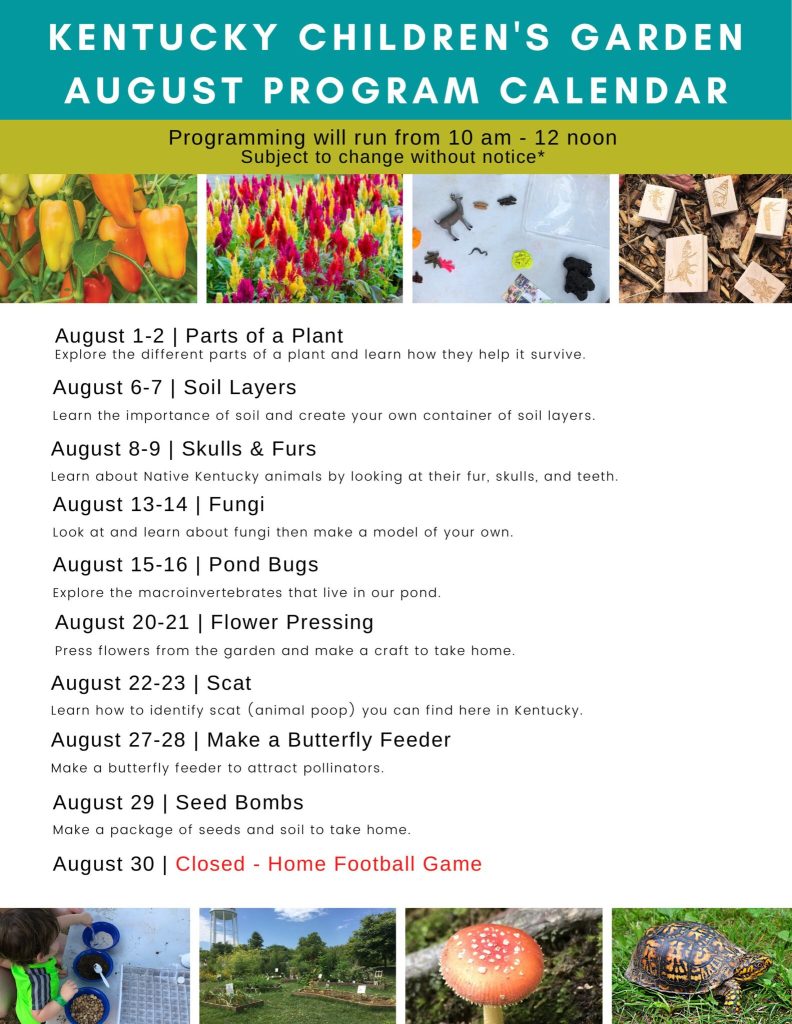
Garden calendars help you know the best planting times in Kentucky. They guide you on when to plant each type of crop. This ensures your garden thrives in the local climate.
Using Garden Calendars Planting a garden in Kentucky requires a keen understanding of timing, and garden calendars are invaluable tools for this. These calendars provide a visual representation of optimal planting times for various crops, helping you make informed decisions. By utilizing a garden calendar, you can align your planting schedule with Kentucky’s unique climate patterns, ensuring your garden thrives.Tracking Planting Dates
Garden calendars simplify the process of tracking planting dates. Instead of relying on memory, you can jot down exact dates for sowing seeds or transplanting seedlings. For example, you might note that tomatoes are best planted after the last frost date, typically around mid-May in Kentucky. This precise tracking helps you avoid premature planting, which can lead to frost damage and wasted effort.Seasonal Adjustments
Adjusting your planting schedule based on seasonal variations is crucial in Kentucky. The state’s weather can be unpredictable, with sudden cold snaps or early warm spells. By referencing your garden calendar, you can adapt quickly. If a warm spring arrives early, you might move up your planting dates, whereas a late frost might require delaying certain plants. How do you make these adjustments? Always keep an eye on local weather forecasts, and be ready to tweak your calendar accordingly. Using garden calendars not only keeps your planting organized but also empowers you to make timely decisions. Have you noticed how your garden responds to these adjustments? The right timing can be the difference between a bountiful harvest and a disappointing season.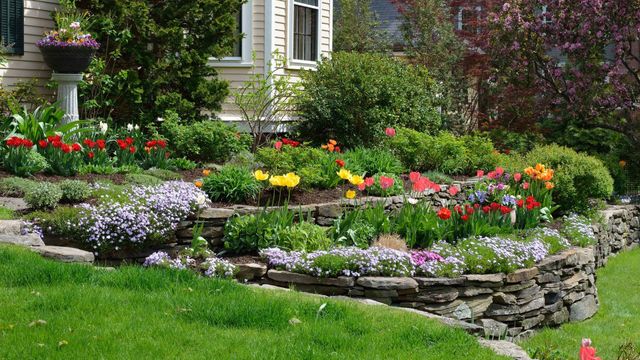
Credit: www.bluegrassgardening.com
Frequently Asked Questions
What Is The Best Time To Plant In Kentucky?
The ideal planting time in Kentucky varies by plant type. For most vegetables, early spring is best. If you’re planting flowers, late spring or early fall is optimal. Ensure the last frost has passed before planting sensitive plants.
When Should I Start Seeds Indoors In Kentucky?
Start seeds indoors 6-8 weeks before the last frost date. In Kentucky, this typically falls between March and April. Starting seeds indoors helps them become strong before transplanting outdoors when the weather warms.
How Does Kentucky’s Climate Affect Planting?
Kentucky’s climate is characterized by humid summers and cold winters. This means you should consider seasonal changes when planting. Choose hardy plants that can withstand temperature variations for successful gardening.
What Vegetables Grow Well In Kentucky Gardens?
Tomatoes, peppers, and beans thrive in Kentucky gardens. These vegetables are well-suited to the local climate. Planting them at the right time ensures a fruitful harvest during the warmer months.
Conclusion
Planting a garden in Kentucky requires attention to timing and conditions. Understanding local frost dates helps ensure healthy growth. Early spring is ideal for cool-weather crops like lettuce and peas. Warm-weather plants such as tomatoes thrive after the last frost.
Pay attention to soil temperature. It should be warm for seeds to sprout. Regularly check weather forecasts. This helps plan planting days. Start small if new to gardening. Gradually expand as you gain confidence. Gardening can be rewarding and relaxing.
Enjoy watching your garden grow. Happy planting!







