
Are you dreaming of a vibrant garden filled with colorful blooms? Timing is everything when it comes to planting garden flowers, and getting it right can make all the difference.
Imagine stepping outside and being greeted by a burst of color that lifts your spirits and energizes your day. But before you dive into the world of planting, it’s crucial to know when the perfect moment is to sow those seeds or transplant those nursery-grown beauties.
Knowing the right time ensures your flowers thrive, leading to a flourishing garden that becomes the envy of the neighborhood. Dive in to discover the secrets of perfect planting timing, and let your garden become a masterpiece. Your green oasis awaits!

Credit: www.veranda.com
Choosing The Right Flowers
Choosing the right flowers for your garden is like painting a masterpiece. Each bloom adds its unique splash of color and texture. But how do you decide which flowers to plant? It’s not just about aesthetics. You need to consider how each flower will thrive in your garden’s environment. Let’s dive into some key factors to keep in mind when making your selection.
Annuals Vs Perennials
Understanding the difference between annuals and perennials is essential for any gardener. Annuals complete their lifecycle in one season, which means you can enjoy a burst of color every year. They are perfect if you like to change things up annually.
On the other hand, perennials come back year after year, offering a consistent presence in your garden. They might require more initial investment in time and money, but they reward you with longevity. Consider how often you want to update your garden’s look before choosing between these two types.
Climate Considerations
Your local climate plays a crucial role in flower selection. Some flowers thrive in the heat, while others prefer cooler temperatures. If you live in a region with harsh winters, look for hardy perennials that can withstand the cold.
In warmer climates, you might want to focus on drought-resistant plants to conserve water. Always check the plant’s hardiness zone, which indicates the climatic conditions it can tolerate. It’s also helpful to chat with local gardeners or visit a nearby nursery for advice specific to your area.
Choosing the right flowers involves more than just picking what looks pretty. It’s about understanding the lifecycle and needs of each plant, as well as how they fit into your garden’s ecosystem. What flowers will you choose to make your garden a vibrant oasis?
Spring Planting
Spring is a magical time when gardens burst into life, offering a colorful display of flowers. Knowing when to plant your garden flowers in spring can make all the difference in achieving a vibrant and blooming garden. Timing your planting right ensures your flowers thrive and bloom beautifully throughout the season.
Early Spring Flowers
The first hint of spring brings with it an opportunity to plant hardy flowers that can withstand lingering cold temperatures. Consider planting crocuses and daffodils. These flowers are among the first to bloom, offering a cheerful splash of color when your garden is just waking up from its winter slumber.
It’s crucial to check the soil temperature before planting. A simple thermometer can help determine if the soil is warm enough for planting. Have you ever tried planting too early, only to find that the cold stunted your plants? Learning from experience, waiting for the right soil temperature can make a world of difference.
Late Spring Blooms
As spring progresses, it’s time to focus on planting flowers that thrive in warmer temperatures. Tulips and lilies are perfect for this part of the season. They require slightly warmer soil and can handle the increase in sun exposure.
Late spring planting offers more variety, allowing you to experiment with different colors and types of flowers. Why not mix and match to create a personalized garden aesthetic? What combination of flowers would make your garden truly unique?
Remember, late spring is also a time to prepare for summer blooms. Consider planting perennials that will continue to flourish as the seasons change. This strategic planning ensures your garden remains vibrant throughout the year.
Summer Planting
Plant garden flowers in early summer for vibrant blooms. The warmer soil helps seeds sprout quickly. Consider local climate for perfect timing.
Summer brings the perfect time for planting vibrant garden flowers. The warm days encourage growth and blooming. Choosing the right flowers makes a big difference. Heat-tolerant varieties thrive in summer’s warmth. Proper watering ensures healthy blooms. Let’s explore these aspects.Heat-tolerant Varieties
Opt for flowers that can withstand summer heat. Marigolds and zinnias are excellent choices. They bloom beautifully in sunny conditions. Perennial salvias also flourish in the heat. These varieties resist wilting in high temperatures. Selecting heat-tolerant flowers reduces maintenance. Your garden stays colorful all season.Watering Needs
Summer flowers need regular watering. Morning is the best time to water. This helps prevent evaporation. Use a deep watering method for roots. This keeps the plants hydrated longer. Mulching helps retain soil moisture. Check soil moisture frequently. Adjust watering based on weather conditions. Too much water can harm your plants. Proper watering ensures lush blooms.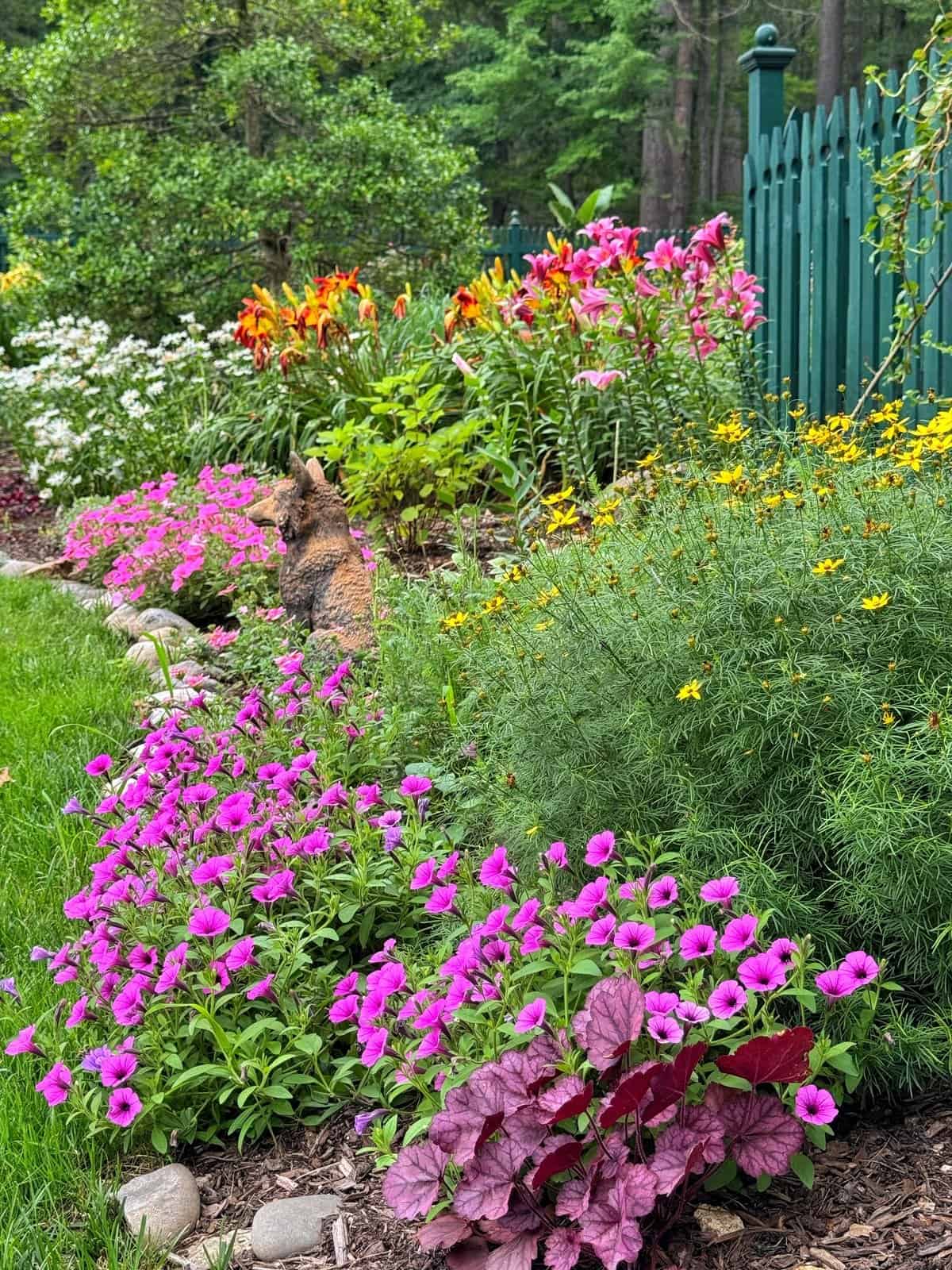
Credit: stacyling.com
Fall Planting
Fall is a wonderful time for planting garden flowers. The cooler temperatures and moist soil create the perfect conditions for roots to establish. Many flowers benefit from being planted in fall, ready to bloom when spring arrives.
Bulbs For Spring
Planting bulbs in fall ensures a vibrant spring display. Tulips, daffodils, and crocuses are popular choices. These bulbs need the winter chill to bloom beautifully. Plant them in well-drained soil to prevent rot. Choose a sunny spot for the best results.
Perennials For Next Year
Fall is ideal for planting perennials. They develop strong roots over winter. This helps them thrive in spring. Consider hardy varieties like peonies, daylilies, and hostas. These plants add lasting beauty to any garden. Mulch them well to protect against frost.
Winter Planting
Winter planting brings unique opportunities for garden enthusiasts. As the cold months approach, you can still cultivate a vibrant garden. Focus on choosing the right flowers and methods. Embrace the chill and plan strategically for a flourishing garden come spring.
Indoor Seed Starting
Start seeds indoors for a head start on the season. Choose a warm, well-lit spot in your home. Use seed trays or small pots with good drainage. Water the seeds regularly but avoid waterlogging. Consider using grow lights if natural light is limited. This ensures strong, healthy seedlings ready for transplanting in spring.
Cold-hardy Options
Opt for cold-hardy flowers that thrive in winter. Some flowers can withstand frost and low temperatures. Examples include pansies, violas, and hellebores. Plant them directly in the ground or in containers. These flowers will bloom through winter, adding color to your garden. Select the right varieties for your climate zone. This ensures a successful winter garden with minimal effort.
Regional Planting Tips
Planting garden flowers is a rewarding endeavor, but timing is everything. Different regions have unique climates, affecting the best time to plant. Understanding regional planting tips can make a world of difference in achieving a blooming success.
Northern Climates
In northern climates, the growing season is typically shorter due to colder temperatures. It’s crucial to wait until after the last frost date before planting. This often means late spring or early summer is ideal for most flowers.
Consider hardy perennials like peonies or daylilies that can withstand cooler nights. Also, starting seeds indoors can give you a head start. Have you thought about using a greenhouse or cold frame to extend your season?
Southern Climates
Southern climates enjoy a longer growing season with milder winters. You can start planting earlier in the year, often as early as February or March. However, be mindful of the intense summer heat, which can be harsh on young plants.
Opt for heat-tolerant flowers like marigolds or zinnias that can thrive under the sun. Regular watering and mulch can help retain soil moisture during dry spells. How do you plan to protect your plants from unexpected heatwaves?
Soil Preparation
Preparing the soil is a crucial step when planning to plant garden flowers. The quality and condition of your soil can make all the difference in the health and vitality of your plants. Understanding how to assess and amend your soil will set the stage for a flourishing garden.
Testing Soil Quality
Before planting, take the time to test your soil quality. You can use a simple home testing kit or send samples to a local extension service. Knowing the pH level and nutrient content helps in understanding what your soil needs.
Consider the texture and drainage as well. Is your soil sandy, clayey, or loamy? Each type has its own characteristics and can affect how well water and nutrients are retained. A simple squeeze test can help determine this.
Reflect on the results. Is your soil too acidic or too alkaline? Are there deficiencies in essential nutrients like nitrogen, phosphorus, or potassium? These insights will guide your next steps.
Amending For Success
Once you know your soil’s status, it’s time to amend it for success. Start by adding organic matter such as compost or well-rotted manure. This improves soil structure and provides vital nutrients.
Adjust pH levels if needed. Lime can raise pH in acidic soils, while sulfur can lower it in alkaline soils. Follow recommendations based on your soil test results.
Consider using fertilizers for specific nutrient deficiencies. Apply them according to package directions and avoid over-fertilization, which can damage plants.
Are you ready to transform your garden bed into a thriving ecosystem? With the right soil preparation, your flowers will have the best start possible.
:max_bytes(150000):strip_icc()/GettyImages-2166093847-2d0639b0d6db462a88d4986dd6bd18d1.jpg)
Credit: www.thespruce.com
Tools And Resources
Understanding the best time to plant garden flowers is crucial for a thriving bloom. Consider factors like regional climate and seasonal changes. Utilize online tools and gardening books to determine optimal planting periods.
When planning the perfect time to plant your garden flowers, having the right tools and resources at your disposal can make all the difference. They not only simplify the process but also enhance your gardening experience, making it both efficient and enjoyable. Whether you’re a seasoned gardener or just starting out, equipping yourself with the right gear and guidance is crucial to cultivating a blooming paradise.Essential Gardening Tools
Imagine trying to dig a hole without a shovel. The right tools can save you time and energy. Here’s a list of essentials every gardener should consider:- Gardening Gloves:Protects your hands from thorns and dirt while offering a better grip on tools.
- Hand Trowel:Ideal for digging small holes, transplanting seedlings, and removing weeds.
- Pruning Shears:Essential for trimming plants to encourage growth and remove dead or damaged stems.
- Watering Can or Hose:Ensures your flowers get the hydration they need to thrive.
- Rake:Useful for leveling soil and removing debris from your garden bed.
Helpful Online Guides
In today’s digital age, a wealth of gardening knowledge is just a click away. Many online resources can guide you in determining the best time to plant your flowers based on your region and climate. Consider exploring:- Gardening Forums:Connect with fellow gardeners to share experiences and advice.
- Planting Calendars:Websites like the Farmer’s Almanac offer detailed planting schedules tailored to your area.
- Video Tutorials:Platforms like YouTube provide visual step-by-step guides from expert gardeners.
- Gardening Blogs:Read personal experiences and tips from gardeners worldwide.
Frequently Asked Questions
What Is The Best Month To Plant Flowers?
The best month for planting flowers varies by region. In general, spring is ideal for most areas. However, warmer climates can plant in fall. Always consider frost dates and local climate conditions. Research specific flower needs for optimal growth and blooming.
Can I Plant Flowers In Winter?
Planting in winter is possible for hardy flowers. Choose varieties like pansies and violas that tolerate cold. Use mulch for protection against frost. Ensure soil is well-drained to prevent root damage. Always check your local climate zone for precise planting advice.
How Do I Prepare Soil For Planting Flowers?
Preparing soil is crucial for healthy flowers. Start by removing weeds and debris. Add compost to enrich the soil. Test pH levels to ensure compatibility with your flowers. Regularly aerate the soil to enhance drainage. Proper preparation leads to vibrant and robust blooms.
Is It Okay To Plant Flowers In Pots?
Planting flowers in pots is a great option. It offers mobility and flexibility in space. Choose pots with good drainage holes. Use quality potting mix to support growth. Regular watering and sunlight exposure are essential. Pots are perfect for small spaces or patios.
Conclusion
Planting garden flowers requires timing and care. Each season offers unique opportunities. Spring is ideal for many blooms. Summer allows vibrant growth. Fall planting prepares for next year. Consider your local climate. Check frost dates for guidance. Choose flowers suited to your region.
Pay attention to sunlight needs. Water regularly to ensure healthy growth. Enjoy the beauty and fragrance your garden provides. With planning and patience, your garden will flourish. Happy gardening!







