Thinking about starting a garden in Tennessee? Timing is everything.
Whether you’re a seasoned gardener or just getting your hands dirty for the first time, knowing when to plant can make all the difference. Imagine stepping into your backyard and picking fresh tomatoes or vibrant flowers. Sounds perfect, right? But plant too early or too late, and you might miss out on that lush garden you’re dreaming of.
In this guide, we’ll help you understand the best times to plant in Tennessee’s unique climate. You’ll learn how to align your planting schedule with the changing seasons, so your garden can thrive. Get ready to transform your outdoor space into a blooming paradise!

Credit: www.facebook.com
Climate Considerations
Planting a garden in Tennessee can be a rewarding endeavor, but understanding the climate is key to ensuring your garden thrives. Tennessee’s diverse climate offers unique challenges and opportunities for gardeners. Knowing when to plant based on climate considerations can mean the difference between a lush garden and a lackluster one.
Understanding Tennessee’s Zones
Tennessee is divided into multiple USDA hardiness zones, primarily ranging from Zone 6a to Zone 8a. These zones represent the average minimum winter temperatures, which can guide you in selecting the right plants for your garden. For example, Zone 6a is typically colder than Zone 8a, so you might choose more cold-tolerant plants if you’re in a higher altitude area.
These zones are crucial for determining planting times. If you’re in Zone 8a, you can start planting earlier in the spring compared to Zone 6a. This means you need to be mindful of the zone-specific frost dates to avoid damage to young plants. Are you familiar with your zone’s frost date?
Impact Of Seasonal Changes
The seasonal variations in Tennessee can impact your planting schedule significantly. Spring in Tennessee can be unpredictable, with sudden cold snaps that may harm tender seedlings. Keeping an eye on long-term weather forecasts can help you decide the best time to start planting.
Summer brings heat and humidity, which can be both a blessing and a curse. While warm weather accelerates growth, it also necessitates diligent watering and pest management. How do you plan to protect your plants from summer pests and drought?
Autumn provides a second chance for planting cool-season crops. The cooler temperatures can extend the growing season for vegetables like kale and broccoli, which flourish in cooler weather. Have you considered a fall garden to maximize your harvest?
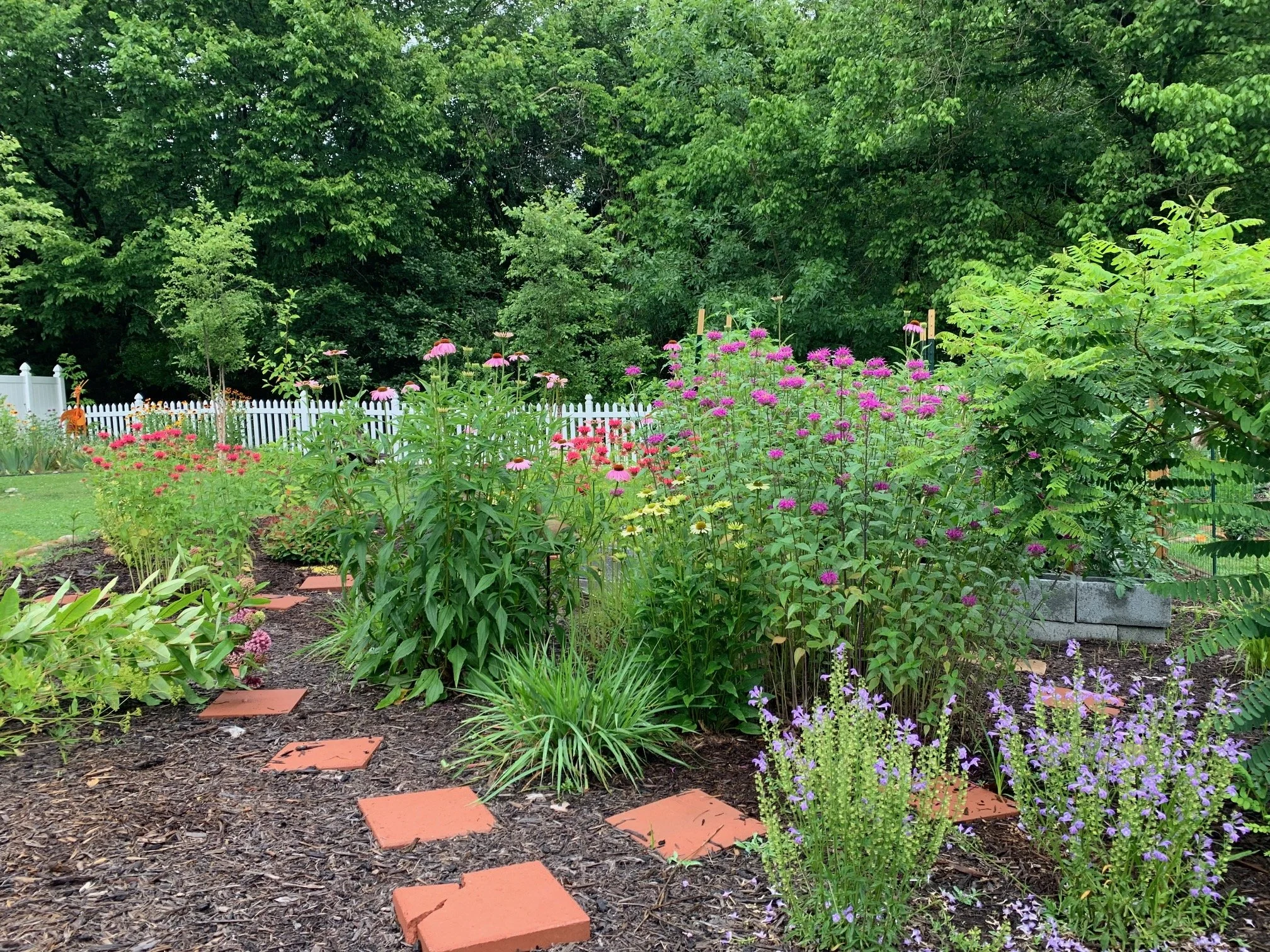
Credit: www.tennesseenaturescapes.com
Spring Planting
Spring in Tennessee is a gardener’s delight. The crisp air and blooming flowers inspire many to start planting. Timing is crucial for a successful harvest. Understanding when to plant ensures your garden flourishes throughout the season.
Best Crops For Early Spring
Early spring offers mild temperatures perfect for certain crops. Choose hardy vegetables that thrive in cooler weather. Consider planting:
- Lettuce: Grows quickly and prefers cool temperatures.
- Spinach: Packed with nutrients and easy to grow.
- Peas: Enjoy the crisp taste of fresh garden peas.
- Radishes: Harvest fast and add crunch to salads.
These crops are resilient. They can endure unexpected cold snaps. Select varieties suitable for your region. Check the seed packet for ideal planting dates.
Preparing Soil For Spring Growth
Healthy soil is key for successful planting. Start by cleaning your garden beds. Remove debris and old plant material. This prevents disease and pests.
Test soil quality before planting. Use a kit to check pH and nutrient levels. Adjust as needed. Add compost or organic matter to enrich the soil. This improves texture and fertility.
Consider tilling the soil lightly. This aerates the ground and helps roots grow. Be careful not to over-till. Too much can disrupt soil structure.
Water the soil well before planting. Moist soil helps seeds germinate. Monitor moisture levels as the season progresses.
Summer Planting
Plant your garden in Tennessee around mid-April. This ensures plants grow after the last frost. Early summer offers ideal conditions for many plants.
Summer planting in Tennessee offers a unique opportunity for gardeners. This season comes with its own set of challenges and benefits. The warm weather allows certain crops to thrive, but it also requires special care.Heat-resistant Varieties
Choosing the right plants is crucial for summer gardening. Heat-resistant varieties can handle Tennessee’s high temperatures. Consider planting tomatoes, peppers, and eggplants. These plants love the sun and grow well in hot weather. Okra and sweet potatoes are other great choices. They flourish when the sun shines bright.Watering Tips For Hot Weather
Watering is key in the summer heat. Early morning is the best time to water. This allows plants to absorb moisture before it evaporates. Aim for deep watering once or twice a week. This encourages roots to grow deeper. Use mulch to help retain soil moisture. It also keeps roots cool and healthy.Fall Planting
Fall planting in Tennessee offers unique opportunities for gardeners. The cooler weather can be ideal for certain crops. It provides a chance to extend the gardening season. Understanding the best options for fall planting can lead to a bountiful harvest.
Cool Season Vegetables
Fall is perfect for cool season vegetables. These plants thrive in cooler temperatures. Some popular choices include:
- Broccoli
- Cabbage
- Carrots
- Spinach
These vegetables can be planted directly in the soil. They often grow better with less pest pressure. Frost can enhance the sweetness of some crops like carrots.
Extending The Growing Season
Fall planting can extend your garden’s productivity. Use row covers to protect plants from early frosts. Cold frames can also shield young plants. Mulching helps retain soil warmth and moisture.
Planting in the fall can mean fresh produce when others are closing their gardens. With the right techniques, Tennessee gardeners can enjoy a longer harvest.
Winter Preparations
Timing is key for planting a garden in Tennessee. Start cool-season crops like lettuce and spinach in early spring. Warm-season vegetables such as tomatoes thrive when planted after the last frost in late April.
Winter preparations are key to a thriving garden in Tennessee. As temperatures drop, it’s time to protect your plants and plan for the next growing season. Taking the right steps now can ensure a beautiful garden come spring.Protecting Perennials
Perennials need special care during the cold months. Mulch provides insulation against frost. Spread a thick layer around the base of your plants. This helps retain moisture and temperature. Check for signs of disease or pests. Remove affected leaves to prevent spread. Cut back any dead stems to encourage new growth in spring. Cover delicate perennials with burlap or garden fabric for extra protection. Keep an eye on the weather. If sudden frost is forecasted, consider adding an extra layer of mulch. This can shield roots from extreme cold.Planning For Next Year
Winter is perfect for planning next year’s garden. Review what worked and what didn’t this year. Make notes on plant performance and soil conditions. Sketch a layout for your spring garden. Consider crop rotation to maintain soil health. Research new plant varieties that thrive in Tennessee’s climate. Order seeds early. This ensures you get the best selection. Check your gardening tools for wear and tear. Repair or replace them before spring arrives. Set goals for your garden. Whether it’s more flowers or vegetables, have a clear vision. This helps guide your efforts when planting season begins.
Credit: www.tnnursery.net
Tools And Resources
Understanding Tennessee’s climate is key to successful gardening. Use local planting calendars and soil testing kits for optimal results. Access online forums for advice on regional planting schedules and tips.
Planting a garden in Tennessee requires careful planning and preparation. An essential part of this process is having the right tools and resources. Equipping yourself properly not only makes the gardening task easier but also increases the chances of your plants thriving. From selecting the right equipment to tapping into local gardening support, these resources will be your guiding light on the path to a flourishing garden.Choosing The Right Equipment
Selecting the appropriate tools can significantly impact your gardening experience. A sturdy shovel and a reliable pair of gloves are indispensable for any gardener. They help you dig, plant, and protect your hands from rough materials and dirt. Consider investing in a high-quality watering can or hose with adjustable settings. This ensures your plants receive the right amount of water without over-soaking the soil. For those with limited space, raised beds and containers can be a great option. They provide flexibility and help manage soil quality and pest control effectively.Local Gardening Support
Tennessee offers a wealth of local resources that can support your gardening endeavors. Check out community gardening clubs and workshops for hands-on advice and shared experiences. These gatherings can provide you with valuable insights into regional climate challenges and seasonal planting tips. Local nurseries and gardening centers are treasure troves of information. Their staff often includes seasoned gardeners who can advise you on selecting plant species that thrive in Tennessee’s specific conditions. Are you making the most of social media? Platforms like Facebook and Instagram host groups dedicated to local gardening enthusiasts. They offer a space for exchanging ideas, troubleshooting, and sharing success stories. With the right tools and community support, you can transform your gardening journey into a rewarding experience. What tools and resources have you found indispensable in your gardening adventures?Frequently Asked Questions
When Is The Best Time To Plant In Tennessee?
The ideal time to plant in Tennessee is during the spring and fall. Spring planting is typically best from late March to early May. Fall planting is recommended from late August to early October. These periods provide optimal soil temperatures and conditions for most plants to thrive.
Can I Plant In Tennessee During Summer?
Planting in summer in Tennessee is possible but challenging due to heat. Focus on heat-tolerant plants and ensure consistent watering. Mulching helps retain soil moisture and protect roots. Early morning or late evening planting reduces stress on plants. Consider using shade cloths for added protection.
What Vegetables Grow Well In Tennessee?
Tennessee’s climate supports a variety of vegetables, including tomatoes, peppers, and cucumbers. Leafy greens like lettuce and spinach thrive in the cooler months. Root vegetables such as carrots and radishes can be planted in spring and fall. Ensure soil is well-drained and enriched with compost for best results.
How Does Tennessee’s Climate Affect Planting?
Tennessee’s climate, with its hot summers and mild winters, influences planting schedules. Spring and fall are optimal for most plants. Summer heat requires careful watering and plant selection. Winter is generally mild, allowing for certain cold-weather crops. Understanding local frost dates and temperature variations is crucial for successful gardening.
Conclusion
Choosing the right time to plant ensures a thriving garden. Spring and fall are best for most plants in Tennessee. Cool-season crops like lettuce thrive in early spring. Warm-season vegetables like tomatoes need late spring warmth. Fall is perfect for hardy greens and root vegetables.
Timing depends on your region’s climate and frost dates. Use a calendar to track planting schedules. Adjust based on local weather conditions. A well-timed planting leads to a bountiful harvest. So, plan wisely and watch your garden flourish. Happy gardening in Tennessee!