Are you dreaming of lush tomatoes, crisp lettuce, or vibrant sunflowers in your Kansas backyard? Knowing the right time to plant your garden is crucial for a bountiful harvest.
Whether you’re a seasoned gardener or just getting your hands dirty for the first time, understanding Kansas’s unique climate can make or break your gardening success. Imagine stepping outside to a garden full of thriving plants, fresh fruits, and vegetables ready for picking.
Sounds like a dream, right? Dive into this article to discover the secrets of when to plant your garden in Kansas, and turn that dream into a reality. Your future garden is waiting—let’s get started!
Kansas Climate Overview
Kansas experiences a continental climate with hot summers and cold winters. Ideal planting time for gardens is late spring. This ensures plants thrive without frost risk.
Kansas Climate Overview Kansas is a state with diverse weather patterns. Its climate varies from humid continental to semi-arid. This means the state experiences cold winters and hot summers. Spring and fall bring milder conditions, ideal for planting gardens. The growing season in Kansas is influenced by several factors. Understanding these can help plan a successful garden. Let’s delve into key aspects of Kansas climate.Temperature Variations
Kansas sees significant temperature swings. Winters are cold, often below freezing. Summers can reach scorching highs above 90°F. This range impacts planting times. Gardeners must consider frost dates and heat tolerance.Precipitation Patterns
Rainfall in Kansas varies across regions. Eastern Kansas is wetter, receiving more rain. Western parts are drier, with less precipitation. Knowing your region’s rainfall helps in choosing the right plants. Irrigation might be necessary in drier areas.Wind Conditions
Wind is a notable factor in Kansas. Strong winds are common, especially in spring. These winds can affect young plants. Windbreaks or protective structures may be useful.Growing Season Length
The growing season varies by location. It typically spans from April to October. This period allows for successful cultivation of many crops. Understanding the length helps in planning planting and harvesting times.Soil Types And Quality
Kansas soil ranges from clay to sandy loam. Soil type affects drainage and nutrient availability. Testing soil quality can guide amendments for better growth. Knowing your soil type is crucial for a thriving garden.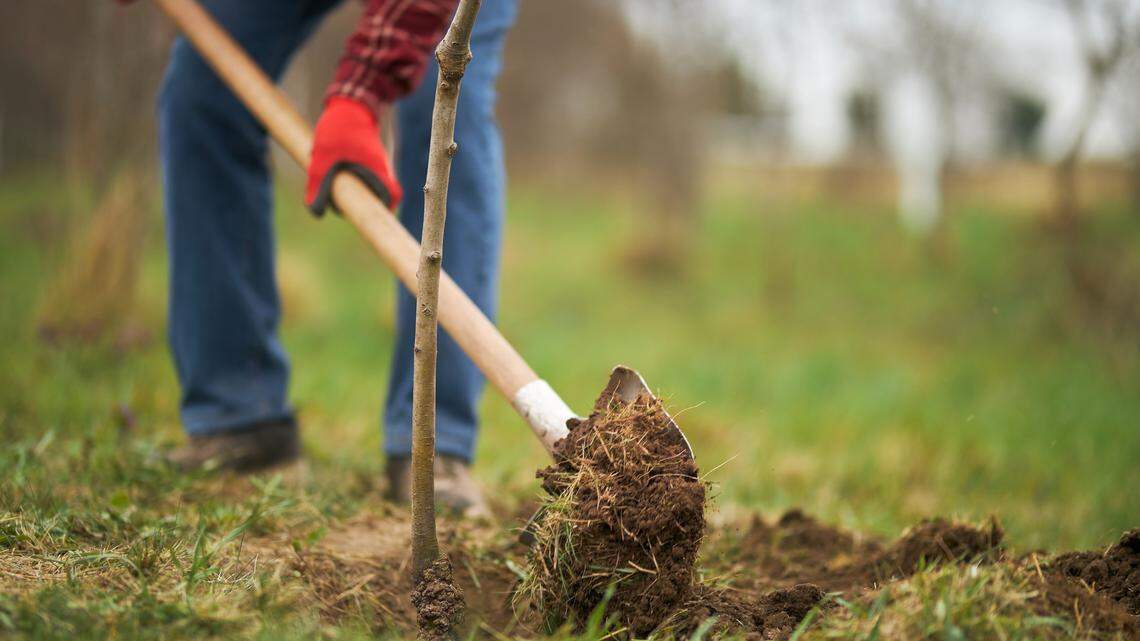
Credit: www.kansas.com
Spring Planting Tips
Spring is a wonderful time to start a garden in Kansas. The soil warms up, and the days grow longer. This makes it perfect for planting. To ensure a successful garden, follow these spring planting tips.
Best Vegetables For Spring
Choosing the right vegetables is crucial. Some vegetables thrive in the cool spring weather. Consider these options:
- Carrots
- Lettuce
- Peas
- Radishes
- Spinach
These vegetables grow well in cooler temperatures. They are also easy to manage for beginners.
Optimal Timing For Spring Planting
Timing is key for a successful spring garden. In Kansas, the last frost date is usually in April. Check the local frost calendar for accuracy. Plant cool-season vegetables 2-4 weeks before this date.
Warm-season vegetables require more caution. Wait until the soil is consistently warm. This is typically after the last frost date. This ensures the best growth conditions.
Summer Planting Strategies
Understanding Kansas’s climate is crucial for successful summer planting. Optimal times for planting vary with each plant. Generally, late April to early May is ideal for most vegetables.
Summer in Kansas can be a challenging time for gardeners. The heat can be intense, and plants need extra care. But with the right strategies, your garden can thrive even in the hottest months. Choosing the right plants and watering effectively are key. Let’s explore some summer planting strategies to help your Kansas garden flourish.Heat-tolerant Plants
Select plants that can handle the Kansas heat. Some plants thrive in hot conditions. Consider options like tomatoes, peppers, and eggplants. These vegetables love the sun and grow well in warm soil. Okra and sweet potatoes are also good choices. They have deep roots that find moisture in dry soil. For flowers, try zinnias and marigolds. They add color and withstand heat.Watering Techniques For Summer
Watering correctly can make a big difference. Water in the early morning or late evening. This helps reduce evaporation. Use mulch to keep soil moisture. It also keeps the soil temperature down. Soaker hoses and drip irrigation work well. They target water to the roots. Avoid overhead watering. It can lead to fungal diseases. Check soil moisture regularly. Ensure it stays damp but not waterlogged.
Credit: weather.com
Fall Planting Suggestions
Kansas gardeners should plant fall crops when temperatures cool, typically late August to September. Choose hardy varieties like kale, spinach, and garlic for successful growth.
Fall is a great time to start a garden in Kansas. The cooler temperatures provide the perfect conditions for many crops. As summer’s heat fades, consider planting vegetables that thrive in autumn. These plants can withstand light frosts and grow well in shorter days. Let’s explore some fall planting suggestions to help you get the most from your garden.Fall Vegetables To Consider
Certain vegetables flourish in fall’s cooler climate. Consider planting leafy greens like spinach and kale. They grow quickly and tolerate chilly nights. Root vegetables such as carrots and radishes are also ideal for fall planting. They develop sweeter flavors in cooler weather. Don’t forget about broccoli and cabbage. These hardy veggies thrive in the crisp air and are less prone to pests.Timing For Fall Crops
Timing is key for a successful fall garden in Kansas. Start by checking the first frost date in your area. This helps determine when to plant your crops. Most fall vegetables should be planted 6 to 8 weeks before the first frost. For example, plant spinach and lettuce in late August to early September. Root vegetables like carrots and turnips can be started around the same time. Pay attention to the growth period of each vegetable. This ensures they reach maturity before the cold sets in.Winter Preparations
Winter in Kansas can be tough for gardens. Preparing your garden for winter is essential. This ensures your plants survive until spring. Let’s explore ways to protect your garden.
Protecting Plants From Frost
Frost can damage your plants. Cover them with burlap or cloth sheets. Use stakes to keep the cover above the plants. This creates a small warm area. Water your plants before a frost. Wet soil retains heat better than dry soil.
Indoor Gardening Options
Some plants can’t handle the cold. Bring them inside your home. Choose a bright spot near a window. This gives them the light they need. Containers work well for indoor plants. Ensure they have good drainage. Overwatering can harm indoor plants.

Credit: www.centralkansas.k-state.edu
Regional Considerations
Planting a garden in Kansas requires understanding regional variations. Kansas has diverse climates across its regions. This diversity impacts planting schedules and crop choices. Knowing the specifics of your area helps ensure a successful garden. Let’s explore the unique needs of Western and Eastern Kansas.
Western Kansas
Western Kansas experiences a semi-arid climate with less rainfall. This region often faces hotter summers and colder winters. Consider planting drought-resistant crops like corn and wheat. These thrive in drier conditions. The growing season starts later, usually in late April. Soil preparation is crucial due to sandy textures. Add organic matter to improve soil fertility.
Eastern Kansas
Eastern Kansas enjoys a more temperate climate with greater rainfall. This area supports a wider variety of plants. You can start planting earlier, often in late March. Vegetables like tomatoes and peppers do well here. Rich, loamy soil offers good drainage. Regular watering keeps plants healthy during dry spells.
Frequently Asked Questions
What Is The Best Month To Plant In Kansas?
The best month to plant in Kansas is typically April. This is when the soil is warm enough for seeds to germinate. Cool-season crops can be planted earlier, in March. Always consider local frost dates to avoid damage to young plants.
When Should I Start Seeds Indoors In Kansas?
Start seeds indoors in Kansas about 6-8 weeks before the last frost. This usually means beginning in late February or early March. This timing ensures seedlings are strong enough for transplanting outdoors in spring. Adjust timing based on specific plant types and local climate conditions.
How Late Can You Plant Vegetables In Kansas?
In Kansas, you can plant vegetables as late as July or August. This is ideal for fall-harvest crops like carrots, broccoli, and cabbage. Ensure you choose varieties with shorter growing seasons. Check local frost dates to ensure vegetables mature before the first frost.
What Vegetables Grow Best In Kansas?
Vegetables like tomatoes, peppers, and cucumbers thrive in Kansas. Cool-season crops like lettuce and spinach also do well. Consider planting beans, squash, and corn for a diverse garden. Always choose varieties suited to Kansas’s climate and growing conditions for the best results.
Conclusion
Planting a garden in Kansas? Timing is key. Spring is ideal for most vegetables. April to May works best. Warm-season plants thrive in late spring. Summer crops need heat. June planting suits them well. Fall gardens offer another chance. August through September.
Cooler weather supports leafy greens. Each season has unique opportunities. Consider local frost dates. Plan accordingly for success. Your garden will thank you. Enjoy the beauty and bounty! Gardening brings joy and fresh produce. Tailor your planting to Kansas weather.
Grow with the seasons. Happy gardening!