Picture this: your very own garden, bursting with vibrant colors and fresh scents, right in your backyard. Planting garden seeds indoors is the first step to making this dream a reality.
But here’s the catch—timing is everything. Plant too early, and your seedlings might outgrow their space before it’s safe to move them outside. Plant too late, and you miss the prime growing season. So, how do you get it just right?
We’re going to dive into the secrets of perfect timing for planting your garden seeds indoors. You’ll discover how to align your planting schedule with nature’s rhythm, giving your plants the best start in life. Ready to unlock the secrets of successful gardening? Let’s dig in!
Benefits Of Indoor Seed Starting
Starting seeds indoors allows for a head start on the growing season. This approach protects seeds from unpredictable weather. It also ensures healthier seedlings for successful transplanting.
Starting your garden seeds indoors can be a game changer for your gardening experience. It offers a plethora of advantages that can significantly improve your gardening success. Whether you’re a novice or a seasoned gardener, the benefits of indoor seed starting can be incredibly rewarding.Extended Growing Season
One of the biggest perks is having an extended growing season. By starting seeds indoors, you get a head start on the growing season. This means you can enjoy your favorite fruits and vegetables longer than usual. Imagine having fresh tomatoes from your garden as early as May! Starting seeds indoors allows you to bypass the unpredictable early spring weather. This way, when the last frost is over, your seedlings are already strong and ready to thrive outdoors.Controlled Environment
Indoor seed starting provides you with a controlled environment. You can manage the temperature, light, and humidity that your seeds need for optimal growth. This control can lead to healthier seedlings and fewer losses. You won’t have to worry about sudden frost or heavy rain damaging your fragile seedlings. Plus, you can avoid pests that might otherwise feast on your sprouts before they even have a chance to grow.Early Harvest
Who doesn’t love an early harvest? By starting seeds indoors, you can enjoy the fruits (or vegetables) of your labor weeks earlier than your neighbors who plant directly in the ground. This can be especially beneficial if you’re growing crops that have a long maturation period, like peppers or eggplants. Having an early harvest not only gives you fresh produce sooner but also allows for multiple harvests throughout the growing season. Imagine the satisfaction of picking your first ripe strawberry while others are just starting to see blooms. Starting seeds indoors is not just a task; it’s an opportunity to experiment and learn. Have you tried it yet? How did it change your gardening game?
Credit: www.tiktok.com
Choosing The Right Seeds
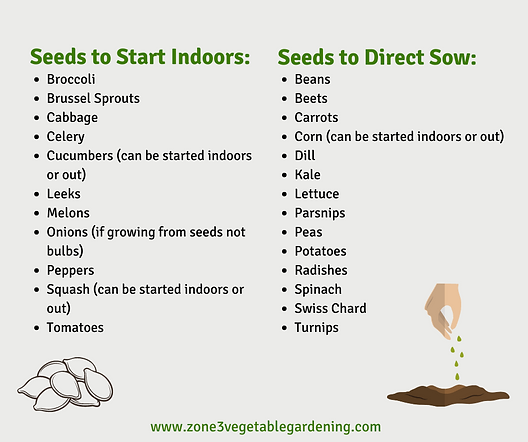
Timing matters for planting garden seeds indoors. Start six to eight weeks before the last frost date. Choose seeds that thrive in early indoor conditions, like tomatoes or peppers.
Choosing the right seeds for indoor planting can be the key to a successful garden. It’s not just about grabbing any seed packet you find at the store. Different plants have unique needs and timelines. When you match the right seeds with your indoor environment, you’re setting the stage for robust growth and a bountiful harvest. Knowing which seeds to start indoors gives you a head start on the growing season.Vegetables Suitable For Indoor Start
Starting vegetables indoors is like giving them a warm, cozy head start. Tomatoes and peppers, for example, thrive with this approach. These plants need a long growing season, and starting them inside can add precious weeks to their development. Broccoli, cabbage, and cauliflower also benefit from indoor starts. They germinate well in a controlled environment and are ready to face the elements once transplanted. If you’ve ever struggled with stunted seedlings outdoors, try starting these cool-weather lovers inside.Flowers Ideal For Early Planting
Many flowers flourish when given an early indoor start. Marigolds and zinnias are excellent choices for a burst of color. These flowers grow quickly and can bring life to your garden long before the last frost. Snapdragons and petunias are also perfect for indoor germination. They take longer to mature and benefit from the controlled conditions of indoor planting. Imagine your garden filled with blooms just as the first warm days of spring arrive.Herbs For Indoor Germination
Herbs like basil and cilantro are perfect candidates for indoor starts. They grow quickly and can provide fresh flavors to your dishes almost year-round. Starting them indoors ensures a steady supply for your kitchen. Parsley and dill are also great choices for early planting. They take longer to germinate, making an indoor start an ideal way to ensure they thrive. Think about the convenience of snipping fresh herbs as you cook, right from your indoor garden. Choosing the right seeds for indoor planting is about preparation and foresight. With the right choices, you’ll enjoy a thriving garden full of healthy vegetables, vibrant flowers, and aromatic herbs. Are you ready to take your gardening to the next level?Optimal Timing For Indoor Planting
Planting garden seeds indoors can be a rewarding endeavor, transforming your home into a nurturing haven for new plant life. To set the stage for successful growth, understanding the optimal timing for indoor planting is crucial. With a bit of planning, you can align your indoor planting schedule with nature’s rhythm, ensuring your seedlings thrive when transferred outdoors.
Understanding Frost Dates
The first step in determining when to plant seeds indoors is understanding frost dates. These dates indicate when the last frost is expected in your area, which is vital for planning the transition of your seedlings outdoors. Knowing this helps you avoid the risk of frost damaging your young plants.
Frost dates vary significantly depending on your location. A quick search online or consultation with local gardening centers can provide you with precise dates. Keep these in mind as they form the baseline for your planting schedule.
Calculating Planting Schedule
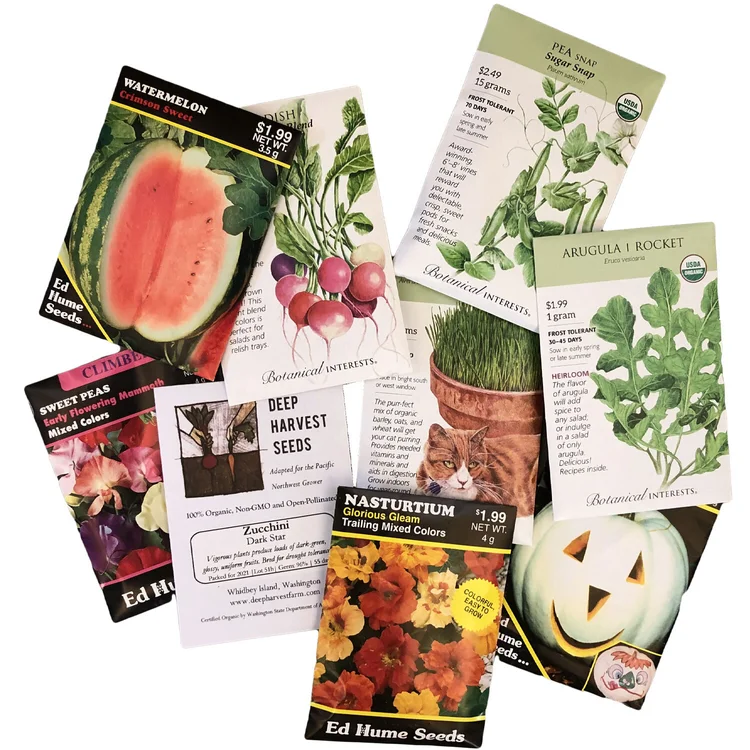
Once you have your frost dates, calculating your planting schedule becomes simpler. Most seed packets offer guidance on when to start seeds indoors based on the last frost date. Typically, this ranges from 4 to 8 weeks before the expected last frost.
Create a calendar reminder to keep yourself on track. It’s helpful to organize your seed packets by planting time, ensuring you plant each variety when they’re most likely to thrive.
Regional Considerations
Regional climate plays a crucial role in determining your planting schedule. While frost dates are a great starting point, you should also consider other regional factors such as average temperature and daylight hours.
If you live in a region with unpredictable weather, you might need to adjust your indoor planting times accordingly. Have you ever started seedlings indoors only to find a surprise cold snap ruined your outdoor plans? Learning from such experiences can guide you in making better timing decisions.
Aligning your indoor planting schedule with local conditions maximizes your garden’s success. So, are you ready to start your indoor planting journey, armed with the right timing strategy? Embrace the process and watch your garden flourish!
Credit: www.swansonsnursery.com
Essential Equipment For Indoor Seed Starting
Starting seeds indoors can jumpstart your garden. Begin planting 6-8 weeks before the last frost. Essential equipment includes seed trays, grow lights, and a warm space.
Starting your garden seeds indoors can be a rewarding endeavor, especially when the weather outside isn’t quite ready for planting. To ensure success, you’ll need the right equipment. This equipment not only nurtures your seeds but also simulates the perfect growing environment. Let’s dive into the essentials you’ll need for indoor seed starting.Seed Trays And Pots
Seed trays and pots are fundamental for organizing and nurturing your seeds. They come in various sizes, allowing you to start multiple seeds in a compact space. Opt for trays with drainage holes to prevent waterlogging, which can lead to root rot. Consider using biodegradable pots if you want a seamless transition to outdoor planting. These can be planted directly into the soil, minimizing transplant shock.Grow Lights
Grow lights are crucial for providing adequate light, especially during shorter winter days. Natural sunlight might not be enough, and grow lights mimic the sun’s rays to promote healthy growth. LED grow lights are energy-efficient and provide the full spectrum of light necessary for photosynthesis. Position them close to the plants but not too close to avoid scorching. Adjusting the light height as your plants grow is key to preventing leggy seedlings.Heating Mats
Heating mats offer consistent warmth to help your seeds germinate faster. Many seeds require warm soil to sprout, and heating mats provide this controlled heat. They are especially useful for seeds that thrive in higher temperatures, such as peppers and tomatoes. Place your seed trays on these mats to maintain optimal soil temperature. Remember to monitor the temperature closely to ensure it doesn’t get too hot, as this can damage the seeds. With the right equipment, you can create an indoor seed-starting paradise that boosts your gardening success. Are you ready to transform your home into a thriving seed nursery?Preparing Seeds For Indoor Planting
Plant garden seeds indoors about 6-8 weeks before the last expected frost date. This timing allows seedlings to grow strong before outdoor planting. Adjust based on your region’s climate and specific plant needs.
Preparing seeds for indoor planting is a crucial step in gardening. It ensures strong plant growth and successful harvests. By starting seeds indoors, you give plants a head start. This is especially helpful in areas with short growing seasons. Let’s explore key techniques for preparing seeds indoors.Seed Treatment Techniques
Some seeds need special treatment before planting. This process helps improve germination rates. Techniques include soaking seeds in water for 24 hours. This softens the seed coat and speeds up sprouting. Scarification is another method. It involves gently scratching the seed surface. This helps water penetrate and start the germination process. Cold stratification is useful for seeds that need a winter chill. Place seeds in a refrigerator for a few weeks. This mimics natural cold conditions.Soil And Medium Selection
Choosing the right soil is vital for seed growth. Use a light, well-draining mix. Seed-starting mixes are perfect for this purpose. They provide a balance of moisture and air. These mixes often lack nutrients. Once seedlings sprout, feed them with a gentle fertilizer. Avoid using garden soil indoors. It may contain pests or diseases that harm young plants.Watering And Moisture Control
Proper watering is essential for seed germination. Keep the soil consistently moist but not soggy. Overwatering can drown seeds and cause rot. Use a spray bottle for gentle watering. This avoids disturbing the seeds. Covering the seed tray with plastic wrap helps retain moisture. Remove the cover once seeds sprout. This prevents mold from forming. Monitor moisture levels regularly and adjust as needed.Transplanting Indoor Seedlings Outdoors
Plant garden seeds indoors 6-8 weeks before the last expected frost. This timing allows seedlings to grow strong. Transition them outdoors gradually to prevent shock.
Transplanting seedlings from your indoor haven to the great outdoors is a thrilling step in your gardening journey. The transition requires careful consideration and preparation to ensure your plants thrive in their new environment. With the right techniques, your seedlings can flourish and reward you with a bountiful garden.Hardening Off Process
Before your seedlings make their outdoor debut, they need to be acclimatized. This process, known as hardening off, involves gradually exposing them to outdoor conditions. Start by placing them outside for a few hours a day, increasing the duration over a week. Choose a spot shielded from strong winds and direct sunlight initially, gradually moving them to more exposed areas. Think of it as a gentle introduction to their new home. Have you ever felt overwhelmed by a sudden change? Your plants might too, without proper acclimatization!Choosing The Right Timing
Timing is everything when transplanting seedlings outdoors. You don’t want to rush them into a chilly environment or expose them to unpredictable weather. Check the local frost dates and ensure the risk of frost has passed. Generally, a couple of weeks after the last frost date is a safe bet. Consider factors like day length and temperature. Does your region have a steady climate, or is it prone to sudden cold snaps?Planting Techniques
When it’s time to plant, technique matters. Ensure the soil is well-prepared, rich, and aerated. Dig holes that accommodate the root systems without crowding them. A helpful tip is to plant on a cloudy day or in the evening to reduce transplant shock. Water immediately after planting to settle the soil around the roots. Have you ever tried planting during the hottest part of the day? It’s a recipe for wilted plants! Aim for cooler hours to give your seedlings the best start.Common Mistakes To Avoid
Growing garden seeds indoors can be a rewarding venture, but it’s easy to fall into common pitfalls that hinder plant growth. Avoiding these mistakes can save you time and ensure your plants thrive. Let’s dive into these common errors, so you can nurture your indoor garden successfully.
Overwatering Issues
One of the most frequent mistakes is overwatering. It’s tempting to water seeds excessively, thinking you’re helping them grow. However, too much water can drown the seeds and lead to root rot.
Check the soil moisture before watering. A quick test is to stick your finger into the soil about an inch deep. If it’s dry, it’s time to water; if not, hold off. You can also use a spray bottle for gentle watering to avoid soil saturation.
Insufficient Light Exposure
Light is crucial for seedling development. Many indoor gardeners underestimate the amount of light needed, resulting in weak and leggy plants.
Natural sunlight is best, but if your home doesn’t get enough, consider using grow lights. Place them close to the seedlings and keep them on for 12-16 hours a day. This helps mimic natural daylight conditions.
Ignoring Temperature Requirements
Seeds need the right temperature to germinate effectively. Ignoring this can delay growth or prevent germination altogether.
Most seeds thrive in temperatures between 65°F and 75°F. Use a thermometer to monitor the area where you’re growing your seeds. Adjust your heating or cooling as necessary to maintain optimal conditions.
Have you ever wondered how some gardeners effortlessly grow lush plants indoors? It’s often because they pay close attention to these temperature cues.
Credit: www.swansonsnursery.com
Frequently Asked Questions
When Is The Best Time To Start Seeds Indoors?
The best time to start seeds indoors depends on the plant type and your climate. Generally, it’s 6-8 weeks before the last expected frost. This ensures seedlings are strong enough for transplanting when outdoor conditions improve.
How Do I Know When To Plant Seeds Indoors?
You can determine the right time by checking seed packets for specific instructions. Additionally, consider your local frost dates and plant growth cycles. This helps ensure your indoor seedlings are ready for transplanting when outdoor conditions are optimal.
Should I Start Seeds Indoors Or Outdoors?
Starting seeds indoors gives you control over temperature and light. It’s ideal for plants needing longer growing seasons. This method helps ensure healthy seedlings before transplanting outdoors, especially in regions with short growing seasons.
What Seeds Should I Plant Indoors First?
Start with seeds that require longer growing periods, like tomatoes, peppers, and broccoli. These plants benefit from early indoor planting. Starting them indoors gives them a head start, ensuring strong growth and better yields once transplanted outdoors.
Conclusion
Planting seeds indoors offers a head start for your garden. Timing is crucial for success. Research your local climate and plant needs. Start with easy-to-grow seeds like tomatoes or peppers. Use quality soil and containers with drainage holes. Keep your seedlings warm and well-lit.
Be patient, and monitor growth regularly. Transplant outside when conditions are right. This careful planning ensures a thriving garden. Happy planting!