Imagine stepping outside to a vibrant, lush garden filled with your favorite flowers and fresh vegetables. The simple pleasure of harvesting your own produce or enjoying a colorful bloom is priceless.
You might be wondering when is the best time to plant your garden to achieve this dream. Timing is crucial, and it can make all the difference in the success of your garden. Whether you’re a seasoned gardener or just starting out, knowing the ideal planting time will maximize your garden’s potential.
Dive into this guide, and discover how you can transform your outdoor space into a thriving oasis. Your garden awaits – let’s find the perfect time to start planting!
Credit: www.housedigest.com
Seasonal Considerations
Understanding seasonal considerations is key to successful gardening. Each season offers unique conditions for planting. Knowing these can help you plan effectively. Let’s explore what each season brings to the table.
Spring Planting Benefits
Spring is a favored season for planting. The soil warms up, promoting seed germination. Rainfall is typically abundant, reducing the need for watering. Longer daylight hours support plant growth. Many vegetables and flowers thrive in spring. It’s an ideal time for cool-season crops. Peas, lettuce, and spinach do well. Spring also allows for early bloomers like tulips.
Summer Challenges
Summer presents challenges for gardeners. High temperatures can stress plants. Watering becomes crucial to maintain moisture. Heat-loving plants, like tomatoes, thrive in summer. But, weeds grow faster too. Pest activity increases during summer months. It’s important to monitor and manage these issues. Mulching helps retain soil moisture. Shading can protect delicate plants from intense sun.
Fall Opportunities
Fall offers unique gardening opportunities. Cooler temperatures are ideal for root vegetables. Carrots and beets can be planted now. Fall is also great for leafy greens. Spinach, kale, and chard love cooler weather. Planting in fall can extend harvest into winter. Soil remains warm enough for root development. Fall is a good time for planting perennials. They establish roots before winter.
Winter Preparations
Winter is a time for preparation. Protecting plants from frost is essential. Use mulch to insulate soil and roots. Plan your garden layout for the next season. Winter is good for pruning trees and shrubs. It helps prepare them for spring growth. Start seeds indoors for early spring planting. Order seeds and supplies to be ready. Clean and maintain gardening tools during this time.
Regional Climate Influences
Choosing the right time to plant a garden depends on regional climate influences. Climate varies greatly across different areas, affecting planting schedules. Understanding these influences helps in making informed gardening choices.
Understanding Hardiness Zones
Hardiness zones guide gardeners on plant survival in specific climates. These zones are defined by average winter temperatures. Knowing your zone helps choose plants suited to your area. The USDA provides a map that outlines these zones clearly. Consult this map to understand your region’s zone and plan accordingly.
Microclimates Impact
Microclimates are small areas with unique weather conditions. They vary even within the same hardiness zone. Factors like elevation, wind patterns, and nearby bodies of water create microclimates. Recognizing these can optimize planting strategies. Consider the specific conditions in your garden area for better results.
Adapting To Weather Variability
Weather can be unpredictable, affecting garden health. Unexpected frost or rain can impact plant growth. Keep an eye on weather forecasts for sudden changes. Adjust planting plans based on these predictions. This adaptation ensures plants thrive despite variable conditions.
Soil And Environmental Factors
Understanding soil and environmental factors is crucial for a thriving garden. These elements determine when to plant and how well plants grow. By focusing on soil temperature, moisture, sunlight, and frost dates, you can improve your gardening success.
Soil Temperature And Moisture
Soil temperature affects seed germination and plant growth. Most seeds need specific temperatures to sprout. Use a soil thermometer for accurate readings. Warm-season crops, like tomatoes, prefer soil above 60°F. Cool-season crops, like lettuce, thrive in cooler soils. Moisture levels also matter. Plants struggle in dry or overly wet soil. Test soil by squeezing a handful. It should be damp but not dripping.
Sunlight Requirements
Sunlight is essential for photosynthesis. Most vegetables need full sun. This means six or more hours of direct sunlight daily. Observe your garden’s sun patterns. Note areas with morning or afternoon shade. Use this information to plan your garden layout. Plant sun-loving crops like peppers in the sunniest spots. Shade-tolerant plants like spinach can grow in less sunny areas.
Frost Dates And Considerations
Frost dates mark the last spring frost and first fall frost. These dates guide planting schedules. Plant too early, and frost may kill seedlings. Plant too late, and crops might not mature. Check local frost dates online or at garden centers. Use them to time your planting. Protect young plants with row covers if frost threatens unexpectedly. This can extend your growing season.
Plant Type And Timing
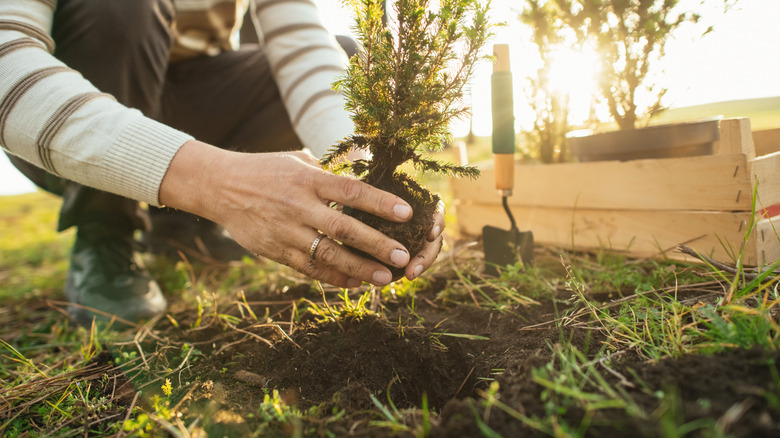
Choosing the right time to plant is crucial for garden success. Spring is ideal for most plants, while fall suits trees and shrubs. Timing depends on climate and plant type, ensuring healthy growth and a bountiful harvest.
Planting a garden is a rewarding endeavor that requires careful consideration of plant types and their optimal planting times. Your garden’s success hinges on understanding the specific needs of different plants. Timing is crucial, as planting too early or too late can affect growth and yield. Let’s delve into the best planting times for various plant types.Annuals Vs. Perennials
Annuals and perennials have distinct planting times. Annuals, which complete their life cycle in one season, thrive when planted after the last frost in spring. They need warm soil to germinate and grow robustly. Perennials, on the other hand, can be planted in either spring or fall. Planting in spring allows them to establish roots before the hot summer months. Fall planting gives them a head start for the following spring, especially if you’re dealing with harsher climates.Vegetables And Herbs
Timing your vegetable and herb garden is all about understanding the growing season. Cool-season vegetables like lettuce and spinach can be planted as soon as the soil can be worked in spring. They flourish in cooler temperatures and can even withstand a light frost. Warm-season vegetables, such as tomatoes and peppers, require warmer soil and air temperatures. Plant these after the danger of frost has passed. If you love fresh herbs, many, like basil, also prefer the warmth and should be planted alongside your warm-season veggies.Fruit Trees And Shrubs
Fruit trees and shrubs often have specific planting guidelines. Most fruit trees, like apple and cherry, are best planted in early spring or late fall. This timing allows them to establish roots without the stress of extreme weather conditions. Berry shrubs, such as blueberries and raspberries, follow a similar pattern. Planting them in early spring gives them the best start, but they can also be planted in fall in milder climates. Before planting, consider the specific needs of each type, such as sunlight and soil pH, to ensure a bountiful harvest. Understanding the optimal planting time for each plant type can transform your garden into a flourishing haven. Have you considered the specific needs of your plants when planning your garden schedule?Expert Tips For Success
Choosing the right time to plant a garden ensures healthy growth and abundant harvests. Spring is ideal for most vegetables and flowers. Early fall suits cool-season crops and perennials.
Planting a garden can be both rewarding and challenging. To ensure success, it’s vital to follow expert tips. These tips can guide you through choosing the right tools, using companion planting strategies, and managing pests and diseases.Choosing The Right Tools
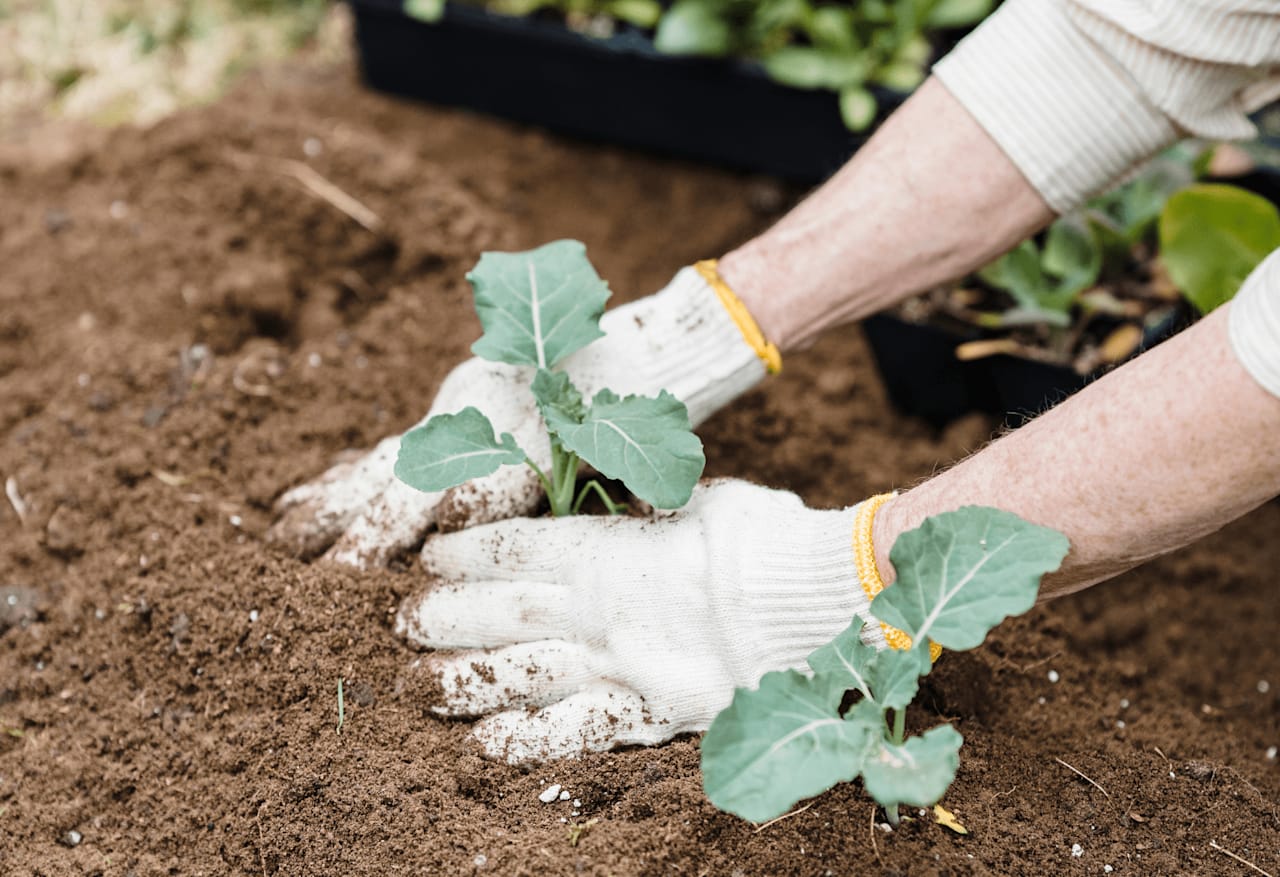
Using proper tools makes gardening easier. Invest in high-quality tools. They last longer and perform better. Essential tools include a spade, trowel, and pruning shears. A watering can or hose keeps plants hydrated. Gloves protect your hands. Choose tools that fit comfortably in your hand. This will reduce strain during gardening tasks.Companion Planting Strategies
Companion planting boosts plant growth and health. Some plants help each other thrive. For example, plant basil near tomatoes. Basil repels pests that attack tomatoes. Beans enrich soil with nitrogen, benefiting corn. Learning which plants work well together is key. A healthy garden depends on smart planting choices.Pest And Disease Management
Managing pests and diseases is crucial for a thriving garden. Regularly inspect plants for signs of trouble. Remove affected leaves or branches promptly. Use organic solutions like neem oil or insecticidal soap. These are safer for the environment. Consider introducing beneficial insects. Ladybugs and lacewings eat harmful pests. Keeping your garden clean and monitoring plant health prevents problems before they start.
Credit: www.youtube.com
Sustainable Gardening Practices
Sustainable gardening practices are crucial for the environment and future generations. By adopting eco-friendly methods, gardeners can reduce waste and conserve resources. Sustainable gardens thrive on natural processes and minimize harm to the ecosystem. This approach enhances plant health and soil fertility, fostering a balanced garden environment.
Organic Gardening Techniques
Organic gardening avoids synthetic fertilizers and pesticides. It promotes natural soil fertility and pest control. Composting is a key practice, enriching the soil with nutrients. Natural pest deterrents, like neem oil, keep plants healthy without chemicals. Crop rotation helps prevent soil depletion and disease build-up. Companion planting can reduce pests and boost plant growth.
Water Conservation Methods
Water conservation is vital in sustainable gardening. Drip irrigation systems minimize water waste by delivering water directly to plant roots. Mulching retains soil moisture and reduces evaporation. Rainwater harvesting systems collect and store rainwater for garden use. Choosing drought-resistant plants can further reduce water needs.
Creating Wildlife Habitats
Gardens can be sanctuaries for local wildlife. Native plants provide food and shelter for birds, bees, and butterflies. Birdhouses and bee hotels encourage these creatures to visit and pollinate. Ponds or water features attract amphibians and beneficial insects. A diverse habitat supports a healthy ecosystem and enhances garden beauty.
Credit: declute.com
Frequently Asked Questions
When Should I Start Planting My Garden?
The ideal time depends on your local climate and plant types. Generally, spring is best for most regions. However, for warmer areas, autumn might be suitable. It’s important to consider frost dates and soil temperature. Research your area’s specific gardening calendar for precise planting times.
What Is The Best Season For Gardening?
Spring is often considered the best season for gardening. It offers moderate temperatures and increased sunlight, promoting plant growth. However, fall can also be advantageous for certain plants. Seasonal variations in your region may affect this. Always check local gardening guidelines for optimal planting seasons.
How Does Weather Affect Garden Planting?
Weather significantly impacts garden planting. Temperature, rainfall, and sunlight influence plant growth. Frost can damage young plants, while excessive heat can stress them. Understanding your region’s weather patterns helps in choosing the right planting time. Monitor forecasts to protect your garden from unexpected weather changes.
Can I Plant A Garden In Winter?
Planting in winter is possible, but challenging. Hardy plants like kale and spinach can survive cold temperatures. Use protective measures like mulch or cold frames. Indoor gardening is another option. Ensure you understand your area’s winter conditions to maximize chances of success.
Conclusion
Choosing the right time to plant a garden is crucial. Seasons play a big role. Spring and fall often offer ideal conditions. Soil temperature matters, too. Warmer soil helps seeds sprout faster. Research your local climate. It helps with better planning.
Start small if you’re unsure. Experiment with different plants. Learn from each season. Gardening brings joy and fresh produce. It’s a rewarding hobby. Patience and care lead to success. Happy planting!