Growing your own plants from seeds indoors is a satisfying and rewarding experience. Imagine nurturing tiny seeds into vibrant, healthy plants ready to blossom in your garden.
But the question remains: When do you start seeds indoors for your garden? Timing is everything, and getting it right can mean the difference between a thriving garden and a disappointing one. You might be eager to begin, but starting too early or too late can affect your plants’ ability to grow.
In this guide, you’ll discover the perfect timing for your indoor seed starting, ensuring a flourishing garden that will make you proud. Get ready to unlock the secrets to a successful gardening season.
Credit: homelyhens.com
Choosing The Right Seeds
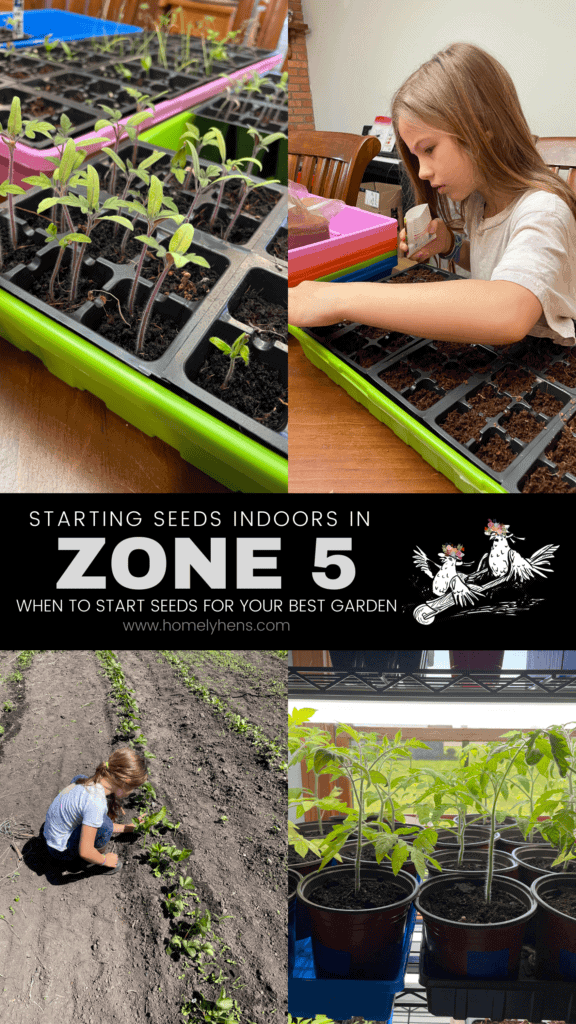
Determining the ideal time to start seeds indoors is crucial for a successful garden. Consider your local climate and the specific needs of each plant. Starting seeds indoors typically begins 6-8 weeks before the last frost date in your area.
Choosing the Right Seeds Starting your garden indoors offers a head start on the growing season. The key to success lies in selecting the right seeds for indoor planting. Your choices can make or break the thriving garden you envision. Begin by considering your climate and the space available. A sunny windowsill or a small grow light can transform your kitchen counter into a mini greenhouse. Is there a vegetable or flower you’ve always wanted to try but were hesitant due to outdoor conditions? This is your chance.Vegetables Suitable For Indoor Starting
Many vegetables benefit from an indoor start, giving them a robust beginning. – Tomatoes: These sun-loving favorites germinate quickly indoors and are ready for transplanting once the frost passes. – Peppers: Whether sweet or spicy, starting peppers indoors ensures a longer growing period. – Lettuce: Perfect for beginners, lettuce grows rapidly and can even be harvested in stages. Experimenting with different varieties can be rewarding. Imagine the satisfaction of picking a ripe tomato from a plant you nurtured from a seed!Flowers That Thrive Indoors
Bringing flowers to life indoors can brighten your home and garden. – Marigolds: These vibrant blooms are excellent for pest control and thrive indoors before making their way to your garden bed. – Petunias: Known for their colorful display, petunias can begin indoors, ensuring a continuous bloom in spring. – Zinnias: Easy to grow and maintain, zinnias can quickly add color to any indoor garden setup. Consider the sunlight and space each flower needs. Are you ready to transform your living space into a lively sanctuary?Understanding Germination Timelines
Understanding the right time to start seeds indoors is crucial for successful gardening. Consider the germination timelines of different plants to ensure they are ready for transplanting when the weather warms.
Understanding the germination timelines of seeds is crucial when planning your indoor garden. Knowing how long seeds take to sprout helps you synchronize your planting schedule with the right season for transplanting outdoors. Each type of seed has its own unique timeline, affecting how you plan your gardening calendar.Fast-germinating Seeds
Some seeds seem eager to burst into life. Radishes, for example, can germinate in as little as three to five days. Lettuce, with its quick turnaround, can also sprout within a week. If you’re a beginner or want quick results, these seeds are perfect for you. Starting them indoors ensures you get a head start on the growing season.Slow-germinating Seeds
Patience is key with slow-germinating seeds. Parsley can take up to three weeks to peek through the soil. Peppers often require two to three weeks as well. These seeds benefit from the controlled indoor environment, which can help them along. Consider using a heat mat to speed up germination, as warmth can make a significant difference.Optimal Planting Dates
Starting seeds indoors can give your garden a great head start. Knowing the optimal planting dates is crucial. It ensures that plants grow strong and healthy. Timing depends on the type of plant and your local climate. Understanding these factors helps in planning effectively.
Spring Planting Schedule
Spring is a popular time for starting seeds indoors. Begin planting 6 to 8 weeks before the last frost date. This allows seedlings to grow strong before moving outside. Common plants for spring indoor starts include tomatoes, peppers, and eggplants. Check local frost dates for precise timing.
Fall Planting Considerations
Fall planting can extend your garden season. Start seeds indoors in late summer. Plan to transplant them in early fall. Vegetables like kale, spinach, and lettuce thrive in cooler weather. They benefit from indoor starts. Consider the shorter daylight hours in fall. Provide extra light if needed.
Preparing Indoor Environment
Start seeds indoors 6-8 weeks before the last frost date. This timing gives them a head start. Ensure adequate light and warmth for best growth.
Preparing your indoor environment for starting seeds is crucial for a successful garden. You want to create conditions that mimic the great outdoors. This helps seedlings grow strong and healthy. Focus on lighting and temperature to set the stage for growth.Lighting Requirements
Seeds need light to grow. Place them under grow lights or near sunny windows. LED grow lights are energy-efficient and effective. Position lights 2-4 inches above seedlings. Adjust height as plants grow taller. Provide 12-16 hours of light daily. This mimics daylight and encourages growth.Temperature Control
Temperature affects seed germination. Most seeds prefer 65-75°F (18-24°C). Use a thermostat to maintain stable temperatures. Avoid placing seeds near drafts or heaters. This can cause stress and hinder growth. Use heating mats for seeds needing warmth. They provide consistent heat from below.Selecting Containers And Soil
Selecting the right containers ensures plants have enough space to grow. Proper soil provides essential nutrients and drainage for healthy starts. Use pots with drainage holes and nutrient-rich, well-draining soil for indoor gardening success.
Starting seeds indoors is an exciting journey that sets the stage for a bountiful garden. The choices you make in selecting containers and soil can significantly impact your success. With the right approach, you ensure your seedlings grow strong and healthy, ready to thrive when transplanted outdoors. Let’s dive into the best practices for choosing containers and soil that will give your seeds the best start possible.Types Of Seed Starting Containers
When choosing containers, the options are vast, ranging from traditional trays to creative DIY alternatives. Consider: – Seed Trays: These are specifically designed for starting seeds and often come with multiple cells, allowing for efficient space use. – Peat Pots: Eco-friendly and biodegradable, these pots can be planted directly into the garden, reducing transplant shock. – Recycled Containers: Think egg cartons or yogurt cups. They’re budget-friendly and reduce waste, just ensure they have drainage holes. Each container type has its pros and cons. What matters most is ensuring they provide adequate space and drainage for your seedlings.Choosing The Right Soil Mix
The soil mix you select is crucial for nurturing young plants. It’s not just dirt; it’s the foundation of your seedlings’ growth. – Seed Starting Mix: A light, sterile mix that’s perfect for seed germination. It retains moisture while allowing for proper drainage. – Compost: Adding a small amount can boost nutrients, but ensure it’s well-rotted to avoid burning delicate roots. – Perlite or Vermiculite: These can be mixed in to improve aeration and water retention. Avoid using garden soil as it can be too heavy and may contain pests or diseases. The right mix supports healthy root development and strong seedlings. Choosing the right containers and soil mix can feel daunting, but it’s a rewarding step in your gardening journey. What combinations have you tried, and how did they work for you?Watering Techniques For Seedlings
Watering seedlings indoors requires care and attention. Proper watering techniques ensure healthy growth and prevent disease. Seedlings are delicate, so the right balance of moisture is crucial. Overwatering or underwatering can harm their development.
Frequency Of Watering
Seedlings need consistent moisture. Check soil daily for dryness. Water when the top inch feels dry. Frequency depends on pot size, soil, and environment. Smaller pots may require more frequent watering. Adjust based on humidity and temperature.
Methods To Avoid Overwatering
Overwatering leads to root rot. Use pots with drainage holes. This ensures excess water escapes. Avoid watering on a schedule. Instead, monitor soil condition. Invest in a moisture meter for accuracy. Water gently to prevent soil compaction. Mist seedlings instead of pouring water directly. This gives even moisture without drowning roots.
Monitoring Growth And Health
Starting indoor seeds early helps monitor plant health and growth efficiently. Aim to begin six weeks before the last frost. Adjust based on local climate and specific plant needs.
Monitoring the growth and health of your indoor seedlings is crucial to fostering a successful garden. As your seeds transform into seedlings, they require careful attention to ensure they develop into robust plants. Observing their progress allows you to address any issues early and make necessary adjustments to your care routine. Are your seedlings looking vibrant and strong, or are they struggling to survive? Let’s delve into the details.Identifying Common Seedling Issues
Sometimes seedlings face challenges that hinder their growth. Yellow leaves might indicate nutrient deficiencies, while leggy seedlings often result from insufficient light. Overwatering can lead to root rot, a silent killer of many young plants. Look for signs like wilting, spots on leaves, or stunted growth. These are red flags that prompt immediate action. Checking your seedlings daily helps you spot these problems early.Tips For Healthy Growth
Providing your seedlings with the right environment is key to their success. Ensure they receive adequate light by placing them near a south-facing window or using grow lights. Rotate your plants regularly to promote even growth. Maintain consistent moisture without overwatering. Use a spray bottle to mist the soil gently, ensuring it’s damp but not soaked. Consider using a fan to mimic outdoor breezes, which strengthens stems and prevents mold. A gentle airflow can make all the difference in developing sturdy plants. By closely monitoring and adjusting your care strategies, you can nurture healthy seedlings ready to thrive when transplanted outdoors. How will you ensure your seedlings reach their full potential?
Credit: www.facebook.com
Transitioning Outdoors
Begin indoor seed planting about 6-8 weeks before the last expected frost. This timing allows seedlings to strengthen indoors before facing outdoor conditions. Check local frost dates to ensure optimal growth when transitioning outdoors.
Transitioning your indoor seedlings to the outdoors requires careful planning. It’s crucial for their growth and survival. This process helps plants adjust to the new environment. Gradual exposure to outdoor conditions strengthens them.Hardening Off Process
Start the hardening off process about one to two weeks before planting. Place seedlings outdoors in a sheltered, shady spot. Begin with an hour or two of exposure. Gradually increase the time each day. Avoid direct sunlight and strong winds initially. This gradual adaptation prevents shock and stress.Timing For Outdoor Planting
Check local frost dates before moving plants outside. Most plants need frost-free conditions. Plan to transplant after the last expected frost. Warm-season crops like tomatoes need warmer soil. Ensure the soil temperature suits each plant type. Use a soil thermometer for accurate readings. Consider weather forecasts to avoid unexpected cold snaps.
Credit: www.youtube.com
Frequently Asked Questions
When Should I Start Seeds Indoors?
Start seeds indoors 6-8 weeks before the last frost date. This timing allows plants to be strong enough for transplanting. Check local frost dates to determine the best time. Different plants have varying needs, so adjust based on specific seed requirements.
What Seeds Are Best Started Indoors?
Tomatoes, peppers, and eggplants are ideal for starting indoors. These plants benefit from a head start as they require longer growing seasons. Also consider herbs like basil and parsley. Starting these indoors gives you a jump on the growing season.
How Do I Prepare For Starting Seeds Indoors?
Gather containers, soil, and lighting before starting seeds. Use seed trays or pots with drainage holes. Choose a good-quality seed starting mix. Ensure adequate lighting with grow lights or a sunny window. This setup fosters healthy seedlings.
Can I Start Seeds Indoors Without Grow Lights?
Yes, you can start seeds indoors without grow lights. Place seed trays in a south-facing window with ample sunlight. Rotate plants regularly to prevent uneven growth. If sunlight is insufficient, consider supplementing with fluorescent lights.
Conclusion
Starting seeds indoors can be rewarding. Timing is key for success. Check your seed packets for specific dates. Consider your local frost dates. Use these to plan when to start seeds. Begin with easy plants like tomatoes and peppers. Monitor growth closely.
Adjust light and temperature as needed. Healthy seedlings lead to a thriving garden. Keep experimenting. Each season brings new lessons. Enjoy the journey of gardening. With patience, your garden will flourish. Happy planting!







