Imagine stepping into your garden and seeing vibrant blooms and lush plants, all grown from the seeds you nurtured indoors. As a gardener, timing is everything, especially when it comes to starting your indoor seedlings.
If you’ve ever found yourself wondering, “When do I start indoor seedlings for my garden? ” You’re not alone. Getting this timing right can mean the difference between a flourishing garden and one that struggles. You’ll discover the perfect moment to sow your seeds indoors, ensuring they are strong and ready when it’s time to transplant them outside.
We’ll guide you through the crucial steps and factors that influence the timing, helping you avoid common mistakes and maximize your garden’s potential. Grab your gardening gloves and let’s dig into the secrets of successful seed starting.

Credit: www.epicgardening.com
Importance Of Timing For Seedlings
Timing is crucial for starting indoor seedlings. It determines their growth and health. Planting too early or late affects your garden’s success. Understanding the right timing helps your plants thrive.
Understanding Seedling Growth Cycles
Seedlings have different growth cycles. Each plant has its own timing. Knowing these cycles is key. It helps you plan when to start them indoors.
Aligning With Seasonal Changes
Seasons impact seedling growth. Aligning planting with seasonal changes is vital. It ensures seedlings get the right conditions. This boosts their chances of thriving.
Balancing Light And Temperature
Light and temperature affect seedlings. Balance these elements for healthy growth. Too much or too little can harm them. Proper timing ensures optimal conditions.
Preventing Overcrowding
Overcrowding harms seedlings. Start them at the right time to prevent this. Space is essential for growth. Timing helps manage space effectively.
Improving Root Development
Root development is crucial. Proper timing aids in strong roots. Strong roots support healthy plants. This leads to a successful garden.
Avoiding Disease And Pest Issues
Wrong timing invites pests and diseases. Early or late planting risks these issues. Timely planting minimizes risks. It keeps your seedlings safe and healthy.
Factors Influencing Seed Starting Time
Timing for starting indoor seedlings depends on factors like climate, plant type, and garden readiness. Consider frost dates and growth needs to ensure healthy plants.
Starting indoor seedlings for your garden can be a delightful and rewarding experience. However, the success of your seedlings largely depends on timing. Various factors influence when you should begin this journey. Understanding these factors can help ensure that your seedlings grow strong and healthy, ready to be transplanted into your garden.Climate And Zone Considerations
Your local climate and hardiness zone play a crucial role in determining seed starting time. If you live in a colder region, starting seeds indoors can give you a head start on the growing season. In warmer areas, you might need to time it differently to avoid the intense summer heat. Check your region’s last frost date. This date is essential in planning your seed starting. For example, if you are in USDA Zone 5, you might begin seeds indoors 6-8 weeks before the last expected frost. Consider the average temperature and daylight hours of your area. These factors will guide you in choosing the optimal time for starting seeds indoors.Type Of Plant Species
Different plants have different needs when it comes to starting seeds indoors. Some plants like tomatoes and peppers require a longer growing period indoors before they can be safely transplanted outside. On the other hand, plants like lettuce and kale can be started closer to the transplanting date. Read the seed packets for specific guidance. They often provide valuable information on the best time to start each plant type. Consider the growth rate of the plant species. Faster-growing plants may not need as much indoor time as slower-growing ones. Balancing these needs can be the difference between thriving plants and those that struggle. Are there specific plants you’re eager to try this year? Tailoring your seed starting schedule to their needs could make all the difference in your gardening success.Calculating The Seed Starting Date
Calculate the seed starting date by checking the last frost date in your area. Count backward from this date, considering the growth period of each plant. This ensures your seedlings are ready to transplant outdoors.
Calculating the Seed Starting Date Getting a jumpstart on your garden by planting seeds indoors can lead to a flourishing outdoor garden. But how do you know when to start those seeds? It’s all about timing. Calculating the right date requires a bit of backward planning, ensuring your seedlings are ready to move outdoors when conditions are just right.Frost Date Determination
The first step is understanding your local climate. Specifically, you need to determine the average last frost date in your area. This is crucial because frost can damage or even kill young plants. Check local gardening resources or use online tools to find this date. Once you have the frost date, keep it handy. It will serve as your primary reference point for all seed starting calculations. Remember, even a week of frost-free time can make a difference in plant survival.Backtracking From Planting Date
With your frost date in mind, it’s time to backtrack. Different plants have different indoor-to-outdoor transition needs. For example, tomatoes might need six to eight weeks of indoor growth, while cucumbers might only require three to four weeks. Create a simple table or list for clarity:| Plant | Weeks Before Frost Date |
|---|---|
| Tomatoes | 6-8 |
| Peppers | 8-10 |
| Cucumbers | 3-4 |
Tools To Aid Timing
Determining the best time to start indoor seedlings can be tricky. Using tools like planting calendars and frost date calculators helps. These tools guide gardeners in choosing the right time to plant seeds indoors for optimal growth.
Starting indoor seedlings on time ensures a healthy garden. Timing can be tricky. But some tools can help. These tools guide you for the best start. Let’s explore some effective ones.Seed Starting Calendars
Seed starting calendars provide a clear schedule. They suggest optimal planting dates. These calendars consider your local frost dates. They help you avoid planting too early or late. Many gardeners find them useful.Online Resources And Apps
Many online resources offer planting guides. Gardening apps provide personalized advice. They track your plant progress. Some apps use your location to give precise dates. These tools make planning easier. They help you stay organized.Common Mistakes To Avoid
Starting indoor seedlings for your garden is an exciting venture, but it’s easy to make mistakes that can hinder your success. By understanding common pitfalls, you can ensure healthy growth and a fruitful harvest. Let’s dive into some mistakes gardeners often make and how you can avoid them.
Starting Too Early
One of the most common mistakes is starting seedlings too early. It’s tempting to get a head start, but this can lead to weak plants. They might become leggy and underdeveloped due to lack of adequate light. You may end up with seedlings that struggle to survive when transplanted outdoors.
Consider the last expected frost date in your area, and work backward to plan your indoor planting schedule. Most plants need about six to eight weeks indoors before they’re ready for the garden. Do your research on specific plant types, as some may require more or less time.
Ignoring Local Weather Patterns
Another mistake is not paying attention to local weather patterns. Even if you’re following general guidelines, unexpected weather changes can affect your seedlings. A warm winter might tempt you to start early, but a late frost can be disastrous.
Keep an eye on long-term forecasts and adjust your plans accordingly. Use resources like local gardening groups or agricultural extensions for advice tailored to your region. Have a backup plan, like protective covers or a temporary indoor setup, to shield your seedlings from unexpected cold snaps.
Remember, every garden and region is unique. Tailoring your approach and avoiding these common mistakes can make a significant difference in your gardening success. How do you plan to adjust your seedling schedule this year?
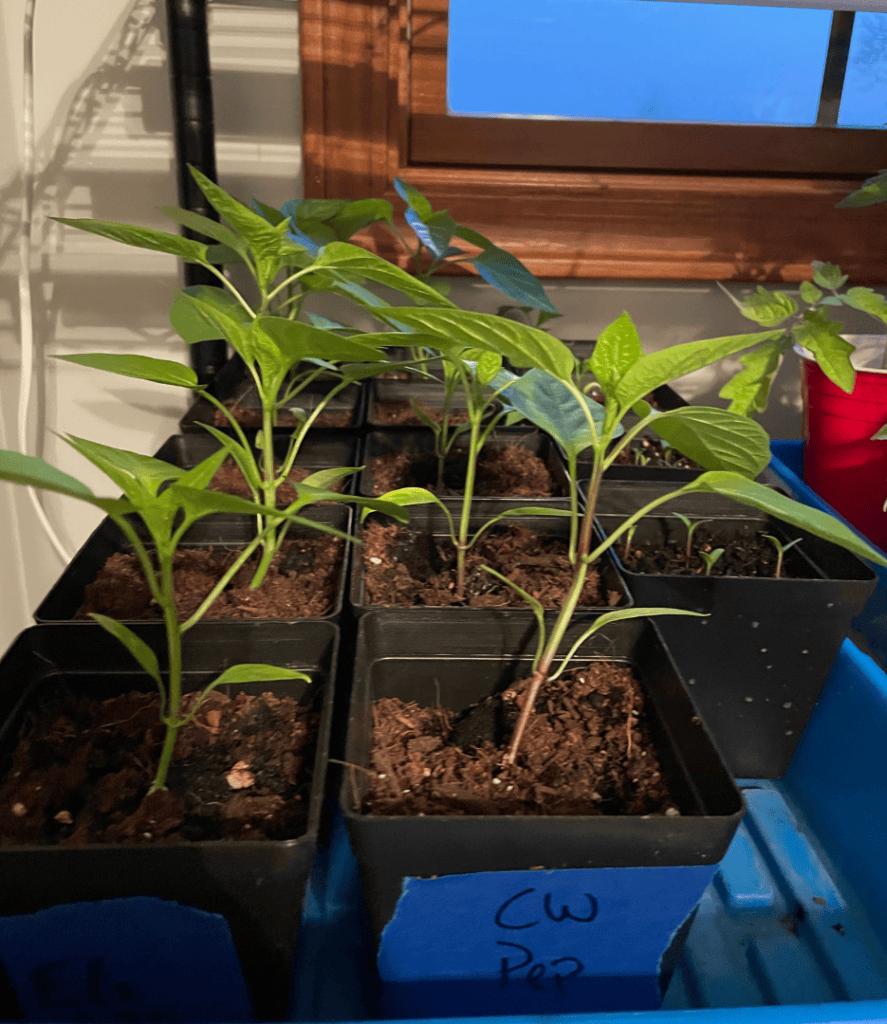
Credit: homelyhens.com
Adjusting For Different Seed Types
Understanding when to start indoor seedlings is crucial for a successful garden. Different seed types require varying start times. Some seeds grow quickly, while others need more time. Knowing these differences helps in planning your planting schedule effectively.
Fast-growing Seeds
Fast-growing seeds like lettuce and radishes sprout quickly. Start these seeds 4-6 weeks before the last frost. They need less time indoors and can move outside sooner. This makes them ideal for beginners. Ensure they have enough light and warmth to thrive indoors.
Slow-growing Seeds
Slow-growing seeds include peppers and tomatoes. These seeds need a head start of 8-10 weeks. They take longer to germinate and develop. Extra weeks indoors ensure they grow strong before transplanting. Provide consistent warmth and light for healthy growth.
Practical Tips For Successful Seedling Growth
Growing seedlings indoors can be a rewarding experience. It allows gardeners to get a head start on the growing season. With a few simple tips, you can ensure healthy and robust seedlings. Focus on providing the right conditions for your young plants. This will set the stage for a successful garden.
Optimal Lighting Conditions
Seedlings need plenty of light to grow strong. Place them near a south-facing window for natural light. If natural light is insufficient, use grow lights. Position the lights 2-3 inches above the seedlings. Keep the lights on for 12-16 hours each day. This mimics sunlight and boosts growth.
Temperature And Humidity Control
Maintain a consistent temperature for your seedlings. Ideal temperatures are between 65-75°F (18-24°C). Avoid placing seedlings near drafts or heaters. They can cause temperature fluctuations. Humidity levels should be around 50-70%. Use a humidity dome or mist the plants regularly. This keeps the environment moist and favorable for growth.

Credit: www.coloradogardener.com
Benefits Of Indoor Seed Starting
Starting seeds indoors offers control over growth conditions, leading to stronger plants. It allows gardeners to plan ahead, ensuring timely transplanting when outdoor conditions improve.
Starting seeds indoors offers many advantages for gardeners. It provides control over growing conditions and gives a head start on the gardening season. This method is perfect for beginners and seasoned gardeners alike, seeking to optimize their efforts.Extended Growing Season
Indoor seed starting extends the growing season significantly. This approach allows planting seeds before the last frost. As a result, plants mature earlier, increasing harvest time. This early start benefits crops that need a long growing season. Tomatoes and peppers thrive with this head start.Enhanced Plant Health
Starting seeds indoors enhances plant health. Controlled indoor conditions reduce exposure to pests and diseases. Seedlings grow strong without battling outdoor elements. Proper lighting and temperature control ensure healthy development. This method leads to robust plants ready for outdoor life.Frequently Asked Questions
What Is The Best Time To Start Indoor Seedlings?
The ideal time to start indoor seedlings depends on your local climate and the specific plant species. Generally, it’s best to start 6-8 weeks before the last expected frost date. This gives seedlings ample time to grow strong before transplanting outdoors.
How Do I Choose The Right Seeds For Indoors?
Select seeds based on your climate, garden size, and preferences. Consider plants that thrive indoors initially, such as tomatoes, peppers, and herbs. Check seed packets for indoor starting recommendations. Choosing seeds suited to indoor cultivation helps ensure a successful start to your garden.
Why Are Grow Lights Important For Seedlings?
Grow lights provide essential light for seedlings when natural sunlight is insufficient. They simulate sunlight, promoting healthy growth and preventing leggy seedlings. Position them close to seedlings to ensure adequate light exposure. Using grow lights can significantly improve the quality and strength of indoor seedlings.
How Can I Prevent Seedlings From Becoming Leggy?
To prevent leggy seedlings, ensure they receive adequate light and maintain consistent temperatures. Use grow lights and adjust their distance to avoid stretching. Rotate seedlings regularly for even light exposure. Proper care helps seedlings grow sturdy and ready for outdoor transplanting.
Conclusion
Starting indoor seedlings can boost your gardening success. Timing is key. Plan according to your climate zone. Use a calendar to track dates. Remember to check seed packets for specific instructions. Seedlings need proper light, warmth, and water. This helps them grow strong.
Transplant them outdoors when they’re ready. Following these tips ensures healthy plants. Enjoy watching your garden thrive. With patience and care, you’ll reap the rewards. Happy gardening!







