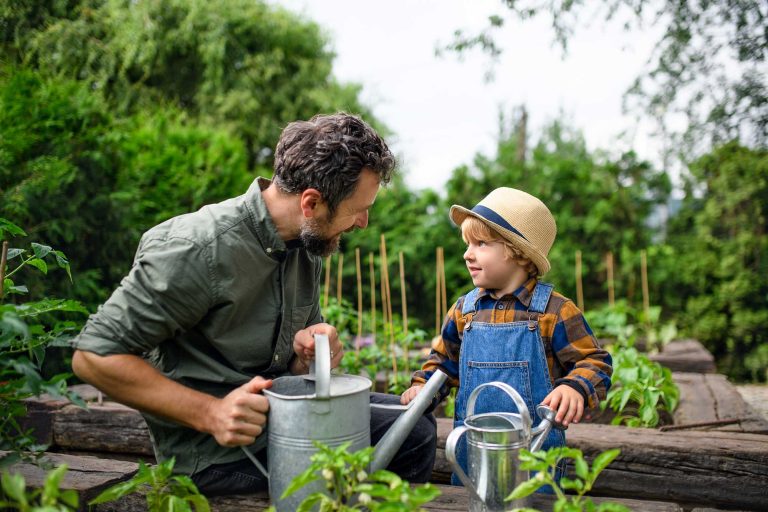
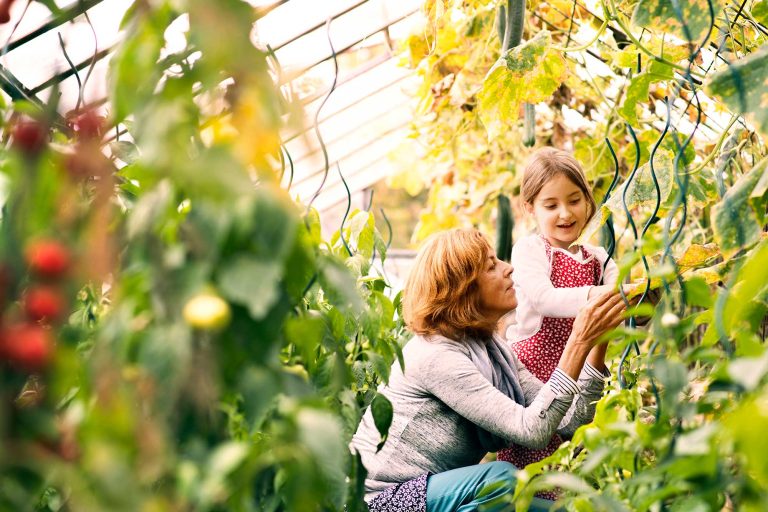
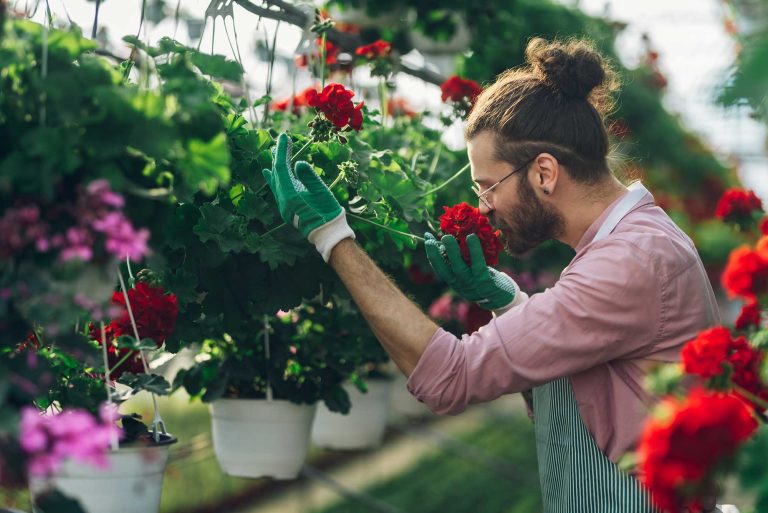
Imagine stepping into your kitchen and picking fresh basil for your pasta, or snipping crisp lettuce for your salad. Sounds delightful, right?
You can have this luxury at your fingertips by starting your own indoor veggie garden. No more relying solely on grocery stores for fresh produce. You can grow your own, right at home, regardless of the weather outside. Whether you have a green thumb or are just a curious beginner, cultivating an indoor garden is easier than you might think.
You’ll not only enjoy the freshest veggies but also experience the joy of nurturing plants. Stick around to discover what you need to get started. This guide will help you turn your indoor space into a thriving garden oasis.
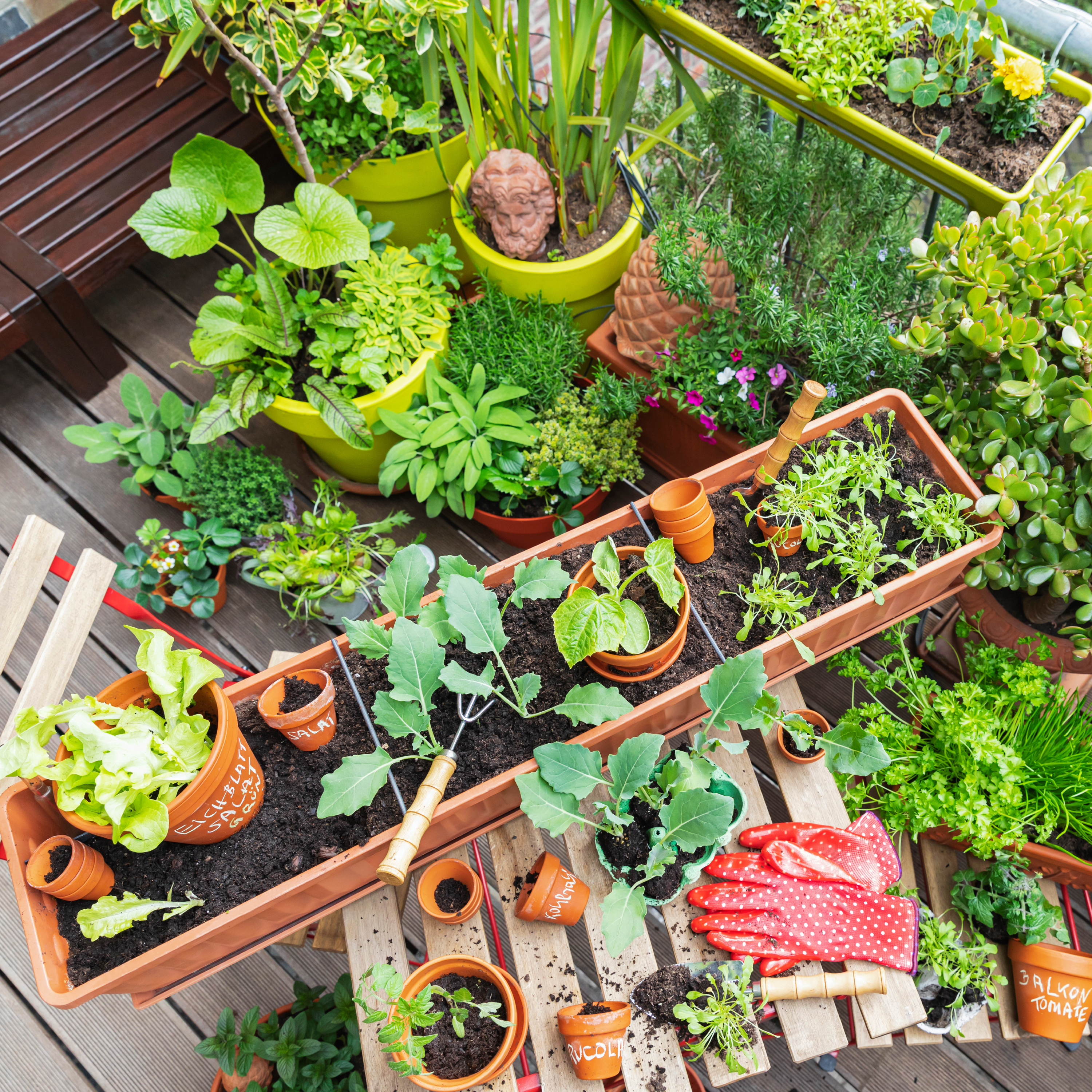
Credit: www.gardeningknowhow.com
Choosing The Right Space
Finding a sunny spot is key for a thriving indoor veggie garden. Choose a space with good ventilation and easy access to water. Ensure the area allows for adequate lighting and room for your plants to grow.
Finding the perfect spot for your indoor veggie garden is crucial for its success. This space needs to be more than just a corner in your home; it should be an environment where your plants can thrive. The right space will serve as a nurturing ground for your greens, providing them with optimal conditions to grow strong and healthy. Consider every aspect of this area to ensure it supports your gardening goals effectively.Lighting Considerations
Adequate lighting is vital for indoor plants, as it mimics the natural sunlight they would receive outdoors. Assess the amount of natural light your chosen space receives. South-facing windows usually offer the best light exposure. If natural light is limited, consider investing in LED grow lights. These lights are energy-efficient and can be adjusted to provide the right spectrum of light needed for various growth stages.Temperature And Humidity
Plants have specific temperature and humidity needs, and meeting these requirements can make all the difference. Indoor temperatures should ideally range between 65-75°F for most veggies. Consider how close your space is to heating vents or drafty windows, as these can affect temperature stability. Humidity levels are equally important; a simple hygrometer can help you monitor and maintain appropriate moisture levels. Some vegetables thrive in higher humidity, and using a humidifier may be beneficial. Making the right choice in space is foundational to your indoor gardening success. Have you considered how changes in the seasons could affect your chosen spot?Essential Tools And Equipment
Starting an indoor veggie garden is a rewarding activity. It requires the right tools and equipment. These essentials help your plants grow healthy and strong. Knowing what to use makes the process smoother and more enjoyable. Let’s explore the key tools and equipment for your indoor garden.
Containers And Pots
Choosing the right containers is crucial for plant growth. Ensure they have drainage holes. This prevents water from sitting at the bottom. Pots come in various sizes and materials. Consider the space available and the types of vegetables. Lightweight plastic pots are easy to move. Ceramic pots add a decorative touch. Self-watering pots are convenient for busy gardeners. They ensure consistent moisture levels.
Gardening Tools
A few basic tools make gardening easier. A small trowel is useful for planting seeds. It helps in digging and moving soil. Pruning shears are handy for trimming plants. They keep your veggies healthy and tidy. A spray bottle is essential for watering. It gently mist plants without over-watering. A watering can with a narrow spout is also helpful. It delivers water directly to the roots.
Selecting The Best Vegetables
Starting an indoor veggie garden is an exciting journey that brings the joy of fresh produce right to your home. One of the crucial steps in this process is selecting the best vegetables to grow indoors. The right choice can make your gardening experience rewarding and hassle-free. But how do you decide which vegetables to choose? Consider factors like space, light availability, and your personal preferences. Let’s explore some easy-to-grow options and herbs that thrive in indoor settings.
Easy-to-grow Options
Not all vegetables are suited for indoor gardening, but there are several that flourish with minimal effort. Leafy greens like spinach, lettuce, and kale are excellent choices. They grow quickly and require little space, making them perfect for window sills or small pots.
Peppers and tomatoes are also popular for indoor gardens. They need more light but can produce a bountiful harvest with the right care. If you have limited sunlight, consider using LED grow lights to boost growth.
Root vegetables like radishes and carrots are surprisingly adaptable indoors. Opt for smaller varieties that fit well in containers. Have you tried growing radishes in a mason jar? It’s an innovative approach that saves space!
Herbs For Indoor Gardening
Herbs are a fantastic addition to your indoor garden, adding flavor to your meals and a pleasant aroma to your space. Basil, parsley, and cilantro are easy to grow and require minimal attention.
Mint and chives are resilient and can thrive with basic care. They also grow quickly, so you can enjoy fresh herbs in your cooking regularly.
Consider planting rosemary or thyme if you prefer perennial herbs. These plants can last for years and are ideal for windowsills where they can soak up the sun. What would your kitchen be without the aromatic presence of fresh herbs?
Starting an indoor veggie garden is all about making smart choices. The vegetables and herbs you select will shape your gardening experience. Choose varieties that match your lifestyle, and you’ll soon enjoy the fruits of your labor—literally!

Credit: food52.com
Understanding Soil And Fertilizers
Creating an indoor veggie garden requires understanding soil and fertilizers. Healthy soil is the foundation for thriving plants. The right fertilizer ensures your veggies get the nutrients they need to grow. Let’s explore the differences between organic and inorganic options, and what nutrients your plants need.
Organic Vs. Inorganic Options
Organic fertilizers come from natural sources. They include compost, manure, and bone meal. These enrich the soil and improve its structure. They release nutrients slowly, feeding plants over time.
Inorganic fertilizers are synthetic. They contain concentrated nutrients like nitrogen, phosphorus, and potassium. These provide quick results, but may not improve soil health long-term. Choosing between them depends on your gardening goals.
Nutrient Needs
Plants need three main nutrients: nitrogen, phosphorus, and potassium. Nitrogen helps with leafy growth. Phosphorus supports root and flower development. Potassium strengthens plant resistance to diseases.
Balance is key. Too much or too little of any nutrient affects plant health. Regular testing can help you maintain the right nutrient levels.
Watering Techniques
Watering your indoor veggie garden is a delicate balance between too much and too little. Understanding the right techniques can make all the difference in the health and productivity of your plants. Let’s dive into the essentials of watering frequency and explore self-watering systems to simplify your gardening journey.
Frequency And Amount
How often should you water your plants? It depends on factors like plant type, pot size, and indoor climate. A good rule of thumb is to check the soil moisture by sticking your finger about an inch deep into the soil. If it feels dry, it’s time to water.
Over-watering is a common mistake that can lead to root rot. It’s crucial to use pots with drainage holes to prevent water from pooling at the bottom. Consider using a moisture meter for accurate readings if you’re unsure about your plant’s needs.
Self-watering Systems
Self-watering systems are a game-changer for busy gardeners. These systems use reservoirs to provide a consistent water supply, reducing the need for frequent watering. They’re perfect for those who travel often or have a hectic schedule.
Wicking systems and self-watering pots are popular choices. They deliver water directly to the roots, ensuring your plants get the moisture they need. Have you considered how much time you could save by switching to a self-watering system?
By incorporating these watering techniques, you can maintain a thriving indoor veggie garden with less hassle. What watering method do you think suits your lifestyle best?
Managing Pests And Diseases
Controlling pests and diseases is essential for a successful indoor veggie garden. Begin with clean soil and healthy seeds. Regularly inspect plants for signs of trouble and use natural remedies to protect them.
Managing pests and diseases in your indoor veggie garden is crucial for a thriving harvest. While indoor gardens are less prone to pests than outdoor ones, they are not immune. A small pest issue can quickly escalate if not addressed.Common Indoor Pests
Some pests may find their way into your indoor garden. Aphids are tiny insects that suck the sap from your plants, often found on the underside of leaves. Spider mites are another common pest, leaving tiny webbing and causing leaves to yellow. Fungus gnats thrive in moist soil, laying eggs that hatch into root-damaging larvae. Identifying these pests early is key. Regularly inspect your plants, especially the undersides of leaves. A magnifying glass can help spot these tiny invaders.Natural Pest Control Methods
Avoid harsh chemicals in your indoor garden. Neem oil is a natural solution that effectively deters many pests. Simply mix it with water and spray on affected plants. It disrupts the life cycle of pests without harming your plants. Introduce natural predators like ladybugs or beneficial nematodes. They can help control aphids and fungus gnats, keeping your garden balanced. Consider using a homemade soap spray. Mix water with a few drops of dish soap and spray it on your plants. This simple solution can suffocate soft-bodied pests like aphids. Have you tried adjusting the conditions of your indoor garden? Sometimes, pests thrive because of high humidity or overwatering. By tweaking these factors, you can create an inhospitable environment for pests. Managing pests and diseases is about vigilance and balance. With these natural methods, your indoor veggie garden can flourish without unwanted guests.Growth Monitoring
Starting an indoor veggie garden requires seeds, pots, and soil. Ensure good light and regular watering for growth.
Monitoring the growth of your indoor vegetable garden is crucial for ensuring a bountiful harvest. It allows you to intervene early if issues arise and helps you understand what works best for your plants. Observing your garden’s progress can be a rewarding experience, offering insights into the life cycle of your plants and the care they need.Tracking Progress
Regularly checking on your plants gives you a clear picture of their development. Create a simple chart or use a gardening app to record growth milestones and observations. This can include plant height, number of leaves, or time to fruiting. Taking photos can also be a fun and informative way to track changes over time. You might notice patterns or trends that you wouldn’t catch otherwise. Have you ever considered how the light or water levels might be impacting growth?Recognizing Signs Of Stress
Your plants will often tell you if something is wrong, but you need to know what to look for. Wilting, yellowing leaves, or stunted growth can indicate problems with water, light, or nutrients. Keep an eye out for pests or diseases that might be affecting your plants. If you spot signs of trouble, act quickly to address the issue. Do your plants look happy, or do they need a little extra care? Remember, a proactive approach can save your garden from future headaches.Harvesting And Maintenance
A thriving indoor veggie garden needs regular harvesting and careful maintenance. Trim plants to encourage growth and remove dead leaves. Keep soil moist, provide adequate light, and monitor pests for healthy vegetables.
Harvesting and maintaining an indoor veggie garden ensures thriving plants. Proper care helps maximize yield and keeps plants healthy. Regular attention to these tasks can transform your indoor garden into a lush paradise.When To Harvest
Harvest timing impacts flavor and nutrition. Pick veggies at their peak for best taste. Leafy greens like lettuce and spinach are ready when leaves are ample. Root veggies, such as carrots, should show visible tops. Herbs like basil can be harvested once they reach a few inches. Keep a schedule to avoid overripe produce.Pruning And Care
Pruning promotes growth and air circulation. Trim dead or yellowing leaves regularly. For bushy plants, pinch off the top to encourage branching. Use clean scissors to prevent plant diseases. Check soil moisture often. Water when the top inch feels dry. Use organic fertilizers to nourish the soil. Rotate plant pots for even sunlight exposure.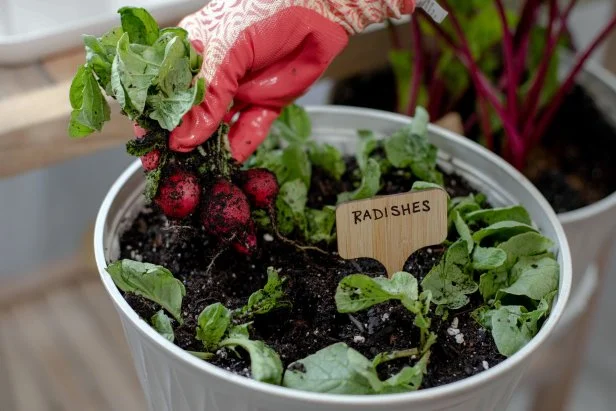
Credit: www.hgtv.com
Frequently Asked Questions
What Tools Are Needed For Indoor Gardening?
To start an indoor veggie garden, you’ll need basic tools. These include pots, soil, grow lights, and watering cans. Additionally, consider using a trowel and gloves for planting. These tools help create a thriving environment for your indoor plants. Proper tools ensure efficient planting and maintenance.
Which Vegetables Grow Best Indoors?
Certain vegetables thrive indoors due to their adaptability. Leafy greens like spinach, lettuce, and herbs such as basil and mint are ideal. Tomatoes and peppers can also grow well with proper care. Choose vegetables that require less space and light.
This ensures a productive indoor garden experience.
How Much Light Do Indoor Plants Require?
Indoor plants need adequate light for healthy growth. Generally, they require 12-16 hours of light daily. Use grow lights to supplement natural sunlight. Position plants near windows for optimal exposure. Adjust lighting based on plant type and growth stage. Proper lighting ensures strong and healthy plants.
How Often Should You Water Indoor Veggies?
Watering frequency depends on plant type and environmental conditions. Most indoor vegetables need watering once or twice a week. Ensure soil is slightly moist but not waterlogged. Check moisture levels regularly to avoid overwatering. Consistent and appropriate watering promotes healthy root development.
Conclusion
Starting an indoor veggie garden is simple. Gather basic tools and materials. Choose a sunny spot inside your home. Select veggies that thrive indoors. Maintain a regular watering schedule. Keep an eye on temperature and humidity. Enjoy the process of watching your plants grow.
It’s rewarding to eat fresh veggies you’ve grown. Share your experience with family and friends. Inspire others to start their own indoor garden. Remember, patience and care lead to success. Start today and enjoy fresh, homegrown produce all year. Happy gardening!