Imagine stepping into your garden, the sun warming your skin, with the fresh scent of earth and blooming flowers all around. It’s your personal oasis, a place where you can escape the hustle and bustle of daily life.
But to keep this sanctuary thriving, you need the right tools. Whether you’re a seasoned gardener or a budding enthusiast, the tools you choose can make all the difference in your gardening experience. Have you ever found yourself struggling with a stubborn weed or wishing your plants looked a little healthier?
The right tools can help you solve these problems effortlessly. You’ll discover the essential tools every gardener needs to transform their garden into a blooming paradise. Let’s dig in and uncover what your garden toolkit might be missing.

Credit: thegardenersfriend.com
Hand Tools
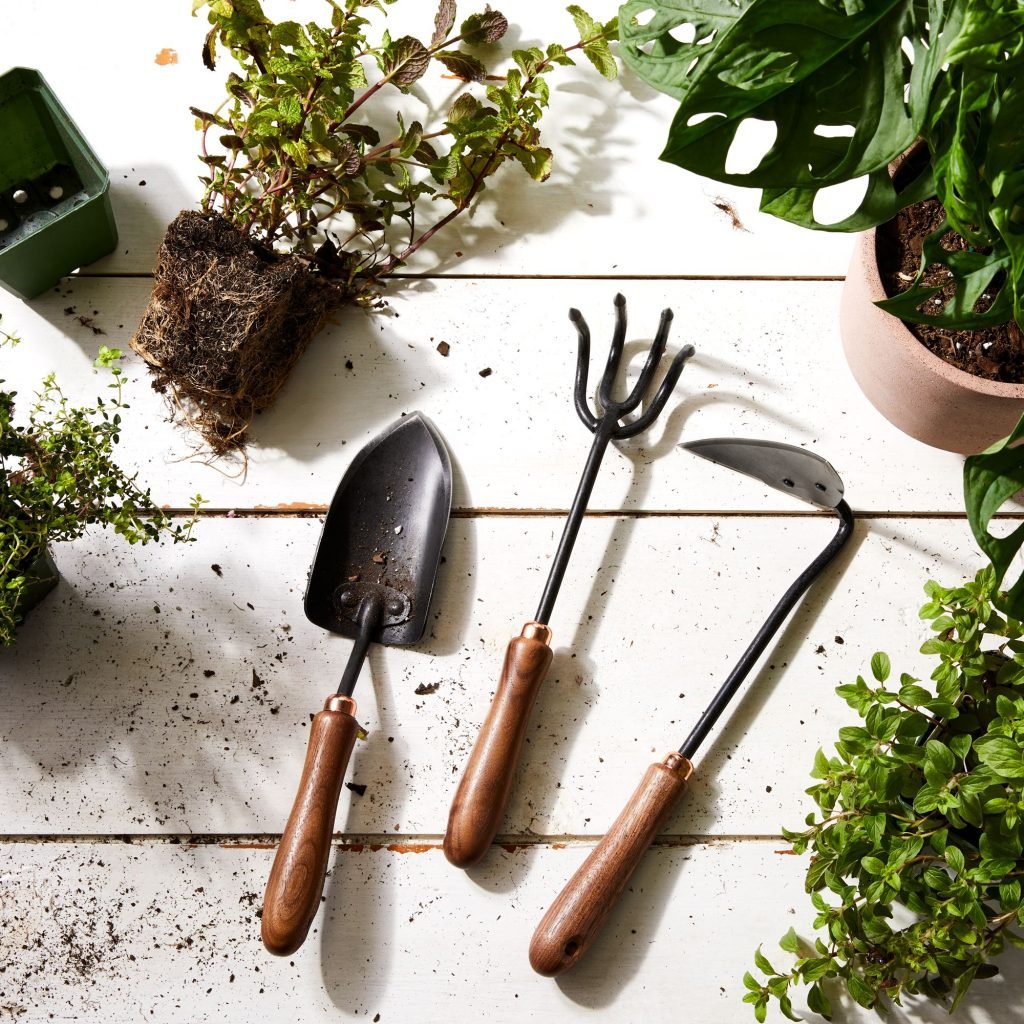
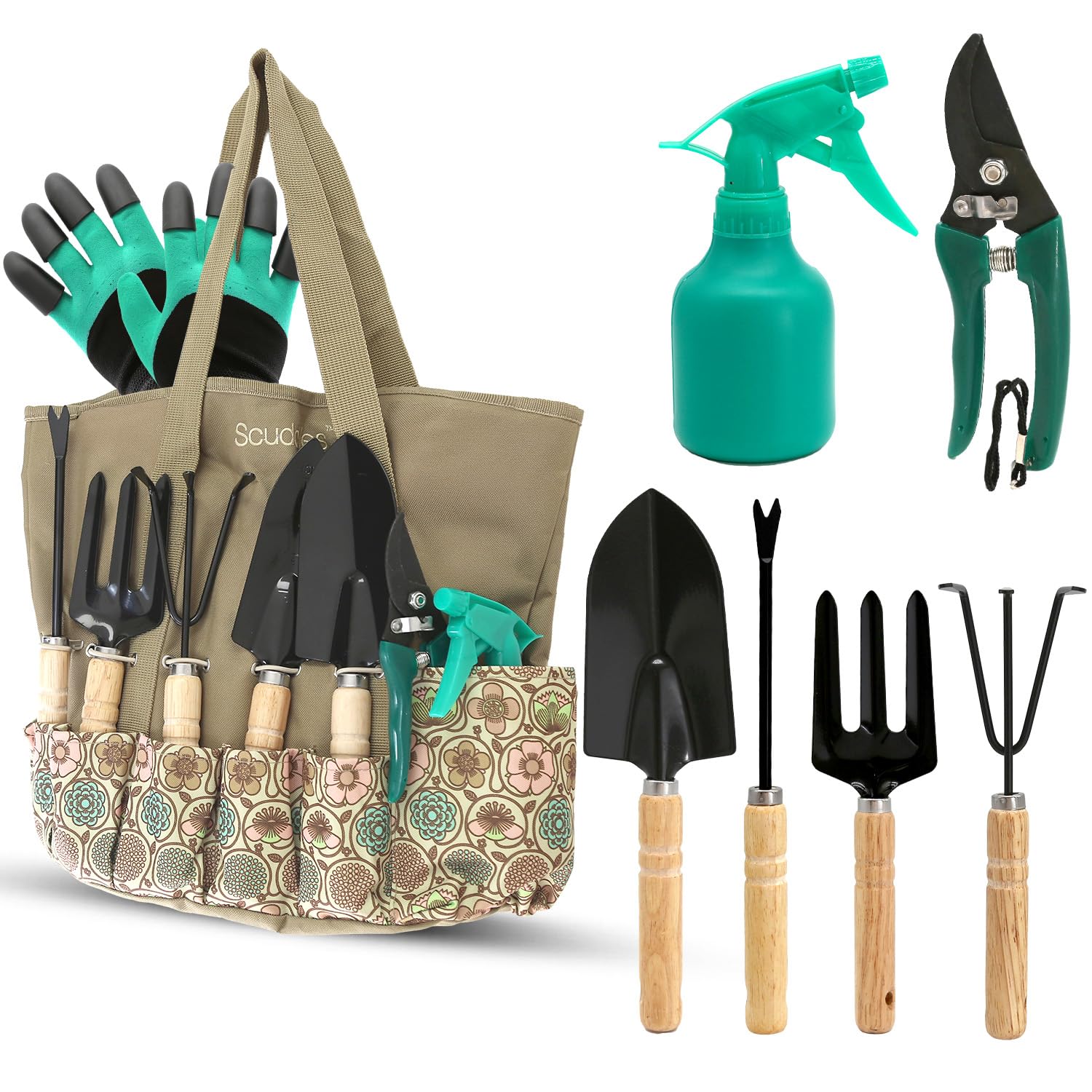
Gardening requires a variety of tools to maintain a healthy and beautiful garden. Hand tools are essential for any gardener, providing precision and ease of use. They help with planting, pruning, and maintaining plants. These tools are lightweight, easy to handle, and offer great control. Below, we explore some key hand tools every gardener should have.
Trowels And Transplanters
Trowels are small, handheld shovels used for digging. They are perfect for planting bulbs, seedlings, and small plants. Trowels have a pointed, scoop-shaped metal blade. This design helps in digging and moving soil with ease. Transplanters are similar but have a narrower blade. They are ideal for removing and transplanting small plants. Both tools are essential for precise gardening tasks.
Hand Forks
Hand forks are essential for breaking up soil. They have three or four sturdy prongs that loosen and aerate soil. This tool is great for removing weeds and mixing in soil amendments. Hand forks are perfect for working in confined spaces. They are also helpful in turning compost and spreading mulch.
Pruners And Shears
Pruners are vital for maintaining plant health. They are used to cut branches and stems. Pruners come in two types: bypass and anvil. Bypass pruners have two curved blades that cut like scissors. Anvil pruners have a straight blade that cuts against a flat surface. Shears are larger and used for trimming hedges and shrubs. Both tools ensure clean cuts, promoting healthy plant growth.
Digging Tools
Gardeners need various digging tools to maintain healthy plants. Essential tools include a sturdy shovel for planting and a hand trowel for precision work. A garden fork is useful for loosening soil, while a hoe helps control weeds efficiently.
Digging tools are the backbone of any gardener’s toolkit. Whether you’re preparing a new plot, planting bulbs, or just tidying up, these tools make the job easier and more efficient. They help you break ground, move soil, and cultivate your garden with precision. But which ones are essential for your gardening needs?Spades And Shovels
Spades and shovels are indispensable for digging and moving soil. A spade’s flat blade is perfect for cutting through sod and edging beds, while a shovel’s curved blade excels at scooping and transferring soil. Imagine you’re planting a new tree. A spade slices through the ground to create the perfect hole, while a shovel helps you remove the excess soil swiftly. Choosing between a spade and shovel often depends on the task at hand—consider what suits your garden best.Garden Forks
Garden forks are ideal for turning soil and breaking up clumps. Their tines can aerate soil and mix in compost, improving soil health and preparing it for planting. Picture yourself working on a stubborn patch of earth; a garden fork can make quick work of compacted soil, allowing your plants to thrive. They are versatile tools, essential for cultivating and maintaining your garden’s vitality.Mattocks And Pickaxes
Mattocks and pickaxes are perfect for more demanding digging tasks. A mattock, with its axe-like blade and pick, is great for breaking hard ground and cutting through roots. Consider tackling rocky soil or old tree roots; these tools offer the strength and leverage needed to conquer such challenges. They are particularly useful for larger garden projects, where brute force is required. So, which digging tool will become your trusty companion in the garden? Each offers unique benefits, ensuring you have the right tool for every job.Watering Tools
Gardening requires essential watering tools like hoses, sprinklers, and watering cans. These help keep plants hydrated efficiently. Choose tools based on garden size and plant needs for optimal growth.
Watering Tools Keeping your garden hydrated is key to its health and growth. Without the right watering tools, plants can suffer from either drought or drowning. A well-thought-out selection of watering tools can make all the difference in maintaining a lush, thriving garden. Let’s dive into the essentials.Hoses And Nozzles
A good quality hose can be your garden’s best friend. Opt for a durable, kink-resistant hose that can easily reach all corners of your garden. Pair it with a versatile nozzle that allows you to adjust the water flow, so you can gently mist seedlings or powerfully spray stubborn dirt. Consider investing in a hose reel for tidy storage and easy access. A well-organized hose system not only saves time but also reduces frustration. Have you ever struggled with a tangled hose? It can be a real mood dampener on a sunny gardening day!Watering Cans
Watering cans offer precision and control, perfect for nurturing delicate plants and those hard-to-reach spots. Choose a can with a comfortable handle and a well-balanced design to avoid unnecessary strain on your wrist. Look for a detachable rose for the spout, which allows you to switch between a gentle sprinkle and a concentrated flow. A fun tip: match the can size to your plant collection. A small can is ideal for houseplants, while larger gardens may require a bigger one.Irrigation Systems
For larger gardens or busy lifestyles, irrigation systems can be a game-changer. Drip irrigation provides consistent moisture directly to the roots, minimizing water wastage and maximizing plant health. Explore options like soaker hoses or sprinklers for automated watering. These systems can be programmed to water during optimal times, like early morning or late evening. Have you ever considered how much time you could save with an automated system? The initial setup may require an investment, but the efficiency and convenience are undeniable. Choosing the right watering tools can transform your gardening experience. With the right equipment, maintaining a beautiful garden becomes less of a chore and more of a joy. What’s your go-to tool for keeping your garden green?Weeding Tools
Gardening requires essential tools like hand trowels for digging, hoes for soil aeration, and weeders to remove unwanted plants. Pruning shears trim branches, while gloves protect hands from thorns and dirt.
Weeding Tools Keeping a garden free from weeds is essential for plant health. Weeds steal nutrients and space from your plants. They can even harbor pests. Having the right weeding tools makes this task easier.Garden Hoes
Garden hoes are versatile tools in any gardener’s arsenal. They are perfect for removing weeds quickly. Their long handle allows you to work without bending too much. This reduces strain on your back. Hoes come in different shapes and sizes. Flat hoes are great for chopping weeds at the surface. Stirrup hoes work well for cutting weeds just below the soil.Weed Pullers
Weed pullers make removing stubborn weeds simple. They grip the weed firmly, allowing easy removal from the root. This prevents the weed from growing back. Weed pullers are handy for areas with dense weed growth. Look for ones with ergonomic handles. This makes them comfortable to use for extended periods.Cultivators
Cultivators help aerate the soil while removing weeds. They have sharp tines that dig into the earth. This not only removes weeds but also improves soil health. Cultivators are ideal for small gardens and flower beds. They come in handheld versions for close-up work. Larger cultivators are available for bigger spaces. Weeding tools are essential for maintaining a healthy garden. Choose the right ones for your needs and make gardening enjoyable.Soil And Plant Care Tools
Gardening requires tools like trowels, pruners, and hoes for effective soil and plant care. A sturdy shovel and rake help maintain healthy soil structure. Watering cans and gloves complete the essential toolkit for every gardener.
When it comes to nurturing a thriving garden, the right tools can make all the difference. Soil and plant care tools are essential in transforming your garden into a lush, vibrant space. Each tool plays a unique role, enhancing the health of your plants and the quality of your soil. Let’s explore some of these indispensable tools.Soil Test Kits
Understanding your soil’s composition is crucial for plant health. Soil test kits are your go-to solution for this task. These kits provide insights into the pH level and nutrient content of your soil. By using a soil test kit, you can determine what your garden needs to flourish. Ever wondered why some plants thrive while others struggle? It might just be the soil. Testing helps you make informed decisions about fertilization and amendments.Garden Rakes
Garden rakes are versatile tools every gardener should own. They are perfect for leveling soil, removing debris, and spreading mulch. The right rake can make soil preparation a breeze. Imagine trying to plant seeds in compacted soil. A garden rake helps loosen the soil, improving air and water penetration. It’s like giving your plants a better chance to breathe and grow.Fertilizer Spreaders
Feeding your plants is essential, and fertilizer spreaders make the task efficient and uniform. These tools ensure that every part of your garden receives the nutrients it needs. Have you ever applied fertilizer by hand only to find uneven growth patterns? A spreader can prevent this by evenly distributing fertilizer over your garden. Incorporating these tools into your gardening routine can elevate your plant care practices significantly. What tools do you find indispensable in your garden?Lawn Maintenance Tools
Gardeners need various tools for effective lawn maintenance. Essential items include a lawnmower for trimming grass, a rake for collecting leaves, and a spade for digging. Pruners help in cutting overgrown branches, while a hose ensures plants receive enough water.
Lawn care is an essential part of gardening. It keeps your outdoor space neat and inviting. Having the right tools makes the job easier. They help maintain a healthy and attractive lawn. Below are some key tools you might need.Lawn Mowers
A lawn mower is crucial for cutting grass evenly. It helps keep your lawn tidy and healthy. There are different types. Push mowers are suitable for small yards. Riding mowers work best for larger areas. Regular mowing encourages grass to grow thicker. It also prevents weeds from taking over.Grass Trimmers
Grass trimmers reach areas mowers can’t. They are perfect for trimming around trees and fences. They help maintain clean edges along paths and driveways. Trimmers come in two main types. Electric trimmers are light and good for small gardens. Gas trimmers are powerful for larger spaces.Leaf Blowers
Leaf blowers clear leaves and debris from your lawn. They save time compared to raking. Blowers keep your garden looking tidy. They also prevent leaves from smothering grass. Choose between electric and gas models. Electric blowers are quieter and more eco-friendly. Gas blowers offer more power for bigger tasks.Protective Gear
Gardening can be a wonderfully rewarding activity, but it also comes with its share of physical demands and potential hazards. Whether you’re planting, pruning, or weeding, having the right protective gear can make all the difference. Not only does it keep you safe, but it also enhances your gardening experience, allowing you to focus on nurturing your plants without worrying about discomfort or injury. Let’s dive into the essential protective gear every gardener should consider.
Gardening Gloves
Gardening gloves are a must-have for every gardener. They protect your hands from thorns, sharp tools, and soil-borne bacteria. Look for gloves that offer a snug fit but are flexible enough to allow dexterity.
Consider the material based on your gardening tasks. Leather gloves are durable and great for handling rough materials, while cotton gloves are breathable and suitable for lighter tasks. Investing in a good pair of gloves will save your hands from blisters and scratches.
Knee Pads
Kneeling on the ground for extended periods can be tough on your knees. Knee pads provide essential cushioning and support, making gardening more comfortable. They’re especially useful when you’re planting seeds or pulling out weeds.
Choose knee pads with adjustable straps for a secure fit. Some gardeners prefer using a cushioned kneeling pad for added mobility. Ask yourself, how much more enjoyable would gardening be without the discomfort of sore knees?
Sun Hats And Aprons
Sun protection is crucial when spending hours outdoors. A wide-brimmed sun hat shields your face and neck from harmful UV rays. Choose a hat with a breathable fabric to keep you cool.
Aprons are not just for cooking. In gardening, they protect your clothes from dirt and provide handy pockets for storing small tools. Imagine the convenience of having your trowel or pruning shears within arm’s reach.
Invest in protective gear that suits your gardening style. It’s a small step towards a safer and more enjoyable gardening experience.
Credit: www.amazon.com
Storage Solutions
Every gardener knows the importance of having the right tools at their disposal. However, keeping these tools organized can be a challenge. Effective storage solutions not only help in prolonging the life of your tools but also save you time and stress. Imagine having a system where you can easily locate your favorite trowel or those pruning shears. Let’s dive into some practical storage solutions that can transform your gardening experience.
Tool Sheds
A tool shed is more than just a place to stash your gardening gear. It serves as a dedicated space that can help you stay organized while protecting your tools from the elements. Consider a shed with built-in shelving and hooks, which can maximize vertical space.
When selecting a tool shed, think about the size of your garden and the number of tools you have. A compact shed may suffice for a small garden, while a larger one may be necessary for extensive tool collections. Ensure it’s easy to access, especially when you’re in the midst of a gardening project.
Storage Racks
Storage racks can be a game-changer for organizing your tools within a shed or garage. They allow you to store items vertically, freeing up floor space for larger equipment like lawnmowers or wheelbarrows. Wall-mounted racks are especially useful for hanging tools with long handles, such as rakes and shovels.
Choose racks with adjustable hooks to accommodate tools of different sizes. This flexibility ensures that every piece of equipment has its own place. The added benefit is that it keeps sharp tools out of reach of children and pets.
Tool Organizers
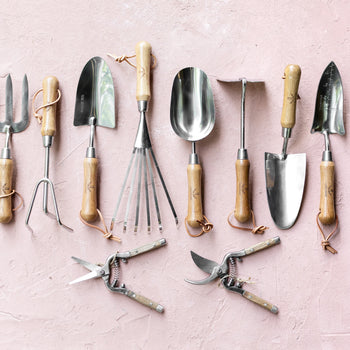
Tool organizers come in various forms, from roll-up bags to pegboards. They provide a convenient way to keep smaller tools like trowels, pruners, and gloves in order. A pegboard mounted on the wall can display your tools visibly, making it easy to grab what you need.
Think about your gardening habits when selecting an organizer. If you often move around the garden, a portable tool caddy might be ideal. For those who prefer working in a fixed area, a stationary organizer on a workbench can be more practical.
Have you ever spent more time searching for a tool than actually using it? With these storage solutions, you can keep your tools ready and within reach. Investing in the right storage not only enhances your gardening efficiency but also brings a sense of satisfaction and order to your outdoor space.
Credit: shop.gardenary.com
Frequently Asked Questions
What Are Essential Tools For Beginner Gardeners?
Beginner gardeners need a few essential tools for success. Start with a hand trowel, pruning shears, and a garden fork. A watering can or hose is also vital for plant care. These tools help with planting, trimming, and watering, making gardening tasks easier and more efficient.
How Do I Choose The Right Gardening Gloves?
Choosing the right gardening gloves depends on the tasks you’ll perform. For heavy-duty work, opt for durable, thick gloves. For delicate tasks, lightweight gloves offer better flexibility. Ensure they fit well and provide comfort. Consider materials like leather or rubber for protection against thorns and moisture.
Why Is A Garden Fork Important?
A garden fork is crucial for breaking up soil and improving aeration. It’s especially useful for turning compost and loosening hard ground. The sturdy tines help penetrate compacted soil, making planting and fertilization easier. A quality garden fork enhances soil health and promotes better plant growth.
How Often Should Pruning Shears Be Sharpened?
Pruning shears should be sharpened regularly for optimal performance. Aim to sharpen them every few months, or whenever you notice difficulty cutting. Sharp blades ensure clean cuts, reducing plant stress and promoting healthier growth. Regular maintenance prolongs the lifespan of your pruning tools.
Conclusion
A gardener needs the right tools for a healthy garden. Basic tools like a shovel, rake, and gloves are essential. Pruning shears help manage plant growth. A watering can or hose keeps plants hydrated. Wheelbarrows make moving soil easier. Investing in quality tools saves time and effort.
Regular maintenance extends tool life. Choose tools that suit your garden size and needs. Happy gardening becomes achievable with the right equipment. Enjoy your time in the garden, creating beauty and tranquility. Start your gardening journey with confidence, using these essential tools.
Your garden will thank you.







