Imagine stepping into your community garden. The fresh scent of blooming flowers and the earthy aroma of freshly turned soil surround you.
It’s a place where plants grow, friendships blossom, and the community thrives. But to make your garden flourish, you need the right tools. Are you wondering what essentials you need to make your community garden a success? You’re not alone.
Many aspiring gardeners ask the same question. The right tools can make gardening easier, more enjoyable, and more productive. With the proper equipment, you can transform your patch of land into a lush, vibrant oasis. Curious about which tools will help you achieve this? Read on. This guide will walk you through the must-have items that will not only enhance your gardening experience but also ensure your garden becomes the pride of your community. Let’s dig in and uncover the secrets to a thriving community garden.

Credit: www.youtube.com
Garden Planning Essentials
Gardeners need basic tools like spades, gloves, and hoes for community gardens. Watering cans and pruners help maintain plants. These tools make gardening tasks easier and more efficient.
Planning your community garden is an exciting journey that lays the groundwork for a thriving green space. The right tools and strategies can make all the difference between a flourishing garden and a struggling one. Let’s explore some key essentials to kick-start your community garden planning.Choosing The Right Location
Finding the perfect spot for your community garden is crucial. Look for a location that receives at least six hours of sunlight daily. This ensures your plants can photosynthesize effectively, leading to healthier growth. Consider accessibility for all members. Is the site easy to reach for everyone involved? If possible, choose a location with water access nearby to make irrigation simpler. Also, think about visibility and security. A visible location can deter vandalism and promote community involvement. Sometimes, a personal experience of mine is watching a garden flourish simply because it was placed in a well-trafficked area, drawing in curious passersby who eventually became active participants.Assessing Soil Quality
Before planting, understanding your soil’s health is essential. Conduct a soil test to check pH levels and nutrient content. This will inform you about necessary soil amendments, like adding compost or specific fertilizers. Observe the soil texture—sandy soils drain quickly but might lack nutrients, while clay holds nutrients but can compact easily. Each type needs different care, so understanding this can save you time and effort. Think about how soil conditions can influence your plant choices. For instance, root vegetables thrive in loose, well-draining soil. Have you considered the type of plants you wish to grow and how they align with your soil quality? Tailoring your plant selection to your soil can lead to a more successful garden.
Credit: www.facebook.com
Basic Gardening Tools
Basic gardening tools are essential for any community garden. They help in planting, maintaining, and harvesting crops effectively. Having the right tools can make gardening tasks easier and more enjoyable. Let’s explore some must-have basic gardening tools.
Shovels And Spades
Shovels and spades are crucial for digging and moving soil. A shovel has a pointed blade, perfect for breaking ground. Use it for planting trees or digging holes. Spades have flat blades, ideal for edging and cutting through sod. Both are essential for a well-prepared garden bed.
Rakes And Hoes
Rakes and hoes keep the garden tidy and weed-free. Rakes gather leaves and smooth soil surfaces. They help in leveling the ground after planting. Hoes are great for removing weeds and cultivating soil. They break up soil crusts, helping plants grow better. Both tools maintain soil health and cleanliness.
Garden Forks
Garden forks are versatile and sturdy. They are used for turning and aerating soil. Garden forks loosen compacted soil, improving drainage and root growth. They’re also perfect for lifting bulbs and dividing perennials. A quality garden fork can handle tough jobs with ease.
Watering Equipment
Watering your community garden effectively is crucial to ensure your plants thrive. With the right watering equipment, you can make your gardening tasks easier and more efficient. Whether you’re a beginner or a seasoned gardener, choosing the appropriate tools can significantly impact the health and productivity of your garden. Let’s explore some essential watering equipment that can help you in your gardening journey.
Hoses And Nozzles
A hose is a staple in any garden setup. It provides a consistent flow of water, making it ideal for larger areas. Choosing a hose with the right length and material is important. A flexible and durable hose can save you from constant replacements. Pair it with a nozzle that offers adjustable settings for various watering needs. From gentle misting for seedlings to a powerful jet for cleaning, a versatile nozzle can be a game-changer.
Watering Cans
Watering cans are perfect for small gardens or individual plants. Their portability and precision allow you to target specific areas without overwatering. If you have delicate plants, a watering can with a rose spout will distribute water evenly. This tool is not only practical but also helps you connect with your garden on a personal level. Imagine walking through your garden, nurturing each plant with care.
Drip Irrigation Systems
Drip irrigation systems are a smart investment for community gardens. These systems provide water directly to the root zone, minimizing waste and maximizing efficiency. They can be set on timers, allowing you to automate your watering schedule. This is particularly beneficial if you have a busy lifestyle or if your garden covers a large area. Can you imagine the peace of mind knowing your plants are being watered even when you’re not around?
Watering your garden is more than just a routine; it’s an opportunity to ensure your plants flourish. With the right equipment, you can enhance your gardening experience and contribute to a healthier community garden. So, what watering tool will you choose to make your garden thrive?
Soil And Composting Tools
Community gardens need the right tools for success. Essential items include shovels, rakes, and compost bins. These tools help maintain soil health and manage waste efficiently.
Soil and composting tools are essential for a thriving community garden. They improve soil health, boost plant growth, and help reduce waste. A good selection of tools makes gardening easier and more productive. Let’s explore some key tools that every community garden should have.Compost Bins
Compost bins are vital for turning organic waste into nutrient-rich compost. They help recycle kitchen scraps and garden waste efficiently. Choose a bin that suits the garden’s size and needs. Stationary bins are easy to use and maintain. Tumbling bins speed up the composting process. A well-managed compost bin will produce quality compost.Soil Test Kits
Soil test kits help determine the soil’s nutrient levels and pH. They guide gardeners in making necessary amendments. Test kits are easy to use and provide quick results. They help identify deficiencies in nitrogen, phosphorus, or potassium. Regular testing ensures the soil remains healthy and supports plant growth.Wheelbarrows
Wheelbarrows are essential for transporting soil, compost, and other materials. They save time and reduce physical strain. A sturdy wheelbarrow with a good wheel provides stability. Consider the size and material when choosing a wheelbarrow. It should be easy to maneuver and durable. Wheelbarrows are a gardener’s best friend for moving heavy loads.Planting And Harvesting Tools
Selecting the right tools for a community garden enhances productivity. Essential items include shovels for digging and rakes for leveling soil. Pruners help maintain plant health, while watering cans ensure proper hydration.
Planting and harvesting tools are essential for a thriving community garden. They ensure each task is done efficiently and effectively. With the right tools, planting and harvesting become enjoyable. Let’s explore some of the key tools every community gardener should have.Trowels
Trowels are small hand tools with a pointed, scoop-shaped metal blade. They are perfect for digging small holes. Use them for planting seeds and young plants. Their size makes them easy to handle. They are ideal for working in tight spaces.Pruners And Shears
Pruners and shears are crucial for plant care. They help keep plants healthy and well-shaped. Use pruners for cutting branches and stems. Shears are great for trimming hedges and shrubs. Both tools ensure precise cuts. This promotes plant growth and health.Harvesting Baskets
Harvesting baskets make collecting produce simple. They are lightweight and easy to carry. Use them for gathering fruits, vegetables, and herbs. Baskets keep your harvest organized. This prevents damage to delicate produce. They are an essential tool for any gardener.Safety And Maintenance Gear
Safety and Maintenance Gear Quality gloves protect your hands while working in a community garden. Sturdy boots keep your feet safe from sharp tools. A hat shields you from the sun, and a tool belt organizes your equipment.
Safety and maintenance gear is essential for any community garden. Your hands and feet are your primary tools, so keeping them safe should be your priority. This equipment not only protects you but ensures your garden flourishes without unnecessary setbacks.Gloves And Protective Clothing
Wearing gloves is non-negotiable when working in a community garden. They protect your hands from thorns, blisters, and harmful chemicals. Opt for durable gloves that fit snugly to allow flexibility in tasks. Invest in protective clothing like sturdy shoes and long-sleeved shirts. Shoes should have good grip to prevent slips on muddy paths. Long sleeves shield your skin from sun exposure and insect bites. Doesn’t it feel reassuring to know you’re shielded from common garden hazards?Tool Maintenance Kits
A well-maintained tool is your best ally in the garden. Having a maintenance kit keeps your tools sharp and efficient. Include essentials like oil for lubrication, a file for sharpening, and a brush for cleaning. Regular maintenance prevents tools from rusting and prolongs their lifespan. Organize your kit so everything is easy to find when needed. Have you ever struggled with a rusty spade? Imagine the ease with a well-maintained one.Community Garden Management Tools
Essential tools for managing a community garden include shovels, rakes, and watering cans. Organizing these tools ensures efficient plant care and garden maintenance. Compost bins and wheelbarrows also help in creating a sustainable gardening environment.
Managing a community garden requires more than just green thumbs and watering cans. It’s about ensuring smooth collaboration, efficient scheduling, and organized operations. This is where community garden management tools come into play. They help you keep everything on track and make sure everyone is on the same page. Let’s dive into some essential tools that can transform your community garden into a well-oiled machine.Organizational Software
Organizational software can be a game changer for your community garden. Tools like Trello and Asana allow you to create boards for different tasks and assign them to team members. Imagine being able to see all upcoming planting schedules, maintenance tasks, and community events at a glance. This kind of transparency not only enhances productivity but also ensures that no task falls through the cracks. By using these platforms, you can share updates with everyone involved, fostering a sense of community and accountability. Plus, they are user-friendly, so even if some members are not tech-savvy, they can quickly get the hang of it. Have you ever tried using such software in your garden endeavors?Scheduling Tools
Scheduling tools are another essential component for managing a community garden effectively. Google Calendar is a versatile tool that can help you manage your garden’s timeline. You can set up reminders for watering days, harvest times, and group meetings, ensuring everyone knows their responsibilities. Another fantastic option is Doodle, which is great for coordinating meeting times that suit everyone. You can avoid endless email chains and quickly see when people are available. Think about how much smoother your garden operations could run with a well-organized schedule. Have you considered how a scheduling tool could streamline your community garden activities? By embracing these management tools, you can enhance efficiency and build a stronger community spirit. Are you ready to take your community garden to the next level?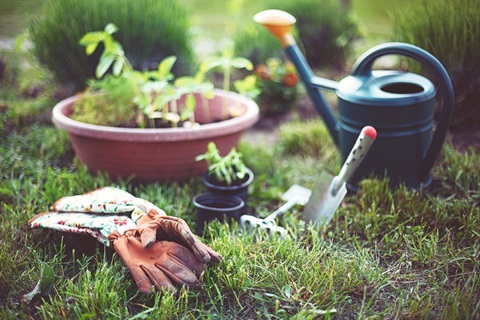
Credit: www.bellingen.nsw.gov.au
Frequently Asked Questions
What Are Essential Tools For Community Gardening?
Essential tools for community gardening include gloves, spades, trowels, and watering cans. These tools help in planting, digging, and maintaining the garden efficiently. A wheelbarrow is useful for transporting soil and plants. Pruning shears are essential for trimming plants and ensuring healthy growth.
How Do I Choose The Right Garden Tools?
Choose garden tools based on the type of plants and soil. Consider the size and weight for easy handling. Durable materials like stainless steel and hardwood ensure longevity. Ergonomic designs provide comfort during use. Test tools before purchase to ensure they meet your needs.
Can I Use Homemade Tools In Community Gardens?
Yes, homemade tools can be used in community gardens. They are cost-effective and customizable to specific gardening needs. Ensure they are sturdy and safe to use. Common homemade tools include DIY compost bins and trellises. Creativity can enhance your gardening experience.
Why Is Garden Tool Maintenance Important?
Garden tool maintenance is crucial for efficiency and longevity. Regular cleaning prevents rust and damage. Sharpen blades for precise cutting. Proper storage protects tools from weather elements. Maintenance ensures safety and enhances gardening performance. Invest time in regular upkeep for optimal results.
Conclusion
Creating a community garden requires the right tools. They simplify tasks, making gardening enjoyable. Start with basic tools like shovels, rakes, and trowels. These help in planting and soil preparation. Watering cans and hoses ensure plants stay hydrated. Pruners and gloves protect your hands while maintaining plants.
Compost bins contribute to healthy soil. Organize tools for easy access and efficiency. Involve community members in tool collection and sharing. This fosters teamwork and reduces costs. With these tools, your garden will thrive. Enjoy the beauty and benefits of your community garden!







