
Imagine growing your own fresh vegetables and raising fish in one harmonious system right in your backyard. Sounds amazing, right?
That’s the beauty of aquaponics. With minimal space and effort, you can create a sustainable ecosystem that provides both food and fun. But before you jump in, you need the right tools to make your aquaponics garden thrive. You might be wondering, “What exactly do I need?
” Don’t worry—we’ve got you covered. This article will walk you through the essential tools you’ll need, so you can transform your gardening dreams into reality. Curious to know more? Keep reading to discover how easy it is to start your own aquaponics garden.
Aquaponics System Components
Building an aquaponics garden requires a fish tank, grow beds, a water pump, and a filtration system. Essential tools include pH testers and thermometers to maintain optimal conditions.
Building an aquaponics garden is an exciting journey, blending nature and technology to grow your own food sustainably. Understanding the essential components of an aquaponics system is crucial for success. Each part plays a unique role, ensuring your plants and fish thrive in harmony. Let’s dive into the core components you need to get started.Grow Beds
Grow beds are where your plants will flourish. They hold the growing medium, such as clay pebbles or gravel, which supports plant roots and provides stability. The choice of material impacts water flow and root aeration. Position your grow beds for easy access. Elevation matters, as it helps in gravity-fed systems to return water to the fish tank. Think of them as your garden’s stage, setting the scene for lush plant growth.Fish Tanks
Your fish tank is the heart of the aquaponics system. It houses the fish, whose waste provides essential nutrients for plants. Choose a tank size based on the number of fish you plan to raise. Make sure the tank is made of non-toxic materials to keep fish healthy. Visibility might be important if you want to observe fish behavior, so consider clear tanks or windows.Pumps And Plumbing
Pumps and plumbing are the veins of your aquaponics system. The pump circulates water, ensuring nutrient-rich water reaches the grow beds. A reliable pump is crucial for maintaining steady water flow. Invest in quality plumbing fittings to avoid leaks and ensure smooth water movement. Consider using flexible tubing for easier setup and adjustments. Ask yourself, what would happen if water stopped flowing? Ensuring a backup plan can save your garden from potential disaster. By carefully selecting and setting up these components, you’re setting the foundation for a thriving aquaponics garden. Remember, each element supports another, creating a balanced ecosystem that can yield both fish and plants sustainably. What will you grow in your aquaponics garden?
Credit: www.grozine.com
Water Quality Management
Building an aquaponics garden requires essential tools like water quality test kits, pH meters, and thermometers. These tools help monitor water conditions, ensuring a healthy balance for fish and plants. Regular checks maintain optimal growth and productivity in your aquaponics system.
Water quality management is key in aquaponics gardening. Maintaining optimal conditions ensures healthy plants and fish. Proper tools help monitor and adjust water quality effectively.Ph Meters
Monitoring pH levels is crucial for aquaponics success. pH meters provide accurate readings. They help keep the balance between alkaline and acidic levels. Regular checks prevent harmful conditions for fish and plants.Ammonia Test Kits
Fish waste produces ammonia, which can be toxic. Ammonia test kits detect levels in the water. These kits help track changes and prevent harmful spikes. Monitoring ammonia ensures a safe environment for aquatic life.Nitrate And Nitrite Test Kits
Nitrates and nitrites are byproducts of ammonia breakdown. They are essential for plant growth but can be dangerous in high levels. Test kits identify these compounds in the water. Regular testing helps maintain a balanced ecosystem. Proper levels support healthy fish and flourishing plants.Lighting Solutions
Building an aquaponics garden requires specific tools like grow lights, water pumps, and fish tanks. These essentials ensure plants receive adequate light and nutrients from fish waste, promoting healthy growth in a sustainable system.
Lighting is crucial for a successful aquaponics garden. Plants need light to grow and thrive. Choosing the right lighting solution can make a big difference. Let’s explore two popular options.Led Grow Lights
LED grow lights are efficient and long-lasting. They use less energy, saving you money. These lights produce minimal heat, keeping your plants safe. You can adjust the light spectrum to suit different plant needs. LED grow lights are compact and easy to install. They’re a great choice for both small and large setups.Fluorescent Lights
Fluorescent lights are affordable and widely available. They provide good light quality for plant growth. These lights are perfect for beginners in aquaponics. Fluorescent lights come in different sizes and types. T5 and T8 are common choices. They offer a balanced light spectrum for plants. Fluorescent lights can be placed close to plants without burning them. They are a practical option for hobbyists.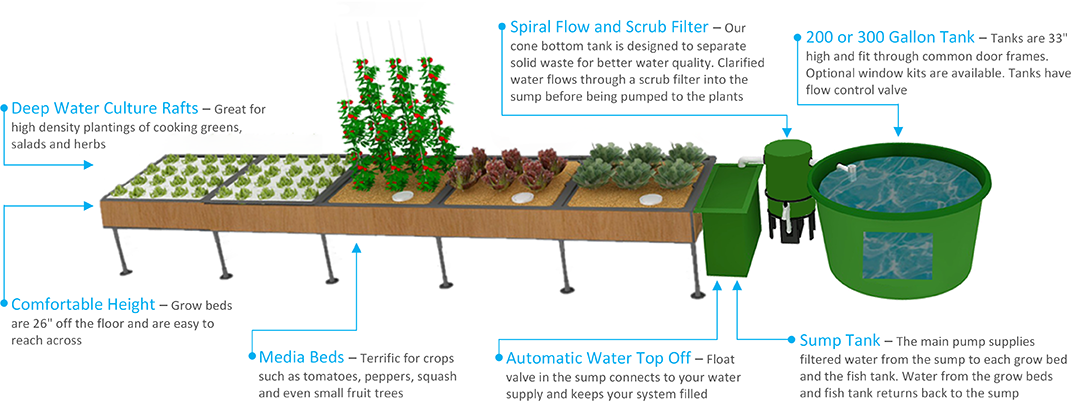
Credit: www.theaquaponicsource.com
Aeration Equipment
Aeration equipment is crucial in aquaponics gardens. It ensures oxygen levels remain optimal. Plants and fish thrive with adequate oxygen. This equipment helps maintain a balanced ecosystem. Let’s explore the key components of aeration equipment.
Air Pumps
Air pumps push air into the water. They create bubbles that increase oxygen levels. Choose a pump based on your garden size. Larger systems need more powerful pumps. They ensure efficient air circulation. Quiet and energy-efficient models are available. Regular maintenance extends their lifespan.
Air Stones
Air stones diffuse the air into fine bubbles. They enhance oxygen distribution in the water. Place them evenly throughout the tank. This ensures consistent aeration. Air stones come in various shapes and sizes. Choose one that fits your system’s needs. Clean them regularly to maintain efficiency.
Fish And Plant Selection
Choosing the right fish and plants is essential for aquaponics. Tools like pH meters, water pumps, and grow beds help maintain balance. Proper selection ensures a healthy ecosystem, promoting growth and sustainability in your aquaponics garden.
Building an aquaponics garden can be an exciting journey that intertwines the life of fish and plants in a mutually beneficial environment. The success of your aquaponics system hinges significantly on the right selection of fish and plants. Making informed choices in these areas ensures the vitality of your ecosystem and the bounty it can produce.Choosing Suitable Fish
Selecting the right fish is a crucial step. Not all fish thrive in aquaponic systems, so understanding the needs of different species is essential. Common choices include tilapia, goldfish, and koi, each offering unique benefits. Tilapia are hardy and grow quickly, making them ideal for beginners. Goldfish are resilient and can withstand varying water conditions, which is perfect for those just starting out. Koi, while more ornamental, can also add a visual appeal to your system. Consider the climate you live in. Warmer climates suit tilapia, whereas koi and goldfish adapt well to cooler temperatures. Always ensure your fish are sourced from reputable suppliers to avoid diseases.Selecting Compatible Plants
Choosing plants that complement your fish is equally important. Leafy greens like lettuce, basil, and spinach flourish in aquaponics due to their rapid growth and nutrient needs. These plants benefit from the nutrient-rich water provided by the fish. Tomatoes, cucumbers, and peppers can also be grown, offering variety and vibrant flavors to your harvest. However, these may require more space and support structures as they grow. Think about the plants you consume regularly. This not only makes your system more sustainable but also ensures a fresh supply of your favorite veggies. Always start with seedlings to speed up the initial growth phase and reduce the time to harvest. As you plan your aquaponics garden, consider how the fish and plants will interact. What challenges might arise from your choices? By understanding the dynamics of fish and plant selection, you can create a thriving ecosystem that’s both productive and rewarding.
Credit: gogreenaquaponics.com
Filtration Systems
Filtration systems play a key role in building an aquaponics garden. Essential tools include mechanical filters, biofilters, and water pumps. These tools help maintain water quality, ensuring a healthy environment for both plants and fish.
Building an aquaponics garden is a rewarding venture that combines aquaculture and hydroponics to create a sustainable ecosystem. A crucial component of this system is the filtration system, which ensures the health and growth of both plants and fish. Proper filtration maintains water quality, which is essential for the overall success of your aquaponics garden. By understanding the different types of filters and their functions, you can optimize your garden’s efficiency and productivity.Mechanical Filters
Mechanical filters are the first line of defense in your aquaponics filtration system. They work by physically removing solid waste and debris from the water. This is vital to prevent clogging and ensure smooth water flow. A common type of mechanical filter is a swirl filter. It uses centrifugal force to separate solids from the water. Another option is a screen filter, which traps particles as water passes through. Regular cleaning of mechanical filters is necessary to maintain their effectiveness.Biological Filters
Biological filters play a different role—they focus on breaking down waste using beneficial bacteria. These bacteria convert harmful ammonia from fish waste into nitrates, which are nutrients for plants. This process is known as nitrification. To create an effective biological filter, you need a medium with a large surface area. Materials like bio-balls or porous rocks work well. Position the filter where water can flow over the medium, facilitating bacterial growth. Consider adding an air pump to enhance oxygen levels, which supports bacterial activity. With a well-maintained biological filter, your aquaponics system becomes a thriving environment for both fish and plants. When setting up your aquaponics garden, have you considered how each component of the filtration system will impact your ecosystem? Proper planning and maintenance of these filters can lead to a flourishing garden.Nutrient Additives
Nutrient additives play a vital role in aquaponics gardens. Essential tools include water testing kits to monitor nutrient levels and ensure plant health. Proper nutrient balance fosters a thriving ecosystem for both fish and plants.
Building an aquaponics garden demands attention to nutrient balance. Nutrient additives are crucial for healthy plant growth. They ensure plants get essential elements absent in fish waste. These additives help maintain a balanced ecosystem. Each plays a unique role in promoting growth and productivity.Iron Supplements
Iron is vital for plant health. Deficiency affects photosynthesis and leaf color. Iron supplements help maintain green foliage. Chelated iron is effective in aquaponics systems. It dissolves easily in water, making absorption simpler. Regular checks on iron levels are important. This prevents deficiencies before they impact plant growth.Calcium And Potassium Sources
Calcium strengthens plant cell walls. It prevents tip burn and blossom end rot. Calcium carbonate is a common choice. It dissolves slowly, releasing calcium over time. Potassium supports plant metabolism. It helps with water movement and enzyme activation. Potassium sulfate provides essential potassium. Both nutrients are crucial for healthy plant development.Monitoring And Maintenance Tools
Creating a successful aquaponics garden requires more than just setting up tanks and plants. Monitoring and maintenance tools are essential for a thriving system. These tools help you track vital conditions that affect plant and fish health. Regular checks ensure everything stays in balance. Let’s explore two key monitoring tools: thermometers and water level indicators.
Thermometers
Thermometers play a crucial role in an aquaponics garden. They help track water temperature. Fish and plants need specific temperatures to thrive. Too hot or too cold can cause stress. Stress leads to disease and poor growth. Digital thermometers provide accurate readings. They are easy to use and maintain. Place them in various spots for best results.
Water Level Indicators
Water level indicators ensure your system has enough water. They alert you to low water levels. Low water can harm fish and plants. It can also damage pumps and filters. Simple float switches or electronic sensors work well. They provide timely alerts. This helps you avoid potential problems.
Frequently Asked Questions
What Basic Tools Are Needed For Aquaponics?
To start an aquaponics garden, you’ll need a grow bed, fish tank, water pump, and air pump. Additionally, pH test kits and water heaters are essential. Make sure you have grow lights if natural light is insufficient. These tools ensure a well-functioning aquaponics system.
How Do You Maintain An Aquaponics System?
Maintaining an aquaponics system involves regular water quality checks and feeding fish appropriately. Ensure the pH level is balanced and monitor fish health. Clean components regularly to prevent clogs. Consistently check the system for any leaks or malfunctions to ensure optimal performance.
Do You Need Special Lighting For Aquaponics?
Yes, special grow lights are often needed, especially indoors. They mimic sunlight, promoting plant growth. LED grow lights are popular due to their energy efficiency. Ensure your plants receive 12-16 hours of light daily. Adjust the intensity based on plant type and growth stage.
How Important Is A Water Pump In Aquaponics?
A water pump is crucial for circulating water between the fish tank and grow bed. It ensures nutrients reach plants and maintains oxygen levels. Choose a pump that’s reliable and suitable for your system size. Regular maintenance prevents failures and ensures efficient operation.
Conclusion
Building an aquaponics garden requires some essential tools. With the right setup, you can grow healthy plants and fish. Start with a sturdy tank and a reliable pump. These ensure water circulation and oxygen levels stay optimal. Choose grow beds that suit your space and plant needs.
Don’t forget quality fish food and plant nutrients. They keep your system thriving. Regular monitoring tools help you track water quality. An aquaponics garden can be a rewarding project. With the right tools, you nurture a balanced ecosystem at home.
Happy gardening!







