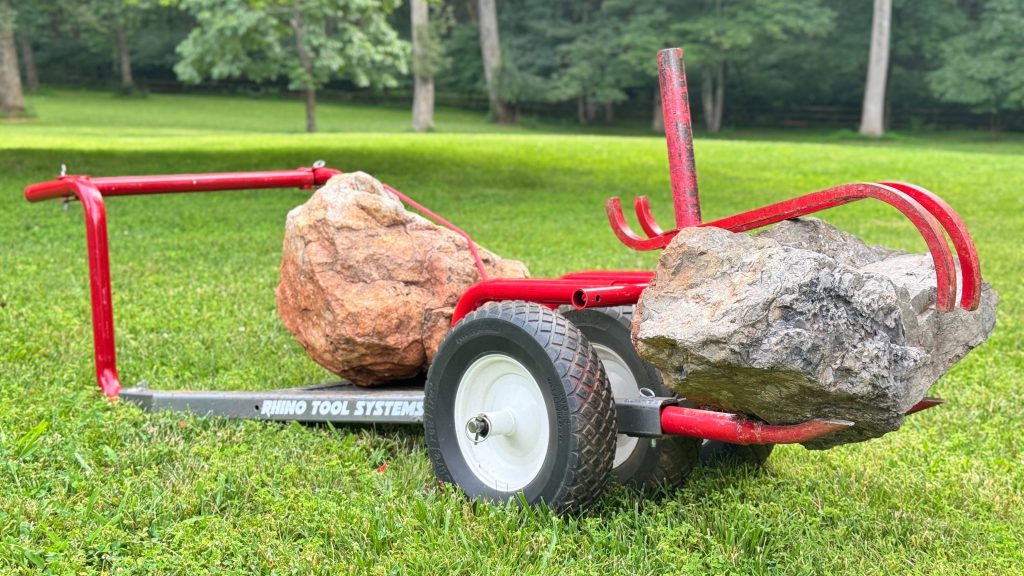
Imagine stepping into your garden, ready to transform it into a lush oasis. But there’s a problem—rocks are scattered everywhere, disrupting your plans.
You might feel overwhelmed, wondering how to remove those obstacles efficiently. You’re not alone. Many gardeners face this challenge and the solution is simpler than you think. With the right tool, you can clear your garden of rocks, paving the way for a beautiful landscape.
Ready to discover how? Stick around to learn which tool will make your garden rock-free in no time.

Credit: www.instagram.com
Choosing The Right Tool
Selecting the right tool for removing rocks from your garden can simplify the task. A garden fork or shovel efficiently loosens and lifts rocks, making the process easier. For larger stones, a wheelbarrow can transport them without straining your back.
Choosing the right tool to remove rocks from your garden is essential. It ensures efficiency and prevents damage to your plants or soil. With many options available, selecting the correct tool can simplify the task. Consider factors like rock size and soil type before making a decision.Factors To Consider
Understanding the specific needs of your garden helps in tool selection. First, assess the size and quantity of rocks. Larger rocks require sturdy tools with more leverage. Smaller rocks can be handled with lighter equipment. Soil type plays a crucial role. Soft soil allows easy penetration, while hard soil demands stronger tools. Consider the garden’s layout. Tight spaces need compact tools for maneuverability. Your physical ability also matters. Choose tools that match your strength and comfort level.Types Of Rocks
Different rocks require different approaches. Pebbles and small stones can be managed with simple hand tools. Gravel rakes or garden forks work well for these. Larger rocks need specialized equipment. Pickaxes or mattocks can help in breaking down big stones. Boulder removal may require heavy machinery. Understanding rock types ensures you choose effective tools. Keep in mind that some rocks might be partially buried. Tools with long handles offer better reach for these situations.
Credit: www.amazon.com
Manual Tools
Manual tools offer a straightforward way to remove rocks from your garden. They’re simple to use and require no power source. These tools are ideal for small gardens or areas where precision is needed. Learn about the best manual tools to make rock removal easier.
Garden Fork
The garden fork is essential for loosening soil and rocks. Its strong tines penetrate hard ground, making it easier to lift rocks out. Use it to dig around the rock, creating space for removal. This tool is also great for aerating soil, improving overall garden health.
Shovel
A shovel is versatile and useful in rock removal. Its wide blade is perfect for lifting and transporting rocks. Dig around the rock to loosen the soil. Then, use the shovel to lift the rock out. Choose a sturdy shovel for durability and ease of use.
Pickaxe
The pickaxe breaks through tough soil and larger rocks. Its sharp edge makes it easy to chip away at stubborn areas. Swing the pickaxe to break up rocks, then clear the debris with other tools. Ideal for larger gardens or rocky landscapes.
Rake
A rake helps gather smaller rocks and debris. Its wide head covers more ground, speeding up the process. Use it to collect rocks into piles for easy removal. Rakes are also great for leveling soil after rock removal. Choose a rake with sturdy tines for best results.
Mechanical Tools
A garden fork effectively removes rocks from the garden soil. Its sturdy tines lift and loosen stones with ease, maintaining soil quality. This tool ensures your garden is rock-free, ready for planting.
Mechanical tools can significantly ease the process of removing rocks from your garden, transforming a labor-intensive task into a manageable one. These tools are designed to handle tough jobs and can save you valuable time and energy. Whether you’re dealing with small stones or larger boulders, the right mechanical tool can make all the difference. Below, we’ll explore three essential mechanical tools that are particularly effective for rock removal.Rototiller
A rototiller is a versatile tool that can break up soil and help dislodge rocks. Its rotating blades churn the earth, making it easier to spot and remove rocks. Consider using a rototiller after a rainy day when the soil is softer. This can make the task even more efficient. Have you ever wondered how professional landscapers maintain such pristine gardens? A rototiller is often their secret weapon.Mini Excavator
For larger rocks, a mini excavator can be a game-changer. This compact machine provides the power needed to dig and lift heavy stones without disturbing the surrounding garden. Operating a mini excavator might seem daunting, but with a bit of practice, it’s surprisingly user-friendly. Just imagine the satisfaction of watching a stubborn rock lifted effortlessly from its place. Wouldn’t that feel like a victory?Stone Burier
A stone burier is ideal for gardens with a high volume of stones. It not only removes rocks but also buries them deeper into the soil, creating a smooth surface for planting. Using a stone burier can reduce the need for frequent rock removal. This tool is perfect for setting up a new garden bed. What could be better than preparing your garden for planting while simultaneously tackling those pesky rocks?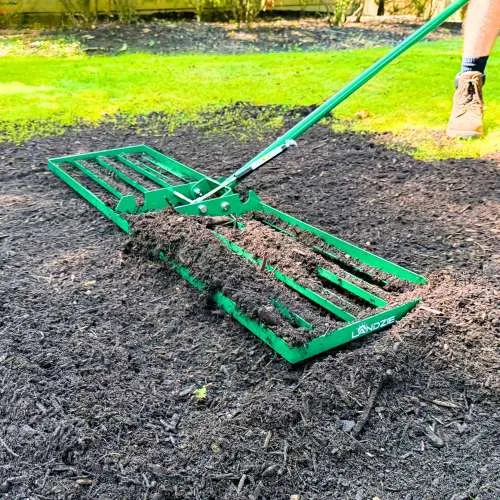
Credit: landzie.com
Innovative Solutions
Gardening requires the right tools for removing rocks from soil. A sturdy garden rake can be effective. This tool helps sift through dirt, making rock removal easier. Another option is a wheelbarrow, useful for transporting larger stones. Both tools simplify the task, ensuring a smoother gardening experience.
Innovative Solutions Gardening can be a delightful pursuit, but managing pesky rocks can turn it into quite a challenge. Fortunately, modern tools offer innovative solutions to make rock removal easy and efficient. Imagine transforming your garden without the struggle of manually picking rocks. These solutions are designed to save time and effort, allowing you to focus on nurturing your plants. Are you ready to discover tools that will redefine your gardening experience?Rock Buckets
Rock buckets are an excellent choice for those dealing with larger rocks. These buckets, often attached to tractors, are designed with slotted bottoms that sift out soil while capturing rocks. They enable quick and efficient removal of unwanted stones, leaving your garden bed smooth. Have you ever spent hours trying to clear rocks only to end up exhausted? With rock buckets, you can eliminate that hassle and enjoy more time planting and tending to your garden.Soil Sifters
Soil sifters offer a more hands-on approach, ideal for smaller gardens or precise rock removal. These tools consist of a frame with a mesh screen that filters out rocks while allowing soil to pass through. It’s like having a mini rock sorting station right in your backyard. Have you considered how much easier gardening could be with a tool that simplifies soil preparation? By using a soil sifter, you can ensure a rock-free garden bed, perfect for planting delicate seedlings.Safety Tips
Using a garden fork can help in removing rocks from your garden efficiently. It loosens the soil, making rock removal easier. A shovel is also useful for lifting larger stones without damaging plants.
When removing rocks from a garden, safety is crucial. Without the right precautions, injuries can occur. Follow these safety tips to protect yourself and others.Protective Gear
Wear safety goggles to shield your eyes from debris. Gloves are essential to protect your hands from sharp edges. Sturdy boots prevent foot injuries from heavy rocks. A hard hat is wise if rocks could fall from a height.Proper Lifting Techniques
Bend your knees, not your back, when lifting. Keep the rock close to your body. Use your legs to lift the weight, not your back. Avoid twisting your body while holding a rock. If a rock is too heavy, get help or use a tool.Maintaining A Rock-free Garden
Maintaining a rock-free garden is an essential task for any gardening enthusiast. Rocks can disrupt plant growth, damage tools, and hinder overall garden aesthetics. By incorporating regular inspections and preventive measures, you can ensure your garden remains vibrant and rock-free.
Regular Inspections
Have you ever noticed how rocks seem to appear from nowhere? They might be hidden beneath the soil, or perhaps carried in by wind and rain. Regular inspections are crucial in spotting these unwelcome visitors before they become a problem.
Make it a habit to check your garden beds every few weeks. Look for exposed rocks or suspicious bumps in the soil. A quick walk around your garden can reveal hidden rocks that need removal.
Consider keeping a small toolkit handy, including a garden spade or hand trowel. This makes it easy to remove any rocks you find on the spot. Regular inspections prevent rocks from embedding themselves deeper into the soil, making removal more challenging.
Preventive Measures
Preventive measures can save you a lot of time and effort in maintaining a rock-free garden. Start by assessing the landscape. Are there areas prone to rock accumulation?
Apply mulch or ground cover to help stabilize the soil and reduce erosion. This can minimize the movement of rocks and keep them from surfacing.
Another effective measure is to install barriers or edging around garden beds. These structures can act as a shield, preventing rocks from migrating into your garden.
Think about the tools you use. A garden sieve can help filter out rocks when preparing new soil. It’s a simple addition that can make a big difference.
By taking these proactive steps, you create an environment where plants thrive, and your garden remains rock-free. Isn’t it worth the effort to enjoy a smoother gardening experience?
Frequently Asked Questions
What Is The Best Tool For Removing Rocks?
The best tool for removing rocks is a rock rake. It efficiently gathers and removes small to medium-sized rocks. For larger rocks, consider using a mattock or pickaxe. These tools help loosen and lift heavy stones with ease, ensuring a clear and rock-free garden.
How Do I Use A Rock Rake Effectively?
To use a rock rake effectively, start by clearing debris. Rake in a consistent direction to gather rocks. Apply slight pressure to ensure rocks are collected. Regularly empty the rake to maintain efficiency. This method ensures a clean and rock-free garden surface.
Can A Shovel Remove Rocks From A Garden?
Yes, a shovel can remove rocks from a garden. It’s effective for digging and lifting larger stones. For smaller rocks, a flat shovel works best. Ensure to dig around the rock edges for easy removal. This method keeps your garden tidy and rock-free.
Should I Use A Pickaxe For Large Rocks?
Yes, a pickaxe is ideal for large rocks. It helps in breaking and loosening heavy stones. Start by striking around the rock’s edges. Gradually dig deeper to lift the rock out. This tool ensures efficient removal of stubborn garden rocks.
Conclusion
Removing rocks from your garden can be simple with the right tools. Choose a shovel for small rocks, or a rake for surface stones. Larger rocks require more effort. Consider a pickaxe or garden fork for stubborn ones. A wheelbarrow helps with transporting removed rocks.
These tools save time and effort. A rock-free garden improves plant growth and aesthetics. Regular maintenance keeps your garden rock-free. With these tools, enjoy a smoother gardening experience. Happy gardening!