Picture this: you reach for your trusty garden tools, only to find them covered in rust. Not only is it frustrating, but rust can ruin your tools and make your gardening tasks harder.
Luckily, there are simple ways to keep rust at bay. Imagine having tools that stay clean and efficient, ready for any gardening challenge you face. You deserve tools that work as hard as you do. Learn how to protect them from rust, ensuring their longevity and performance.
The solutions might surprise you with their simplicity and effectiveness. Dive into this guide to discover easy, practical tips that will change the way you care for your garden tools forever. Your garden tools deserve the best, and so do you.

Credit: www.gustharts.com
Choosing Rust-resistant Materials
Applying rust-resistant oils or sprays keeps garden tools in top shape. These materials create a protective barrier. Regular maintenance ensures tools last longer and work efficiently.
Choosing rust-resistant materials for your garden tools is a smart way to ensure they last longer and perform better. It can save you time and money in the long run, as you won’t have to frequently replace or repair tools. When selecting materials, consider durability and how well they can withstand the elements.Stainless Steel
Stainless steel is a popular choice for garden tools due to its natural resistance to rust. You can rely on stainless steel shovels and pruners for years without the worry of corrosion. It’s also easy to clean, which helps maintain its pristine condition.Aluminum
Aluminum tools are lightweight and rust-resistant, making them ideal for gardeners who need to maneuver easily. Think about how much easier it is to work with a hoe that doesn’t weigh you down. Plus, aluminum doesn’t corrode, which is a big win for your gardening toolkit.Galvanized Steel
Galvanized steel is coated with zinc to prevent rusting, offering a sturdy option for those heavy-duty gardening tasks. If you often deal with tough soil, galvanized steel tools can handle the pressure without succumbing to rust.Plastic Components
While not suitable for every tool, plastic handles or parts can significantly reduce rust issues. They provide a comfortable grip and don’t corrode. Consider a garden fork with a plastic handle next time you shop—your hands will thank you, and rust won’t be a problem.Composite Materials
Composite materials combine fibers and resin, offering strength without the risk of rust. They’re perfect for handles or lightweight tools. If you value durability, composite materials can be a game-changer in your gardening routine. Are you ready to rethink your garden tool choices? With these rust-resistant materials, you can focus on nurturing your plants rather than battling rust.Cleaning Tools Regularly
Applying a light coat of vegetable oil on garden tools can help prevent rust. This creates a protective barrier against moisture. Regular cleaning and oiling ensure long-lasting durability and effectiveness.
Keeping your garden tools free from rust starts with consistent cleaning. Regular maintenance not only extends the life of your tools but also ensures they function effectively. Imagine reaching for your trusty spade, only to find it caked with dirt and rust. With a little effort, you can prevent this scenario by adopting a cleaning routine.Removing Soil And Debris
Begin by removing all soil and debris from your tools. Use a stiff brush to scrub off the dirt, reaching into crevices where soil might hide. A bucket of water can help loosen stubborn grime, but remember to avoid soaking wooden handles for too long. Next, consider using a putty knife or an old knife to gently scrape off tough, dried-on mud. It’s amazing how much easier your tools will cut through the soil when they’re clean. Have you ever noticed how a clean tool feels almost new?Drying Techniques
Once your tools are free from dirt, the drying process is crucial. Wipe them down with a clean, dry cloth to remove any remaining moisture. Moisture is the enemy of metal, so ensure every drop is gone. Some gardeners prefer to air-dry their tools in the sun for a few hours. This natural drying method is effective, especially on warm, breezy days. However, don’t forget to bring them inside before the evening dew sets in. You might also try hanging your tools in a well-ventilated area. This simple habit can protect your tools from rust, keeping them ready for action whenever you need them. By regularly cleaning and drying your garden tools, you’ll not only prevent rust but also enjoy a more pleasant gardening experience.Applying Protective Oils
Applying protective oils to garden tools can help prevent rust. Regularly coat blades and metal parts with linseed or mineral oil. This simple step keeps tools in good condition for longer use.
Applying protective oils to your garden tools can be a game-changer in preventing rust. Rust not only diminishes the look of your tools but also affects their functionality. By creating a protective barrier, oils help repel moisture and keep your tools in top condition.Natural Oils
Natural oils like linseed oil and coconut oil are excellent options for rust prevention. They are eco-friendly and easy to find. You might have them in your kitchen already! Apply a thin layer of these oils on clean, dry tools. Use a cloth to evenly distribute the oil, ensuring you cover all metal surfaces. It’s like giving your tools a nourishing treatment. You might even notice that these oils add a bit of shine to your tools.Commercial Rust Protectants
If you’re looking for something specifically designed to combat rust, commercial rust protectants are a reliable choice. These products are formulated to provide long-lasting protection. Most rust protectants come in spray form. This makes application quick and easy, especially for tools with intricate designs. Choose a product that suits your climate and tool material. Have you ever considered how your local weather impacts your tools? It might be worth pondering when choosing a protectant. You can find these protectants in garden stores or online. They are an investment in the longevity of your tools, ensuring that they serve you well season after season. Incorporate these protective measures into your routine and see the difference. Rust-free tools are more efficient and enjoyable to use, making your gardening experience more rewarding.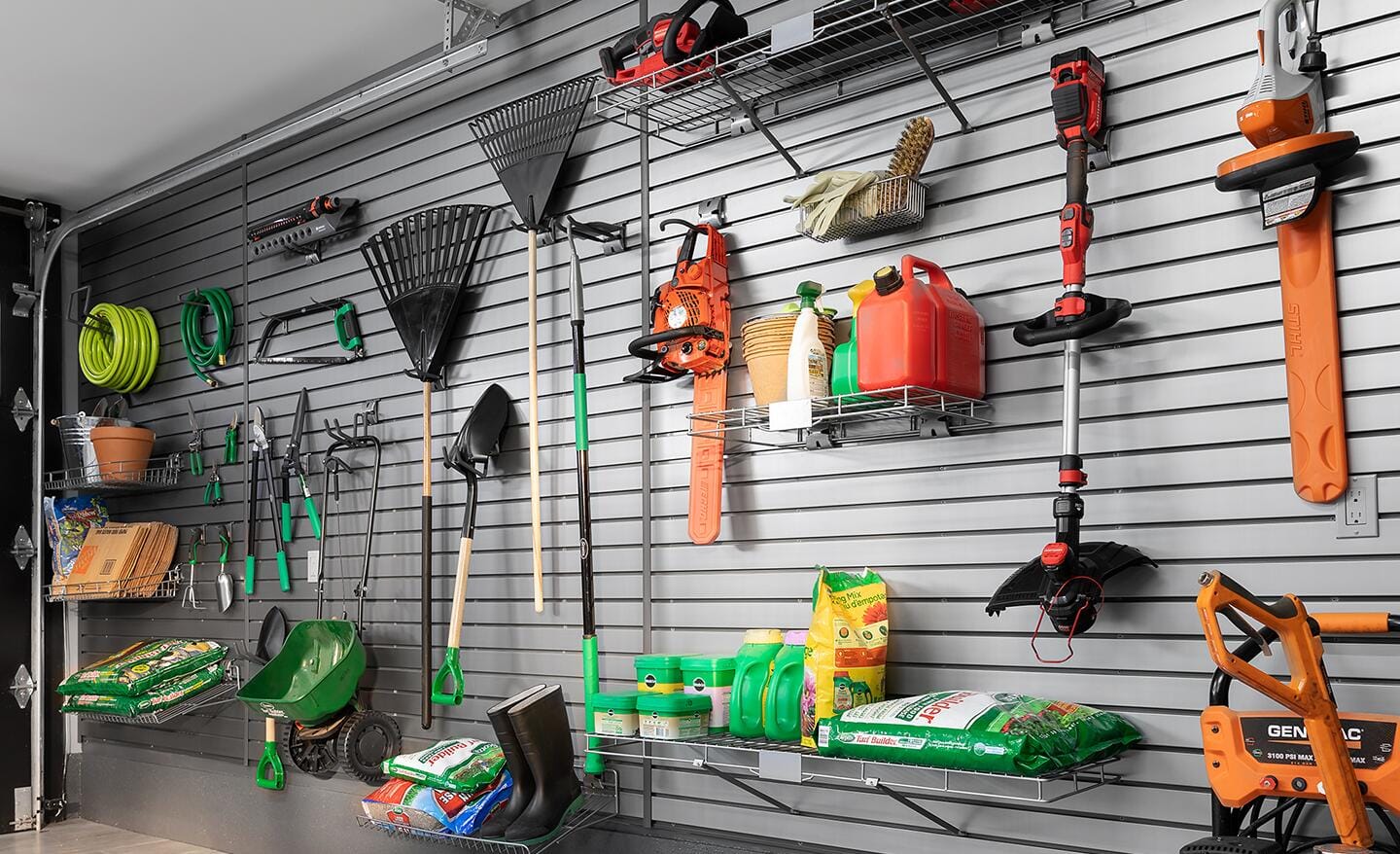
Credit: www.homedepot.com
Utilizing Rust-inhibitor Sprays
Rust-inhibitor sprays shield garden tools from moisture and rust. Apply evenly for effective protection. Regular use keeps tools in good condition.
Preventing rust on your garden tools can feel like an endless battle, especially if you’re someone who cherishes every spade and trowel. Thankfully, rust-inhibitor sprays can act as a protective shield, keeping your tools in top shape. These sprays are designed to create a barrier between the metal and moisture, which is often the culprit behind the unsightly rust.Why Choose Rust-inhibitor Sprays?
Rust-inhibitor sprays are incredibly easy to use. Simply spray them onto the tool’s surface, ensuring you cover every nook and cranny. Unlike other methods, they don’t require much time or effort. You can apply them in minutes and carry on with your gardening activities.How To Apply Rust-inhibitor Sprays Effectively
Start by cleaning your tools thoroughly. Remove any dirt or residue using a damp cloth. Once the tools are clean, shake the spray can well. Hold the can about 6-8 inches away from the tool and apply an even coat. Let the spray dry completely before storing your tools. This ensures maximum protection.Understanding The Benefits Of Regular Use
Using rust-inhibitor sprays regularly can significantly extend the lifespan of your tools. They not only prevent rust but can also lubricate moving parts, making your tools easier to use. Imagine never having to replace a favorite shovel or pruner simply because it rusted away. It’s all possible with consistent use of these sprays.Choosing The Right Spray For Your Tools
Not all rust-inhibitor sprays are created equal. Some are designed specifically for gardening tools, offering extra protection against soil and moisture. Always read the labels and reviews before making a choice. A good spray will be non-toxic and safe for the environment, aligning with your gardening ethos.Common Mistakes To Avoid
One common mistake is applying the spray without cleaning the tools first. This traps dirt under the protective layer, leading to scratches and potential rust spots. Another error is using too much spray. A light, even coat is sufficient. Over-application can create a sticky residue that attracts dirt. Are your tools rust-free? Or have you found another way to keep them pristine? Share your thoughts in the comments.Storing Tools Properly
Garden tools stay rust-free with a simple coat of linseed oil or mineral oil. These oils create a barrier against moisture. Regular cleaning and oil application ensure tools remain in great condition.
Storing garden tools properly is crucial to prevent rust and extend their lifespan. Proper storage keeps tools dry and safe from harsh weather. Tools left outside can rust quickly, reducing their effectiveness. A few simple steps can protect them.Indoor Storage Solutions
Storing tools indoors keeps them safe from rain and moisture. A shed or garage provides a great space. Use wall hooks to hang tools, keeping them off the ground. This prevents contact with damp floors. Shelves can hold smaller items like pruners or trowels. Pegboards are helpful for organizing and accessing frequently used tools. A dedicated space ensures tools remain in good condition.Climate-controlled Environments
For optimal protection, consider a climate-controlled environment. This maintains a consistent temperature and humidity level. High humidity can cause rust, even indoors. A basement with a dehumidifier can work well. Another option is a temperature-controlled garage. This environment minimizes the risk of rust and corrosion. Invest in a quality climate control system for long-term tool care. Keeping tools in such spaces ensures they remain rust-free.Regular Maintenance Practices
Regular maintenance practices are the backbone of keeping your garden tools in pristine condition, guarding them against the relentless threat of rust. By investing a little time in upkeep, you can ensure your tools remain sharp and effective season after season. Imagine the satisfaction of using a well-maintained spade that slices effortlessly through soil or a pair of pruners that snip with precision. Let’s dive into some practical maintenance routines that will keep your garden tools rust-free and ready for action.
Sharpening And Repair
Keeping your tools sharp is not just about making gardening easier; it’s a key step in preventing rust. Dull edges can hold moisture, leading to rust formation. Regularly sharpen blades using a file or whetstone. It’s a quick task that pays off in the long run.
Don’t wait for a tool to break before you repair it. Check for loose screws, cracked handles, or bent parts. Prompt repair ensures tools function correctly and prevents additional damage. Plus, a well-maintained tool is less likely to end up forgotten and rusting in a corner.
Seasonal Care Routines
As seasons change, so should your maintenance routine. Before winter arrives, clean your tools thoroughly and apply a protective oil to metal parts to ward off rust. Linseed oil is a favorite among gardeners for its effectiveness.
Spring cleaning isn’t just for your house. When the planting season begins, inspect your tools for rust spots. A mix of vinegar and baking soda can work wonders to remove them. Regular checks will ensure your tools are ready to tackle the growing demands of your garden.
Do you have a seasonal ritual for your garden tools? Sharing tips among fellow gardeners can uncover hidden gems of wisdom. What new routine will you try this season?
Innovative Rust Prevention Techniques
Garden tools often face harsh weather. Rain and humidity can lead to rust. Protecting them ensures they last longer. Here, we explore some innovative techniques. These methods keep your tools rust-free.
Diy Rust Prevention
Homemade solutions are effective and budget-friendly. Use things you have at home. Here are some popular methods:
- Mix baking soda and water. Apply to rusty spots.
- Soak tools in a vinegar bath. This dissolves rust.
- Rub tools with oil. Vegetable or mineral oil works well.
These methods are simple. They provide great results with minimal effort.
Advanced Tool Coatings
For those seeking more protection, advanced coatings are ideal. These coatings offer long-term rust prevention.
- Look for rust-resistant paint. Apply it evenly on tools.
- Use a silicone-based spray. This forms a protective barrier.
- Consider electroplating. It adds a metal layer for durability.
These techniques require some investment. They deliver extended tool life.

Credit: www.gustharts.com
Frequently Asked Questions
How Do You Prevent Rust On Garden Tools?
To prevent rust, clean tools after each use and dry them thoroughly. Apply a thin layer of mineral oil or WD-40 to the metal parts. Store tools in a dry place, avoiding exposure to moisture. Regular maintenance can significantly extend the lifespan of your garden tools.
What Oil Is Best For Rust Prevention?
Mineral oil is ideal for rust prevention on garden tools. It’s affordable, easy to apply, and effectively protects metal surfaces from moisture. Alternatively, use WD-40 or vegetable oil. Ensure tools are clean before oiling to maximize protection against rust.
Can Vinegar Remove Rust From Tools?
Yes, vinegar can effectively remove rust from garden tools. Submerge rusty parts in white vinegar for a few hours. Scrub the rust away with a brush, then rinse thoroughly. Dry the tools completely and apply oil to prevent future rust.
Vinegar is a natural and affordable solution.
Is Wd-40 Good For Garden Tools?
WD-40 is excellent for garden tools as it prevents rust and lubricates metal parts. Spray WD-40 on clean, dry tools to form a protective barrier against moisture. Regularly applying WD-40 can extend the lifespan of your tools, keeping them in optimal working condition.
Conclusion
Keeping garden tools rust-free is simple and essential. Regular cleaning helps. Use oil or wax for protection. These create a barrier against moisture. Store tools in a dry place. Hang them to avoid ground contact. Regular maintenance extends tool life.
Use vinegar or baking soda for rust removal. These are natural and effective. Your tools will stay strong for longer use. Caring for them saves money and time. Healthy tools lead to a beautiful garden. Enjoy gardening with well-maintained tools.
Happy gardening!