Imagine stepping into your kitchen and snipping fresh herbs right from your own indoor garden. It’s not just a dream; it’s entirely possible, and easier than you think.
You might wonder, what herbs should you grow indoors? The answer is simple: choose herbs that you love to cook with and ones that thrive inside your home. Growing herbs indoors not only adds flavor to your dishes but also brings life and fragrance into your living space.
Let’s explore the best herbs for your indoor garden, so you can enjoy fresh basil, mint, or thyme year-round. Discover how to transform your home into a green oasis that tantalizes your senses and boosts your mood. Dive in to find out which herbs will flourish in your indoor sanctuary and how they can elevate your culinary creations.

Credit: www.amazon.ca
Choosing The Right Herbs
Selecting herbs for an indoor garden involves considering light and space. Basil, mint, and parsley thrive indoors. These herbs adapt well to various indoor conditions, offering fresh flavors for cooking and tea.
Choosing the Right Herbs Creating an indoor herb garden is a delightful way to bring nature into your home. But how do you decide which herbs to grow? Selecting the right herbs is key to a thriving and useful garden.Factors To Consider
When choosing herbs, think about the amount of light your space receives. Some herbs, like basil and rosemary, need plenty of sunlight, while others, like mint, can tolerate shade. Consider your culinary preferences. Do you enjoy Italian cuisine? Basil, oregano, and parsley might be your go-to choices. If you prefer Asian dishes, lemongrass and Thai basil could be more suitable. Space is another factor. Compact herbs like chives are ideal for smaller areas, while sprawling herbs like mint might require more room.Popular Herb Options
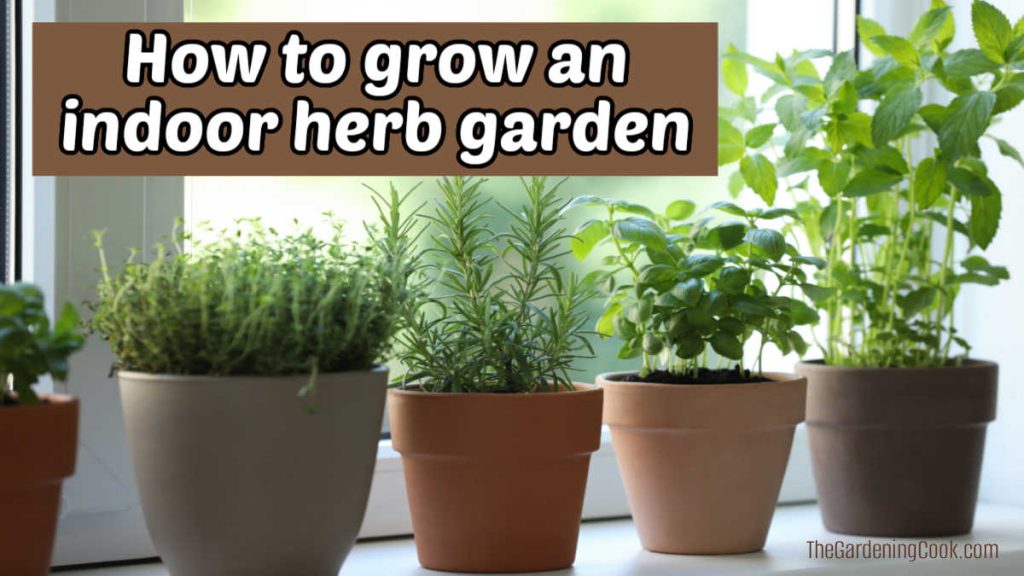
Basil is a favorite for many indoor gardeners. Its aromatic leaves are perfect for pesto and pizza toppings. Rosemary offers a robust flavor, and it’s excellent for roasting meats. Mint is versatile and refreshing, great for teas and desserts. Just be mindful of its tendency to spread quickly. Thyme is a hardy herb that pairs well with roasted vegetables and soups. Its subtle flavor enhances a variety of dishes. What’s your favorite herb to cook with? Incorporating your culinary preferences will make your indoor garden even more rewarding. Whether you’re a seasoned cook or a beginner, having fresh herbs at your fingertips can inspire creativity in the kitchen. Choose wisely, and your indoor herb garden will flourish beautifully.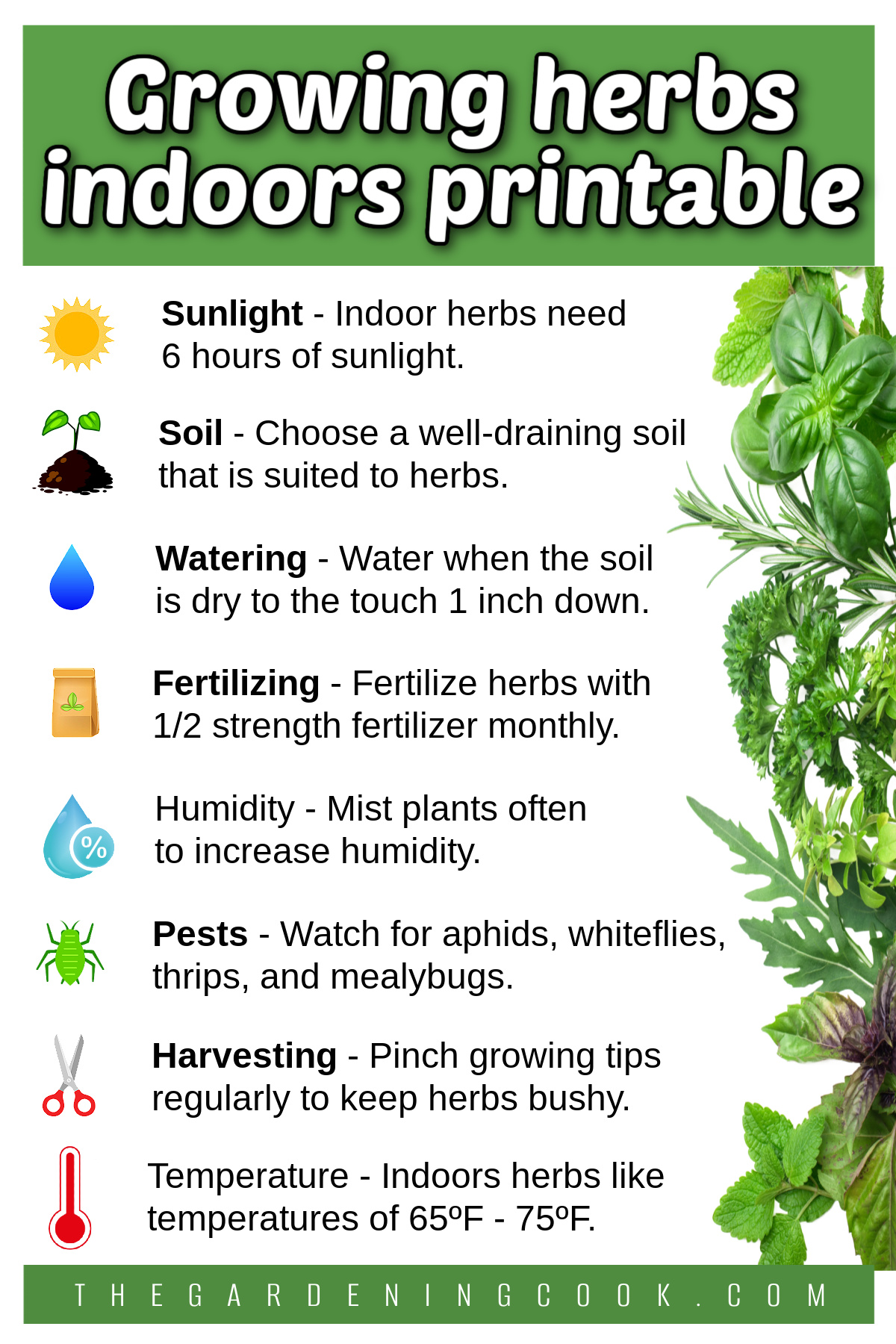
Credit: thegardeningcook.com
Basil: A Culinary Favorite
Basil, with its aromatic leaves, is a staple in many kitchens. Known for its versatility, basil enhances flavors in numerous dishes. Its fresh taste makes it a must-have in any indoor herb garden.
Varieties Suitable For Indoors
Growing basil indoors offers several options. Choose varieties that thrive in pots.
- Sweet Basil:The classic choice for Italian dishes.
- Greek Basil:Compact and perfect for small spaces.
- Spicy Globe Basil:Features small leaves with a spicy kick.
- Lemon Basil:Adds a citrusy flavor to dishes.
Care Tips For Basil
Ensure your basil receives enough light. Place it near a sunny window.
- Watering:Keep the soil moist but not soggy.
- Temperature:Basil prefers warm conditions. Avoid cold drafts.
- Pruning:Regularly trim leaves to encourage bushy growth.
- Fertilizing:Use a balanced fertilizer every few weeks.
Mint: Refreshing And Versatile
Growing mint in your indoor herb garden can be a game-changer. With its refreshing aroma and versatile uses, mint is a favorite for many home gardeners. Picture yourself snipping fresh mint leaves for your morning tea or adding a burst of flavor to your homemade dishes. This hardy herb thrives indoors, offering you a constant supply of its invigorating scent and taste.
Best Mint Varieties For Home
Choosing the right mint variety can greatly enhance your indoor gardening experience. Consider growing Peppermint, known for its intense flavor, perfect for teas and desserts. Spearmintis another popular choice, with a milder taste that complements savory dishes. If you’re looking to experiment, try Chocolate Mint Each variety has its distinct characteristics, making them suitable for different culinary adventures. You might find that your favorite mint variety depends on your personal taste and the dishes you love to prepare. Mint is one of the easiest herbs to maintain indoors, making it perfect for beginners. Ensure your mint plant receives indirect sunlight, as direct exposure can scorch the leaves. Watering is crucial; keep the soil moist, but be cautious not to overwater, which can lead to root rot. Trim your mint regularly to encourage bushy growth and prevent it from becoming leggy. This also keeps your mint plant healthy and ensures a continuous supply of fresh leaves. Ever wonder why mint grows so quickly? Its rapid growth is a natural trait, ensuring you have plenty to harvest all year round.Maintenance And Growth
Chives: Easy To Grow
Chives thrive indoors and are perfect for beginners. Their mild onion flavor enhances many dishes. A sunny windowsill is all they need to flourish.
Chives are an excellent choice for indoor herb gardens. They are easy to grow and care for. These hardy herbs require minimal attention and thrive in various conditions. Chives offer a mild onion flavor, perfect for soups and salads. Let’s explore how to plant and harvest chives indoors.Planting Chives Indoors
Chives need a pot with good drainage. Choose a pot with holes at the bottom. Fill it with well-draining potting mix. Place the pot where it gets at least six hours of sunlight daily. A south-facing window is ideal. You can grow chives from seeds or bulbs. Sow seeds about 1/4 inch deep. Keep the soil moist until seedlings appear. For bulbs, plant them just below the surface.Harvesting And Usage
Chives are ready to harvest in 60 days. Use sharp scissors to cut the leaves. Snip them close to the soil. Always leave at least two inches of growth. This allows the plant to recover. Chives add flavor to many dishes. Sprinkle them on baked potatoes or mix them into scrambled eggs. Their delicate taste enhances soups and sauces. Enjoy fresh chives for a burst of flavor in your cooking.Parsley: Nutrient-rich Choice
Parsley is an excellent addition to any indoor herb garden. It’s packed with vitamins and adds a fresh taste to meals. Whether you’re a seasoned gardener or a beginner, parsley is a great choice. It’s easy to grow and maintain.
Flat Leaf Vs. Curly Leaf
There are two main types of parsley: flat leaf and curly leaf. Flat leaf, often called Italian parsley, has a stronger flavor. It’s preferred by chefs for its robust taste. Curly leaf parsley is milder and used mainly for garnishing. Both types are nutrient-rich and versatile.
Optimal Growing Conditions
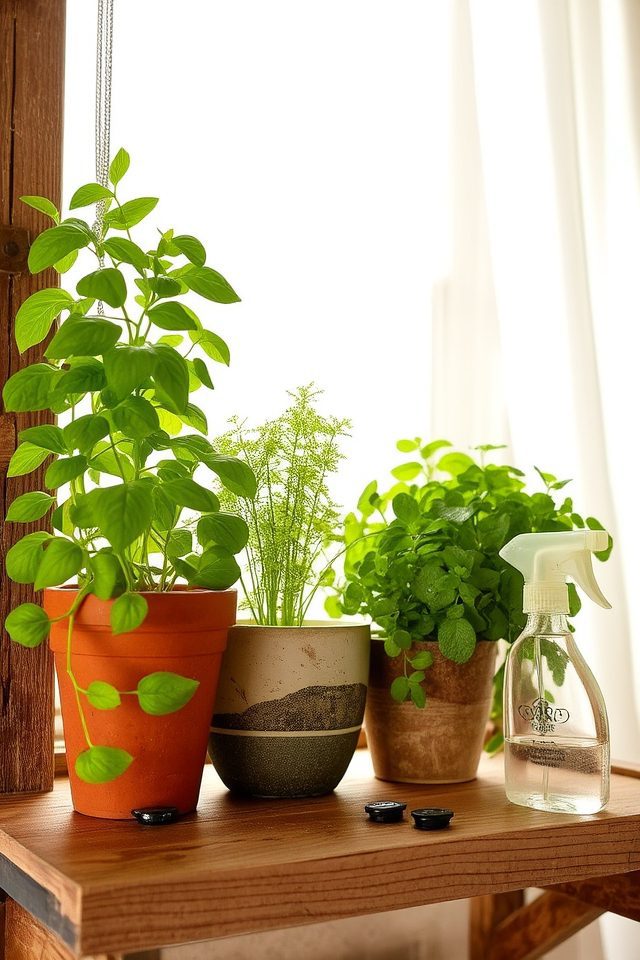
Parsley thrives in a sunny spot with indirect light. A south-facing window is ideal for its growth. It needs well-draining soil and a pot with drainage holes. Water the plant when the top soil feels dry. Ensure the soil stays moist, but not waterlogged. Regular trimming encourages new growth and keeps the plant healthy.
Credit: www.greenwashingindex.com
Cilantro: Flavorful Addition
Cilantro is not just a staple in many cuisines, but a versatile herb that can transform any dish with its fresh and zesty flavor. Imagine having a steady supply right at your fingertips, ready to elevate your homemade guacamole or spicy curry. Growing cilantro indoors can be both rewarding and practical, offering a burst of greenery and flavor in your kitchen all year round.
Growing Cilantro Indoors
Starting your indoor cilantro garden is simpler than you might think. Choose a pot with good drainage and fill it with nutrient-rich potting soil. Cilantro seeds need to be planted about 1/4 inch deep and spaced a couple of inches apart.
Place your pot in a spot where it can bask in the sunlight for at least four to six hours a day. A sunny windowsill or under a grow light are great options. Water regularly but ensure the soil is never soggy, as cilantro prefers a well-drained environment.
Preventing Bolting
One challenge with cilantro is preventing it from bolting, or going to seed, too quickly. Bolting happens when the plant starts flowering, which can cause the leaves to taste bitter. To prevent this, try maintaining a cooler temperature for your cilantro, ideally between 50°F to 70°F.
Regularly harvesting the outer leaves can also delay bolting and encourage bushier growth. Don’t be afraid to snip away; the more you harvest, the more it will grow! Have you noticed how store-bought cilantro often wilts quickly? Growing your own ensures freshness and flavor whenever you need it.
Thyme: Aromatic Essential
Thyme is more than just a herb. Its aromatic scent fills the room. It adds a delightful essence to dishes. This herb is a must-have in any indoor garden. Thyme thrives indoors, making it perfect for small spaces. Its versatility in cooking and health benefits make it essential. Let’s explore how to grow thyme indoors.
Varieties For Indoor Growth
Choosing the right thyme variety is crucial. Some thrive better indoors. Consider these popular options:
- Common Thyme:A classic choice with a robust flavor.
- Lemon Thyme:Offers a citrusy aroma perfect for teas.
- English Thyme:Known for its strong fragrance and culinary uses.
These varieties adapt well to indoor environments. Choose based on your taste preference and space.
Pruning And Care
Proper care keeps thyme healthy and aromatic. Prune regularly to encourage growth. Use sharp scissors to snip just above a leaf node. This helps the plant become bushier. Ensure thyme receives ample sunlight. Place it near a south-facing window.
Water sparingly. Let the soil dry between watering. Thyme prefers well-drained soil. Overwatering can cause root rot. Fertilize with a mild liquid solution every few weeks. This supports growth and maintains vibrant leaves.
Oregano: Mediterranean Staple
Oregano, the Mediterranean staple, is a fantastic herb for indoor gardening. Known for its aromatic leaves, it brings a touch of Italian and Greek flavors to your dishes. Growing oregano indoors lets you enjoy its fresh taste all year round. Its compact size makes it perfect for small spaces, and its care requirements are simple. With a little attention, you can cultivate this herb right on your windowsill.
Indoor Cultivation Techniques
Oregano thrives in bright light. Place your plant near a sunny window where it can soak up the sun. Use well-draining soil to prevent root rot. Water moderately, ensuring the soil is dry between sessions. A light misting helps maintain humidity, especially in winter. Fertilize sparingly, just once a month, with a balanced liquid fertilizer.
Harvesting Oregano
Begin harvesting when the plant reaches six inches tall. Pinch off the tips to encourage bushy growth. Harvest regularly to keep the plant healthy and promote new growth. Snip leaves as needed for cooking, but avoid taking too much at once. Drying the excess harvest preserves its flavor for future use. Store dried leaves in an airtight container away from sunlight.
Frequently Asked Questions
What Are The Best Herbs For Indoor Gardens?
Indoor gardens thrive with herbs like basil, mint, and parsley. These herbs grow well in limited space and light conditions. They add fresh flavors to dishes and improve air quality. Choose varieties that suit your local climate for optimal growth.
How Much Light Do Indoor Herbs Need?
Indoor herbs need bright, indirect light to grow well. A south-facing window or grow lights can provide sufficient light. Rotate plants regularly to ensure even growth. Avoid direct sunlight, which can scorch leaves.
Can Herbs Grow In Small Spaces?
Yes, herbs can thrive in small spaces like windowsills or countertops. Use containers with good drainage and choose compact varieties. Regular trimming encourages bushy growth, maximizing space. Vertical gardens or hanging pots can also save space.
How Often Should I Water Indoor Herbs?
Water indoor herbs when the soil feels dry, usually every week. Avoid overwatering, which can lead to root rot. Ensure pots have drainage holes to prevent water buildup. Monitor humidity levels, as indoor conditions can vary.
Conclusion
Growing an indoor herb garden is rewarding and fun. Fresh herbs add flavor to meals. Choose herbs like basil, mint, or thyme. They thrive indoors with little care. Place them near sunlight. Water them regularly. Watch them grow and flourish.
Enjoy fresh herbs all year round. They are perfect for cooking and teas. Plus, they enhance your home’s greenery. Try starting with easy-to-grow herbs. Feel the satisfaction of nurturing your own plants. It’s simple, enjoyable, and beneficial. Start your herb garden today.
Experience the joy of fresh herbs at your fingertips.