
Imagine stepping into your home and being greeted by the vibrant greens of an indoor garden. It’s not just visually soothing but also brings a breath of fresh air into your space.
You might wonder what plants you can nurture indoors, especially if you’re new to gardening or live in a city apartment. The good news is, there are plenty of choices that thrive inside, adding life and color to your home.
Whether you’re aiming to cultivate herbs for your kitchen, enjoy the lushness of leafy greens, or simply want to brighten up a room with some floral beauty, there’s something for everyone. Dive into this guide to discover the perfect plants for your indoor oasis, and transform your living space into a green sanctuary. You’ll be amazed at how easy it is to cultivate your little slice of nature, no matter where you live.

Credit: soltech.com
Benefits Of Indoor Gardening
What Plants Can You Grow in an Indoor Garden Indoor gardens offer a great way to grow plants like herbs, succulents, and small vegetables. Basil, mint, and lettuce thrive in indoor environments. These plants not only enhance your home’s beauty but also improve air quality and provide fresh ingredients for cooking.
Indoor gardening is more than just a hobby; it brings numerous benefits to your life. From boosting your mood to improving air quality, growing plants indoors can transform your living space into a sanctuary. It’s a chance to connect with nature without stepping outside.Improved Air Quality
Plants are natural air purifiers. They absorb toxins and release oxygen, making your home fresher and healthier. Adding plants like spider plants or peace lilies can reduce indoor pollutants significantly.Mood Enhancement
Having greenery around can elevate your mood. Studies show that people who engage with plants feel less stressed and more relaxed. Imagine coming home after a long day to a soothing environment filled with lush foliage.Space Efficiency
Indoor gardens don’t require much room. You can maximize space by using shelves or hanging pots. Even small apartments can become green havens with creative placement of plants.Year-round Gardening
Unlike outdoor gardens, indoor gardens aren’t affected by seasons. You can grow herbs, vegetables, and flowers all year. This means fresh basil or mint for your recipes whenever you need it.Enhanced Creativity
Gardening indoors can spark your creativity. Designing plant arrangements or experimenting with different species can be a fun challenge. Why not try mixing succulents with ferns for a unique look?Personal Satisfaction
Watching your plants grow can be incredibly rewarding. Each new leaf or bloom is a testament to your care and effort. It’s a simple pleasure that brings a sense of accomplishment. Are you ready to start your indoor garden? What plants will you choose to brighten your space and improve your life?
Credit: parade.com
Factors To Consider
Light levels, space availability, and plant care requirements are crucial for a thriving indoor garden. Choose plants suited to low light and compact spaces, like herbs and succulents. Regular watering and humidity control ensure healthy growth.
Creating an indoor garden can bring life to any home. Choosing the right plants involves understanding several factors. These factors ensure your plants thrive. Let’s explore the key elements to consider.Light Requirements
Consider the light available in your space. Some plants need bright light. Others thrive in low-light conditions. Sun-loving plants include succulents and cacti. Low-light plants like ferns and snake plants suit darker rooms. Assess your room’s natural light before choosing plants. This helps in selecting the right type for your indoor garden.Space Constraints
Think about the space you have for plants. Small spaces suit compact plants like herbs. Larger areas can house bigger plants like fiddle leaf figs. Vertical gardens can save space and look stylish. Hanging plants also utilize space efficiently. Choose plants that fit well and enhance your room.Maintenance Needs
Consider how much care each plant requires. Some plants need frequent watering and pruning. Others, like succulents, need minimal attention. Know your schedule and choose plants accordingly. This ensures your plants remain healthy and vibrant. Maintenance-friendly options include pothos and ZZ plants. Selecting plants with these factors in mind will help create a thriving indoor garden. Your plants will flourish, adding beauty and freshness to your home.Herbs For Indoor Gardens
Indoor gardens thrive with herbs like basil, mint, and cilantro. These herbs are easy to grow and maintain. Perfect for small spaces, they add flavor to dishes and a fresh aroma to your home.
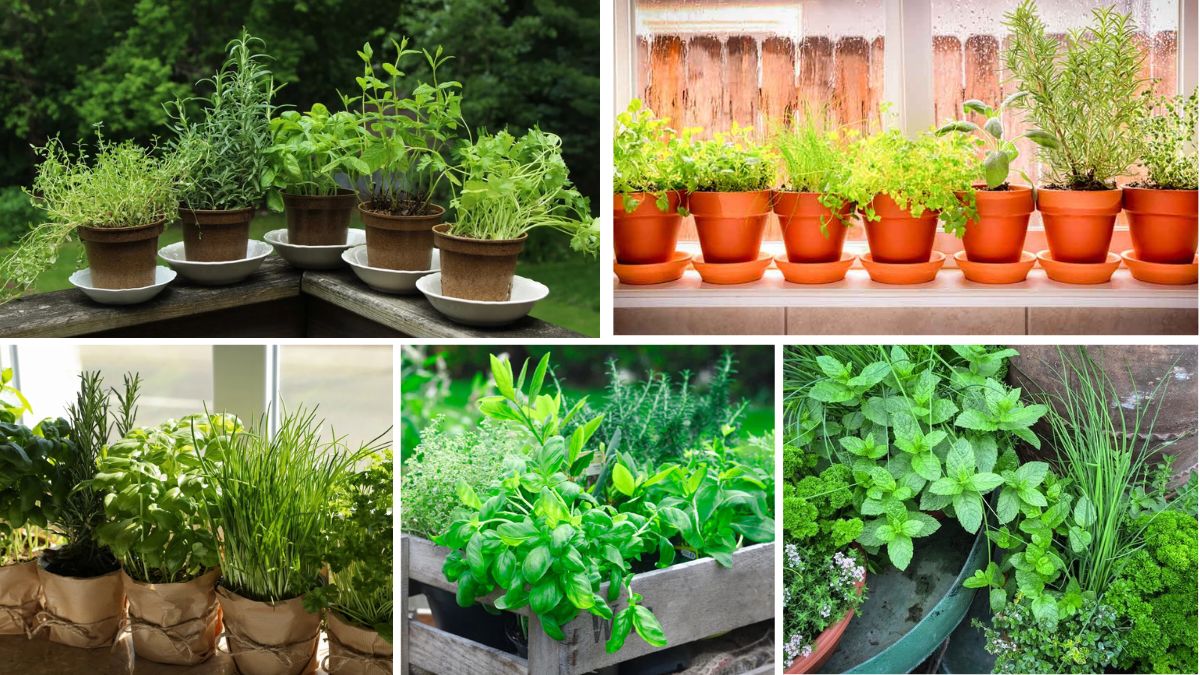
Herbs for Indoor Gardens Growing herbs indoors can be a delightful experience. They bring fresh flavors to your kitchen and add beauty to your home. With the right care, many herbs thrive indoors and offer year-round harvests.Basil
Basil is a popular choice for indoor gardens. It loves warm conditions and plenty of sunlight. Basil grows well in pots on sunny windowsills. Water the plant regularly to keep the soil moist. Pinch off flowers to encourage more leaf growth. Fresh basil adds a wonderful aroma to dishes and tastes delightful in salads and sauces.Mint
Mint is hardy and grows quickly indoors. It prefers indirect sunlight and moist soil. Mint spreads easily, so use a larger pot or separate containers. Regular trimming helps control its growth. Mint leaves add refreshing flavors to teas and desserts. It’s also excellent for garnishing cocktails.Thyme
Thyme is another great herb for indoor gardens. It enjoys sunny spots and well-drained soil. Water thyme sparingly; it prefers drier conditions. Thyme’s small leaves pack a punch of flavor. Use it in soups, stews, and roasted meats. Its aromatic presence enhances many dishes. Regular harvesting encourages bushier growth.Vegetables Suitable For Indoors
Indoor gardens thrive with herbs like basil and mint, leafy greens such as spinach and lettuce, and root vegetables like radishes. Small fruiting plants, such as cherry tomatoes and peppers, also flourish indoors with proper lighting. These choices offer fresh produce year-round, enhancing home cooking.
Vegetables Suitable for Indoors Growing vegetables indoors offers many benefits. You can enjoy fresh produce year-round. Indoor gardening saves space and provides a controlled environment. Some vegetables thrive indoors, making them ideal choices. Let’s explore these options.Leafy Greens
Leafy greens are perfect for indoor gardens. They grow quickly and require minimal care. Spinach and lettuce are popular choices. They need bright light and regular watering. Kale is another option that grows well indoors. Harvesting is easy; just pick leaves as needed.Cherry Tomatoes
Cherry tomatoes are a delightful addition to indoor gardens. They are compact and produce fruit abundantly. These tomatoes need plenty of sunlight. A south-facing window is ideal. Water them consistently to keep the soil moist. Enjoy fresh tomatoes right from your kitchen.Peppers
Peppers add color and flavor to any indoor garden. Bell peppers and chili peppers are both suitable. They need warm temperatures and bright light. Use pots with good drainage to prevent waterlogging. Fertilize them occasionally for better yields. Peppers enhance many dishes with their vibrant taste.Fruits You Can Grow Indoors
Growing fruits indoors can be a rewarding hobby. It brings freshness and flavor to your table. You can enjoy the taste of home-grown fruits all year round. Some fruits adapt well to indoor environments. They need minimal space and care.
Strawberries
Strawberries are a delightful choice for indoor gardening. They grow well in pots or hanging baskets. Choose a sunny spot for them. They need 6-8 hours of sunlight daily. Use well-drained soil to avoid root rot. Keep the soil moist but not waterlogged. Regularly remove runners to focus energy on fruit production. With proper care, you can enjoy fresh strawberries in a few months.
Lemons
Lemons add zest to your indoor garden. Dwarf varieties are perfect for small spaces. They need bright light, so a south-facing window is ideal. Use a pot with good drainage. Water the tree when the topsoil feels dry. Fertilize monthly during growing seasons. Lemons can take a year to mature but are worth the wait. Their fragrant blooms also add a pleasant aroma to your home.
Figs
Figs are a unique addition to your indoor fruit collection. They thrive in containers and need less space. Place them in a sunny spot with indirect light. Water them moderately, letting the soil dry between watering. Prune regularly to maintain shape and size. Figs can fruit multiple times a year. This makes them a productive choice for indoor gardens. Enjoy their sweet, nutritious fruits fresh or dried.
Credit: lodhigarden.com
Flowering Plants For Indoors
Creating an indoor garden filled with flowering plants can transform your living space into a vibrant oasis. Flowering plants not only add beauty but also contribute to a peaceful and rejuvenating environment. Whether you’re a seasoned gardener or a beginner, there are several stunning options that thrive indoors.
Orchids
Orchids are a favorite among indoor gardeners due to their exotic appearance and long-lasting blooms. They thrive in indirect sunlight and require a well-draining potting mix. Water them sparingly, ensuring the roots are not sitting in water. A friend of mine swears by placing her orchid pot near a north-facing window, and it has bloomed beautifully for years.
Peace Lilies
Peace Lilies are ideal for those who want a low-maintenance plant with beautiful white blooms. They thrive in low-light conditions, making them perfect for rooms with minimal sunlight. These plants are also known for their air-purifying qualities, providing a healthier living environment for you and your family. Remember to keep their soil moist but not waterlogged.
African Violets
African Violets are small, charming plants that can bloom year-round indoors. They prefer bright, indirect light and a consistent watering routine. Use lukewarm water to avoid shocking the plant, and water from the bottom to prevent leaf spotting. A relative of mine once shared how placing African Violets on a windowsill increased their bloom frequency, adding a splash of color to her kitchen.
Succulents And Cacti
Succulents and cacti thrive in indoor gardens due to their adaptability and low maintenance needs. Their diverse shapes and vibrant colors add visual appeal to any space. Ideal for beginners, these resilient plants require minimal watering and sunlight.
Succulents and cacti are a popular choice for indoor gardens, offering a unique blend of aesthetic appeal and low maintenance. These hardy plants are perfect for those who may not have a green thumb but still want to bring some greenery into their living spaces. With their ability to thrive in minimal watering conditions, they make an excellent choice for busy individuals.Understanding Succulents And Cacti
Succulents are plants that store water in their leaves, stems, or roots, making them exceptionally drought-resistant. Cacti, a subset of succulents, are particularly known for their spines and ability to survive in arid environments. Both types of plants come in various shapes, sizes, and colors, allowing you to create a diverse indoor garden.Benefits Of Growing Succulents And Cacti Indoors
These plants require less frequent watering, making them ideal for those with a busy lifestyle. They can improve air quality by absorbing carbon dioxide and releasing oxygen. Additionally, their unique forms and textures can enhance the aesthetic appeal of your home.Choosing The Right Succulents And Cacti
Consider the lighting conditions in your home before selecting your plants. Some popular options include the Jade Plant, Aloe Vera, and Christmas Cactus, which thrive in bright light. If your indoor space is dim, opt for varieties like Snake Plant or Haworthia that tolerate lower light levels.Caring For Your Indoor Succulents And Cacti
Water your plants sparingly, allowing the soil to dry out completely between waterings. Use a well-draining soil mix to prevent root rot. Place them in a spot where they can receive plenty of sunlight, but be cautious of direct sunlight, which can scorch their leaves.Creating An Aesthetic Indoor Garden
Mix and match different species to add variety and visual interest to your space. Use decorative pots or containers to complement your interior decor. Experiment with arrangements, like grouping small succulents together on a windowsill or creating a centerpiece with a large cactus.Overcoming Common Challenges
Keep an eye out for pests like mealybugs and spider mites, which can infest your plants. If you notice any, wipe them off with a damp cloth or treat with a mild insecticide. Ensure proper drainage to avoid overwatering, one of the most common issues with succulents and cacti. By incorporating succulents and cacti into your indoor garden, you can enjoy the beauty of nature without the hassle of high maintenance. Are you ready to transform your living space into a green oasis?Air-purifying Plants
Air-purifying plants are not just a trend; they are a breath of fresh air for your home. These plants can enhance indoor air quality by removing toxins and adding a natural aesthetic to your space. If you’re looking to breathe easier while enjoying the beauty of nature indoors, consider adding some of these green companions to your garden.
Snake Plant
The snake plant, also known as Sansevieria, is a powerhouse when it comes to filtering indoor air. It’s incredibly low-maintenance, making it perfect for those who might forget to water their plants occasionally. With its tall, upright leaves, it can fit into tight corners, adding a modern touch to any room.
Interestingly, the snake plant is one of the few plants that can convert CO2 into oxygen at night. This makes it an excellent choice for your bedroom. Imagine waking up to cleaner air every morning!
Spider Plant
The spider plant is a classic choice for indoor gardening enthusiasts. Its long, arching leaves create a cascading effect that adds a dynamic element to your decor. It’s also non-toxic, making it a safe option for homes with pets and children.
Spider plants are known for their ability to remove pollutants like formaldehyde and xylene. A friend of mine placed one in her office, and she claims it made the air feel noticeably fresher. Have you noticed a difference with your plants?
Aloe Vera
Aloe vera is more than just a sunburn remedy; it’s a natural air purifier. This succulent is easy to care for, requiring minimal watering and thriving in indirect sunlight. Its thick, fleshy leaves can add a touch of greenery to your kitchen or bathroom.
Beyond its air-purifying abilities, aloe vera can also be used for its soothing gel. Imagine having a plant that not only cleans the air but also provides you with a natural moisturizer. How convenient is that?
Creating An Optimal Indoor Environment
Creating an optimal indoor environment is crucial for nurturing your indoor garden. It’s not just about putting plants on a shelf; it’s about setting the stage for them to thrive. Each plant has its own unique needs, and understanding these requirements can significantly enhance your gardening experience.
Temperature Control
Keeping the right temperature is key to a successful indoor garden. Most indoor plants prefer temperatures between 65°F and 75°F. You can use a digital thermostat to monitor this. If you live in a colder area, consider using a small space heater. A personal anecdote: I once used an old aquarium heater to keep my tropical plants cozy during winter, and it worked wonders!
Humidity Levels
Indoor gardens often struggle with maintaining proper humidity. Many plants, especially tropical ones, thrive in humid conditions. You can increase humidity by misting plants daily or placing a humidifier nearby. A simple trick is to group plants together; they create a microclimate, boosting humidity naturally. Have you ever noticed how lush plants look after rain? It’s the humidity doing its magic!
Pest Management
Indoor gardens are not immune to pests. Common invaders include aphids, spider mites, and fungus gnats. Regularly inspect your plants for signs of pests. I found that using neem oil spray once a week keeps most pests at bay. Another strategy is to introduce beneficial insects like ladybugs. They’re natural predators and can help keep your garden pest-free. Have you tried looking closely at your plants lately?
Tips For Successful Indoor Gardening
Many plants thrive indoors, creating a green oasis in your home. Popular choices include peace lilies, snake plants, and pothos. Herbs like basil and mint also flourish, adding fresh flavors to your kitchen.
Indoor gardening can transform your home into a lush green oasis. Success in this endeavor hinges on a few key techniques. Mastering these tips will help your plants thrive and look their best.Regular Watering
Watering is crucial for indoor plants. Use room temperature water to avoid shocking the roots. Ensure pots have drainage holes to prevent root rot. Check soil moisture regularly. Insert a finger one inch into the soil. If it feels dry, it’s time to water. Adjust based on plant type and environmental conditions.Proper Fertilization
Fertilizers provide essential nutrients for growth. Choose a balanced liquid fertilizer for general use. Apply during the growing season, usually spring and summer. Follow instructions on the package for dosage and frequency. Over-fertilization can damage plants. Yellowing leaves might indicate a nutrient deficiency.Pruning Techniques
Pruning helps maintain plant health and shape. Remove dead or yellowing leaves regularly. This encourages new growth. Use clean, sharp scissors or pruning shears. Avoid cutting too close to the main stem. Trim overgrown branches to maintain size. Pruning can also prevent diseases and pests. These tips will make your indoor garden flourish. Each plant has unique needs, so observe them closely. Happy gardening!Frequently Asked Questions
What Are The Best Plants For Indoor Gardens?
Indoor gardens thrive with low-maintenance plants like pothos, snake plants, and peace lilies. These plants require minimal sunlight and care. Herbs like basil and mint are also great choices, adding both greenery and flavor to your kitchen. Choose plants that suit your space and light conditions for optimal growth.
Can Succulents Survive Indoors?
Yes, succulents are perfect for indoor gardens. They require minimal water and adapt well to indoor conditions. Place them in well-drained soil and ensure they receive indirect sunlight. Succulents are ideal for beginners and add a touch of green to any indoor space, making them a popular choice.
How Do I Start An Indoor Herb Garden?
Start by selecting easy-to-grow herbs like basil, parsley, and mint. Use pots with good drainage and place them near a sunny window. Water them regularly but avoid overwatering. Starting an indoor herb garden is simple and rewarding, providing fresh herbs for cooking year-round.
Are Flowering Plants Suitable For Indoor Gardens?
Yes, many flowering plants thrive indoors, such as African violets and orchids. These plants require indirect sunlight and regular watering. Choose varieties suited to your indoor environment. Flowering plants add vibrant colors and fragrance to your home, enhancing the aesthetic appeal of your indoor garden.
Conclusion
Growing plants indoors is fun and rewarding. You can enjoy fresh herbs, vibrant flowers, and green foliage all year round. Explore different plants to find what suits your space. Consider lighting, humidity, and care needs. Start with easy-to-grow options like spider plants, pothos, or basil.
They thrive in most indoor settings. Experiment with other varieties as your confidence grows. Indoor gardening brings nature closer to home. It’s a creative and relaxing hobby for all ages. Discover the joy of nurturing life indoors. Your indoor garden awaits—let it flourish!







