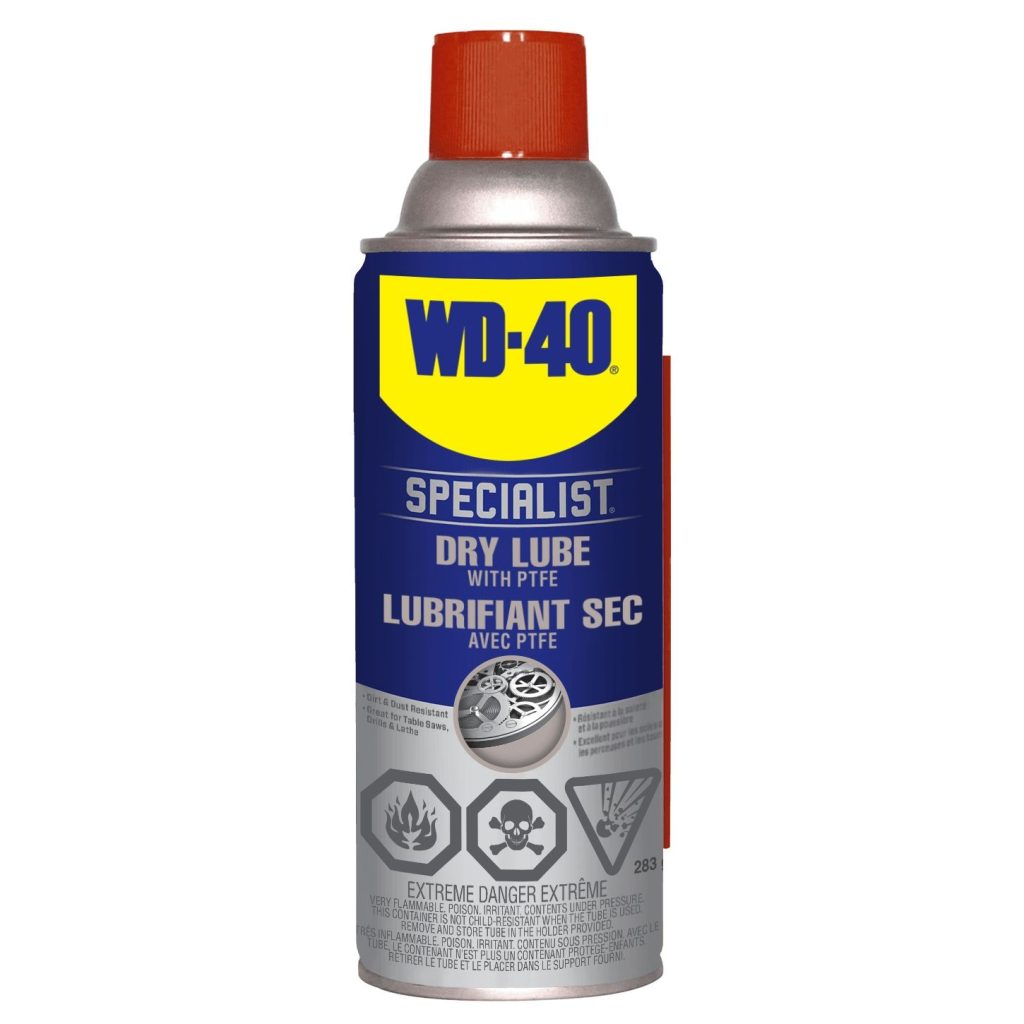
Are you tired of your garden tools losing their efficiency? You might be using the wrong oil.
While WD-40 is a popular choice for lubrication, it might not be the best option for your garden tools. It’s time to delve deeper into what oils are heavier and more suitable for ensuring your gardening equipment performs at its best.
Imagine the joy of smoothly operating tools that make gardening easier and more enjoyable. You’ll discover which oils provide better protection and longevity for your garden tools, helping you maintain them like a pro. Keep reading to find out how you can enhance the lifespan of your tools with the right oil choice.

Credit: www.amazon.com
Comparing Lubricant Weights
Choosing the right lubricant for garden tools is essential for smooth operation. WD-40 is popular, but sometimes heavier oils are better. Let’s compare lubricant weights to understand their impacts on performance.
Understanding Lubricant Viscosity
Viscosity measures how thick or thin a lubricant is. It affects flow and coating ability. Higher viscosity means a thicker lubricant, offering better protection. Thicker oils can stay longer on tool surfaces, providing consistent lubrication.
Role Of Weight In Performance
Heavier oils provide better protection for garden tools. They reduce wear and tear by forming a strong protective layer. This is crucial for tools used in challenging conditions. Heavy oils resist breaking down under pressure, ensuring tools function smoothly.
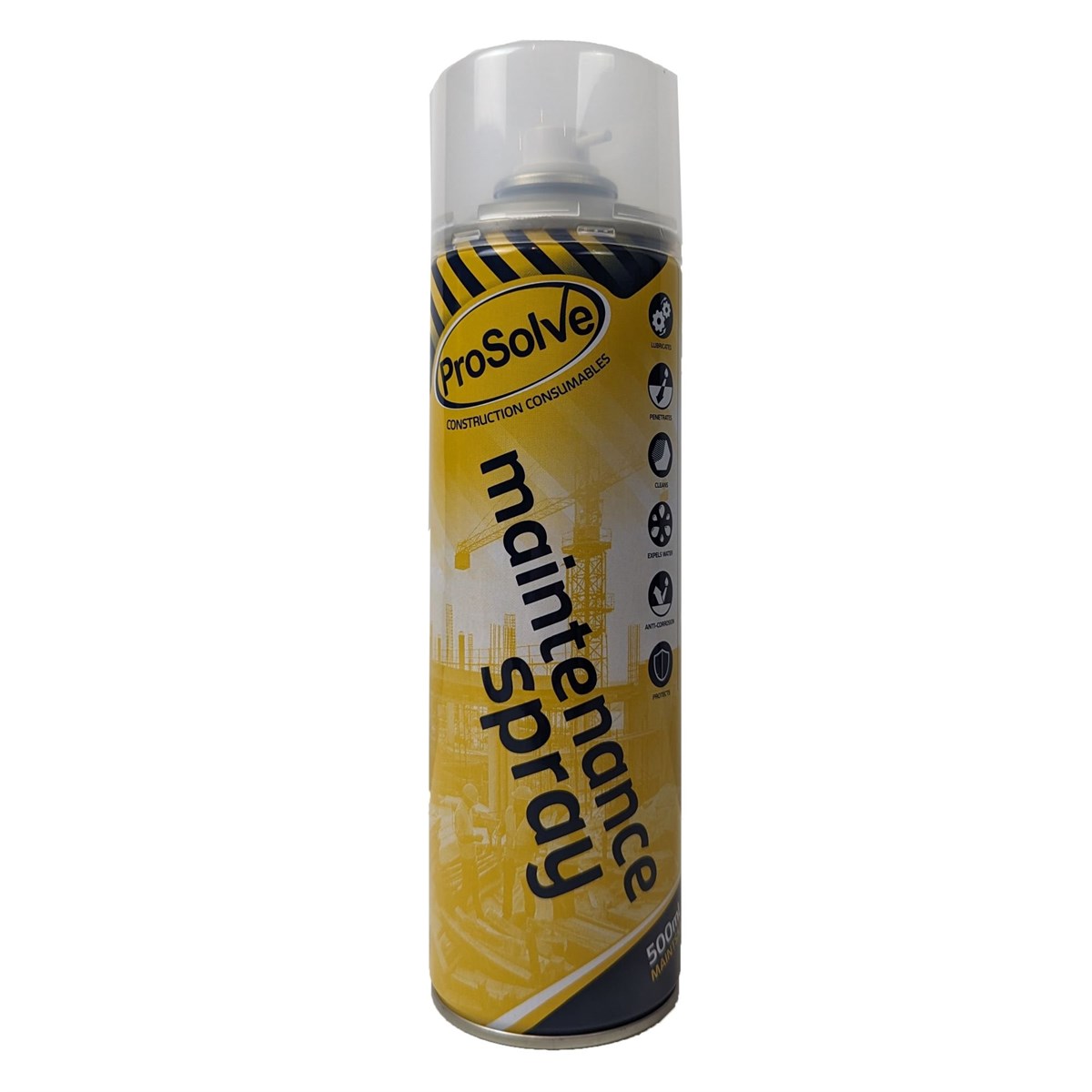
Credit: prosolveproducts.com
Wd-40 Characteristics
WD-40 is a lightweight lubricant ideal for many applications. For garden tools, heavier oils like SAE 30 or 3-in-1 Oil offer better protection and longevity. These oils ensure smoother operation and reduce wear on moving parts.
WD-40 is a versatile product known for its lightweight nature. It is popular for reducing friction and protecting metals. Many gardeners use it for its lubricating qualities, but it isn’t the heaviest oil for garden tools.Composition And Properties
WD-40 consists of a unique formula. It includes lubricants, anti-corrosion agents, and ingredients for moisture displacement. This combination makes it effective in preventing rust and loosening stuck parts. It’s lightweight, which can be an advantage for specific tasks. The low viscosity allows it to penetrate tight spaces easily. It evaporates quickly, which limits its long-term lubricating effect.Common Uses In Gardening
In gardening, WD-40 serves several functions. It helps remove rust from tools, making them easier to handle. Gardeners often use it to loosen stubborn bolts and screws. It can also help in cleaning tools by removing sticky residues. Despite these uses, it’s not ideal for all garden tools. Its lightweight nature means it may not provide lasting lubrication. For tasks needing heavier lubrication, other oils might be more suitable.Heavier Oils For Garden Tools
For garden tools requiring a heavier oil than WD40, consider using 3-in-1 oil or machine oil. These oils offer superior lubrication and protection against rust, making them ideal for maintaining your garden tools in excellent condition.
When maintaining your garden tools, you’ve likely reached for WD-40, a popular lightweight lubricant. However, heavier oils can offer distinct advantages for keeping your tools in top shape. They provide a thicker barrier against the elements, ensuring that your equipment remains rust-free and operates smoothly. Let’s dive into why you might consider heavier oils for your gardening arsenal.Benefits Of Heavier Oils
Heavier oils provide a robust protective layer that can withstand harsher conditions. They are less likely to evaporate quickly, offering longer-lasting lubrication. This means you won’t need to reapply as often, saving you time and effort in the long run. These oils also excel in reducing wear and tear on moving parts. The thicker consistency ensures that all components work seamlessly, reducing the risk of damage. If you want your tools to last, using heavier oil can be a wise investment.Popular Heavy Oils For Tools
Several heavy oils are perfect for garden tools, each with unique advantages. – Motor Oil: Often overlooked, used motor oil can be a cost-effective option. It’s readily available and offers excellent lubrication. – 3-in-1 Oil: This versatile oil is thicker than WD-40 and is great for preventing rust. It’s a handy option to keep in your toolkit. – Bar and Chain Oil: Typically used for chainsaws, this oil is perfect for tools with moving parts. Its adhesive properties ensure it stays put, offering extended protection. What type of oil do you currently use for your garden tools? Consider trying a heavier alternative to see if it enhances the performance and longevity of your equipment.
Credit: cen.acs.org
Top Garden Tool Lubes
For garden tools needing heavier oil than WD-40, consider using motor oil. It offers better lubrication and protection. Ideal for tools that face heavy use, it reduces wear and tear effectively.
Maintaining your garden tools with the right lubricant can extend their life and enhance their efficiency. While WD-40 is a popular choice, it’s not always the best for every tool. Some oils offer heavier weight and better protection against wear and tear. Let’s dive into the top garden tool lubes that can outperform WD-40.Synthetic Vs. Natural Options
When choosing a lubricant, consider whether you want a synthetic or natural option. Synthetic oils often provide superior protection due to their advanced formulation, which can handle extreme temperatures and reduce friction effectively. They are perfect for heavy-duty tools that require robust performance. On the other hand, natural oils, like those derived from plants, offer excellent lubrication while being gentle on the environment. If you prefer eco-friendly solutions, natural oils can be a great choice for lightly used garden tools. Think about the kind of tools you have and how frequently you use them to decide between synthetic and natural.Environmentally Friendly Choices
Are you concerned about your carbon footprint while maintaining your garden tools? Several environmentally friendly lubricants are available that deliver excellent performance without harming the planet. Look for biodegradable options that break down naturally and don’t pollute the soil or water. Brands are increasingly producing lubricants that are both effective and safe for the environment. These options ensure that you’re not only taking care of your tools but also the earth. Consider how your choice of oil impacts not just your garden but the larger ecosystem. By choosing the right lubricant, you can ensure your garden tools remain in top condition, ready to tackle whatever gardening challenges you face. What type of oil will you choose to protect your tools and the environment?Choosing The Right Lubricant
Finding a heavier oil than WD-40 for garden tools can boost performance. Consider oils like 3-in-One or SAE 30. They offer thicker viscosity, providing better lubrication for garden equipment, ensuring smoother operation and longer lifespan.
Choosing the right lubricant for garden tools can prolong their life. Heavier oils than WD-40 are often better for these tools. They provide a thicker, long-lasting layer. This helps in reducing friction and wear over time. Selecting the best oil involves understanding its properties and benefits.Factors To Consider
Several factors should guide your choice of lubricant. Viscosity is the first to note. Heavier oils have higher viscosity. They stay on tool surfaces longer. This creates a protective barrier against rust. Next, consider the oil’s temperature range. Some oils perform better in extreme temperatures. Check for any additives. Additives enhance protection and reduce corrosion. Lastly, think about environmental impact. Eco-friendly oils are better for your garden and the planet.Application Tips For Optimal Use
Apply oil to clean, dry tools. This ensures proper adhesion. Use a cloth or brush to spread the oil evenly. This covers all parts of the tool. Pay attention to joints and moving parts. They need more lubrication. After application, let the tools rest. This allows the oil to settle. Store tools in a dry place after oiling. This prevents moisture build-up. Regular maintenance keeps tools in top condition. Regularly check and reapply oil as needed.Frequently Asked Questions
What Oil Is Thicker Than Wd-40?
WD-40 is a light lubricant, while oils like 3-in-1, SAE 30, or machine oil are thicker. These oils provide better protection for garden tools by forming a stronger barrier against rust and wear. Thicker oils are ideal for tools stored outdoors or used frequently in harsh conditions.
Can Thicker Oil Improve Garden Tool Performance?
Yes, thicker oils enhance garden tool performance by reducing friction and wear. They offer superior rust prevention and lubrication, ensuring smooth operation. Applying heavier oils regularly helps maintain tool efficiency and extends their lifespan, particularly for tools exposed to moisture or heavy use.
How Often Should I Oil Garden Tools?
Oiling garden tools once every few months is recommended. Frequency may increase depending on usage and storage conditions. Regular oiling prevents rust and ensures smooth operation. Always clean tools before applying oil to avoid trapping dirt, which can lead to corrosion.
Is Machine Oil Suitable For Garden Tools?
Yes, machine oil is suitable for garden tools as it provides excellent lubrication and rust protection. Its thicker consistency compared to WD-40 makes it ideal for maintaining tools exposed to moisture and wear. Regular application of machine oil ensures optimal performance and longevity of your garden tools.
Conclusion
Choosing the right oil for garden tools is crucial. WD-40 is light, suitable for quick fixes. Heavier oils offer lasting protection. They prevent rust and ensure smooth operation. Consider oils like 3-in-1 or machine oil. They are thicker and provide better lubrication.
Regular maintenance keeps tools in top shape. Protect your investment by using the right oil. Your tools will last longer and work better. Simple choices make a big difference. Maintain them well for the best results.







