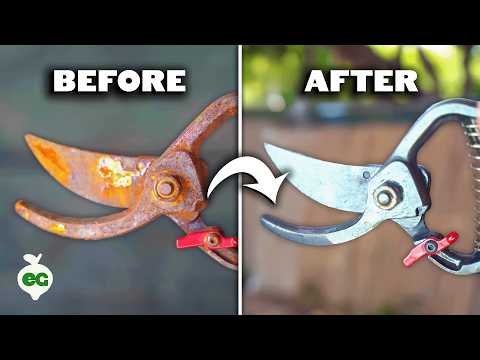
Ever noticed how a well-maintained garden tool glides through the soil, making your gardening tasks a breeze? The secret might be simpler than you think.
It’s all about the oil you use. Choosing the right oil for your garden tools can make a world of difference, not just in their performance but also in their longevity. Imagine spending less time and money on replacements and repairs, and more time enjoying your flourishing garden.
Curious about which oil can transform your gardening experience? Keep reading to discover the best options that ensure your tools stay sharp, rust-free, and ready for action whenever you need them. You deserve tools that work as hard as you do, and the right oil is the key to unlocking their potential.

Credit: www.hbnobulk.com
Choosing The Right Oil
Choosing the right oil for garden tools ensures their longevity and efficiency. Opt for lightweight oils, like 3-in-1 or mineral oil, to prevent rust and maintain smooth operation. Regular oiling keeps tools in top shape, ready for any gardening task.
Choosing the right oil for your garden tools might seem like a minor detail, but it can make a significant difference in their longevity and performance. The wrong oil can lead to rust, corrosion, or even damage the tools. So, how do you pick the right one? Let’s dive into the options and benefits to ensure your tools remain in top-notch condition.Types Of Oils For Garden Tools
Different oils serve different purposes. Mineral oil is a popular choice because it’s inexpensive and easily available. It provides a protective layer against moisture. Alternatively, vegetable oil is an eco-friendly option that’s biodegradable and safe for the environment. For those looking for a more robust option, motor oil can be used for its superior protective qualities. However, it’s crucial to remember that used motor oil should never be applied due to environmental concerns.Benefits Of Using The Right Oil
Using the right oil on your garden tools offers several advantages. Firstly, it prevents rust, ensuring that your tools remain sharp and effective. A well-oiled tool cuts through soil and plants more easily, reducing the physical strain on you. Moreover, regular oiling can extend the lifespan of your tools, saving you money in the long run. Have you ever noticed how a well-maintained tool feels almost new, even after years of use? That’s the magic of the right oil. Lastly, caring for your tools with the right oil reflects in their performance. You might find that your tasks become smoother, allowing for a more enjoyable gardening experience. So, what oil will you choose to keep your tools in their prime?
Credit: www.facebook.com
Natural Oils For Eco-friendly Maintenance
Natural oils offer a sustainable way to maintain garden tools. They are eco-friendly, biodegradable, and often readily available. Using these oils reduces the need for synthetic chemicals and keeps tools in top shape. Let’s explore how linseed and coconut oils can provide effective maintenance.
Linseed Oil For Wooden Handles
Linseed oil protects and nourishes wooden handles. It penetrates deep, preventing cracks and splinters. Apply a thin layer with a cloth. Let it soak into the wood for a few hours. This oil enhances the natural beauty of the wood. It gives the handle a smooth finish. Regular application preserves the wood and extends its life.
Coconut Oil For Metal Parts
Coconut oil acts as a natural lubricant for metal parts. It prevents rust and corrosion. Apply a small amount and wipe it evenly. This oil creates a protective barrier. It keeps moisture away from the metal. Coconut oil is non-toxic and safe to use. It also has antifungal properties, which help in keeping tools clean. Frequent use ensures metal parts remain in pristine condition.
Synthetic Oils For Enhanced Protection
Synthetic oils offer superior protection for garden tools, minimizing rust and wear. These oils enhance tool performance, ensuring smooth operation and longevity.
Synthetic oils have gained popularity among gardeners for their ability to provide enhanced protection to garden tools. These oils create a thin, durable layer that shields metal surfaces from rust and corrosion. With their superior lubricating properties, synthetic oils ensure your tools operate smoothly, maintaining their longevity and efficiency. Whether you’re battling rust or ensuring seamless movement, synthetic oils might be the solution you’ve been searching for.Using Wd-40 For Rust Prevention
WD-40 is a household name when it comes to rust prevention. It’s not just for squeaky doors; your garden tools can benefit immensely from its protective properties. Spray a light coat of WD-40 on your tools after each use. This forms a barrier against moisture, which is the main culprit of rust. Consider using it on your pruners and shears. It can help maintain the sharpness of blades while also preventing rust from creeping in.Machine Oil For Moving Parts
Machine oil is another excellent synthetic option for garden tools, especially those with moving parts. Apply machine oil to hinges, springs, and any mechanical components. This ensures they glide smoothly without unnecessary friction. Regular application can extend the lifespan of tools like hedge clippers and lawnmowers. You’ll notice the difference in their performance and ease of use. Have you ever wondered why some tools seem to last longer than others? Using the right synthetic oil could be the secret.Application Techniques
Choosing the right oil for garden tools keeps them rust-free and functional. Light machine oil or WD-40 works well for cleaning and lubricating. Regular application ensures smooth operation and extends tool life.
To keep your garden tools in top-notch condition, learning the right application techniques for oiling is crucial. Applying oil not only reduces friction and protects from rust but also extends the lifespan of your tools significantly. Understanding the correct methods can make the task easier and more effective.Cleaning Tools Before Oiling
Before you start oiling, it’s essential to clean your tools thoroughly. Dirt and debris can prevent oil from adhering properly. Use a stiff brush to remove soil and plant residue. For stubborn grime, a mixture of water and mild detergent works wonders. Rinse and dry completely to prevent moisture from causing rust. Consider this: how often do you skip cleaning in your eagerness to get the job done quickly? This step is vital for effective oiling.Proper Oiling Methods
Once your tools are clean, it’s time to apply oil correctly. Choose a light machine oil or a specialized garden tool oil. Apply a few drops directly to the metal parts. Use a soft cloth to spread the oil evenly. This ensures complete coverage and helps to prevent any potential rust spots. A question to ponder: have you ever noticed uneven wear on your tools? Proper oiling can minimize this and enhance durability. Remember, regular maintenance is key. Set a reminder to check your tools periodically. Engaging in these simple techniques can transform your gardening experience, making it more efficient and enjoyable.Frequency Of Oil Application
Choosing the right oil for garden tools helps maintain their efficiency. Regular oil application protects against rust and dirt. A light machine oil or vegetable oil works well, applied every few weeks or after heavy use.
Maintaining your garden tools with the right oil not only extends their lifespan but also ensures they work efficiently. But how often should you apply oil to your tools? It’s a question many gardeners overlook, yet getting it right can save you both time and money. Regular oiling prevents rust, reduces wear, and keeps moving parts functioning smoothly.Seasonal Maintenance Schedule
You don’t need to oil your garden tools every single day, but establishing a seasonal routine can be incredibly beneficial. Consider oiling your tools at the beginning of each gardening season—spring and fall are ideal times. This ensures they are in top shape as you kick off your planting or prepare for winter storage. In my personal experience, I found that a spring cleaning session with my tools, paired with a good oiling, makes a noticeable difference in ease of use. When you know your tools are ready to perform, it adds a layer of excitement and readiness to your gardening plans.Signs Tools Need Re-oiling
How do you know when it’s time to reach for the oil can? Pay attention to your tools. If you notice any squeaking, stiffness, or visible rust, it’s time to re-oil. Your tools should move smoothly and easily; any resistance is a clear signal they’re overdue for maintenance. I once neglected to re-oil my pruners, and it resulted in a frustrating day battling plant stems instead of enjoying the gardening process. Learn from my oversight—stay proactive. Checking your tools for these signs after each use can prevent minor issues from becoming significant problems. Think about how much easier your gardening tasks could be with well-oiled tools. It’s a small step that leads to big benefits. Are your tools ready for the next season, or could they use some attention?Common Mistakes To Avoid
Using the wrong oil on garden tools can cause rust and damage. Avoid using cooking oils as they can turn sticky. Opt for light machine oil to ensure smooth operation and longevity of your tools.
Caring for your garden tools is crucial to ensure they perform well and last longer. However, there are common mistakes that many gardeners unknowingly make when it comes to oiling their tools. Avoiding these pitfalls can save you time, money, and frustration. Let’s delve into some of these mistakes and how you can avoid them.Over-oiling Tools
Applying too much oil to your garden tools is a common error that can lead to problems. Excess oil can attract dirt and debris, creating a sticky mess that reduces the effectiveness of your tools. Imagine trying to dig with a shovel that’s covered in grime—it’s not a pleasant experience. To avoid over-oiling, use a cloth to apply a thin layer of oil to the tool. This ensures protection without the unwanted buildup. Regular maintenance with the right amount of oil will keep your tools in top shape without the added hassle.Using The Wrong Type Of Oil
Not all oils are created equal, and using the wrong type can be detrimental to your garden tools. Motor oil, for example, is too thick and not designed for tool maintenance. It can gum up the works and cause more harm than good. Opt for a light machine oil or a specialized tool oil for the best results. These oils are designed to penetrate and protect without leaving a heavy residue. Have you ever tried using olive oil in a pinch? While it might seem like a good idea, it’s not effective for long-term maintenance. Stick to oils specifically meant for garden tools to ensure longevity and optimal performance. Remember, maintaining your garden tools doesn’t have to be a complex task. By avoiding these common mistakes, you can ensure that your tools remain efficient and ready for action whenever you need them.Expert Tips For Longevity
Maintaining garden tools is essential for their longevity. Using the right oil can prevent rust and ensure smooth operation. Expert tips can guide you in protecting your tools for years.
Storing Tools Properly
Store tools in a dry place to prevent rust. A shed or garage is ideal. Hang tools or place them on shelves to avoid ground moisture. Consider using a toolbox or rack for better organization. Keep them away from direct sunlight.
Regular Inspections And Upkeep
Inspect tools for rust or damage regularly. Check blades and handles for wear. Clean tools after use to remove dirt and moisture. Apply oil to metal parts for protection. Use a cloth for even application. Tighten loose screws and bolts.

Credit: www.amazon.com
Frequently Asked Questions
What Type Of Oil Is Best For Garden Tools?
Using lightweight oils like 3-in-1 oil or WD-40 is ideal for garden tools. These oils prevent rust and ensure smooth operation. Regular application keeps tools in good condition, extending their lifespan and efficiency in garden tasks.
Can I Use Cooking Oil On Garden Tools?
Cooking oil can be used temporarily but isn’t recommended for long-term care. It can attract dirt and debris, affecting tool performance. Specialized oils for tools are better suited for protecting and maintaining garden equipment.
How Often Should I Oil Garden Tools?
Oil garden tools every few weeks or after heavy use. Regular oiling prevents rust and keeps tools functioning smoothly. Clean tools before applying oil to ensure effective protection and maintenance.
Is Mineral Oil Safe For Garden Tools?
Yes, mineral oil is safe and effective for garden tools. It prevents rust and lubricates moving parts well. Apply mineral oil sparingly and wipe excess to maintain tool performance and longevity.
Conclusion
Choosing the right oil for garden tools is vital. It keeps them in excellent condition. Regular maintenance extends tool life. Vegetable oil and mineral oil are great options. They prevent rust and ensure smooth performance. Always clean tools before applying oil.
This routine saves money and time. Well-oiled tools make gardening easier. They also improve your gardening experience. Remember, a little effort goes a long way. Keep your tools in top shape. Your garden will thank you with bountiful growth. Happy gardening!