Imagine biting into a fresh, juicy tomato or a crisp cucumber, all grown right in your living room. The idea of an indoor vegetable garden is not just a fantasy; it’s a reality you can create.
But there’s one essential component that can make or break your indoor gardening dreams: the soil. Choosing the right kind of soil is crucial for the health and productivity of your plants. It might seem trivial, but the soil you choose is like the foundation of a house.
Get it wrong, and everything else could crumble. Curious to know how to pick the perfect soil that will give your indoor veggies a thriving start? Keep reading, because the secrets to a flourishing indoor vegetable garden are just a few scrolls away.
Choosing Soil For Indoor Gardens
Selecting the right soil is crucial for a thriving indoor vegetable garden. Opt for well-draining, nutrient-rich potting soil to support healthy plant growth. Avoid garden soil, as it can compact and hinder root development.
Choosing the right soil for indoor gardens is essential for healthy plants. Indoor vegetable gardens have specific needs. Soil quality impacts growth and yield. Selecting the right type involves understanding soil characteristics. This guide will help you make informed choices.Understanding Soil Types
Different soils serve different purposes. For vegetables, soil must be rich and well-draining. Potting soil mixes are often ideal. They contain nutrients and organic matter. Avoid heavy garden soil indoors. It may compact and hinder root growth.Importance Of Drainage
Good drainage prevents root rot. Indoor plants need soil that drains well. Look for potting mixes with perlite or vermiculite. These materials enhance drainage. The right blend keeps roots healthy.Organic Matter Benefits
Organic matter enriches soil. It provides essential nutrients. Compost and peat moss are great additions. They improve soil texture. Healthy soil supports vigorous plant growth.Ph Levels And Soil Health
pH affects nutrient absorption. Vegetables prefer slightly acidic soil. Aim for a pH between 6.0 and 7.0. Use a pH meter to test soil. Adjusting pH ensures optimal growth.Choosing Pre-mixed Potting Soil
Pre-mixed potting soils simplify the process. These are tailored for indoor plants. Check labels for vegetable-friendly options. Ensure they contain organic matter and drainage enhancers. Pre-mixed soils save time and effort.Diy Soil Mixes
Creating your own mix offers flexibility. Combine peat moss, compost, and perlite. Adjust ratios for specific plant needs. DIY mixes allow customization. They’re ideal for gardeners with specific preferences.Monitoring And Adjusting Soil
Regular checks maintain soil health. Observe plant growth and soil condition. Adjust soil mix as needed. Healthy soil leads to thriving vegetables indoors. Keep an eye on moisture levels too.Benefits Of Quality Soil
Choosing the right soil ensures healthy indoor vegetables. Quality soil provides essential nutrients and supports root growth. It retains moisture, reducing watering frequency, while promoting efficient drainage to prevent root rot.
Quality soil forms the backbone of any thriving indoor vegetable garden. It nurtures plants, ensuring they grow strong and healthy. Good soil is rich in nutrients, retains water, and allows air to reach the roots. These factors combine to provide a supportive environment for plant growth. With quality soil, your plants gain the strength they need to produce vibrant vegetables.Rich Nutrient Supply
Quality soil delivers essential nutrients to plants. It contains organic matter like compost or peat moss. This organic matter feeds plants consistently. Nutrients like nitrogen, phosphorus, and potassium fuel growth. They help plants develop strong stems and lush leaves. A nutrient-rich soil leads to abundant harvests.Improved Water Retention
Healthy soil holds water effectively. It keeps moisture available to plant roots. This prevents dehydration during dry spells. Soil that retains water reduces the need for frequent watering. It keeps indoor gardening manageable and efficient.Enhanced Aeration
Proper soil structure allows air circulation around roots. Air is crucial for root health. It enables plants to absorb nutrients efficiently. Good aeration prevents root diseases and promotes robust growth. Soil with good structure supports healthier plants.Pest And Disease Resistance
Quality soil helps plants resist pests and diseases. Healthy soil supports strong plants. Strong plants are less susceptible to attacks. Soil that balances nutrients and moisture can deter harmful organisms. This leads to fewer infestations and healthier crops.Consistent Ph Levels
Balanced soil maintains stable pH levels. Consistent pH ensures nutrient availability. It keeps plants thriving by preventing nutrient lockout. Soil with balanced pH supports diverse vegetable types. This flexibility allows gardeners to cultivate various crops successfully.Characteristics Of Ideal Soil
For an indoor vegetable garden, ideal soil should be light, well-draining, and rich in organic matter. It should retain moisture yet allow excess water to escape. A balanced pH level ensures healthy plant growth.
Creating an indoor vegetable garden is an exciting journey, but it all starts with choosing the right kind of soil. The characteristics of ideal soil are crucial for the healthy growth of your plants. Each aspect, from texture to pH balance, plays a vital role in determining how well your indoor garden will thrive. Let’s dive into what makes the perfect soil mix for your indoor vegetables.Texture And Drainage
The texture of your soil determines how well it retains moisture and how easily roots can grow through it. Ideally, you want a mix that’s light and fluffy. This allows for good air circulation and prevents water from sitting around the roots, which can lead to rot. Does your soil feel too compact? Consider adding perlite or sand to improve drainage. These amendments will help excess water flow away, keeping your plants healthy and happy.Nutrient Content
Vegetables are like children—they need proper nutrition to grow strong and healthy. A nutrient-rich soil mix will provide your plants with the essential elements they need. Look for soil that contains organic matter such as compost or worm castings. Wondering if your plants are getting enough nutrients? Watch for signs like yellowing leaves or stunted growth. Regularly adding organic fertilizers can help replenish nutrients and keep your indoor garden flourishing.Ph Balance
The pH level of your soil affects how well plants can absorb nutrients. Most vegetables prefer a slightly acidic to neutral pH range, typically between 6.0 and 7.0. You can easily test your soil’s pH using a home test kit. Have you ever thought about how your tap water might be affecting your soil pH? Water with high alkalinity can alter the pH over time. Consider using distilled water or rainwater to keep the balance just right. In your indoor vegetable gardening adventure, understanding these soil characteristics can make a world of difference. What adjustments will you make to create the perfect soil environment for your plants?
Credit: www.gardenary.com
Common Soil Types For Indoor Vegetables
Indoor vegetable gardening thrives in soil that is rich in nutrients and drains well. Opt for potting mixes with peat moss or coconut coir, which retain moisture without waterlogging. Adding perlite or vermiculite ensures proper aeration, promoting healthy root growth.
Creating a thriving indoor vegetable garden can be a rewarding pursuit, especially when you get the soil type just right. The soil is the foundation of any garden, providing essential nutrients and support for plant roots. Selecting the appropriate soil for your indoor vegetable garden is crucial. With a variety of soil types available, it’s important to understand which one will best suit your vegetables’ needs.Potting Mix
Potting mix is a go-to choice for many indoor gardeners. It’s designed to provide good drainage and aeration, which are vital for healthy root growth. Potting mixes typically consist of peat moss, vermiculite, and perlite. These components create a light and fluffy texture, preventing water from pooling and causing root rot. You might find potting mix especially useful for larger vegetables like tomatoes and peppers, which need well-aerated soil to thrive.Seed Starting Mix
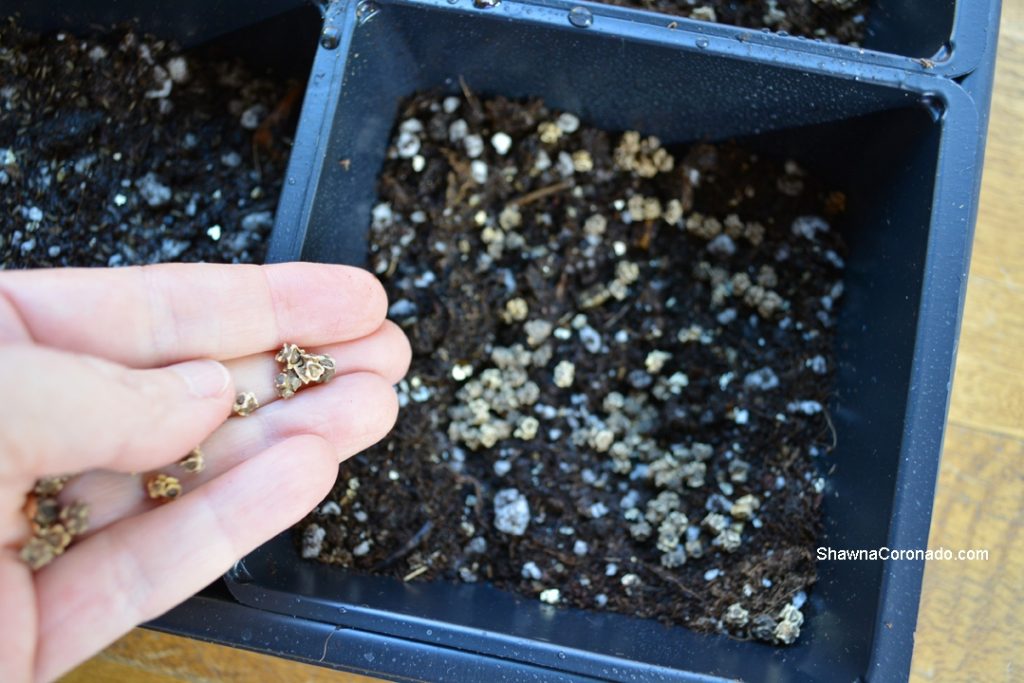
If you’re starting your vegetables from seeds, a seed starting mix is your best friend. This mix is finer and lighter than regular potting mix, making it perfect for delicate seedlings. It usually contains a blend of peat or coir, vermiculite, and sometimes sand. The fine texture ensures that tiny seeds have good contact with the soil, promoting quick germination. Consider using seed starting mix for herbs or leafy greens, which often start their journey from minuscule seeds.Coco Coir
Coco coir is an eco-friendly alternative to peat-based products. Derived from coconut husks, this soil type offers excellent water retention and aeration. Coco coir is also pH-neutral, which means it provides a balanced environment for most vegetables. It’s particularly beneficial for moisture-loving plants like cucumbers and zucchinis, which need consistent moisture levels. Are you looking for a sustainable option? Coco coir might be the perfect choice for your indoor garden. Each of these soil types has its unique benefits and applications. Selecting the right one can make a significant difference in the health and productivity of your indoor vegetable garden. What kind of soil will you choose for your indoor gardening adventure?Organic Soil Options
Choosing the right soil for your indoor vegetable garden is crucial. Organic soil options provide a healthy, sustainable choice. They are free from synthetic chemicals and additives. This ensures your vegetables grow in a natural environment. Let’s explore some popular organic soil options below.
Compost-based Mix
Compost-based mixes are rich in nutrients. They help improve soil structure and water retention. You can create your own by combining kitchen scraps, yard waste, and dry materials. This mix offers a balanced environment for root development. It also enhances the microbial activity essential for plant health.
When using compost, ensure it is fully decomposed. This prevents any harmful bacteria from affecting your plants. A balanced compost-based mix can support a variety of vegetables. It also reduces the need for synthetic fertilizers.
Peat-free Alternatives
Peat-free alternatives are gaining popularity among gardeners. Peat extraction harms natural habitats, prompting the search for eco-friendly options. Coconut coir is a sustainable choice. It retains moisture well and provides good aeration.
Another alternative is leaf mold. It is made from decomposed tree leaves and is rich in organic matter. Leaf mold improves soil structure and moisture retention. It is also an excellent source of beneficial microbes.
Using peat-free alternatives supports the environment. They provide a healthy medium for growing vegetables indoors. Choose these options to promote sustainable gardening practices.
Diy Soil Mix For Vegetables
Choosing the right soil mix is crucial for indoor vegetable gardens. A blend of peat, vermiculite, and compost ensures proper drainage and nutrient retention. This mix supports healthy root growth and boosts vegetable yield indoors.
Creating the perfect DIY soil mix for your indoor vegetable garden is essential. A well-prepared soil mix ensures your plants receive necessary nutrients. It also provides proper drainage and aeration. Below are details on creating an effective DIY soil mix.Ingredients To Include
Start with quality organic materials. These are the building blocks of your soil mix. Consider these ingredients for a balanced mix:- Coco Coir or Peat Moss:Retains moisture and improves aeration.
- Perlite or Sand:Enhances drainage and prevents waterlogging.
- Compost:Provides essential nutrients for plant growth.
- Vermiculite:Retains moisture and supports root development.
- Worm Castings:Rich in nutrients and beneficial microbes.
Mixing Instructions
Now, let’s combine these ingredients for the best results. Follow these simple steps:- Measure equal parts of coco coir or peat moss and perlite.
- Add one part compost to the mix.
- Include a small amount of vermiculite for moisture retention.
- Mix in a handful of worm castings for nutrients.
Avoiding Common Soil Issues
Creating a thriving indoor vegetable garden demands careful soil management. Common soil issues can hinder plant growth and reduce yields. Tackling these problems early ensures your indoor garden flourishes.
Compaction Problems
Compacted soil restricts root growth. It limits water and nutrient absorption. To avoid this, use a light, airy soil mix. Incorporate materials like perlite or vermiculite. These improve soil structure and drainage.
Regularly aerate the soil. This prevents compaction and promotes healthy root systems. Avoid overpacking soil during potting. Gently press soil to maintain its porosity.
Overwatering Risks
Overwatering suffocates plant roots. It leads to root rot and other issues. Ensure pots have drainage holes. This allows excess water to escape. Use a well-draining soil mix to reduce water retention.
Water plants only when the topsoil feels dry. Use your finger to check soil moisture. Consider using a moisture meter for accuracy.
Pest And Disease Prevention
Healthy soil deters pests and diseases. Start with sterile soil to minimize risks. Avoid using garden soil indoors. It may contain pests or pathogens.
Regularly inspect plants for signs of pests. Remove any affected leaves or plants promptly. Use organic pest control methods if needed. Keep your garden area clean and well-ventilated.

Credit: www.amazon.in
Enhancing Soil For Better Growth
Rich, well-draining soil is ideal for indoor vegetable gardens. It provides essential nutrients and supports healthy root growth. Mixing organic matter like compost improves soil quality and moisture retention.
Enhancing the soil in your indoor vegetable garden boosts plant health. Rich soil provides essential nutrients, improving growth and yield. It also supports root development, ensuring robust plants. By enhancing soil, you create an ideal environment for vegetables.Fertilizer Additions
Fertilizers enrich soil with vital nutrients. Choose organic options for safer indoor use. Compost is a great natural fertilizer. It adds nitrogen, phosphorus, and potassium. You can make compost at home using kitchen scraps. Another option is worm castings. They are nutrient-rich and improve soil texture. Use balanced fertilizers for even nutrient distribution. Follow package instructions for correct application. Over-fertilizing can harm plants, so measure carefully.Natural Amendments
Natural amendments enhance soil structure. Peat moss improves moisture retention. It is ideal for dry indoor conditions. Mix peat moss into the soil for better water absorption. Perlite is another great addition. It aerates the soil, promoting root growth. Perlite also prevents soil compaction. Use vermiculite for nutrient retention. It holds nutrients, releasing them as needed. These amendments create a balanced growing environment. Ensure your soil is neither too dense nor too loose. This balance supports healthy vegetable growth.
Credit: www.amazon.in
Frequently Asked Questions
What Soil Is Best For Indoor Vegetables?
Indoor vegetables thrive in well-draining, nutrient-rich soil. Use a potting mix with organic matter and perlite for aeration. This type of soil ensures proper root development and moisture retention. Avoid garden soil, as it compacts easily and can harbor pests.
Opt for a mix specifically designed for indoor gardening.
Can I Use Garden Soil Indoors?
Garden soil is not recommended for indoor use. It can compact, leading to poor drainage and root issues. Additionally, it may contain pests or diseases harmful to indoor plants. Instead, use a potting mix designed for containers. This ensures better aeration and nutrient availability for your indoor vegetables.
How Do I Improve Indoor Soil Quality?
Improve indoor soil by adding organic matter like compost. This boosts nutrient content and improves moisture retention. Mix in perlite or vermiculite for better aeration. Regularly check pH levels to ensure optimal plant growth. Consider using a slow-release fertilizer to maintain nutrient levels over time.
Do Indoor Vegetables Need Special Soil Nutrients?
Indoor vegetables benefit from added nutrients in their soil. Use a potting mix enriched with essential nutrients like nitrogen, phosphorus, and potassium. Regularly incorporate organic matter, like compost, to enhance fertility. Monitor nutrient levels and adjust as needed with fertilizers to ensure healthy vegetable growth.
Conclusion
Choosing the right soil boosts your indoor vegetable garden’s growth. Good soil provides nutrients and supports plant health. Look for soil that drains well. It should also retain moisture without staying soggy. You can mix in organic matter like compost.
This improves soil quality. Avoid heavy, clay-like soils. They can suffocate roots. Your plants need space to grow. Consider soil with pH between 6 and 7. This range suits most vegetables. Test soil if unsure. Adjust with lime or sulfur if needed.
Happy gardening! Watch your veggies thrive indoors with the right soil.