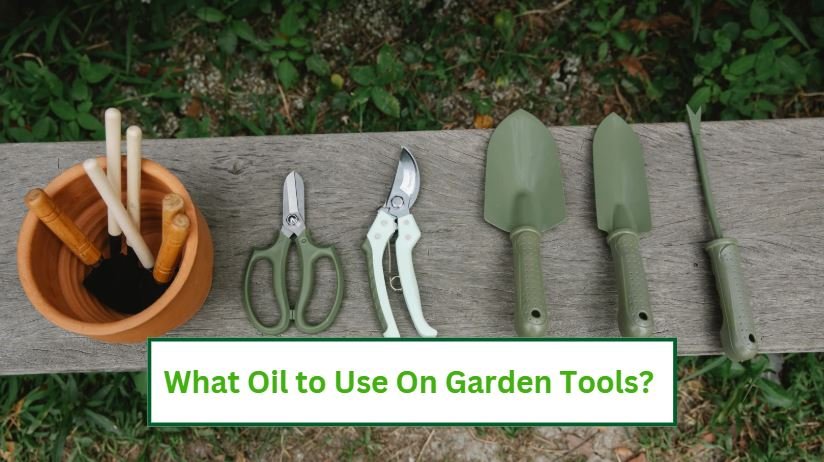
Keeping your garden tools in top shape is crucial for maintaining a beautiful and productive garden. But have you ever wondered what kind of oil is best for your tools?
Choosing the right oil can make all the difference, ensuring your tools last longer and work more efficiently. Imagine gliding through your gardening tasks with ease, knowing your tools are perfectly maintained. You’ll discover the types of oil that can transform your garden tools from rusty relics into reliable companions.
Get ready to uncover the secrets that will make your gardening experience smoother and more enjoyable. Don’t miss out on these simple tips that can save you time, money, and effort.
Credit: minimalistgardener.com.au
Importance Of Oil For Garden Tools
Choosing the right oil for garden tools ensures smooth operation and longevity. Regular application prevents rust and wear. Opt for light machine oil to keep parts lubricated effectively.
The importance of oil for garden tools cannot be overstated. Just as you would never drive a car without oil, your garden tools require the same level of care to maintain their functionality and longevity. Proper lubrication not only enhances the performance of your tools but also prevents rust and corrosion, allowing them to serve you well season after season.Enhancing Tool Performance
When your garden tools are well-oiled, they glide smoothly through tasks, making your gardening experience more enjoyable. Imagine pruning your favorite rose bush with ease, or effortlessly slicing through stubborn weeds. This is the magic of oil.Preventing Rust And Corrosion
Rust is the silent enemy that creeps up on your tools when they’re left unprotected. A thin layer of oil acts as a barrier against moisture, safeguarding your tools from rust. This is especially crucial if you store your tools in a shed or garage where humidity can be high.Extending Tool Lifespan
Regular oiling can significantly extend the life of your garden tools. Consider it a small investment for long-term benefits. A few drops of oil can save you money by reducing the need to replace tools frequently.Reducing Maintenance Costs
Maintaining tools can be costly, but a routine oiling schedule keeps them in top shape, reducing the need for repairs. Have you ever had to replace a rusted-out shovel? With proper oiling, such expenses can be avoided.Improving Safety
Well-maintained tools are safer to use. You wouldn’t want a rusty blade to snap while trimming hedges. Oiling ensures your tools are sturdy and reliable, minimizing the risk of accidents.Fostering A Healthy Gardening Habit
Taking care of your tools encourages a proactive approach to gardening. It’s satisfying to see your tools gleaming and ready for action. This habit can make gardening more enjoyable and less of a chore. Incorporating regular oiling into your gardening routine is a simple yet effective way to ensure your tools remain your trusty companions. Are you ready to give your garden tools the care they deserve?
Credit: www.amazon.co.uk
Types Of Oil Suitable For Garden Tools
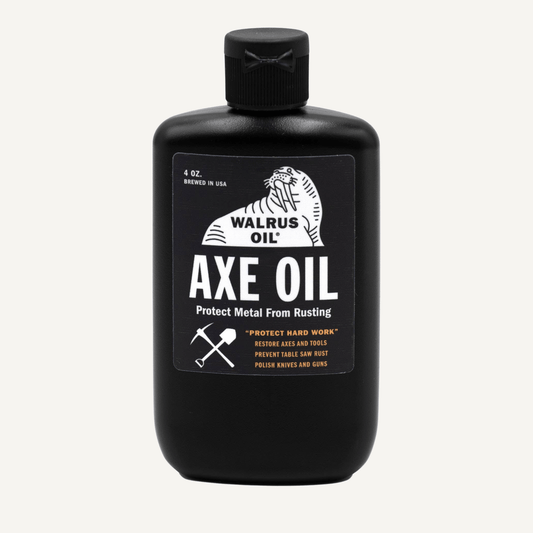
Mineral oil is ideal for most garden tools, providing excellent lubrication. Vegetable oil is an eco-friendly choice, biodegradable and safe. Synthetic oils, though pricier, offer superior protection and performance for high-demand tools. Selecting the right oil ensures smooth operation and longevity of your garden equipment.
Garden tools require proper maintenance for longevity. Choosing the right oil is crucial. Different oils serve different purposes. They offer unique benefits for garden tools.Mineral Oil
Mineral oil is a popular choice. It is affordable and easy to find. This oil prevents rust effectively. It provides a protective layer on metal surfaces. Mineral oil is non-toxic, making it safe for use. It enhances the lifespan of your garden tools. Regular application keeps tools in top condition.Vegetable Oil
Vegetable oil is eco-friendly. It is biodegradable and safe for the environment. This oil is an excellent lubricant. It reduces friction between moving parts. Vegetable oil is easy to apply. It is readily available in most households. This makes it a convenient choice for tool maintenance.Synthetic Oil
Synthetic oil offers superior protection. It withstands extreme temperatures. This oil is long-lasting and efficient. It keeps tools running smoothly without frequent application. Synthetic oil is resistant to oxidation. It prevents the build-up of grime and dirt. This keeps tools clean and functional.Mineral Oil Benefits
Mineral oil is a versatile choice for garden tools. It offers several benefits that help maintain the longevity and efficiency of your tools. Using mineral oil is a simple, effective way to keep your tools in top shape. Let’s explore how mineral oil can benefit your garden tools.
Lubrication Properties
Mineral oil provides excellent lubrication. It ensures smooth movement of tool parts. When tools move smoothly, your tasks become easier. Less friction means less wear and tear. This prolongs the life of your garden tools.
Rust Prevention
Mineral oil creates a barrier against moisture. Moisture is the main cause of rust on tools. By coating your tools with mineral oil, you protect them from rust. This keeps your tools looking new and working well. Rust-free tools are safer and more efficient to use.
Vegetable Oil As An Eco-friendly Option
Choosing the right oil for your garden tools can significantly impact not only their longevity but also the environment. Vegetable oil stands out as a remarkable eco-friendly option. It offers a sustainable alternative to conventional oils, contributing to a healthier planet while maintaining the performance of your tools.
Biodegradability
One of the most appealing aspects of vegetable oil is its biodegradability. Unlike petroleum-based oils, vegetable oil breaks down naturally in the environment, reducing pollution and harm to ecosystems. Imagine using your garden tools without the guilt of contaminating soil and water. You can be confident that your choice is minimizing your ecological footprint.
Non-toxicity
Vegetable oil is non-toxic, making it safer for you and the creatures that inhabit your garden. With traditional oils, there’s always a risk of harmful chemical exposure. Switching to vegetable oil means you can handle your tools without worrying about irritating your skin or harming your pets. Have you ever considered how much safer your gardening practice could be for your family and the local wildlife?
Synthetic Oil Advantages
Synthetic oil offers excellent protection for garden tools, reducing wear and extending lifespan. Its stable composition ensures better lubrication, especially in varying temperatures, enhancing tool performance.
Synthetic oils offer several benefits for garden tools. They provide superior lubrication and protection. These oils resist wear and tear, making them ideal for extending the life of your tools. Their unique formulation ensures they don’t break down easily. This helps in maintaining the efficiency of garden equipment. Let’s explore the advantages of synthetic oil in more detail.Long-lasting Protection
Synthetic oil forms a strong barrier on metal surfaces. It reduces friction between moving parts. This protection reduces the risk of rust and corrosion. Garden tools stay sharper and perform better over time. The oil’s resistance to oxidation means it remains effective longer. This reduces the frequency of reapplication. Your garden tasks become less labor-intensive.Temperature Stability
Synthetic oils offer excellent temperature stability. They perform well in both hot and cold conditions. Traditional oils can thicken or thin out with temperature changes. Synthetic oils maintain a consistent viscosity. This ensures smooth operation of garden tools all year round. You can rely on them for consistent performance. No matter the season, your tools are ready for action.How To Apply Oil On Garden Tools
Linseed oil is ideal for garden tools, providing rust protection and smooth operation. Apply it with a clean cloth. Regular maintenance ensures longevity and efficiency of your tools.
Maintaining your garden tools with the right oil not only extends their lifespan but also ensures they function smoothly season after season. While choosing the correct oil is essential, knowing how to apply it effectively is equally crucial. A little effort in proper application can go a long way in preserving your tools and keeping your gardening experience hassle-free.Cleaning Tools First
Before applying oil, make sure your garden tools are clean. Dirt, debris, and rust can interfere with the oil’s effectiveness. Use a wire brush or sandpaper to scrub off any rust. Wash the tools with soap and water, then dry them thoroughly. Moisture left on the tools can lead to more rust. A clean surface allows the oil to adhere better, providing a protective layer.Correct Application Techniques
Once your tools are clean and dry, it’s time to apply the oil. Use a cloth or a brush to evenly distribute the oil over the metal parts. Pay special attention to joints and moving parts. A small amount of oil goes a long way. Be sure not to overdo it, as excess oil can attract dirt. After applying, wipe off any surplus oil to prevent stickiness. Do you have a favorite tool that seems to always jam? Try focusing on its trouble spots during your next oiling session. Regular maintenance can transform a frustrating tool into a reliable garden companion.Factors To Consider When Choosing Oil
Choosing the right oil for garden tools enhances their lifespan and performance. Consider several factors to make the best choice for your tools. Understanding these elements ensures your tools remain in top condition.
Climate Conditions
Climate affects oil performance significantly. In cold climates, oils with low viscosity work best. They flow easily, preventing tool damage. In hot climates, thicker oils provide better protection. They resist evaporation, keeping tools lubricated longer.
Frequency Of Tool Use
How often you use your tools matters. For frequent use, choose durable oils. These provide long-lasting protection. They reduce wear and tear, extending tool life. For occasional use, lighter oils are suitable. They prevent rust without leaving heavy residues.
Common Mistakes To Avoid
Choosing the wrong oil for garden tools can lead to rust and poor performance. Avoid using cooking oil, which attracts dirt and causes buildup. Opt for lightweight, machine oil for smooth operation and tool longevity.
Common Mistakes to Avoid Taking care of your garden tools is essential for their longevity and performance. But sometimes, mistakes in maintaining these tools can cause more harm than good. Let’s explore some common pitfalls and how to steer clear of them.Over-oiling
Over-oiling is a frequent mistake many gardeners make. It might seem like more oil would provide better protection, but excess oil can attract dirt and debris. This can lead to a sticky mess that clogs up your tools. Imagine trying to prune your roses with shears that keep sticking. Frustrating, right? Instead, apply a light coat of oil just enough to cover the surface. If you find oil dripping off, you’ve used too much.Using Inappropriate Oils
Choosing the wrong oil can be detrimental. Some oils, like motor oil or cooking oil, can damage your tools or even harm your plants. They might leave residues that are hard to clean, leading to rust or poor performance. Look for oils specifically designed for garden tools. These are usually light, non-toxic, and easy to apply. Check the label to ensure it’s suitable for outdoor use and safe for plants. Have you ever considered the impact of the oil you choose? The right one can make maintenance easier and extend the lifespan of your beloved tools.
Credit: www.amazon.co.uk
Frequently Asked Questions
What Type Of Oil Is Best For Garden Tools?
For garden tools, use lightweight machine oil or 3-in-1 oil. These oils provide excellent lubrication and prevent rust. Avoid using cooking oils, as they can become sticky over time. Regular maintenance with the right oil ensures your tools stay in optimal condition, extending their lifespan and efficiency.
Can I Use Wd-40 On Garden Tools?
Yes, WD-40 can be used on garden tools to prevent rust. It’s a versatile lubricant that protects metal surfaces. However, it’s better for cleaning rather than long-term lubrication. For regular maintenance, use machine oil. Always clean tools thoroughly before applying any oil to remove dirt and debris.
How Often Should I Oil My Garden Tools?
Oil your garden tools after each use or at least monthly. Regular oiling prevents rust and ensures smooth operation. Before storing for winter, give tools a thorough cleaning and oiling. This practice extends their lifespan and keeps them in top condition, ready for use next season.
Is Vegetable Oil Suitable For Garden Tools?
Vegetable oil is not recommended for garden tools. It can become sticky and attract dirt. Stick to machine oils or specialized tool oils for better results. These oils provide superior protection against rust and ensure smooth operation. Regular maintenance with appropriate oil keeps your tools efficient and durable.
Conclusion
Choosing the right oil ensures your garden tools last longer. Regular maintenance keeps them in good shape. Rust and dirt won’t be a problem. Use natural oils for eco-friendly options. Mineral oils are effective and affordable. Always clean tools before applying oil.
This step boosts performance and lifespan. Store tools in a dry place after oiling. Proper care saves time and money. Enjoy gardening with well-maintained tools. Happy gardening!