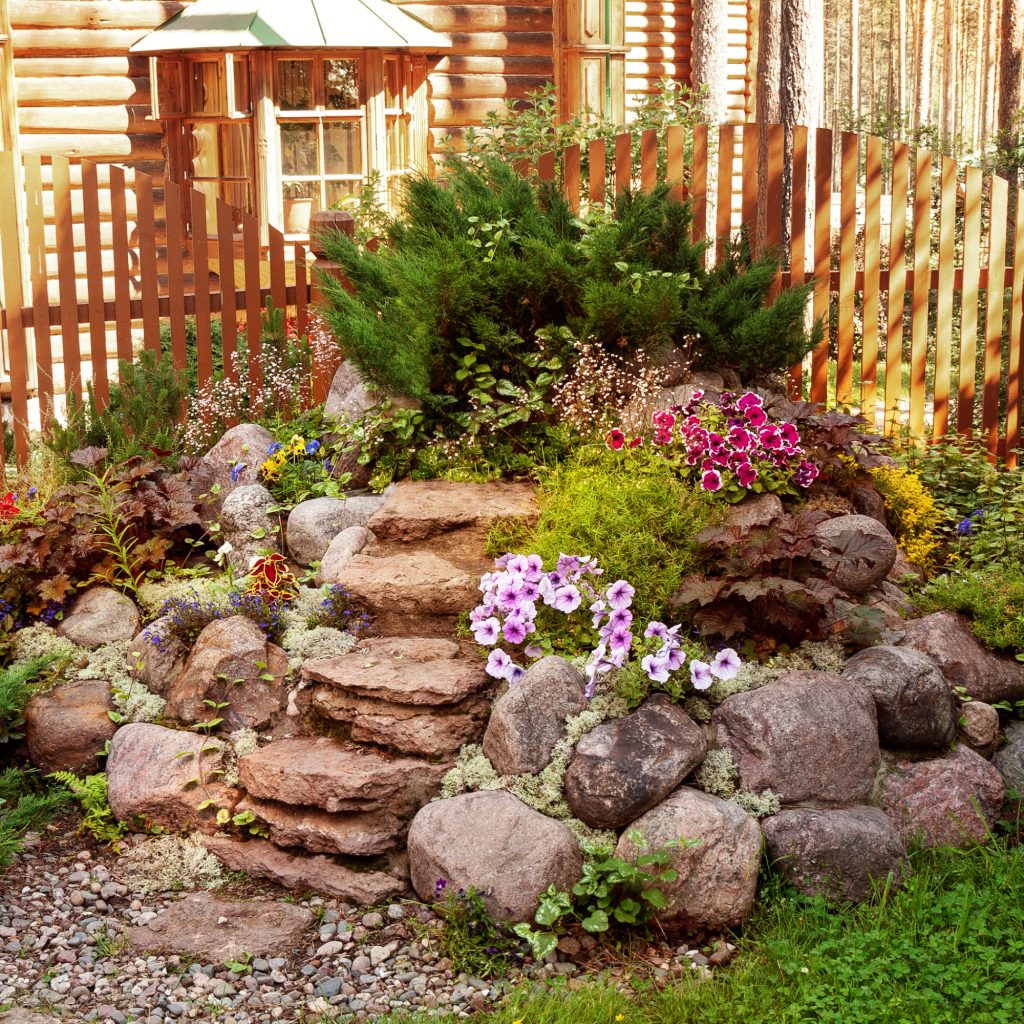
Have you ever glanced at a garden and felt an instant sense of calm and beauty? That’s the magic of landscape garden design.
It’s not just about planting flowers and trees; it’s about crafting a space that speaks to your soul. Imagine stepping into your backyard and feeling like you’ve entered a peaceful retreat, tailored just for you. Landscape garden design is your secret weapon to transform any outdoor area into a personal oasis.
Whether you’re a seasoned gardener or a complete beginner, understanding the essence of this design can open up a world of possibilities. Dive in to discover how you can create stunning outdoor spaces that not only please the eye but also nourish the spirit.
Essence Of Landscape Garden Design
Landscape garden design blends nature and artistry to create outdoor spaces. It focuses on arranging plants, paths, and features harmoniously. The goal is to enhance beauty and functionality, providing a tranquil retreat.
Landscape garden design is more than just arranging plants and outdoor decor; it’s about creating a harmonious environment that speaks to the soul. The essence of landscape garden design lies in its ability to transform outdoor spaces into havens of tranquility and beauty. This artful practice combines functionality with aesthetics, aiming to balance nature and human-made elements in a way that enhances your living experience.Understanding Balance And Harmony
Achieving balance and harmony is crucial in landscape garden design. This means ensuring that no element overpowers another, creating a peaceful coexistence between plant life, hardscapes, and water features. Consider how the colors of your chosen plants complement each other and how their sizes relate. Integrate pathways that guide you seamlessly from one area to another, maintaining a natural flow. Imagine walking through your garden and feeling a sense of calm as each section unfolds into the next.Incorporating Nature’s Elements
Nature offers a palette of textures and sounds that can be harnessed to enrich your garden. Water features, like small ponds or fountains, introduce soothing sounds that can mask urban noise and attract wildlife. Use stones and gravel to add texture and define spaces. Look to the sky for inspiration—trees can provide shade and vertical interest, while shrubs can form natural barriers.Reflecting Personal Style
Your garden should be an extension of your personal style. Whether you prefer a minimalist design or a lush, wild garden, the choices you make should resonate with who you are. Consider what elements bring you joy—perhaps a collection of fragrant flowers or a secluded seating area. Think about the memories you want to create in your garden. Do you envision hosting family gatherings, or perhaps finding a quiet spot for morning meditation?Addressing Practical Considerations
While beauty is essential, practicality cannot be overlooked. Assess the local climate and soil conditions to choose plants that will thrive. Plan for maintenance; consider the time you can realistically dedicate to upkeep. Are you prepared to prune regularly, or do you need low-maintenance options?Creating Sustainable Spaces
Sustainability is key in modern garden design. Opt for native plants that require less water and are adapted to your local environment. Implement rainwater harvesting systems or permeable paving to reduce water runoff. How can you make your garden more eco-friendly, while maintaining its aesthetic appeal? By focusing on these elements, your landscape garden design will not only be visually stunning but will also serve as a personal retreat and a testament to thoughtful design.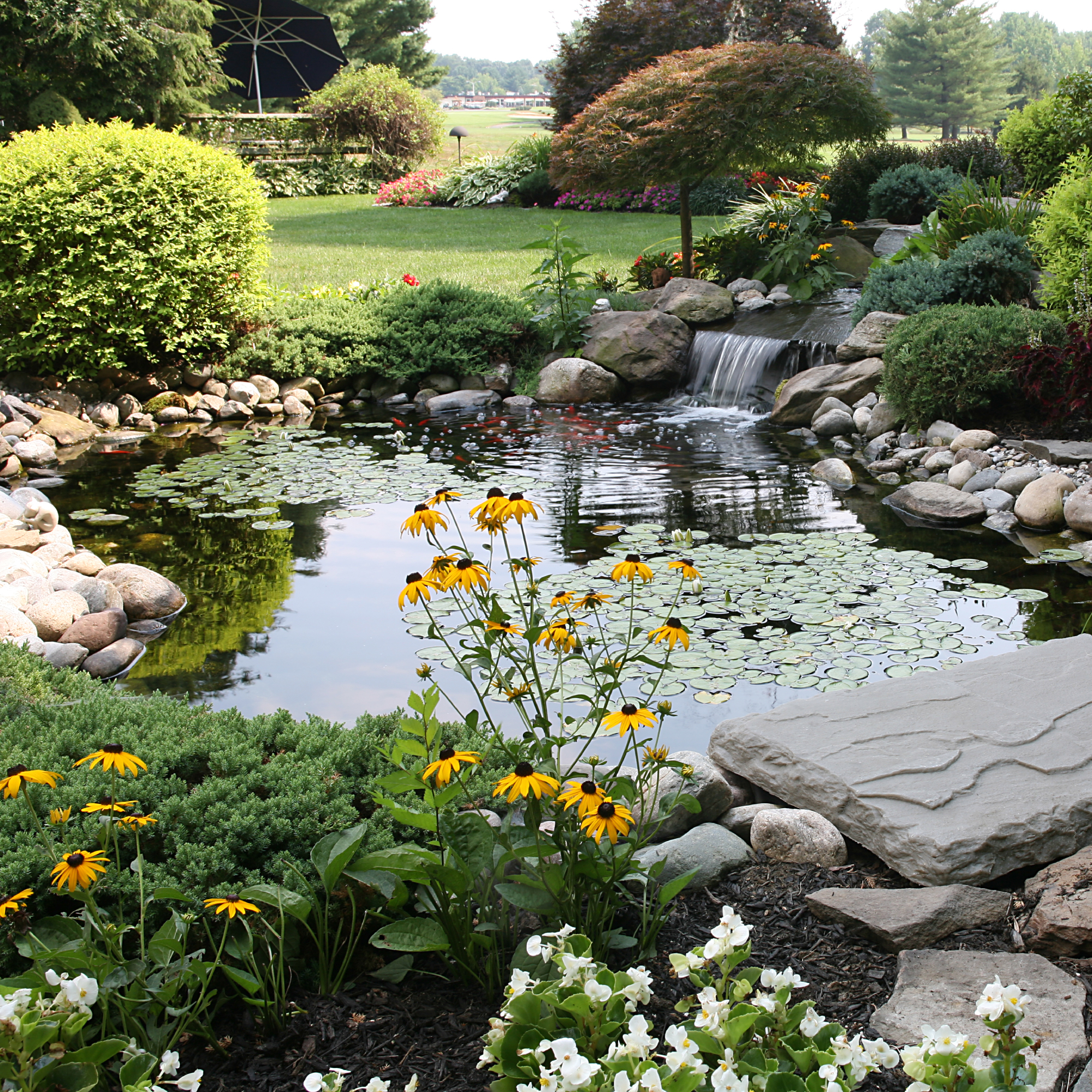
Credit: www.gardeningknowhow.com
Key Elements
Creating a landscape garden design involves planning layout, selecting plants, and ensuring harmony with nature. Focus on balance, color, and texture for an appealing outdoor space. Paths, water features, and lighting enhance functionality and beauty.
Landscape garden design brings nature and beauty into outdoor spaces. The key elements play crucial roles in creating a harmonious garden. These components work together to enhance the overall aesthetic and functionality of the garden. Let’s explore the essential elements that shape a stunning landscape garden.Plants And Trees
Plants and trees are the backbone of any garden. They add color, texture, and life to the landscape. Choose a variety of plants that suit the climate and soil. Consider their growth patterns and maintenance needs. Trees provide shade and structure, while flowering plants add vibrant hues. Incorporate native species for a sustainable and low-maintenance garden.Water Features
Water features introduce tranquility and elegance to the garden. They create soothing sounds and attract wildlife. Options include ponds, fountains, and waterfalls. Consider the size of the garden when selecting a water feature. A small fountain can fit snugly in a compact space. Larger gardens can accommodate expansive ponds. Ensure proper maintenance to keep water clean and fresh.Hardscaping
Hardscaping elements include paths, patios, and walls. They provide structure and functionality to the garden. Choose materials that complement the overall design. Stone, brick, and wood are popular choices. Paths guide visitors through the garden, while patios offer spaces for relaxation. Walls can define boundaries or create levels in the landscape. Balance is key; avoid overwhelming the natural elements.Design Styles
Landscape garden design blends nature and art, creating outdoor spaces with harmony and beauty. It uses elements like plants, water features, and pathways to enhance the environment and provide relaxation.
Landscape garden design is an art form that transforms outdoor spaces. It blends nature with creativity, offering varied styles for different tastes. From classic elegance to modern simplicity, each design style brings its charm. Let’s explore some popular landscape design styles.Traditional Gardens
Traditional gardens evoke timeless beauty. They often feature symmetrical layouts and formal elements. Neatly trimmed hedges and gravel paths are common. Flower beds burst with vibrant colors. Water features like fountains add tranquility. This style reflects classic European garden aesthetics.Contemporary Landscapes
Contemporary landscapes emphasize clean lines and simplicity. They use minimalistic designs and modern materials. Think sleek stone pathways and geometric shapes. Native plants and grasses provide a natural touch. This style suits urban settings well. It offers a fresh and uncluttered look.Eco-friendly Designs
Eco-friendly designs focus on sustainability. They use native plants that thrive without much care. Rainwater collection systems are often included. These gardens promote biodiversity and reduce environmental impact. Composting and organic gardening methods are encouraged. They create a harmonious balance with nature.Planning Your Space
Landscape garden design blends nature with creativity to craft beautiful outdoor spaces. It focuses on layout, plant selection, and features to create harmonious environments. Thoughtful planning enhances the aesthetic appeal and functionality of any garden space.
Planning Your Space Creating the perfect landscape garden design starts with a solid plan. Imagine your garden as a blank canvas—what do you want to see when you step outside? Whether you’re dreaming of a lush oasis or a minimalist retreat, planning is key to transforming your vision into reality. Dive into the following essential components that will help you map out your space effectively.Site Analysis
Understanding your site is crucial. Start by observing the natural elements in your space. Note the sunlight patterns, wind directions, and existing vegetation. Consider any slopes or drainage issues. These factors will guide your plant choices and garden features. Is there a part of your yard that always seems to collect water? You might consider a rain garden there.Zoning And Layout
Once you’ve analyzed your site, it’s time to zone and layout your garden. Decide on areas for different activities, like relaxing, entertaining, or growing vegetables. Sketch a rough plan on paper or use a digital tool to visualize different sections. Think about pathways connecting these zones—curved paths can add intrigue, while straight ones create a formal look. How will you transition from one zone to another?Budget Considerations
A realistic budget keeps your project on track. List out the elements you want, like plants, hardscape materials, and garden furniture. Research costs and prioritize what’s most important. You might find that a simple DIY project can save money and add a personal touch. Could repurposing materials be an option for you? Sometimes, creativity can stretch your budget further than expected. By focusing on site analysis, zoning, and budget, you can plan a landscape garden design that reflects your personality and meets your needs. What transformations are you ready to make in your outdoor space?Selecting Plants And Materials
In landscape garden design, selecting plants and materials is crucial. This process shapes the garden’s aesthetics and sustainability. The right choices ensure a thriving, beautiful environment year-round. Understanding your garden’s needs can enhance its visual appeal and longevity.
Climate Considerations
Climate affects plant growth and material durability. Choose plants that suit your region’s weather. In colder climates, opt for hardy plants. Warm climates need heat-tolerant varieties. Materials should withstand local weather conditions too. Wood, stone, and metal react differently to moisture and temperature.
Native Vs. Exotic Plants
Native plants are adapted to local conditions. They require less water and maintenance. Exotic plants offer unique textures and colors. They might need more care and attention. Balance both for a diverse and resilient garden.
Sustainable Materials
Sustainable materials reduce environmental impact. Use recycled wood or stone for pathways. Consider permeable paving to improve water drainage. Eco-friendly options can enhance garden aesthetics and sustainability.
Incorporating Water Features
Incorporating water features can enhance landscape garden design by adding tranquility and visual appeal. Ponds, fountains, or streams create soothing sounds and attract wildlife, enriching the garden’s ecosystem. These elements provide a focal point, transforming ordinary spaces into serene retreats.
Incorporating water features into your landscape garden design can transform an ordinary space into a tranquil oasis. Picture the soothing sound of water trickling down a fountain or the captivating sight of koi fish gliding through a pond. Water features add movement, sound, and life, creating a dynamic focal point in your garden. They invite you to pause, reflect, and enjoy your outdoor space. But how do you choose the right water feature for your garden? And once installed, how do you ensure it remains a safe and beautiful addition?Types Of Water Features
Water features come in various styles and sizes, allowing you to find the perfect fit for your garden.- Fountains:These can be wall-mounted or freestanding, offering a range of designs from modern to classic.
- Ponds:Ideal for larger gardens, ponds can host aquatic plants and fish, creating a lively ecosystem.
- Waterfalls:Often integrated into ponds, waterfalls add height and motion, enhancing the sensory experience.
- Streams:Mimic the natural flow of water, perfect for creating a serene, nature-inspired setting.
Maintenance Tips
Keeping your water feature pristine requires regular maintenance. Neglecting it can lead to algae overgrowth and equipment malfunction.- Regular Cleaning:Remove debris and clean surfaces to prevent algae and bacterial buildup.
- Water Quality:Test and adjust pH levels, and add treatments to keep water clear and healthy for plants and fish.
- Inspect Equipment:Check pumps and filters regularly to ensure they are functioning efficiently.
Safety Considerations
While water features are visually appealing, safety should never be overlooked, especially if you have children or pets.- Secure Edges:Ensure ponds have sturdy edges to prevent accidental falls.
- Depth Awareness:Keep the water depth appropriate to prevent drowning hazards.
- Electrical Safety:Use waterproof electrical components and ensure outlets are safe from water exposure.
Enhancing With Lighting
Enhancing your landscape garden with lighting transforms it into a magical space. Thoughtful lighting highlights features, extends usability, and adds security. It creates a warm and inviting atmosphere, perfect for evening gatherings or peaceful solitude. Let’s explore how lighting can elevate your garden design.
Types Of Garden Lighting
Different lighting options serve unique purposes in your garden. Spotlights focus on specific features like trees or sculptures. Pathway lights illuminate walkways, ensuring safety and guidance. String lights drape across areas, adding a whimsical touch. Solar lights harness sunlight, offering a sustainable choice.
Energy Efficiency
Energy-efficient lighting reduces environmental impact and saves money. LED lights use less power and last longer than traditional bulbs. Solar lights charge during the day and shine at night, eliminating electricity costs. Timers and motion sensors ensure lights operate only when needed.
Creating Ambiance
Lighting sets the mood in your garden. Soft, warm lights create a cozy and intimate setting. Bright lights enhance visibility for activities or gatherings. Dimmer switches allow control over brightness, adjusting to the desired atmosphere. Experiment with different placements to achieve various effects.
Diy Vs. Hiring Professionals
Landscape garden design can transform outdoor spaces beautifully. DIY allows for personal creativity and cost-saving benefits. Professionals offer expertise, ensuring a polished and functional result.
Deciding between DIY and hiring professionals for landscape garden design can be tricky. Each option offers unique benefits and challenges. Understanding these can help in making an informed decision.Pros And Cons Of Diy
DIY landscape design allows for personal creativity. You can create a space that reflects your style. It’s also budget-friendly. You save money by doing the work yourself. Yet, it demands time and effort. Gardening skills are needed for the best results. Mistakes can be costly and time-consuming to fix.Choosing The Right Professional
Hiring a professional ensures expert guidance. They bring experience and creativity. Professionals can transform your garden into a stunning space. Choose someone with a good reputation. Check their previous work. Read reviews from past clients. Communication is key. Ensure they understand your vision and budget.Cost Implications
DIY can be cheaper upfront. Costs include materials and tools only. Mistakes, though, can increase expenses. Hiring professionals might seem expensive. You pay for their expertise and labor. The quality of work can save money long-term. Weigh the costs against potential benefits.Maintaining Your Garden
Landscape garden design transforms your outdoor space into a beautiful and functional area. It involves planning plant arrangements, pathways, and features like ponds or benches. This design enhances your garden’s appearance and creates a pleasant environment.
Maintaining a garden is as crucial as its design. Proper care keeps it vibrant and healthy. To ensure your landscape flourishes, focus on consistent maintenance. Below, explore essential aspects of garden upkeep.Seasonal Care
Each season brings different needs for your garden. In spring, prepare the soil and plant new seeds. Summer requires regular watering and weeding. Fall is perfect for pruning and cleaning debris. Winter involves protecting plants from cold with covers or mulch. Stay aware of seasonal changes for optimal growth.Pest Management
Pests can harm your garden’s beauty. Regular inspection helps spot issues early. Use natural remedies like neem oil for a safer approach. Introduce beneficial insects like ladybugs to control pests. Maintain plant health to deter infestations. A healthy garden resists pests better.Long-term Upkeep
Think of long-term plans for garden success. Regularly check soil health and amend as needed. Rotate plants to maintain soil fertility. Keep tools clean and sharp for effective gardening. Plan for plant replacements as they age. Consistent upkeep ensures a thriving landscape for years.
Credit: www.fast-growing-trees.com

Credit: www.reliance-foundry.com
Frequently Asked Questions
What Is Landscape Garden Design?
Landscape garden design involves planning and creating outdoor spaces. It combines art and nature to enhance aesthetics and functionality. Designers consider elements like plant selection, layout, and features such as water bodies and pathways. The goal is to create harmonious, sustainable environments that reflect personal style and meet specific needs.
How Does Landscape Design Enhance Property Value?
Landscape design boosts property value by creating attractive and functional outdoor spaces. Well-planned gardens improve curb appeal, providing a welcoming atmosphere. Features like patios, water elements, and native plants add practical benefits. They enhance usability, reduce maintenance, and can lead to a higher resale value.
What Are Key Elements In Landscape Design?
Key elements include plants, structures, and layout. Plants offer color, texture, and seasonal interest. Structures like patios and fences provide function and define spaces. Layout involves arranging these elements harmoniously. Attention to scale, balance, and focal points ensures a cohesive, visually appealing design.
How Do I Choose Plants For My Garden?
Select plants based on climate, soil type, and sunlight exposure. Consider maintenance needs and aesthetic preferences. Native plants are often ideal as they require less care and support local ecosystems. Group plants with similar needs together for efficient watering and cohesive design.
Conclusion
Landscape garden design enhances your outdoor space’s beauty and functionality. Thoughtful planning ensures it suits your lifestyle and preferences. Simplicity in design can create a peaceful environment. Plants, paths, and structures all play vital roles. Choose elements that blend well with your home.
Remember to consider maintenance needs. A well-designed garden brings joy and relaxation. It becomes a personal retreat. Enjoy the process of transforming your space. Let nature inspire your creativity. Every garden is unique and reflects your personality. Create a place where you can unwind and feel refreshed.
Happy gardening!







